pakistan discuss bilateral
| |

Pakistan, US discuss bilateral cooperation and reg…


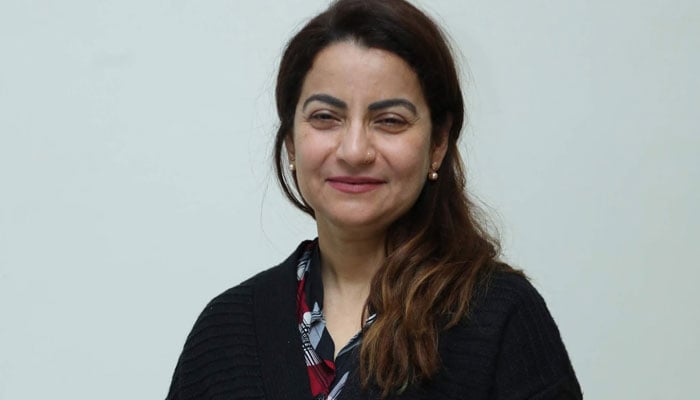
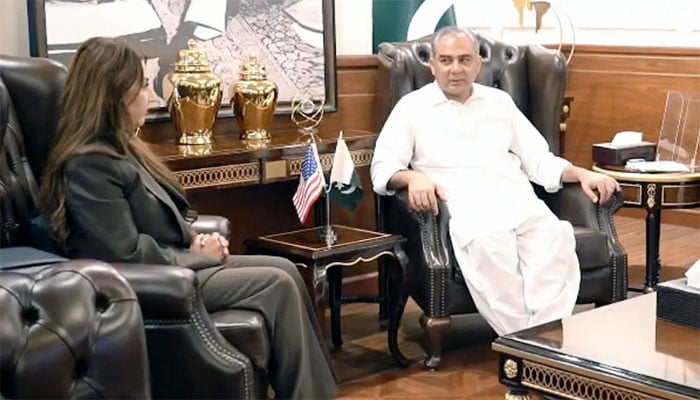
Federal Interior Minister Syed Mohsin Naqvi held a meeting with US Chargé d’Affaires to Pakistan Natalie Baker in Islamabad, where the two sides discussed regional developments, security matters and ways to strengthen cooperation between Pakistan and the United States.

The meeting focused on the overall situation in the region, with particular attention given to peace and stability. Both sides exchanged views on ongoing regional developments and discussed the importance of maintaining cooperation to address emerging security challenges.

According to the details of the meeting, Pakistan and the United States also discussed their bilateral relationship and explored opportunities to expand cooperation across different areas. The two sides expressed interest in strengthening existing mechanisms of collaboration and developing further partnerships in areas of mutual interest.

Law-enforcement cooperation was also an important part of the discussion. Naqvi and Baker exchanged views on joint programmes and training opportunities involving police officers from both countries. Such initiatives were discussed as a means of improving professional capabilities, sharing expertise and strengthening coordination between law-enforcement institutions.

The officials also discussed the need for greater cooperation against organised crime, drug trafficking and human smuggling. Both sides agreed to enhance collaboration in these areas, recognising that such crimes often operate across national borders and require coordinated efforts between countries.

The discussion highlighted the importance of information sharing, professional training and institutional cooperation in tackling transnational criminal networks. Strengthening law-enforcement coordination could help both countries improve their ability to respond to security threats and combat criminal activities that affect communities in Pakistan and beyond.

During the meeting, US Chargé d’Affaires Natalie Baker also praised Field Marshal Syed Asim Munir for what she described as his positive diplomatic role in promoting peace and stability in the region.

Her remarks came amid broader discussions on regional security and the importance of diplomatic engagement in addressing tensions and maintaining stability. The appreciation reflected the US side’s recognition of Pakistan’s role in contributing to regional peace efforts.

The meeting between Naqvi and Baker comes as Pakistan and the United States continue to engage on a range of security and bilateral matters. Cooperation between the two countries has traditionally included areas such as counterterrorism, law enforcement, border security and efforts to combat transnational crime.

The latest discussions indicate an effort to further strengthen practical cooperation, particularly in areas directly linked to public security and law enforcement.

The proposed police training and exchange programmes could provide opportunities for officers from both countries to learn from each other’s experiences and improve their professional skills. Meanwhile, increased coordination against organised crime, drugs and human trafficking could contribute to more effective efforts against criminal networks.

The meeting also underscored the broader importance of the Pakistan-US relationship at a time when regional developments continue to influence security and diplomatic priorities. Both countries have an interest in maintaining communication and cooperation on issues that affect regional peace and stability.

Overall, the talks reflected a focus on strengthening bilateral ties through practical cooperation, particularly in law enforcement and security. The agreement to enhance joint efforts against organised crime, drug trafficking and human smuggling, along with discussions on police training programmes, demonstrates the two sides’ shared interest in addressing common challenges.

The meeting also provided an opportunity for both officials to reaffirm the importance of continued engagement between Pakistan and the United States on regional peace, stability and security.
Similar Posts

  • | | |

    Naqvi meets Araghchi in Tehran amid US-Iran mediat…

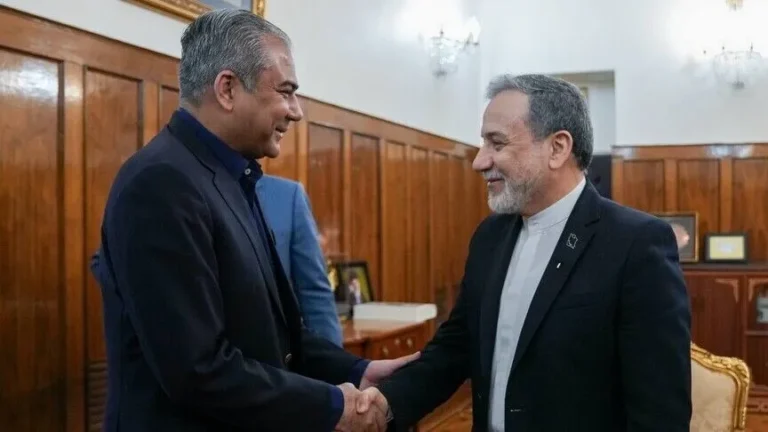
    Pakistan’s Interior Minister Mohsin Naqvi held talks with Iranian Foreign Minister Abbas Araghchi in Tehran on Tuesday as diplomatic efforts continue to ease tensions between Iran and the United States. The meeting focused on regional developments and matters of mutual interest. Iranian state media reported that the two ministers also discussed diplomatic and bilateral issues. The meeting took place against the backdrop of continuing efforts to find a diplomatic way forward in the US-Iran conflict. Pakistan has remained engaged with regional partners as part of efforts to support dialogue and reduce tensions. Iranian officials said Naqvi is expected to hold additional meetings with senior authorities during his visit to Tehran. Discussions are expected to cover bilateral relations, regional developments and issues affecting both countries. The visit also comes around a month after Iranian Interior Minister Eskandar Momeni visited Islamabad. During that visit, Pakistani and Iranian officials held discussions on bilateral cooperation and regional matters. Pakistan has maintained diplomatic contacts with both sides during the recent crisis. Islamabad has also sought to encourage dialogue as tensions between Tehran and Washington have increased. Pakistan, along with Qatar, previously played a role in diplomatic efforts aimed at bringing Iran and the United States closer to an understanding. These efforts contributed to a memorandum of understanding between the two sides in June. The latest meeting between Naqvi and Araghchi is therefore being viewed in the context of Islamabad’s broader diplomatic engagement with Tehran. Officials have not released detailed information about the specific issues discussed during Tuesday’s meeting. Further details are expected after Naqvi completes his scheduled engagements with Iranian officials.

  • |

    South Korea records hottest day in history as temperatures reach 42.5C

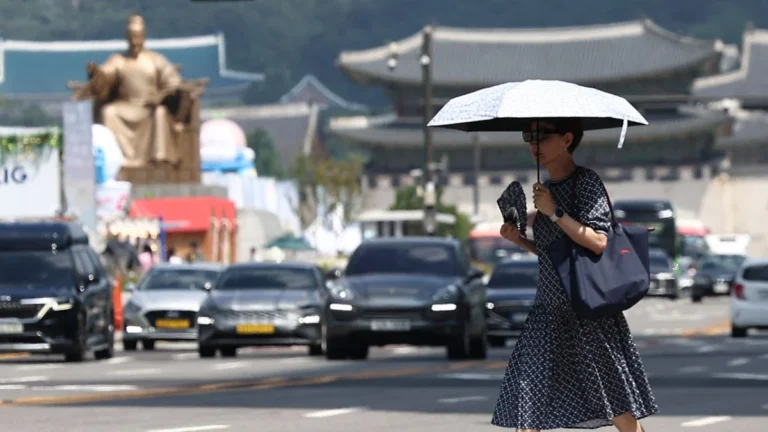
    South Korea has recorded its highest temperature since weather records began more than 100 years ago, as an intense heatwave continues to grip the country and authorities urge people to avoid outdoor activities. The Korea Meteorological Administration said the southeastern city of Yangsan reached 42.5 degrees Celsius on Sunday afternoon, setting a new national temperature record. Yangsan has remained at the centre of the prolonged heatwave, with temperatures exceeding 40 degrees Celsius for five consecutive days. Other major cities, including Daegu and Busan, have also experienced temperatures climbing into the upper 30s. The extreme weather has forced many people to seek shelter in air conditioned shopping centres, cafes and other indoor spaces. In Seoul, residents gathered in public places with cooling facilities to escape the dangerous heat. Office worker Ju Dong Yeol said staying outdoors had become almost impossible and that spending time in air conditioned buildings was the only practical way to cope with the soaring temperatures. Authorities have issued emergency heatwave alerts in more than 20 areas across the country. The warning system, introduced this year, is activated when the expected heat index reaches 38 degrees Celsius or when actual temperatures are forecast to climb to at least 39 degrees Celsius. Weather officials advised residents to stop all outdoor activities immediately, remain in cool locations and drink plenty of water to reduce the risk of heat related illnesses. The Korea Meteorological Administration also warned that indoor spaces without air conditioning could become dangerous during the ongoing heatwave. Officials encouraged people, particularly children, older adults and those with health conditions, to use designated cooling centres whenever possible. Weather data show that South Korea has experienced a sharp increase in the number of extremely hot days over recent decades. During the past five years, the country has recorded an average of 19 heatwave days each year, compared with only eight days annually during the 1970s. A heatwave day is officially defined as one in which temperatures reach at least 33 degrees Celsius. The severe weather has also disrupted sporting events. South Korea’s professional baseball league cancelled a second consecutive game in the city of Changwon after temperatures climbed to 39.5 degrees Celsius. The Korea Baseball Organisation said the decision was made to protect the health and safety of players, officials and spectators while the heatwave warning remained in effect. Scientists have repeatedly warned that human induced climate change is making extreme weather events such as heatwaves more frequent and more intense around the world. Experts also point to the return of the El Nino climate pattern this year, which increases sea surface temperatures in the Pacific Ocean and can contribute to unusually hot weather in many regions. South Korea is not alone in facing extreme heat. Several European countries have also experienced prolonged heatwaves this summer, with temperatures rising above 40 degrees Celsius in parts of southern and central Europe. Governments across the region have issued health warnings, battled wildfires and advised residents to avoid outdoor activities during the hottest hours of the day. Italy has also placed many of its major cities under the highest level of heat alert as temperatures continue to rise.

  • |

    Messi, Ronaldo face security scares at World Cup

    The 2026 FIFA World Cup may have ended with Spain lifting the trophy, but a reported police dossier has brought fresh attention to the security threats that allegedly shadowed some of football’s biggest stars during the tournament. According to a report based on an alleged leaked police document, Lionel Messi was repeatedly targeted with threats during Argentina’s campaign, while Cristiano Ronaldo and several other high-profile figures also faced security concerns. The World Cup, jointly hosted by the United States, Mexico and Canada, was already one of the largest sporting events ever staged. Spain eventually defeated Argentina 1-0 in the final to claim the title. However, behind the packed stadiums and celebrations, security agencies were reportedly dealing with a series of alarming incidents. One alleged threat emerged before Argentina’s match against Jordan. According to the report, a caller contacted authorities at Dallas airport and threatened an attack at the stadium, allegedly claiming that grenades and rifles would be used. Another disturbing incident was reportedly recorded before Argentina’s game against Egypt, when a threat targeting Messi was posted on social media. Security concerns escalated during the match after authorities received information suggesting that explosives could have been placed inside stadium waste bins. Bomb-disposal specialists and trained detection dogs were reportedly deployed to search the area. No explosives were found, according to the report. The security concerns were not limited to Messi. Portuguese superstar Cristiano Ronaldo was also reportedly the subject of attempts to obtain information about his accommodation. In another alleged incident, a suspicious individual reportedly managed to reach his hotel while posing as a fan. The pressure extended to match officials and other players. French referee François Letexier reportedly received thousands of threatening messages following decisions made during the Argentina-Egypt match. Players including Alexander Sørloth and Jae-hun Campaz were also allegedly subjected to death threats after missing important opportunities during matches. The reported security breaches prompted authorities to strengthen protection around key World Cup locations. At one media centre in England, security measures reportedly included multiple protective layers, concrete barriers, anti-sniper screens and a no-fly zone. The revelations offer a stark reminder that the spectacle of a World Cup comes with enormous security challenges. While millions of fans experienced football, entertainment and celebration, security teams were simultaneously working behind the scenes to protect players, officials and spectators from potential threats. The security allegations above are presented as reported claims from the supplied report and alleged leaked dossier; they should not be treated as independently established facts unless confirmed by authorities.

  • | |

    Federal Cabinet Interference in CCI matters violat…

      Islamabad: The federal cabinet has no constitutional authority to decide matters reserved for the Council of Common Interests, a Senate sub committee has declared, warning that continued cabinet interference in electricity, petroleum, gas, railways, ports and regulatory bodies is damaging provincial rights and weakening constitutional protection for smaller provinces. The Senate Sub Committee on Devolution, chaired by Senator Barrister Zamir Hussain Ghumro, directed that matters falling under the CCI must not be taken to the federal cabinet. The committee said the Prime Minister should place such issues before the CCI and call its meetings frequently. According to the committee, Article 154 of the Constitution gives the CCI responsibility over subjects listed in Part II of the Federal Legislative List. The committee argued that these powers belong to the CCI rather than the federal cabinet. It said this constitutional arrangement was created to protect provinces from decisions dominated by the federal government. The committee particularly highlighted the position of smaller provinces. It noted that Punjab has 141 seats in the National Assembly while the other three provinces together have 122 seats. According to the committee, putting important provincial matters under the CCI provides protection against decisions based only on the strength of the majority in the National Assembly. The committee said the CCI should be reconstituted in a way that ensures equality among provinces. It also called for more frequent CCI meetings so important disputes between the federation and provinces are not left unresolved. The committee said the prices of electricity, petroleum, gas and medicines should be supervised and controlled through the CCI rather than the federal cabinet. It argued that federal executive authority must operate within the Constitution and that Article 154 gives the CCI authority over relevant subjects. The committee also said major national organisations and sectors connected with Part II of the Federal Legislative List should come under the CCI. These include Railways, Petroleum, Electricity, Ports and several regulatory bodies. The committee specifically named OGRA, NEPRA, PEMRA and PTA among institutions whose matters, in its view, should fall under the CCI framework. It said Planning and Development authorities and other bodies working in fields covered by Part II should also operate under CCI authority instead of federal cabinet control. The committee strongly objected to federal cabinet involvement in these areas. It said interference by the federal cabinet in CCI subjects was contrary to Article 97 read with Article 154 of the Constitution. One of the most serious issues discussed was the planned privatization of electricity distribution companies. The committee stated that the privatization of companies including IESCO, FESCO, LESCO, GESCO, SEPCO and HESCO cannot proceed without CCI approval from the Power Division or Privatization Commission. It argued that taking such decisions without the CCI would violate Articles 154 and 157 of the Constitution. The committee directed that the privatization of electricity distribution companies must be placed before the CCI. It also referred to the Supreme Court judgement in the Mian Nawaz Sharif case and said the CCI should be involved before such major decisions are taken. The committee rejected the federal government’s reliance on the Gadoon Amazai ruling regarding CCI meetings. It said Parliament had already addressed the issue of meeting frequency by requiring the CCI to meet at least once every three months or earlier when urgent matters arise. The committee therefore called on the Prime Minister to convene CCI meetings regularly. According to members, failure to use the CCI weakens the constitutional voice of provinces and allows issues affecting the entire federation to be decided through the federal cabinet. The panel also questioned several ministries, divisions and state owned bodies dealing with subjects it believes belong either to the provinces or the CCI. It said federal structures created around provincial or CCI subjects should be devolved or closed where required, without harming employees. Among the institutions and sectors the committee mentioned included Water Resources, Railways, Industries, Statistics, Petroleum, Inter-Provincial Coordination, Planning and Development and WAPDA. The committee also referred to regulatory bodies and other organisations whose functions, it said, should be examined according to the constitutional division of powers. Members said the purpose of the CCI was not simply to hold occasional meetings. They described it as a constitutional mechanism designed to allow the federation and provinces to jointly decide major national matters. The committee warned that bypassing the CCI could create mistrust between the provinces and the federal government. It said smaller provinces need the CCI to ensure they have a meaningful voice in decisions involving national resources, energy, infrastructure and regulation. The committee directed the federal government to amend its Rules of Business within 15 days so that matters falling under the CCI are handled according to the Constitution. It asked the government to submit a report explaining the changes made. The message from the committee was clear. Major decisions involving electricity, petroleum, gas, railways, ports, regulators and other CCI subjects should not be decided by the federal cabinet alone. The committee wants these matters taken back to the Council of Common Interests, with the Prime Minister required to use the constitutional forum regularly to protect provincial rights and build agreement between the federation and all four provinces.

  • | | |

    PM Shehbaz congratulates PML-N on AJK election vic…

    ISLAMABAD: Prime Minister Shehbaz Sharif has congratulated the Pakistan Muslim League-Nawaz (PML-N) on its strong performance in the second phase of the Azad Jammu and Kashmir (AJK) elections. In a statement, the prime minister extended his congratulations to PML-N President Nawaz Sharif and all successful party candidates, praising their efforts during the election campaign. Shehbaz Sharif said he wholeheartedly congratulated every winning PML-N candidate, adding that the party’s continued electoral success was the result of the hard work and dedication of Nawaz Sharif and the entire PML-N team. He said the party had run a highly successful election campaign in Azad Jammu and Kashmir under Nawaz Sharif’s leadership, describing the victory as a clear expression of the people’s confidence in the PML-N’s policies and vision. The prime minister reiterated that the development and prosperity of Azad Kashmir, along with the welfare of its people, remain among the federal government’s top priorities. He also noted that political parties actively participated in the second phase of the AJK elections, describing the electoral process as an important democratic exercise.

  • | |

    Dr Nigat Shah clarifies JPMC contract extension

    Professor Dr Nigat Shah, head of the Department of Obstetrics and Gynaecology at Jinnah Postgraduate Medical Centre (JPMC), has clarified that her contract-based employment extension will not affect the posting or promotion of any associate professor. Speaking to the media, Dr Shah said several gynaecology units at JPMC had remained closed since 2013. She said one of the closed units was revived in 2022 to expand medical services and provide treatment to patients. She added that the department is continuing patient care alongside postgraduate training and research. According to Dr Shah, the hospital needs more specialised doctors, and she has no objection to the appointment of any qualified medical professional. Dr Shah stressed that her objective was not to create obstacles for another doctor’s appointment or career progression. She said her contract extension should not be viewed as an attempt to block the posting or promotion of any associate professor. The clarification comes after senior associate professors at Jinnah Sindh Medical University (JSMU) reportedly raised concerns over Dr Shah’s reappointment. Several affected professors wrote to the Sindh chief minister, Sindh health minister and the federal ombudsman, expressing reservations about the decision. In their letter, the professors claimed that the second paragraph of a Pakistan Medical and Dental Council (PMDC) notification issued on May 19 had been overlooked. They further maintained that the reappointment could affect the promotions of six associate professors who are awaiting advancement to higher positions. The professors have sought the authorities’ attention to the matter and called for the relevant rules and regulations to be considered while deciding appointments and promotions.

Leave a Reply

Your email address will not be published. Required fields are marked *