trump administration seeks
|

Trump administration seeks to restrict internships for international students

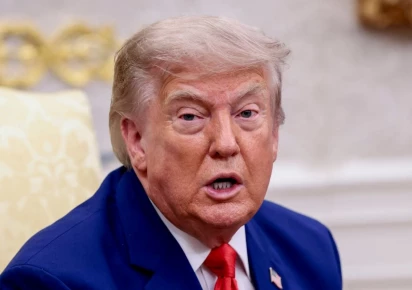
WASHINGTON, USA — President Donald Trump‘s administration has issued a memo for universities that seeks to restrict issuance of certain internship work authorizations for international students as the federal government warned that colleges not complying with the regulations may lose certification to enroll foreign students.

The federal memo dated August 24 said the Student and Exchange Visitor Program, which is part of the US Immigration and Customs Enforcement agency, has “observed a rise in Curricular Practical Training (CPT) authorizations that appear to violate regulatory requirements which permit CPT only where the training is an integral part of an established curriculum.”


Trump administration seeks to restrict internships for international students

“Failure to comply with SEVP regulations may result in an institution losing certification to enroll foreign students,” the memo said.

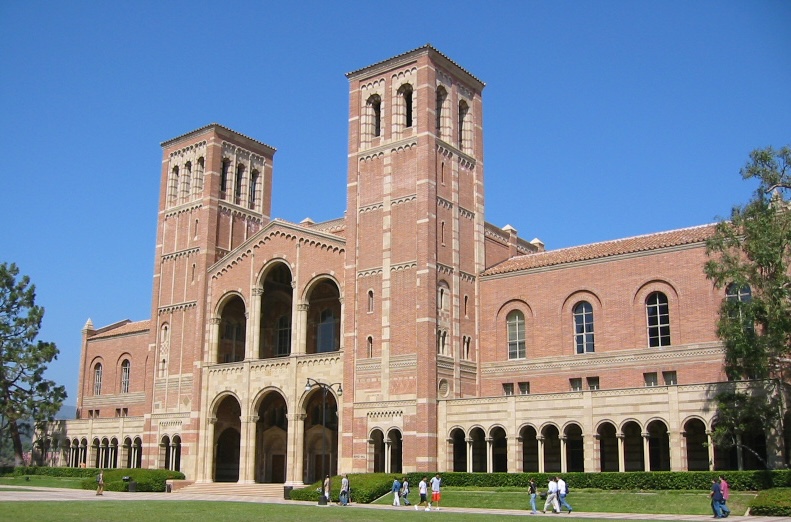
It resulted in some schools, including the University of California, Los Angeles and the University of California, Berkeley, pausing certain applications for work authorizations for international students.

“UCLA has paused certain Curricular Practical Training authorizations while it reviews recent federal guidance and determines next steps,” a UCLA spokesperson said.

UC Berkeley’s international office said the August 24 memo was “more narrow in focus, more direct, and includes content that is more restrictive in nature.” The federal government had also issued an earlier memo in mid-August.

UC Berkeley’s international office said it is unlikely that it will process certain work authorization applications “in the near future” and urged those international students to plan accordingly.

It said it will continue processing “degree-requirement” CPT as normal and would resume processing “Doctoral Dissertation and Master’s Thesis Research CPT.” The office said it would consult legal experts to develop new processes aligning with new federal requirements.

“Nothing about these regulations has changed,” the Department of Homeland Security, ICE’s parent, said in a statement. “However, schools and employers should consider themselves on notice: under President Trump, abuse of this generous system will no longer be tolerated.”

Trump has targeted universities with probes and funding threats over issues like pro-Palestinian protests against US ally Israel’s assault on Gaza, diversity initiatives, climate programs, and transgender policies. Rights advocates have raised free speech, academic freedom, and due process concerns.

Separately, the US Justice Department alleged on Thursday admissions practices at the George Washington University School of Medicine and Health Services favored Black and Hispanic applicants, citing findings of a probe as the Trump administration continued its diversity crackdown.

“We are disappointed by the DOJ’s conclusions, which we believe are incorrect,” the university said, saying the admissions policies were in compliance with law and not discriminatory.

The Justice Department has alleged similar bias at other schools, saying the department aims for settlement talks. If those efforts fail, the department will file suit, it said.

Trump’s administration has also revoked visas of student protesters over pro-Palestinian protests that it casts as antisemitic and sympathetic to extremists.

Protesters, including some Jewish groups, say opposition to Israel’s assault on Gaza and its occupation of Palestinian territories is not antisemitic and advocacy for Palestinian rights is not the same as supporting extremism. – Rappler.com

Similar Posts

  • | |

    England moves closer to eliminating Hepatitis C

      Glasgow: England is moving closer to becoming one of the first countries in the world to achieve the goal of eliminating hepatitis C, a viral infection that primarily affects the liver. According to the National Health Service (NHS), significant progress has been made in diagnosing and treating people living with the disease. So far, around 80 percent of known hepatitis C patients have successfully completed treatment, while deaths associated with the disease have fallen by 36 percent over the past decade. Health authorities say the progress is the result of increased testing, early diagnosis and wider access to treatment. Several initiatives have been introduced to identify people who may have hepatitis C without knowing that they are infected. Among these measures are blood testing in emergency departments, screening when patients register with general practitioners (GPs), and the provision of free home testing kits. These programmes have helped health authorities identify thousands of people who were previously unaware that they had the infection. Following diagnosis, patients have been referred for treatment, allowing many to receive medical care before the disease could cause more serious liver damage. Official figures show that more than 100,000 people have been diagnosed and treated for hepatitis C in England since 2015. Health experts say this represents a major step forward in the country’s efforts to eliminate the disease as a public health threat. Hepatitis C is caused by a virus that can lead to long-term liver damage if it remains untreated. In some cases, chronic infection can result in serious complications, including cirrhosis and liver cancer. However, advances in medical treatment have significantly improved the chances of recovery. Experts say modern antiviral medicines have transformed the treatment of hepatitis C. Patients generally take direct-acting antiviral medicines for between eight and 12 weeks. These treatments are highly effective, with approximately 95 percent of patients able to achieve a complete cure. The availability of effective treatment has also strengthened England’s ability to meet international targets for hepatitis C elimination. Health officials believe that combining widespread testing with rapid access to treatment can help identify remaining cases and prevent further transmission. The NHS has emphasized that finding people who have the virus but do not know they are infected remains an important part of the elimination strategy. Because hepatitis C can sometimes remain without noticeable symptoms for years, individuals may not seek medical attention until significant liver damage has already occurred. Routine and targeted screening therefore plays an important role in identifying cases at an earlier stage. The decline in deaths over the past 10 years is another indication of the progress made against the disease. A 36 percent reduction in hepatitis C-related deaths suggests that improved diagnosis and access to effective treatment are helping reduce the most serious consequences of the infection. With more than 100,000 people diagnosed and treated since 2015, and around 80 percent of known patients successfully treated, England is now considerably closer to its hepatitis C elimination target. Health experts say continued testing, early diagnosis, treatment and public awareness will be essential to maintain this progress. With modern medicines capable of curing around 95 percent of patients within a relatively short treatment period, England is increasingly well placed to become one of the countries leading global efforts to eliminate hepatitis C as a major public health concern.

  • | |

    Trump announces phased Hamas disarmament, gradual Israeli withdrawal

    US President Donald Trump has announced that an agreement has been reached for the phased disarmament of Hamas and other armed groups in Gaza, alongside a gradual withdrawal of Israeli forces under a broader peace framework. According to Trump, the deal was brokered through the Gaza Board of Peace after months of negotiations involving international mediators. He described the agreement as a major step toward improving security in Gaza and creating conditions for a future Palestinian civilian administration. Under the proposed plan, Hamas and other armed factions would surrender their weapons in stages while Israeli troops withdraw gradually from areas under their control. The process would be monitored by an international verification mechanism to ensure both sides comply with their commitments. The agreement calls for a complete inventory of weapons to begin within two weeks. Heavy weapons, military facilities, weapons depots and tunnel networks would be addressed during the initial phase of the disarmament process. A Palestinian National Committee would oversee the collection and storage of weapons, becoming the only Palestinian body authorised to control arms in Gaza. The plan also states that no weapons collected under the agreement would be transferred to Israel or any other non-Palestinian party. Implementation of the agreement would be supervised by an international verification commission, supported by an international stabilisation force and a newly established Palestinian police force. Israeli military withdrawals would take place in phases, linked to progress in the disarmament process. A member of the Hamas delegation said the group’s implementation of the agreement would depend on Israel fulfilling its own obligations under the deal. Meanwhile, Egypt is expected to host a high-level meeting involving mediators from the United States, Qatar and Türkiye to discuss the next stage of the ceasefire roadmap and oversee implementation of the agreement. If successfully implemented, the framework is expected to pave the way for humanitarian recovery, reconstruction efforts and the establishment of a Palestinian-led administration in Gaza. However, analysts say the agreement’s success will ultimately depend on both sides fully honouring their commitments during the implementation process.

  • |

    Turkish President Erdogan: Makkah pact to reshape regional security

    Turkish President Recep Tayyip Erdogan has said the joint defence agreement signed by Türkiye, Pakistan and Saudi Arabia will strengthen security cooperation and contribute to peace and stability in the region. In a statement posted on his X account, Erdogan said he visited Makkah at the invitation of Saudi Crown Prince and Prime Minister Mohammed bin Salman. During the visit, Erdogan said he met with Crown Prince Mohammed bin Salman and Pakistani Prime Minister Shehbaz Sharif. The three leaders subsequently signed a joint defence agreement, according to Erdogan. He said the agreement is based on the principle of collective defence and would further strengthen security and military cooperation among the three countries. Erdogan said the pact would also encourage joint projects in the defence industry and facilitate stronger cooperation in combating terrorism. The Turkish president said the agreement reaffirmed the right to self-defence recognised under Article 51 of the United Nations Charter. He stressed that the agreement was not directed against any country. Instead, Erdogan said the pact remained open to brotherly countries that seek peace, prosperity and stability in the region. He added that Türkiye would continue to pursue its principled position of resolving conflicts and crises through dialogue and diplomacy. Erdogan also expressed hope that the visit to Makkah and the agreement reached by the three countries would bring peace, stability and prosperity to the wider region. The agreement marks a significant step in defence cooperation between Türkiye, Pakistan and Saudi Arabia and establishes a framework for closer coordination against shared security threats.

  • | |

    Oil prices climb as Hormuz tensions rekindle suppl…

    Global oil prices moved higher on Friday as renewed uncertainty surrounding the Strait of Hormuz fueled concerns over potential disruptions to one of the world’s most critical energy shipping routes. Brent crude futures rose 80 cents, or nearly 1%, to $83.29 per barrel, while US West Texas Intermediate (WTI) crude gained 64 cents to reach $77.93 per barrel. The increase followed a sharp rally in the previous session, when prices surged by more than $3 after reports that Iran was considering new restrictions on maritime traffic through the strategic waterway. Market sentiment shifted after Iranian officials proposed measures that could prohibit US and Israeli-linked vessels from transiting the Strait of Hormuz, while imposing significant financial penalties on ships from countries deemed hostile. The proposal, reportedly being reviewed by Iran’s parliament, has raised fresh concerns about the future of global energy supplies. Analysts said the latest developments indicate that tensions between Iran and the United States remain unresolved, despite recent hopes of diplomatic progress. They noted that the market is now pricing in the possibility of a tightly managed transit system rather than a return to unrestricted shipping through the strait. Reports also suggest that Iran is seeking transit fees ranging from 5% to 7% of cargo values, while Oman has proposed lower charges. However, industry experts believe any agreement would face significant hurdles because of US sanctions and insurance restrictions affecting international shipping. Although crude benchmarks are still on track to post weekly losses after earlier declines driven by optimism over a possible breakthrough in the regional conflict, the renewed geopolitical uncertainty has restored upward pressure on prices. Adding to market jitters, Yemen’s Houthi movement claimed missile and drone attacks targeting Saudi positions in Marib and Hadramout, further highlighting the fragile security situation in the region. Meanwhile, US President Donald Trump expressed optimism that the conflict could end soon, but investors remain cautious as uncertainty continues to dominate the global oil market.

  • | |

    Trump hosts Netanyahu, Zelensky for high level tal…

    WASHINGTON: US President Donald Trump is set to meet Israeli Prime Minister Benjamin Netanyahu and Ukrainian President Volodymyr Zelensky at the White House on Tuesday, as the wars involving Iran and Ukraine enter what officials describe as a decisive and highly sensitive phase. The two leaders are in Washington to attend a memorial service for Senator Lindsey Graham, a prominent Republican ally of Trump and a strong advocate of military support for Ukraine. However, the diplomatic spotlight has shifted to their separate meetings with the US president, which are expected to focus on two of the world’s most volatile conflicts. Trump’s relationship with Zelensky has improved significantly in recent months as Ukrainian forces have slowed Russian advances and intensified strikes on Russian energy infrastructure. Ahead of his meeting, Zelensky said strengthening anti-ballistic missile defence and expanding strategic cooperation with the United States were his top priorities, stressing that efforts to bring peace closer must continue. Despite renewed diplomatic contacts, there is little indication that either the Ukraine war or the widening confrontation involving Iran is nearing an end. Following the collapse of a ceasefire linked to the Iran conflict, Trump has said he paused US airstrikes to allow diplomacy another opportunity, while continuing consultations with regional allies. Netanyahu arrives in Washington amid signs of growing frustration within theWhite House over the lack of progress toward a broader settlement related to Iran. Tensions between Trump and the Israeli leader have become more visible in recent weeks, including reports of a heated phone conversation in June that was later publicly acknowledged by Trump. According to sources familiar with the discussions, Netanyahu is also seeking to reinforce his political standing ahead of Israel’s October 27 election. A public display of close coordination with Trump could help him domestically, where he has faced pressure in opinion polls. Before departing for Washington, Netanyahu said the talks would focus primarily on Iran, while also addressing regional security and efforts to expand peace agreements with Arab states. A White House official said Trump plans to discuss the Iran conflict, tensions between Israel and Lebanon, and the future of the Abraham Accords. The administration is reportedly continuing efforts to encourage Saudi Arabia to join the accords, although Riyadh has maintained that any normalisation with Israel would require a credible pathway toward Palestinian statehood. Trump struck a notably warmer tone when speaking to reporters aboard Air Force One, describing Netanyahu as a strong wartime leader and saying the two had worked well together.Zelensky is expected to hold a brief private meeting with Trump, likely without media present. Ukrainian officials say securing additional Patriot missile interceptors is their most urgent request, as Russian missile and drone attacks continue almost daily. The Ukrainian president is also expected to push for expanded air-defence cooperation, progress on a drone agreement with the United States, and discussions on Trump’s proposal to allow Ukraine to produce Patriot interceptors under licence. White House officials said the meeting with Zelensky would focus on the ongoing peace process between Russia and Ukraine and reiterated that the administration believes the time has come to seek an end to the war. After the White House talks, Zelensky is expected to visit Capitol Hill for meetings with all 100 US senators, underscoring the continuing bipartisan interest in Ukraine’s defence despite growing debate over the pace and delivery of American military assistance.

Leave a Reply

Your email address will not be published. Required fields are marked *