week photos september
|

The week in photos: September 12-18, 2026

MANILA, Philippines — On September 14, the Bangsamoro people troop to polling precincts to elect their parliament after decades of armed struggle and historical injustices, years of painstaking negotiations with the Philippine government, and repeated electoral delays.

Election watchdogs report significant irregularities during the polls including reports of pre-shaded ballots, vote-buying, and armed individuals in voting centers. Commission on Elections Chairman George Garcia says election-related deaths rose to at least five before voting ended.

On September 16, four retired Supreme Court justices advised the impeachment court on the conviction threshold debate. Three of them took the position that the number of votes needed to remove the impeached official is not fixed at 16. Retired justice Adolfo Azcuna maintains that all 24 senators should be counted, arguing that a fixed supermajority is necessary to prevent impeachment from being misused for political purposes.

Meanwhile, former president Rodrigo Duterte appeared in person at the International Criminal Court (ICC) for the third status conference regarding his charges of crimes against humanity related to his drug war, on September 16. Duterte has been detained in The Hague since 2025, and his trial is set to begin on November 30, following the confirmation of three charges against him.

The ICC Trial Chamber III ordered the continued detention of Duterte: “The Chamber therefore finds no notable change in circumstances that warrant the release of the Accused, with or without conditions. For these reasons, the chamber hereby decides that the accused shall continue to be detained,” said the chamber’s decision.

Catch more stories in these photos from the week that was:

New York Fashion Week Spring/Summer 2027 Prabal Gurung

Attendees spectate as models present a creation from the Spring/Summer 2027 Prabal Gurung collection during New York Fashion Week in New York City, on September 12, 2026. PHOTO BY DAVID DEE DELGADO/REUTERS

UAAP Season 89 opening ceremony

Entertainer Vice Ganda rides atop a giant light-up tamaraw float, paying homage to host school and alma mater Far Eastern University, during a performance in the UAAP Season 89 opening ceremony at the Mall of Asia Arena in Pasay City on September 12, 2026. UAAP MEDIA HANDOUT
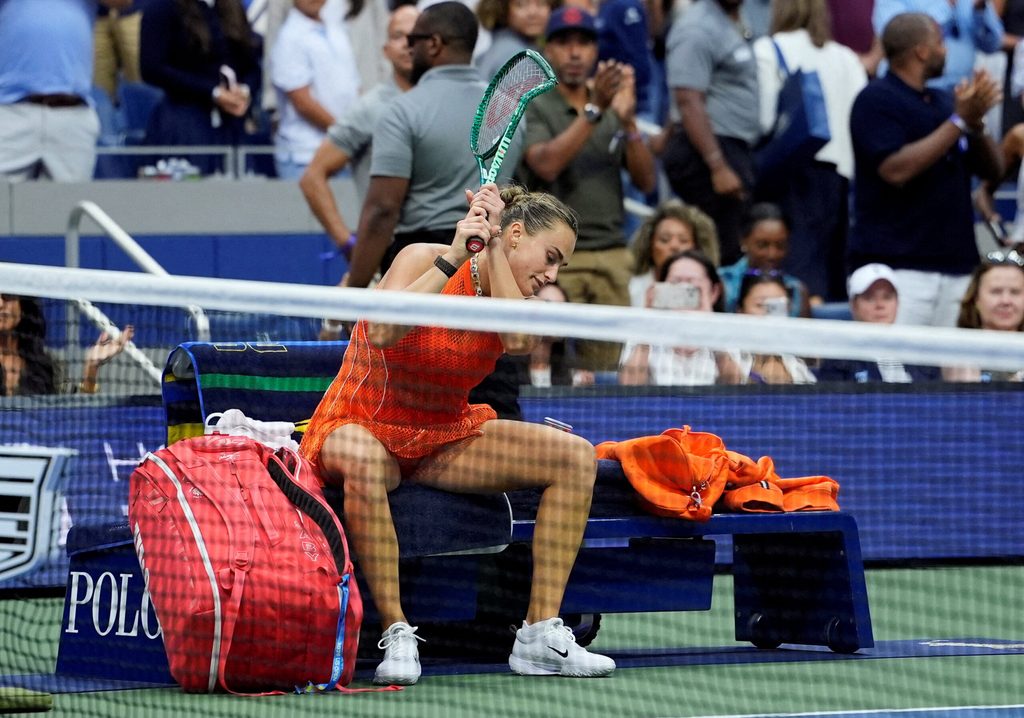
U.S. Open

Belarus’ Aryna Sabalenka smashes her racquet after losing her women’s singles final match against Kazakhstan’s Elena Rybakina in the US Open, at Arthur Ashe Stadium in Flushing Meadows, New York, on September 12, 2026. PHOTO BY EDUARDO MUNOZ/REUTERS
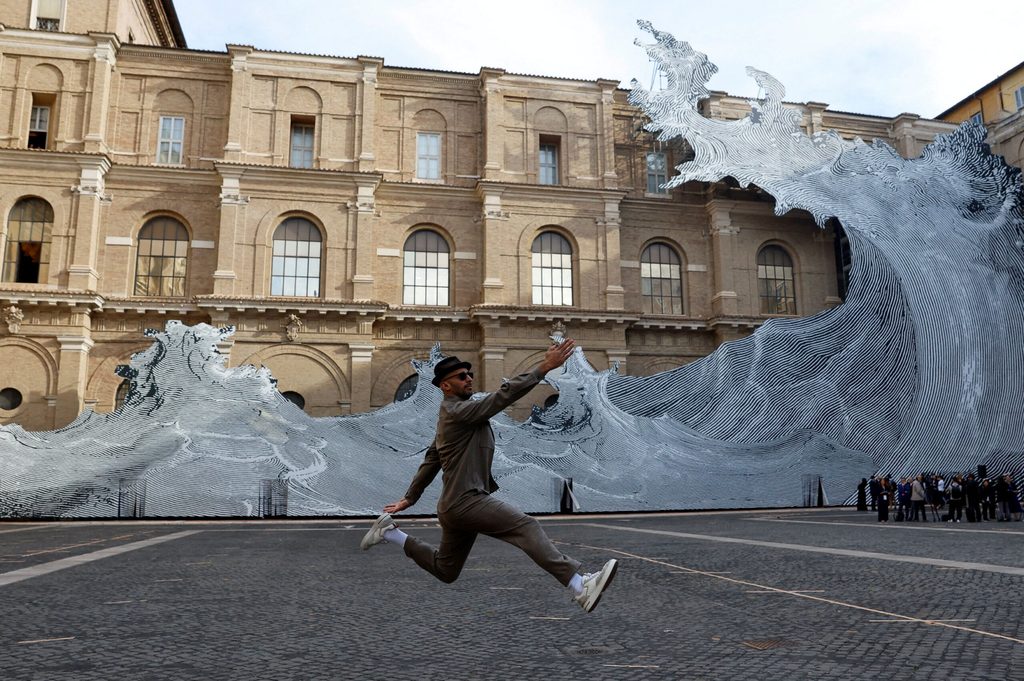
Pope Leo inaugurates the exhibition "AQVA - Catastrophe and Wonder", on his 71st birthday, at the Vatican

French artist JR performs one of his characteristic jumps as he poses in front of his installation ‘Diluvium’ ahead of a visit by Pope Leo to inaugurate the exhibition ‘AQVA – Catastrophe and Wonder’ at the Vatican Apostolic Library, on September 14, 2026. PHOTO BY VINCENZO LIVIERI/REUTERS

The 78th Primetime Emmy Awards in Los Angeles

Mariska Hargitay performs during the 78th Primetime Emmy Awards in Los Angeles, California, on September 14, 2026. PHOTO BY MARIO ANZUONI/REUTERS
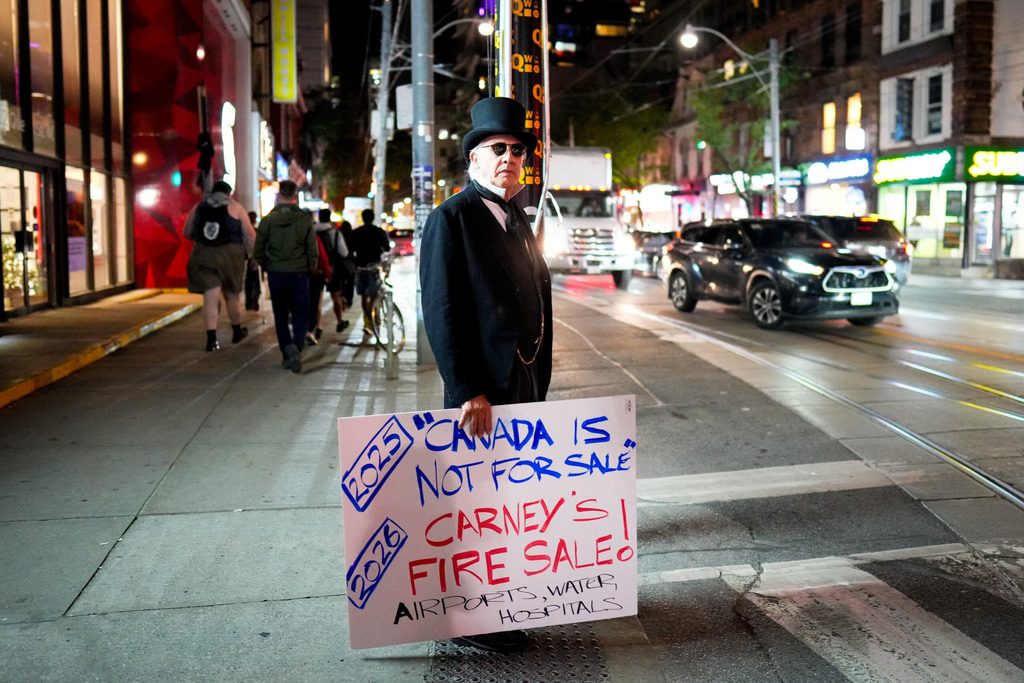
People protest on the day of the opening gala dinner of the Canada Investment Summit

A man holds a sign as he leaves a protest on the day of the opening night gala dinner of the Canada Investment Summit in Toronto, Ontario, Canada, on September 14, 2026. PHOTO BY ARLYN MCADOREY/REUTERS
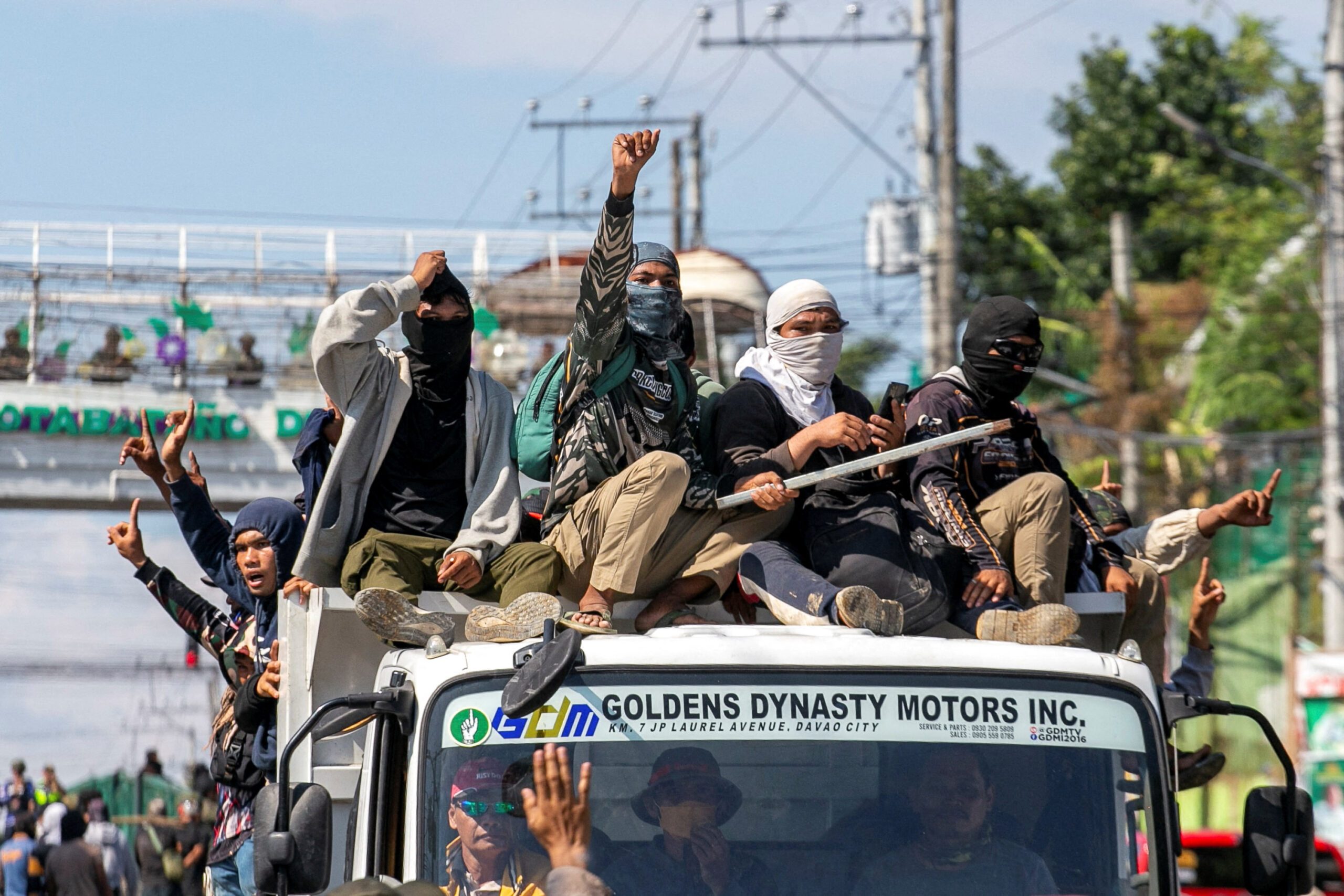
1st Bangsamoro Autonomous Region in Muslim Mindanao (BARMM) Parliamentary Elections

Supporters of a political group cheer after destroying a vehicle believed to contain firearms during the first parliamentary elections of the Bangsamoro Autonomous Region in Muslim Mindanao outside Sero Central Elementary School in Cotabato City on September 14, 2026. PHOTO BY MANMAN DEJETO/REUTERS
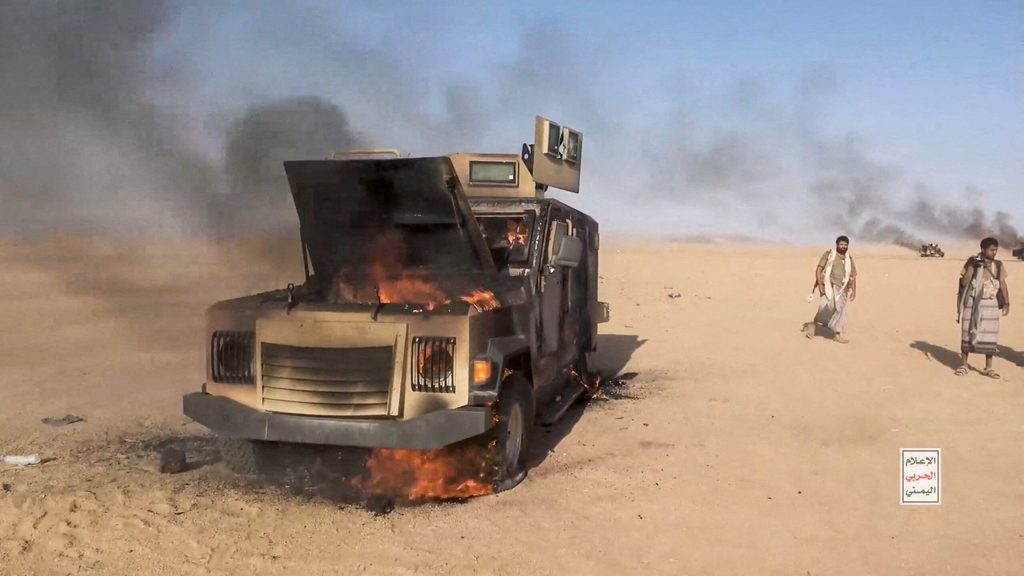
Battle between Iran-aligned Houthi fighters and Saudi backed forces in al Jawf governate

Iran-aligned Houthi fighters move next to a destroyed vehicle following what the source described as an attack on Saudi-backed forces in the location given by the source as al Jawf governorate, Yemen, on September 15, 2026. HOUTHI MILITARY MEDIA/HANDOUT VIA REUTERS
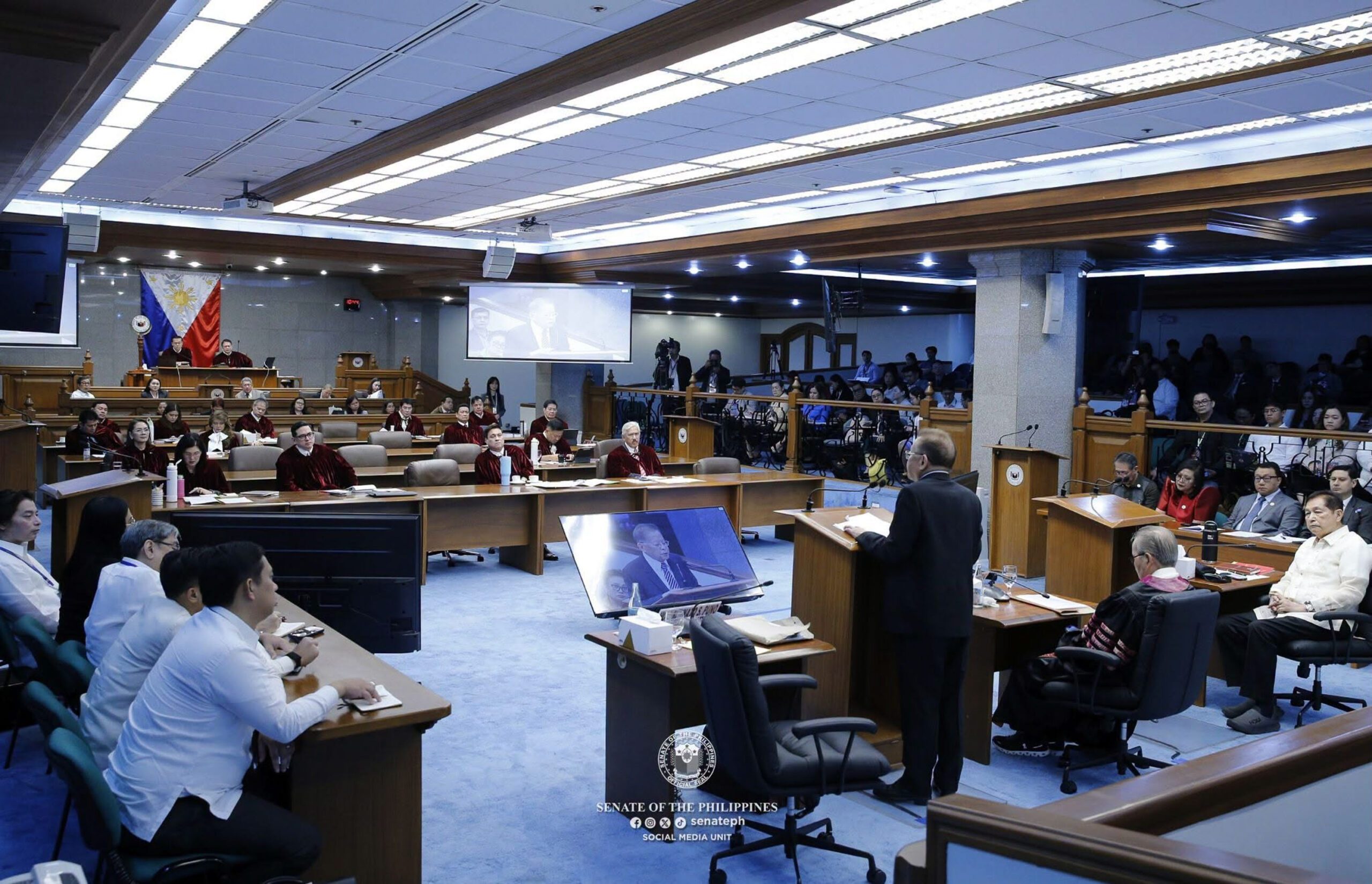
Impeachment trial voting threshold debate

Former Chief Justice Reynato Puno, appearing as amici curiae, gives his opinion on the conviction threshold debate in the impeachment trial of Vice President Sara Duterte on September 16, 2026. SENATE SOCIAL MEDIA UNIT
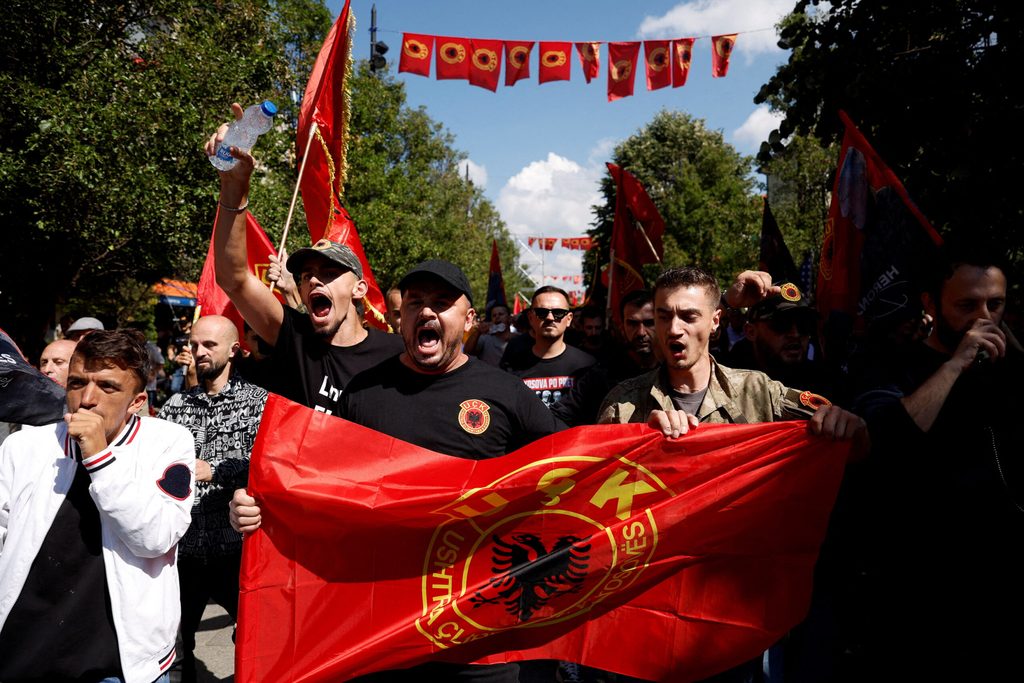
Protest after Kosovo's former President Thaci found guilty of war crimes

Supporters of former president Hashim Thaci protest in Pristina, Kosovo after he was found guilty of war crimes by the Kosovo war crimes tribunal in The Hague, Netherlands, on September 16, 2026. PHOTO BY VALDRIN XHEMAJ/REUTERS
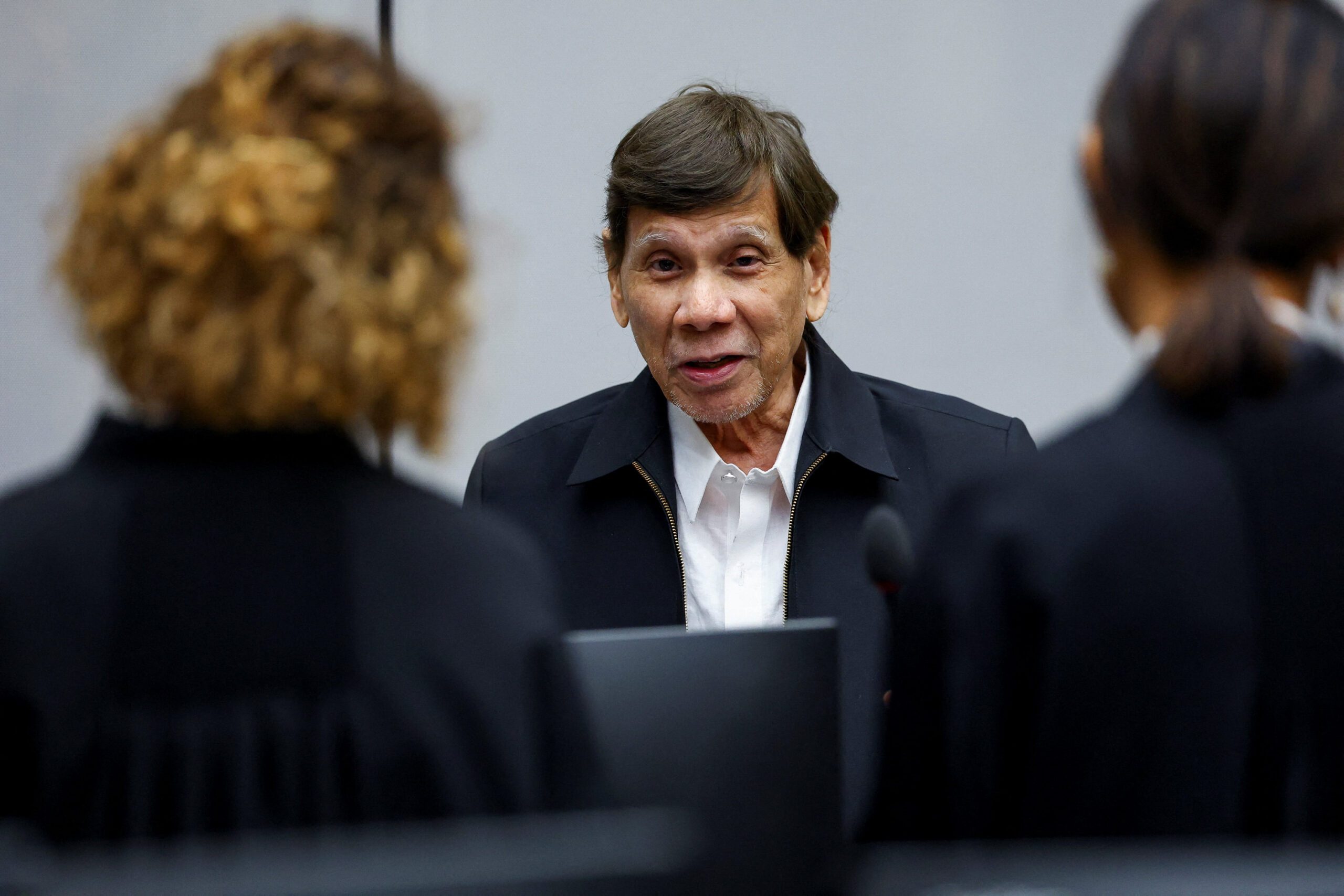
ICC procedural hearing to prepare for trial of former president Duterte

Former president Rodrigo Duterte appears before the International Criminal Court, as the court hears arguments regarding Duterte’s health and ability to stand trial, while he faces murder charges related to his war on drugs, in The Hague, Netherlands, on September 16 2026. PHOTO BY PIROSCHKA VAN DE WOUW/POOL VIA REUTERS
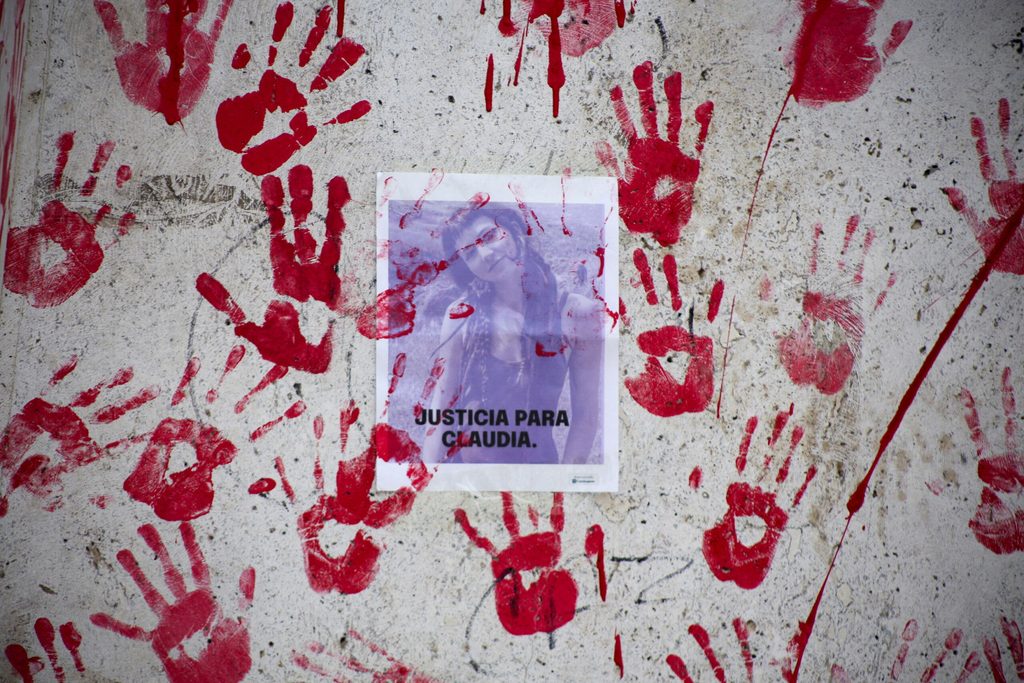
Demonstrators protest killing of Spanish exchange student in Mexico

A poster reading ‘Justice for Claudia’ is displayed on a monument marked with red handprints during a march to demand justice for Spanish exchange student Claudia Tacoronte, who was killed in Cuautla on September 12 while studying in Mexico as part of an academic exchange program with the University of Granada, in Cuautla, Mexico, on September 16, 2026. PHOTO BY MARGARITO PEREZ RETANA/REUTERS
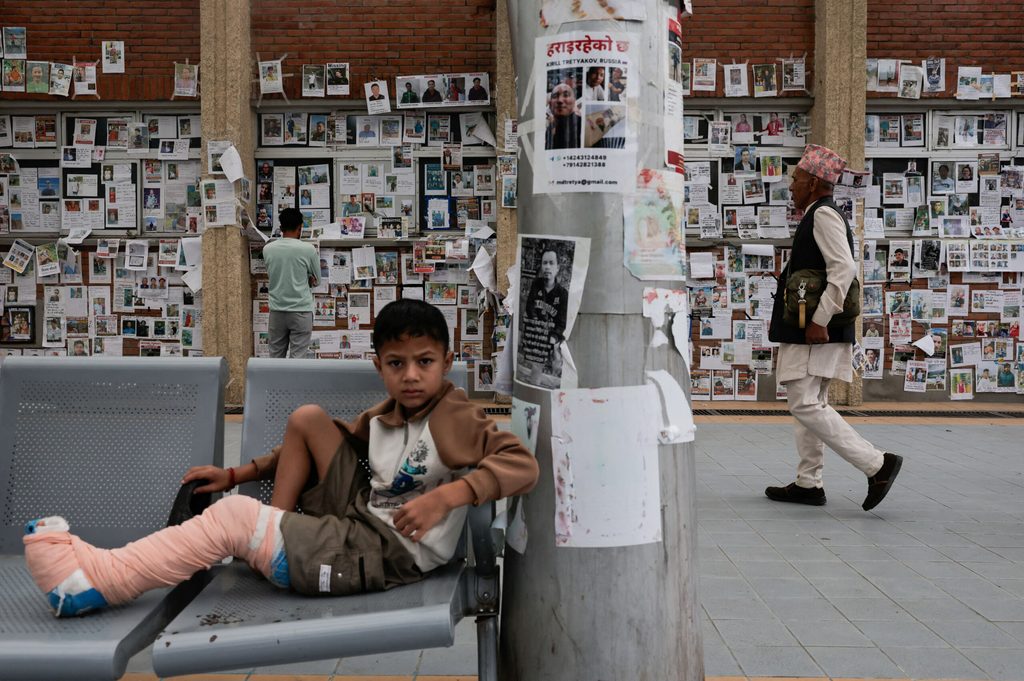
Aftermath of deadly flash floods and mudslide in Nepal

A boy with a leg in a plaster cast sits on a bench near photographs of missing people on a wall outside Tribhuvan University Teaching Hospital following the deadly flash floods and mudslide, in Kathmandu, Nepal, on September 16, 2026. PHOTO BY NAVESH CHITRAKAR/REUTERS
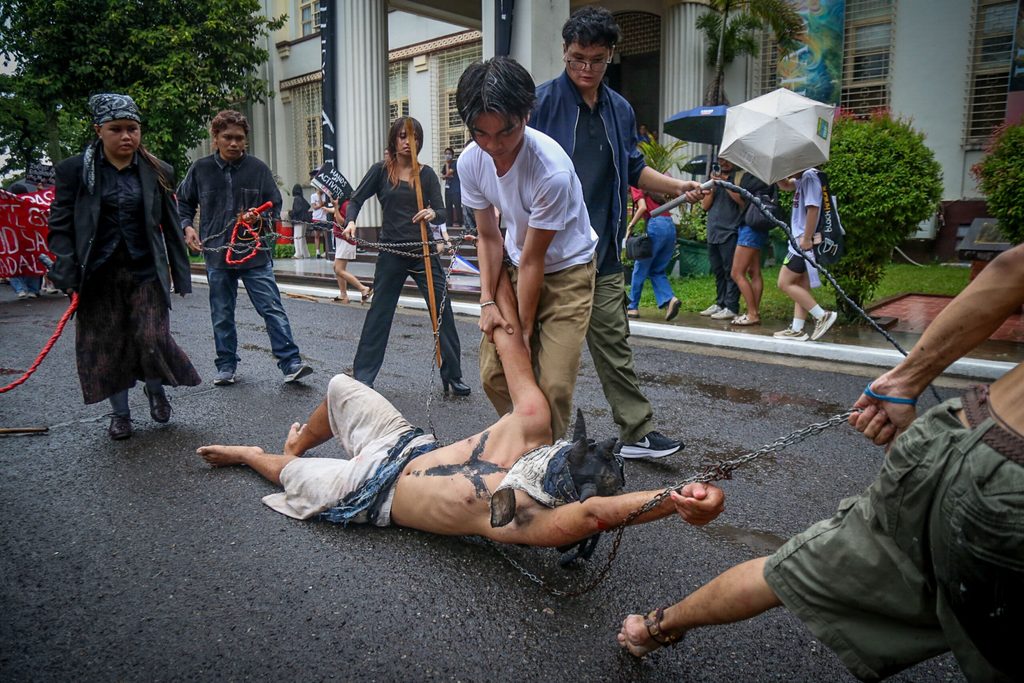
Martial Law commemoration exhibit at UP Cebu

Cultural activists stage a performance revisiting the history and experiences during Martial Law under Marcos Sr.’s dictatorial rule, at the opening of the 9th annual 1081 Exhibit at the University of the Philippines Cebu on September 16, 2026. PHOTO BY JACQUELINE HERNANDEZ/RAPPLER
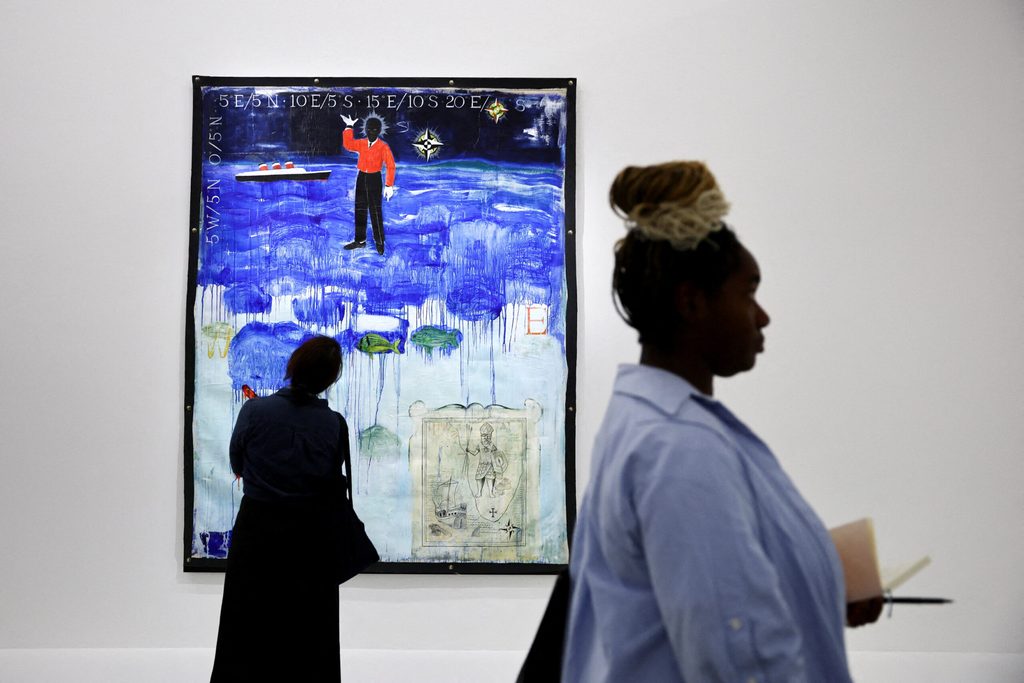
The exhibition "The Histories*" by Kerry James Marshall in Paris

A visitor looks at the painting ‘Terra Incognita’ (1992) during a press visit of the exhibition ‘The Histories*’ by artist Kerry James Marshall at the Musee d’Art Moderne de Paris in Paris, France, on September 17, 2026. PHOTO BY SARAH MEYSSONNIER/REUTERS
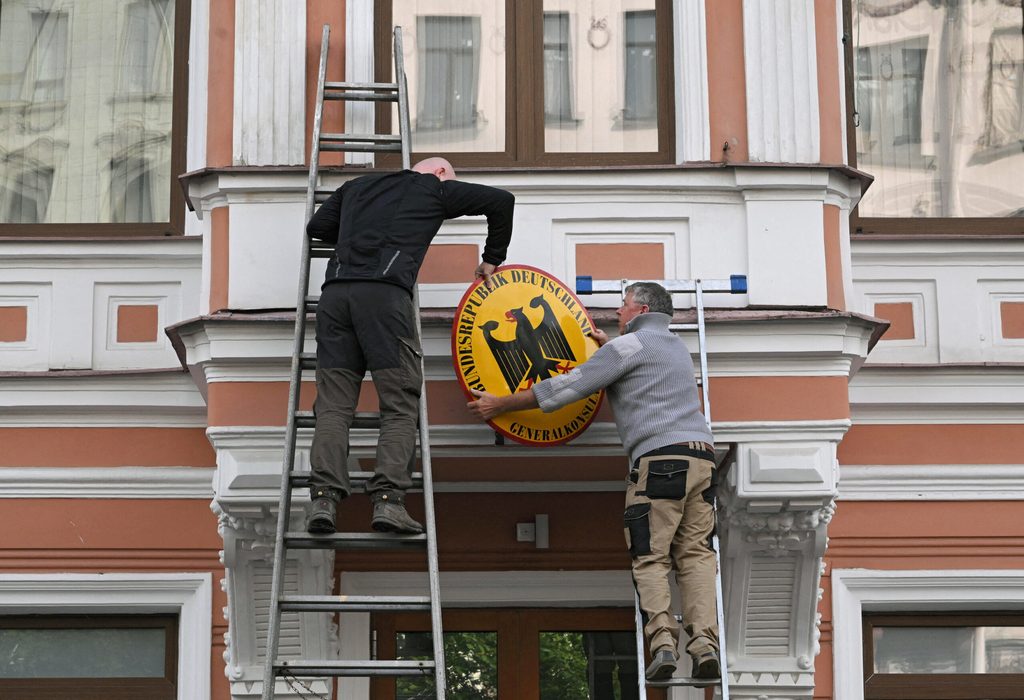
Russia closes German consulate in St. Petersburg

Worker remove a sign bearing the German federal eagle from the German Consulate-General after Moscow ordered its closure in retaliation for Berlin’s decision to close the Russian consulate in Bonn and a Russian cultural centre in Berlin, in Saint Petersburg, Russia, on September 17, 2026. PHOTO BY ANDREI BOK/REUTERS
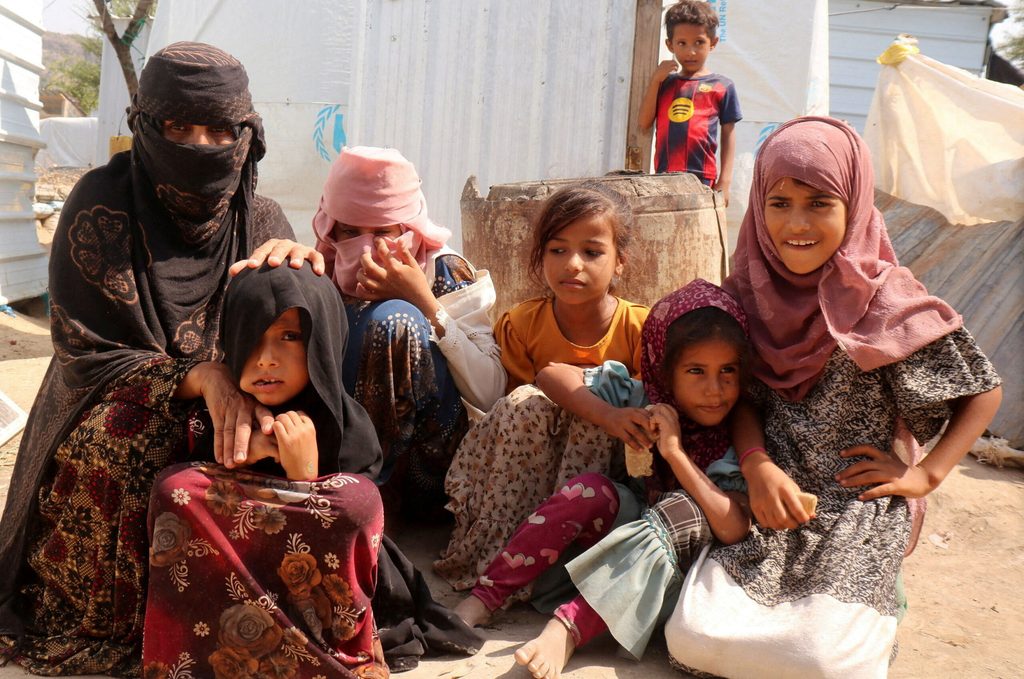
Displaced Yemenis flee fighting in Taiz, appeal for aid

Rawya Hassan, a mother of seven, sits with her children outside their hut at the al-Bireen camp for displaced people who fled fighting between the Houthis and forces of Yemen’s internationally recognized government in Taiz province, Yemen, on September 17, 2026. STRINGER PHOTO VIA REUTERS
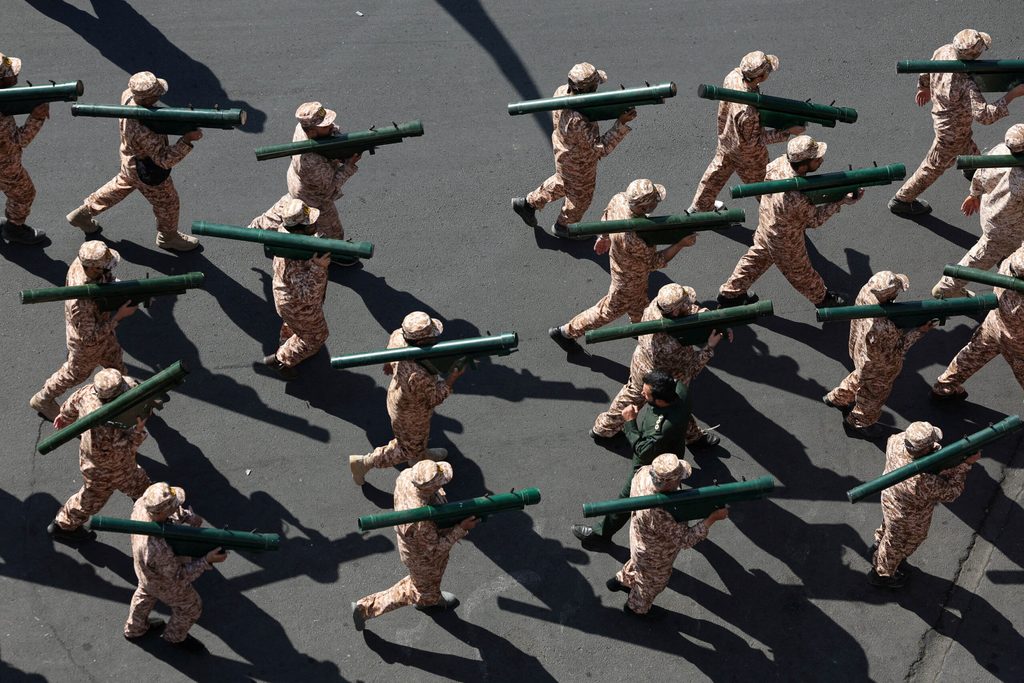
Military march in Tehran

Members of Iranian militia forces (Basij) attend a military march in Tehran, Iran, on September 18, 2026. PHOTO BY MAJID ASGARIPOUR/WANA VIA REUTERS

CCG rams BRP Datu Magat Salamat

A China Coast Guard ship (bow seen) cuts the stern and ‘intentionally rams’ the Bureau of Fisheries and Aquatic Resources vessel BRP Datu Magat Salamat near Abad Santos (Bombay) Shoal, within the Philippines’ exclusive economic zone, in the West Philippine Sea on September 18, 2026. SCREENGRAB FROM STATE MEDIA CHINA MILITARY BUGLE
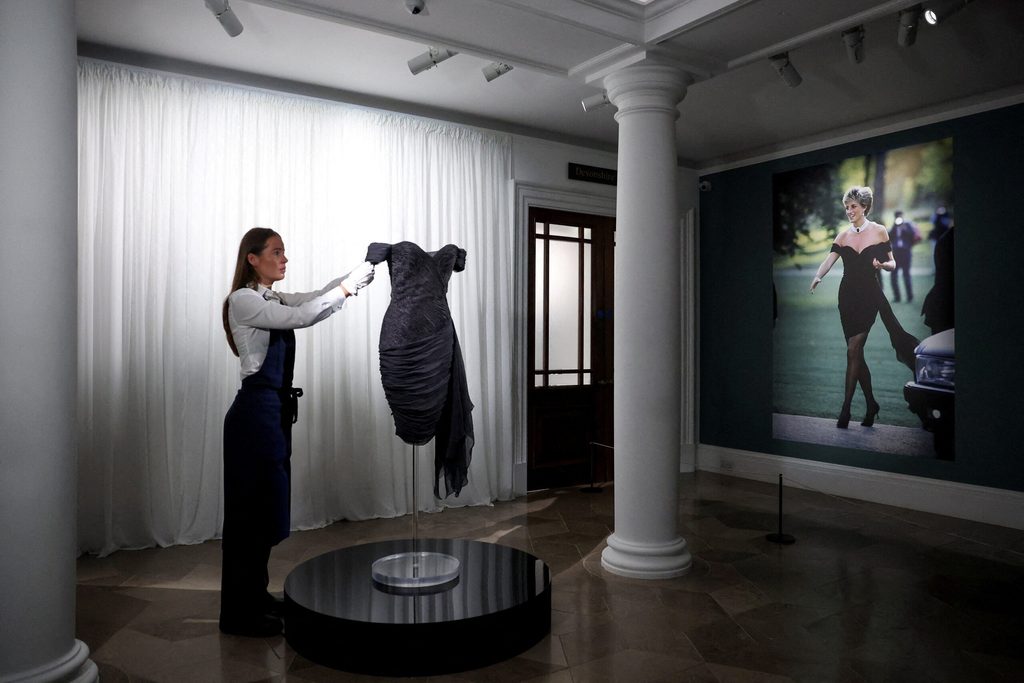
Princess Diana's 'revenge dress' displayed publicly for the first time in 30 years, in London

A Sotheby’s employee adjusts Princess Diana’s ‘Revenge Dress’ by Greek designer Christina Stambolian during a media preview, as it is displayed publicly for the first time in nearly 30 years ahead of its sale during Sotheby’s Luxury Week, in London, Britain, on September 18, 2026. The dress was worn by the Princess to a fundraising dinner at London’s Serpentine Gallery in 1994 on the night Charles, then Prince of Wales, admitted on television to adultery during their marriage. PHOTO BY TOBY MELVILLE/REUTERS

—with reports from Reuters/Rappler.com

Similar Posts

  • |

    South Korea pushes for US-North Korea talks after Trump cuts drills

    South Korea has called for renewed dialogue between the United States and North Korea after US President Donald Trump ordered a reduction in annual military exercises with Seoul. The South Korean government said it hopes Trump’s relationship with North Korean leader Kim Jong Un can help restart diplomatic engagement between Washington and Pyongyang. President Lee Jae Myung’s office said Seoul was ready to take diplomatic steps to encourage meaningful discussions. The goal, according to the presidential office, is to reduce tensions and promote peace and stability on the Korean Peninsula. The statement followed Trump’s decision to scale back US military exercises with South Korea. Trump said his decision was influenced by his relationship with Kim. In a social media statement, Trump argued that the exercises were expensive and could send an inappropriate or hostile message to North Korea. Trump also referred to the situation involving Iran while explaining his decision. He said he had recently asked the South Korean president whether Seoul wanted to participate in efforts concerning the denuclearisation of Iran, but that South Korea had declined. North Korea had not immediately issued a response to Trump’s announcement. Pyongyang has repeatedly criticised joint US-South Korean military exercises. North Korean authorities have previously described the drills as preparations for a potential invasion and warned that they could trigger a strong response. The latest developments come after President Lee proposed direct discussions with North Korea on Saturday. Lee called for both sides to abandon threats and begin talks aimed at formally ending the long-running conflict on the Korean Peninsula. He said discussions between the directly involved parties could also create an opportunity to explore measures aimed at stopping the expansion of North Korea’s nuclear capabilities. South Korea has long sought greater diplomatic engagement to reduce military tensions with its northern neighbour. However, negotiations between Washington and Pyongyang have remained stalled. Trump and Kim previously held high-level meetings, raising hopes of progress on North Korea’s nuclear programme. Those efforts ultimately failed to produce a lasting agreement. Analysts believe Trump’s latest decision could be intended to create conditions for renewed negotiations. However, they warn that North Korea may demand significant concessions before returning to the negotiating table. Leif-Eric Easley, a professor at Ewha University in Seoul, said Trump’s recent comments about Kim indicated a possible willingness to re-engage with North Korea. Easley also cautioned that Pyongyang has been strengthening its military capabilities while benefiting from its relationship with Russia during the war in Ukraine. He warned that reducing US-South Korean military exercises could create challenges for the alliance. It could also affect coordination between the two militaries and slow South Korea’s efforts to assume greater responsibility for its own defence. The professor further argued that a reduction in military preparedness could weaken deterrence against potential conflicts in the wider Asian region. South Korea now faces the challenge of balancing diplomacy with military preparedness. Seoul wants to use the current opening for dialogue while maintaining security cooperation with Washington.

  • |

    Modi says he forgives students over protest slogans

    Indian Prime Minister Narendra Modi has said he forgives students who shouted abusive slogans against him during last month’s nationwide demonstrations, describing them as “misled children” who should be guided instead of punished. Speaking in a video message, Modi said the protesters had used offensive language against him and his late mother during the demonstrations. Despite that, he said he did not want young people to face legal action or social persecution, stressing that they should be shown the “right path” rather than dragged into lengthy court proceedings. The protests emerged after controversy surrounding the National Eligibility cum Entrance Test (NEET), one of India’s largest competitive examinations. The movement gained momentum after the exam was cancelled because of a paper leak, forcing more than two million students to retake the test. What began as an online campaign for education reforms quickly developed into a nationwide protest movement, drawing thousands of students onto the streets. The demonstrations eventually ended after the Indian government accepted several key demands, including the resignation of the education minister. Authorities also announced that criminal cases against protesters would not be pursued. However, reports indicate that police in several states later registered cases against hundreds of demonstrators, particularly those accused of clashing with security personnel or participating in protests where anti-government slogans were raised. The development has sparked criticism from opposition parties and student groups, who argue that it contradicts the government’s earlier assurances. The protests were accompanied by clashes between demonstrators and security forces in several cities. In New Delhi, police used tear gas, baton charges and other crowd-control measures to stop protesters attempting to march towards parliament. Some student activists have also alleged that participants, particularly female protesters, became targets of online harassment and threats on social media following the demonstrations. Rights advocates have expressed concern over the growing hostility directed at student activists during the protest movement. The opposition has intensified pressure on the government, demanding accountability for the police response to the demonstrations. Critics have also questioned the continued registration of cases against protesters despite earlier commitments to withdraw legal action. Meanwhile, the Indian government has introduced legislation aimed at strengthening laws against examination fraud. The proposed bill seeks tougher penalties, including longer prison terms and heavier fines, for those involved in examination paper leaks.

  • | | | | |

    Iran claims strike on Amazon data center in Bahrai…

    TEHRAN/MANAMA: Iran has claimed that it targeted an Amazon data center in Bahrain in what it described as part of its ongoing retaliatory campaign against the United States, marking a dramatic new allegation that could further heighten tensions across the Middle East. According to Iranian state media, the Islamic Revolutionary Guard Corps (IRGC) said the operation targeted an Amazon facility that it alleged was providing information and technological support to the US military. Iranian officials claimed the installation was successfully struck and destroyed during the operation. However, the statement was not accompanied by any evidence, satellite imagery, or operational details to substantiate the claim. As of Friday, no independent organization had verified that an attack had taken place or confirmed any damage to the reported facility. Neither Amazon, the Bahraini government, nor US officials had issued an official response by the time of publication. There has also been no confirmation from independent monitoring groups regarding the alleged strike or its potential impact. The claim comes amid rapidly escalating tensions between Iran and the United States, with both sides exchanging accusations over recent military operations in the region. Tehran has repeatedly warned that any military bases or strategic facilities used by Washington for operations against Iran would be considered legitimate targets for retaliation. Iranian officials reiterated that stance following the latest announcement, saying that infrastructure allegedly supporting US military activities could face further attacks if hostilities continue. Security analysts say the claim is particularly significant because it involves a major global technology company rather than a conventional military installation. If independently verified, it would represent one of the first publicly acknowledged cases in which Iran has declared a large international technology facility as the target of a military operation. Experts also cautioned that the absence of independent verification makes it impossible to determine whether the reported strike occurred or whether the alleged target sustained any damage. They noted that governments involved in conflicts often release competing narratives, making external confirmation essential before drawing conclusions. The latest claim underscores the growing overlap between military conflict and critical digital infrastructure, raising fresh concerns about the security of data centers and technology assets in regions experiencing geopolitical instability. For now, the reported attack remains an unverified Iranian claim, with the international community awaiting official responses and independent assessments to establish what, if anything, occurred on the ground.

  • | |

    Indian activist Sonam Wangchuk says he remains ali…

    Indian activist Sonam Wangchuk says he has lost 11 kilograms during a 26 day hunger strike but remains alive, as his protest continues to fuel a wider youth movement demanding education reforms in India. Wangchuk, known widely as Sonam sir, has become the central figure in a youth led campaign organized by the Cockroach Janta Party, which is calling for sweeping education reforms and the resignation of Education Minister Dharmendra Pradhan. He was removed from the group’s protest site at Delhi’s Jantar Mantar on Saturday and taken to a hospital, where he has continued his fast. Despite his removal from the demonstration site, thousands of supporters have kept returning to Jantar Mantar, even after a heavy handed police response to a march toward parliament earlier in the week left numerous protesters and police officers injured. That crackdown has intensified public anger and energized opposition parties, creating a growing political challenge for Prime Minister Narendra Modi’s government. Modi has not addressed the protests directly or met with demonstrators, but he issued a statement on social media that many interpreted as an effort to connect with students angered by repeated leaks of exam papers. He wrote that the welfare of the country’s youth matters above all else and said the government would establish fast track courts to deliver swift punishment for those responsible for the leaks. A spokesperson for the Cockroach Janta Party, Ashutosh Ranka, responded that the government’s plan addressed the aftermath rather than the root cause, saying the movement wants to know why the leaks keep happening and who profits from them. He indicated in a video statement that protesters intend to continue their campaign until their demands are met. Even though Wangchuk is no longer physically present at the protest grounds, his fast has become a symbolic centerpiece of the movement, with demonstrators displaying placards and artwork referencing his hunger strike. Before he was hospitalized, he spent 21 days enduring intense summer heat while consuming only salt and water. Medanta Hospital in Gurugram said in a statement that Wangchuk was admitted to intensive care and is being monitored by a team of specialists. The hospital described his condition as stable and said his vital signs remain within normal ranges, adding that all treatment is being given with his consent. On Wednesday, senior figures including Cockroach Janta Party founder Abhijeet Dipke, along with opposition lawmakers, activists and public personalities, again urged Wangchuk to end his fast. Health Minister JP Nadda, who visited the hospital on Tuesday night, said he too had asked the activist to stop and rejoin efforts to guide young people, adding that the government remains willing to discuss the issues he has raised. Wangchuk has so far rejected these appeals. In a video statement recorded from his hospital bed on Wednesday night, he said he wants to end his fast because his work matters to him, but added that he would only do so once the government guarantees no force or retaliation will be used against students. He said he would end the strike immediately if that assurance comes, and would continue if it does not. He also praised the students involved in Monday’s confrontation with police, saying they showed remarkable composure even while being beaten with sticks, and said their restraint under pressure led him to keep going with his fast. Neither Wangchuk’s latest statement nor an earlier letter he sent to government ministers he met on Tuesday mentioned Pradhan’s resignation directly, though the Cockroach Janta Party maintains that the demand has not changed. Dipke told supporters that the protest at Jantar Mantar will continue until Pradhan steps down, and said the movement would not let Wangchuk’s sacrifice or the injuries suffered by students go without result. The standoff reflects a broader pattern seen in past protest movements across South Asia, where a single high profile figure’s personal sacrifice becomes a rallying point that sustains momentum long after the initial spark fades. Hunger strikes in particular have a long history in Indian political life as a tool for applying moral pressure on governments, dating back to independence era activism, and their effectiveness often depends on sustained public attention and the government’s willingness to negotiate before a health crisis forces the issue. As the standoff continues, the government faces mounting pressure to address both the immediate demand for accountability over exam paper leaks and the broader question of how education policy is managed, while doctors continue to monitor Wangchuk’s condition inside the hospital.

  • |

    Fifty UK police chiefs urge prime minister to halt early release of PC Harper’s killers

    Fifty police chiefs from across the United Kingdom have sent a joint letter to Prime Minister Andy Burnham, urging the government to exhaust every legal avenue to prevent the early release of the teenagers convicted in the 2019 death of PC Andrew Harper. PC Harper, a 28-year-old Thames Valley Police officer, died after being dragged behind a getaway car following a quad bike theft in Berkshire. Two of the men convicted of his manslaughter, Jessie Cole and Albert Bowers, were sentenced to 13 years in 2020. Under recent legislative changes to manage severe prison overcrowding, both men are due to become eligible for release in January after serving half their sentences. The intervention by police chiefs across England, Scotland, Wales, and Northern Ireland supports Burnham’s recent declaration that he is confident a legal resolution can be found to halt their discharge. In Downing Street, officials reiterated that the government intends to do everything within its power to block the early release. Beyond the specific case, the letter highlights broader concerns regarding public safety, victim impact, and officer morale. The police chiefs argued that reducing sentences for individuals involved in the deaths of emergency service personnel undermines the perceived sacrifice of officers who put themselves in harm’s way to protect the public. The police leaders called on the government to mandate explicit public protection reviews before amending release terms for offenders convicted of serious violence or causing death, while also ensuring bereaved families are formally consulted whenever significant sentencing changes are implemented.

  • | |

    Iran pressures Gulf allies to rein in Trump, threa…

    Iran has launched an intensive diplomatic campaign targeting Gulf states, warning them directly that Tehran will strike their oil, power and water facilities unless they persuade President Donald Trump to halt US military action and pursue a negotiated end to the war instead. According to a senior Iranian official, the warning covers potential attacks on energy facilities, oil fields, refineries, electricity grids, water systems, transport networks and other strategic infrastructure belonging to Washington’s closest Arab partners in the region. The message formed part of a wider Iranian strategy to discourage further American military action by raising the specter of significant economic damage across the Gulf. Sources familiar with the matter said the warning traveled through a wave of high level diplomatic contacts following Trump’s July 28 threat to strike Iran’s energy network and broader infrastructure. Two senior Iranian officials, two Gulf sources and a senior regional diplomat, all speaking on condition of anonymity given the sensitivity of the discussions, said Iranian Foreign Minister Abbas Araqchi held conversations with his Saudi, Turkish and Qatari counterparts as well as Pakistan’s army chief. The senior diplomat said Araqchi pressed Washington’s Gulf allies to use their influence with Trump to head off renewed strikes, cautioning that any attack on Iran would trigger retaliation against American assets and critical infrastructure throughout the Gulf. The diplomat said Araqchi delivered a consistent message in each conversation, expressing readiness to retaliate while stressing that a diplomatic solution offers the best chance of avoiding wider regional destruction. One Gulf source described the Iranian position as unambiguous, saying Tehran made clear that any American strike on Iranian infrastructure would draw retaliation against Gulf energy facilities and other regional targets. The campaign illustrates how Iran is attempting to convert Gulf vulnerability into diplomatic leverage, presenting regional governments with the prospect that a renewed confrontation between Washington and Tehran could put the infrastructure their economies depend on directly at risk. Saudi Crown Prince Mohammed bin Salman subsequently spoke with Trump directly, urging him to hold off on military action, return to the negotiating table, pursue a ceasefire and seek a diplomatic resolution, according to the senior diplomat and Gulf sources. Another Gulf source said the warning was meant for every Gulf state but traveled primarily through Saudi Arabia and Qatar, both of which have rebuilt ties with Iran in recent years after a long period of regional rivalry. Qatar, Oman and Saudi Arabia have each urged Washington to resume talks with Tehran and prevent a fresh round of conflict, with Iran cautioning that further strikes could turn the region into what one Iranian official called a fireball. On August 2, Trump said he had agreed to call off a planned attack on Iran, provided a deal could be reached quickly. Concerns over wider escalation A Gulf source said Saudi Arabia believes additional escalation would only cause further destruction, explaining why Riyadh pushed Trump to give diplomacy more room to work. At the same time, Saudi officials made clear the kingdom would defend itself if directly threatened, with a second Gulf source saying Riyadh warned that any strike on Saudi territory would draw a military response of its own. Ali Shihabi, a Saudi analyst with ties to the royal court, said the kingdom’s assessment holds that further escalation is unlikely to produce the outcome Washington wants. He said Saudi officials believe a mix of proportionate military responses combined with sustained pressure on Iran around the Strait of Hormuz offers the most realistic route toward a workable diplomatic settlement. Iran’s clerical leadership has repeatedly called for the closure of US military bases across the Gulf and urged Gulf Arab states to stop sharing intelligence with Washington, which Tehran believes has enabled strikes against Iranian targets. Shihabi noted that memories of the September 2019 drone and missile strikes on Saudi Arabia’s Abqaiq and Khurais oil facilities still shape regional thinking, since that attack temporarily cut more than half the kingdom’s crude output and exposed how vulnerable Gulf energy infrastructure remains. A separate Iranian official reiterated that any damage inflicted on Iran would be met with far greater retaliation, again citing power grids and refineries among potential targets. From Tehran’s perspective, the senior Iranian official said, Trump now confronts two difficult options: escalate a conflict that risks engulfing the wider Gulf and disrupting global energy markets, or accept a negotiated settlement that falls short of the decisive win Washington has sought. The senior regional diplomat identified Washington’s reluctance to let Tehran claim any form of victory as one of the central obstacles blocking an agreement, noting that American officials want tangible proof they prevailed in the conflict.

Leave a Reply

Your email address will not be published. Required fields are marked *