first draft cop31
| | |

First draft of COP31 deal signals tough negotiations to come

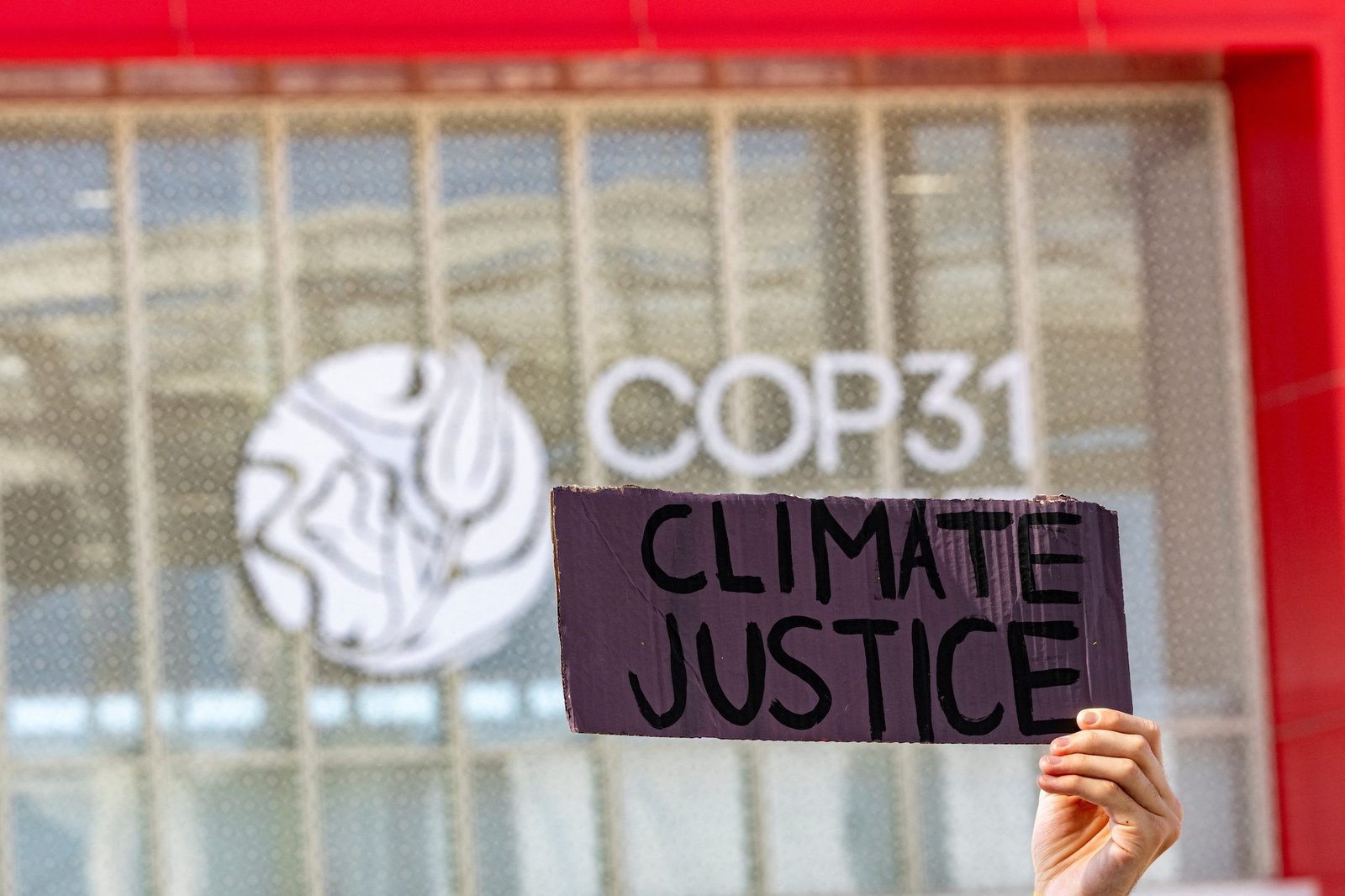
ANTALYA, Turkey – Negotiators at COP31 talks in Turkey published a draft deal text on Monday, November 16, to drive debate and try to narrow the gaps between countries over fossil fuels and climate financing ahead of an end-of-week deadline to forge a final agreement.

The stakes are high after a year of global warming that has caused wildfires in Europe and a deadly glacier melt in Nepal, while political will for action is undermined by other crises, including wars and the rising cost of living.

Australia’s Chris Bowen, who is leading negotiations under a split presidency arrangement with Turkey, said Monday’s 18-page draft contained clauses that some nations have already rejected.

“Frankly, if we only talk about what we all agree on…at this point so early in the process it would be pretty short document,” Bowen told a press conference.

“We need to move the dial, which means having the conversation about things where parties currently don’t quite see eye to eye to help bring them closer to agreement in coming days,” he said.

The annual UN climate talks, taking place this year in the Mediterranean city of Antalya, which began on November 9, are seeking consensus from almost 200 nations on issues including the future of fossil fuels, funding for developing nations, and how to respond to scientific warnings about rising global temperatures.

The official deadline for a deal is Friday, November 20, but previous UN conferences have regularly run past deadline, sometimes by days.

Fossil fuels phaseout fight

A UN report last month said the world is already on course to exceed the 1.5 degrees Celsius (2.7 degrees Fahrenheit) warming threshold, a level scientists say should limit the worst effects of climate change.

The draft contained two sets of phrasing around fossil fuels — the main source of greenhouse gas emissions.

One reiterated wording agreed in 2023 around “transitioning away” from their use, and another more ambitious clause talked about their “phaseout.” Both could be omitted from a final deal.

“It’s one of the many elements where there’ll be strong feedback. Will it look exactly like it does in the draft? No. Is it appropriate that there’s a conversation about fossil fuels in the draft? Absolutely,” Bowen said.

The draft also flagged divergent opinions on a target put forward by Turkey to increase electricity’s share of global energy consumption to 35% by 2035, and how much wealthy nations should provide to help poorer ones adapt to climate change.

Cosima Cassel, Programme Lead, Climate Diplomacy & Geopolitics at environmental think tank E3G, said the preliminary draft was very long.

“The approach looks to be putting it all in and letting parties fight for the trade-offs. The test will be whether the final decision keeps the core elements once that process plays out,” she said

Limited support for AI pledge

Outside the negotiations, COP31 host Turkey launched an artificial intelligence pledge to try to rally support for a voluntary agreement that the technology must be developed sustainably and become part of the solution to global warming.

Concern has mounted among climate activists that the rapid buildout of data centers will add to the problem of rising greenhouse gas emissions, as well as pressuring land, water and mineral resources and increasing power bills.

“Industry and technology must be part of the climate solution,” COP31 President Murat Kurum said.

“At the same time, we need to ensure that the rapid growth of AI is powered and deployed responsibly and used for the benefit of climate actions.”

So far, only nine of the nearly 200 countries represented at the talks have signed up to the AI pledge. – Rappler.com
Similar Posts

  • |

    Bangladesh seeks India’s clarification over Hasina speech

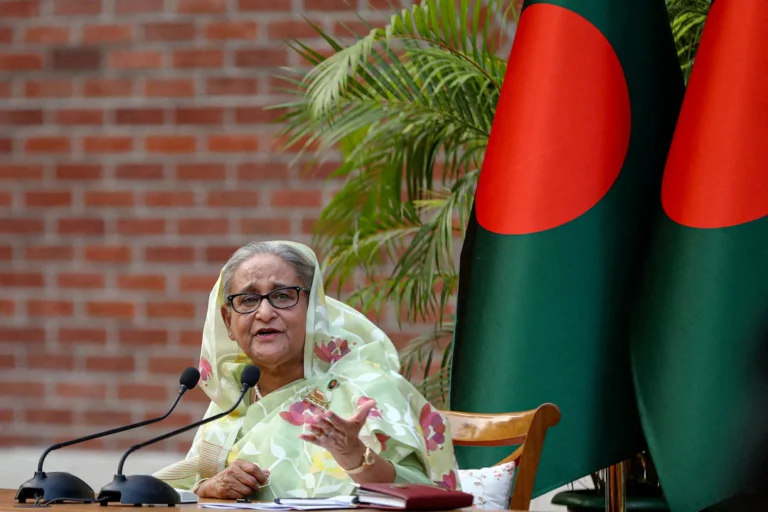
    DHAKA: Bangladesh has asked India to clarify its position over a planned virtual address by former prime minister Sheikh Hasina, saying political activities by a fugitive could undermine efforts to improve relations between the two neighboring countries. The request comes ahead of an event scheduled for August 5 in New Delhi, where Hasina is expected to deliver a video address alongside her son, Sajeeb Wazed Joy, during a programme organized by the Foreign Correspondents’ Club of South Asia. Bangladesh’s State Minister for Foreign Affairs Shama Obaed Islam said Dhaka is committed to strengthening ties with India but believes New Delhi should clearly explain its stance regarding political activities by individuals wanted by Bangladeshi authorities. She said Bangladesh has repeatedly expressed concerns over Hasina and other leaders of the Awami League making political statements while residing in India. According to the minister, Dhaka does not want such activities to negatively affect the progress made in bilateral relations. The minister noted that the event is not being organized by the Indian government but added that Bangladesh is prepared to raise the matter through diplomatic channels if required. India’s Ministry of External Affairs had not issued an official response to the remarks at the time of reporting. Relations between Bangladesh and India have remained under strain since Hasina left Bangladesh in August 2024 following a student-led uprising that ended her tenure in office. Although both countries have recently indicated a willingness to rebuild diplomatic engagement, the issue of Hasina’s stay in India continues to be a sensitive matter. Bangladesh has formally requested Hasina’s extradition to face legal proceedings. In 2025, she was sentenced to death in absentia over crimes against humanity linked to the 2024 crackdown on anti-government protests. Hasina has rejected the verdict, describing it as politically motivated and without legal validity. Despite the legal cases against her, Hasina has said she intends to return to Bangladesh in the future, while her planned virtual appearance has once again brought the issue of her presence in India into the diplomatic spotlight.

  • |

    Oil tanker attacked off Oman coast

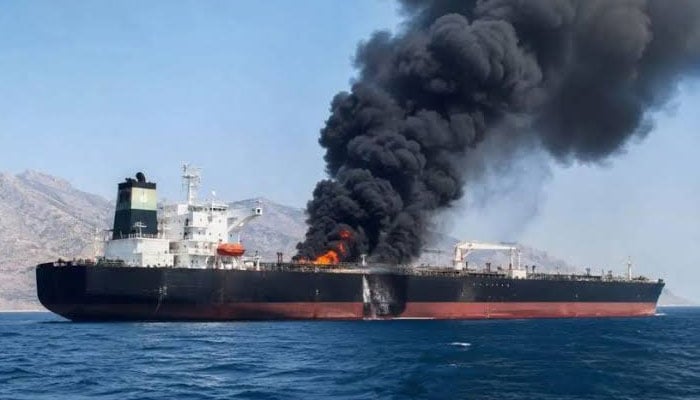
    An oil tanker came under attack from an unidentified weapon off the coast of Oman, according to the United Kingdom Maritime Trade Operations (UKMTO). The incident occurred around 11 nautical miles northeast of Lima, UKMTO said. The attack damaged the vessel’s engine room, leaving the tanker unable to maintain control of its movement. Authorities have not yet identified the weapon used in the attack or determined who was responsible. No deaths or injuries have been reported in connection with the incident. Maritime authorities continue to monitor the situation and assess the circumstances surrounding the attack. The incident has raised fresh concerns over maritime security in the region, which is a key route for international oil and commercial shipping. Vessels operating in and around the Gulf of Oman have previously faced security threats, prompting increased vigilance among shipping companies and maritime authorities. The tanker’s crew is understood to be safe, while efforts are underway to assess the extent of the damage and determine whether the vessel can resume its voyage. Further details about the tanker, including its flag and cargo, have not been disclosed. UKMTO and other maritime security agencies are continuing to gather information about the incident. Investigations are expected to focus on identifying the nature of the weapon used and establishing whether the attack was deliberate, as authorities work to determine the circumstances surrounding the latest maritime security incident.

  • | |

    Iran’s parliament backs bill criminalizing c…

    Iran’s parliament approved the general framework of a bill Sunday that would make it a crime to give interviews or engage in other communication with media outlets considered hostile to the Islamic Republic, including American or Israeli outlets and any media funded by either country, according to Iran’s Shargh newspaper. Osman Salari, a member of parliament’s judicial and legal commission, said individual provisions within the bill, which aims to counter what officials describe as foreign intelligence influence, still require separate debate and approval. He told the Mizan news agency that details reported so far about the bill should not be treated as final. Under the proposed legislation, interviews or participation in discussions with media deemed hostile would be banned outright, with violations carrying prison terms ranging from six months to two years. Interviews with other foreign media outlets would require advance notification to the intelligence ministry, while any contact with foreign embassies, offices of foreign organizations or other non Iranian institutions, conducted without notification and written permission from the foreign ministry, would draw fines and the loss of certain social rights. The bill would also increase penalties for economic crimes carried out under the direction or supervision of foreign actors, prohibit sharing information with foreigners without intelligence ministry approval, and limit scientific cooperation with foreign institutions to those on an approved list. It would further criminalize policy or legislative proposals made under the direction of foreign intelligence services if such proposals are found to harm Iran’s security or independence, with penalties reaching up to 30 years in prison. Cases brought under this provision would fall under the jurisdiction of Iran’s Revolutionary Courts. Parliament will now review the bill article by article. Once lawmakers approve a final text, the legislation must still pass review by the Guardian Council before it can take effect as law. This is not the first time Iran has moved to criminalize cooperation with foreign entities. A law passed in 2025, following a 12 day war with Israel, introduced harsher penalties for alleged cooperation with hostile states. Earlier this month, Iranian photojournalist Yalda Moaiery was sentenced to 15 years in prison under that law over accusations that included giving interviews to media considered hostile and supplying photographs to organizations linked to the United States and Israel.

  • | |

    US commander warns troops over social media posts

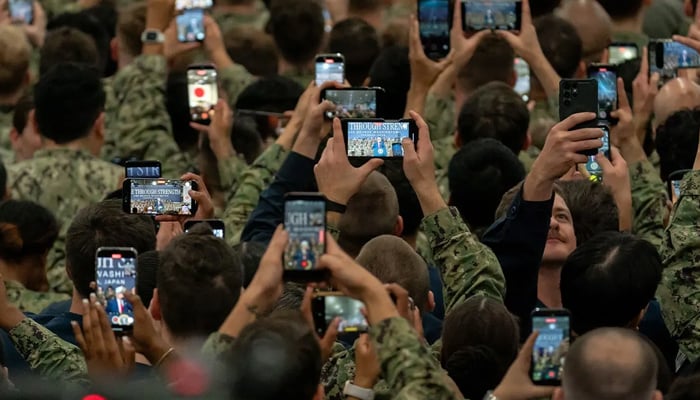
    The top US military commander overseeing American forces in the Middle East has warned troops that photos and videos shared on social media could help Iran quickly assess the damage caused by attacks on US bases. According to Reuters, US Central Command chief Admiral Brad Cooper made the warning in a July 28 letter to service members. He said Iran was using media reports, along with images and videos posted by US troops, to determine whether its attacks had succeeded or failed. Cooper urged military personnel to follow operational security rules more strictly, although he did not outline any specific measures in the letter. Reuters reported that some US troops stationed in Jordan have been told that authorities could take away their mobile phones in the coming days. Another source said officials were also considering similar measures elsewhere in the region, although no final decision has been made.   US Central Command spokesman Captain Timothy Hawkins said the message aimed to remind troops about the importance of operational security. The warning followed the appearance of a video on social media earlier this month that showed a US service member recording himself while heading toward a bunker during an Iranian attack on Jordan’s Muwaffaq Salti Air Base. Cooper said the soldier recorded the video using Meta smart glasses, potentially giving Iran information about the troops’ location and their response to the attack. He said that without publicly available images, videos and reports, Iran would have a harder time determining whether its strikes hit their intended targets. However, such material can effectively provide Iran with a free assessment of battlefield damage. According to Reuters, 18 US service members have been killed and more than 600 injured since the conflict with Iran began on February 28. The US Department of Defense has limited the release of information about the attacks and military casualties due to security concerns.

  • | | |

    Pakistan Independence Day celebrated at New York C…

    NEW YORK: Pakistan’s Independence Day was celebrated at the historic New York City Hall this year in a landmark event highlighting the growing presence and contributions of the Pakistani-American community. The ceremony marked the first time that Pakistan’s Independence Day celebrations were held inside New York City Hall, making it a notable occasion for the Pakistani diaspora and a significant moment in Pakistan-US community relations. The event was jointly organised by New York City Council Speaker Julie Menin and Council Member Linda Lee, with support from the American Pakistani Advocacy Group (APAG). Pakistan’s Consul General in New York, Aamer Ahmed Atozai, addressed the gathering and praised APAG and the participating elected representatives for their efforts in arranging the historic celebration. He described the event as a proud and memorable moment for Pakistani-Americans and said holding the ceremony at City Hall reflected the organisers’ strong connection with Pakistan. A large number of Pakistani-Americans, elected officials, community representatives and members of the media attended the ceremony. Speaking at the event, Speaker Julie Menin acknowledged the valuable contributions of the Pakistani-American community to New York City. She highlighted the community’s role in the city’s development while maintaining strong ties with both Pakistan and the United States. Other lawmakers and speakers also commended the Pakistani-American community for its dedication, resilience and continued contributions. They highlighted its role as an important bridge between Pakistan and the United States and recognised its growing influence in the city’s civic, economic and social life. The historic celebration at New York City Hall underscored the increasing significance of the Pakistani-American community and its positive contributions to New York, while also highlighting the enduring people-to-people ties between Pakistan and the United States. Moreover, Pakistan’s diplomatic efforts to promote peace and stability, including its role in mediating during the recent US-Iran tensions, were highlighted at an Independence Day ceremony held at Pakistan House in New York. Speaking at the event, Pakistan’s Permanent Representative to the United Nations, Ambassador Asim Iftikhar Ahmad, said Pakistan had consistently sought peaceful solutions amid growing international instability and conflicts. He urged renewed commitment to the country’s founding principles, sovereignty, security, peace and socio-economic progress. The ambassador paid tribute to Quaid-e-Azam Muhammad Ali Jinnah, describing him as a visionary statesman whose leadership led to the creation of Pakistan. Reflecting on the country’s journey since independence, he praised the resilience and achievements of Pakistanis despite significant challenges. Ahmad also commended the armed forces for their sacrifices in defending the country and protecting its people, while recognising the achievements of Pakistanis abroad in fields ranging from innovation and sports to the arts. He reaffirmed Pakistan’s diplomatic and political support for the people of Indian Illegally Occupied Jammu and Kashmir and for the rights of Palestinians. He also stressed the importance of combating terrorism while advancing economic development and national progress. Consul General Aamer Ahmad Atozai also paid tribute to the leaders and workers of the Pakistan Movement, emphasising that freedom carries both a legacy and a responsibility. He highlighted the Pakistani-American community’s contributions through investment, remittances, philanthropy and expertise, describing it as an important bridge between Pakistan and the United States. The ceremony featured the hoisting of the Pakistani flag and the national anthem, while messages from Pakistan’s leadership were also read out. Addressing children at the gathering, Ambassador Ahmad described them as the country’s future and called for collective efforts to build a peaceful, prosperous and inclusive Pakistan. The event concluded with calls for greater national unity and continued commitment to peace, diplomacy and Pakistan’s progress on the global stage.

  • |

    North Korea battles heatwave with dog soup

    North Korea is highlighting traditional foods, health advice and leisure activities as an intense heatwave sweeps across the Korean Peninsula. State media reported that temperatures in the country reached 36.7°C, the highest recorded since modern weather observations began. The extreme heat has also brought a series of unusually warm nights. With the hottest period of summer underway, North Korean media has focused heavily on ways for people to stay cool and maintain their health. One of the recommendations receiving particular attention is dog-meat soup. State media described the dish as a traditional summer food and promoted a long-standing belief that it can help people cope with extreme heat. Other foods recommended by state media include watermelon, cucumbers, mung beans, fish porridge and red-bean porridge. Chicken soup prepared with ginseng, sticky rice and dates has also been promoted as a popular summer meal. Health programmes on North Korean television have urged people to remain hydrated and take precautions while swimming or exercising outdoors. The country has not released figures on deaths linked to the current heatwave. South Korea, meanwhile, has reported more than 20 heat-related deaths. North Korean state media has also used the extreme weather to highlight leader Kim Jong Un’s image as a leader who shares difficult conditions with ordinary citizens. A recent report recalled a 2013 visit by Kim to a construction site during hot weather. The report said his clothes became soaked with sweat during the inspection. According to the account, Kim insisted that important work for the people should continue despite the heat. State media also highlighted other past inspections in difficult weather conditions. These included a trip through mountainous terrain during heavy rain and a visit to a seafood factory where temperatures were reportedly around 39°C. There has been no detailed report on Kim’s activities during the current heatwave. Meanwhile, state television has shown large crowds visiting beaches, swimming pools and water parks to escape the extreme temperatures. Thousands of people have reportedly visited the Wonsan Kalma Coastal Tourist Zone, one of Kim’s major tourism projects on the country’s eastern coast.

Leave a Reply

Your email address will not be published. Required fields are marked *