antarctic cold blast
|

Antarctic cold blast grips New Zealand’s South Island


A powerful cold wave sweeping north from Antarctica has engulfed New Zealand’s South Island, bringing freezing temperatures, fierce winds, and unusually heavy snowfall that has severely disrupted daily life across the region.

The city of Dunedin has been among the hardest hit, experiencing strong icy winds accompanied by significant snowfall. Residents woke up to streets, rooftops, and vehicles covered in several inches of snow, creating hazardous conditions for both pedestrians and motorists. The unusual weather has transformed the city into a winter landscape, while also causing widespread travel disruptions.

Authorities reported that the heavy snowfall has blanketed roads, making many routes dangerous and, in some areas, impassable. Snowplows and emergency crews have been deployed to clear major highways and ensure safe access for emergency services. However, officials have urged residents to stay indoors unless travel is absolutely necessary, warning that icy roads and reduced visibility could lead to accidents.

Public transportation has also been significantly affected. All bus services in Dunedin were suspended due to unsafe road conditions, leaving commuters stranded and forcing many schools, businesses, and public institutions to adjust their schedules. Local authorities continue to monitor the weather closely before deciding when transportation services can safely resume.

The severe weather has also disrupted travel between New Zealand’s North and South Islands. Ferry services connecting the two islands have been suspended because of dangerous sea conditions caused by the powerful Antarctic storm system. Strong winds and rough waves have made navigation unsafe, affecting both passenger and freight transport. The suspension of ferry operations is expected to delay the movement of goods and impact travel plans for thousands of people.

Meteorologists say the cold outbreak originated from Antarctica and pushed unusually frigid air across southern New Zealand. Such weather systems are capable of producing intense snowfall, especially when cold Antarctic air interacts with moisture over the surrounding oceans. While snowfall is common during winter in parts of the South Island, the intensity of this storm has been described as exceptional for several areas.

Emergency management agencies have advised residents to prepare for continued freezing conditions. People have been encouraged to keep emergency supplies at home, avoid unnecessary travel, dress warmly, and check on elderly neighbors or vulnerable family members who may require assistance during the cold spell.

The harsh weather has also raised concerns for farmers, who are working to protect livestock from freezing temperatures and strong winds. Agricultural authorities have urged farmers to provide adequate shelter and food for animals until conditions improve.

Forecasters predict that the Antarctic cold blast may continue to affect parts of the South Island over the coming days, with additional snowfall and icy conditions possible in higher elevations. Officials remain on high alert as they assess the impact of the storm and work to restore essential services. Residents are advised to stay informed through official weather updates and follow safety instructions until the severe weather subsides.

Similar Posts

  • |

    France approves social media ban for under-15s

    France has approved legislation that will restrict children under the age of 15 from using social media platforms, with the new rules expected to take effect in January 2027. Under the law, social media platforms will have to verify the age of every user before allowing access to their services. The government says the measure aims to protect children from the potential harmful effects of excessive social media use, particularly concerns surrounding mental health, online safety, and exposure to inappropriate content. The move would make France the first European country to introduce such a broad age-based restriction on social media access. Authorities believe stronger safeguards are necessary as concerns continue to grow over the impact of social media on young people’s emotional well-being and development. The new rules will require social media companies to introduce reliable age-verification systems to prevent children below the minimum age from creating or maintaining accounts. The government is expected to work with technology companies and regulators to ensure that platforms comply with the new requirements. The decision comes as several other countries consider similar measures. The United Kingdom and the European Union are also examining ways to strengthen protections for children online, including possible age restrictions and tighter controls on social media platforms. Supporters of the French legislation argue that children need greater protection from the risks associated with prolonged social media exposure. However, the policy may also face challenges over privacy, enforcement, and how platforms can verify users’ ages without collecting excessive personal information.

  • |

    Coal drops below half of China’s power mix for first time ever

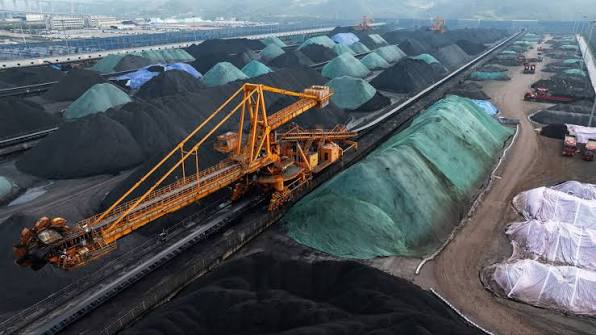
    China has reached a turning point in its energy story. For the very first time, coal supplied less than half the country’s electricity over a six-month stretch, according to officials who spoke on Thursday. Between January and June, coal made up 49.7 percent of total power generation. That figure came from Xing Yiteng, a senior official at the energy administration’s planning office. It marks a steep fall from 65.5 percent back in 2016, based on earlier government data. Clean energy sources picked up the slack. Renewables reached 41.2 percent of the total mix, crossing the 40 percent line for the first time ever. Wind and solar alone made up nearly a quarter of all power generated, a huge leap from just under 10 percent in 2020. The remaining share came from natural gas and nuclear plants. Despite this progress, experts warn that coal use in raw terms might actually increase this year. Electricity demand across China is rising quickly, driven by more electric vehicles on the road, a boom in AI-related data centers, and steady growth in exports. Beijing has pledged that coal use will peak no later than 2030, with wind and solar expected to reach 30 percent of the power mix by then. Gao Yuhe, who works as a project manager at Greenpeace East Asia, thinks that milestone might actually arrive two years early, by 2028. She credited this to the rapid spread of home solar systems paired with battery storage, along with more flexible electricity markets that make better use of renewable supply. China still burns far more coal than most major economies, mainly because it has large domestic reserves and limited natural gas access. For comparison, coal accounted for just 17 percent of America’s utility-scale power output last year, with natural gas covering 41 percent. China’s coal reliance, though, remains lower than India’s, where coal and lignite made up 69 percent of electricity generation last year. Interestingly, China still imported close to 500 million metric tons of coal last year, even with domestic output reaching 4.83 billion tons, mostly to supply power plants along the coast. If coal consumption keeps falling, major exporters like Indonesia, Mongolia, Australia, and Russia could feel the impact, depending on global price trends. Meanwhile, coal remains central to China’s coal-to-chemicals industry, where many facilities continue relying on cheap, locally produced coal to stay competitive.

  • | | |

    Thousands of migrants leave Spain’s Ceuta after …

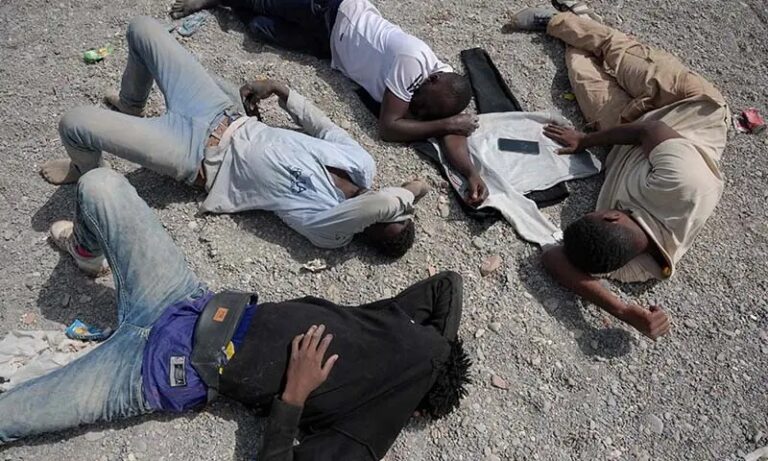
    Thousands of migrants have returned to Morocco after spending several days in Spain’s North African enclave of Ceuta following one of the largest attempted border crossings in the territory’s history. Many migrants said they left because of hunger, exhaustion, and disappointment after finding limited support and few opportunities in Ceuta. Spanish soldiers and Civil Guard officers guided groups of migrants back toward the Moroccan border crossing on Saturday. Many of those returning were young men who appeared physically exhausted after days of wandering through the city with little food or shelter. Some were barefoot, while others carried Red Cross blankets after receiving emergency assistance. Among those returning was 23-year-old Abdel Latif, who said he had hoped to find work and a better future in Europe. He explained that unemployment in Morocco pushed him to attempt the dangerous journey, but he decided to leave Ceuta after struggling to find food and support. The massive influx saw tens of thousands of migrants enter Ceuta over a period of two to three days. Local officials estimated that around 60,000 people reached the enclave, while Spain’s Interior Ministry reported a lower figure. The surge created a major humanitarian and political challenge for Spanish authorities. Many migrants attempted to reach Ceuta by swimming around border barriers in the Mediterranean Sea. Several people collapsed after completing the dangerous crossing, with Red Cross teams providing emergency treatment. At least dozens of migrants reportedly died while attempting to reach the Spanish territory. Spanish officials said that the majority of those who entered Ceuta had already returned to Morocco. Authorities have increased security measures along the maritime border, including the installation of floating barriers to prevent further crossings. Ceuta, home to around 84,000 residents, is one of only two European land borders located in Africa, along with Melilla. The territory has long been a major destination for migrants hoping to enter Europe in search of employment and improved living conditions.   Many migrants said their motivation was driven by economic hardship. Some described difficult working conditions and low wages in Morocco, saying they were searching for stability and better opportunities. Meanwhile, daily life in Ceuta has gradually returned to normal, with shops reopening and traffic resuming after the disruption caused by the migrant surge. However, some residents remain concerned about future migration pressures, while others say security improvements have restored a sense of stability. The latest events have once again highlighted the complex challenges facing Europe and North Africa in managing migration, border security, and humanitarian needs.

  • |

    Xi backs Brazil against foreign interference in call with Lula

    Chinese President Xi Jinping expressed support for Brazil’s efforts to protect its sovereignty and resist foreign interference during a phone conversation with Brazilian President Luiz Inacio Lula da Silva, according to Chinese state media. The discussion took place just months before Brazil’s closely watched presidential election and against the backdrop of growing trade and diplomatic tensions with the United States. According to China’s Xinhua news agency, Xi praised Brazil’s role on the international stage and said Beijing values the country’s influence in global affairs. He stated that China supports Brazil in defending its independence, rejecting outside interference, and contributing to regional and international peace and stability. The phone call comes less than three months before Brazilians head to the polls in an election expected to be highly competitive. President Lula is seeking another term and faces a challenge from right wing candidate Flavio Bolsonaro, the son of former president Jair Bolsonaro. The Brazilian presidency said the two leaders also discussed strengthening economic cooperation. Both sides agreed on the importance of accelerating negotiations for a trade agreement between China and Mercosur, the South American trade bloc that includes Brazil, Argentina, Paraguay, and Uruguay. Such an agreement could expand trade opportunities between the region and the world’s second largest economy. During the conversation, which lasted more than an hour, Lula reaffirmed his commitment to expanding Brazil’s international trade network. He said his government is working to diversify export markets and reduce dependence on a limited number of trading partners, particularly as Brazil faces increased tariff pressure from the United States. Relations between Brasilia and Washington have become more strained in recent months. The United States introduced two additional rounds of tariffs on a range of Brazilian products this month, following a significant tariff increase imposed last year. The measures were linked to political tensions surrounding the legal case that resulted in former president Jair Bolsonaro being sentenced to prison over an alleged coup plot. Lula has strongly criticized the tariffs, arguing that they amount to political pressure during an election year. He has accused Washington of attempting to influence Brazil’s domestic affairs through economic measures, an allegation the United States has rejected. Diplomatic tensions have also surfaced over election related issues. According to diplomatic sources, Brazil recently refused entry visas for two American officials who planned to visit the country’s election authorities ahead of the October vote. The move reflected growing sensitivity within the Brazilian government over foreign involvement in electoral matters. Meanwhile, Flavio Bolsonaro has continued to question the reliability of Brazil’s electronic voting system despite repeated assurances from election officials that it is secure. His claims have echoed similar allegations made by US President Donald Trump regarding American elections, although no credible evidence has supported those accusations. While the Chinese government highlighted Xi’s support for Brazil in resisting external interference, the official statement released by the Brazilian presidency did not specifically mention that part of the discussion. Instead, it focused on economic cooperation and the importance of strengthening trade ties between Brazil, China, and the Mercosur bloc. The conversation underscores the increasingly close relationship between Beijing and Brasilia at a time when Brazil is balancing political challenges at home with shifting economic and diplomatic dynamics on the global stage.

  • |

    Indian officer suspended after firing rifle during student protest

    Indian authorities have suspended a police officer after he fired an AK-47 rifle into the air while attempting to disperse student protesters in the eastern state of Bihar. The incident has intensified criticism of the government’s handling of nationwide demonstrations that recently led to the resignation of Education Minister Dharmendra Pradhan. The confrontation took place on Saturday in the city of Siwan, where students were protesting against alleged irregularities in national examinations and broader concerns about unemployment. Videos shared on social media showed a police officer in riot gear running toward a crowd of protesters before pointing his assault rifle into the air and firing at least three rounds. Police later confirmed that the footage was authentic. Senior Bihar police official Nilesh Kumar said no one was injured during the incident. He explained that the suspended officer belonged to an intelligence unit that normally deals with dangerous criminals and had been issued the rifle as part of his official duties. However, Kumar said the weapon was used inappropriately because the protesters were students and did not pose a threat that justified such action. He said the officer’s conduct could not be defended under any circumstances and confirmed that disciplinary proceedings had begun. According to Kumar, further action will be taken following an investigation into the incident. The protests began after question papers for a national medical college entrance examination were leaked in May. More than two million students had taken the exam before authorities were forced to order a retest because of the security breach. The controversy sparked widespread anger among young people who accused the government of failing to protect the integrity of the examination process. As demonstrations grew larger, students also began raising concerns about rising unemployment and fears that artificial intelligence could reduce future job opportunities, especially in India’s information technology and outsourcing sectors. These issues helped expand the movement beyond the examination scandal, drawing support from students across different parts of the country. Public pressure eventually led to the resignation of Education Minister Dharmendra Pradhan, who stepped down after nearly five weeks of protests. Despite the resignation, demonstrations have continued as students demand broader reforms and greater accountability from the government. The police response has faced increasing criticism. Officers have been accused of using excessive force against demonstrators, including beating students with batons and firing tear gas during a large march toward India’s parliament in New Delhi earlier this month. Human rights advocates and opposition leaders argue that authorities have responded too aggressively to mostly peaceful protests. Speaking in parliament, Congress Party president Mallikarjun Kharge condemned the police action and described it as one of the most serious attacks on democratic rights in recent years. He said reports that an assault rifle had been used against student protesters in Bihar were deeply troubling and called for those responsible to be held accountable. Parliamentary proceedings were repeatedly disrupted as opposition lawmakers raised the issue and demanded answers from the government. Ministers did not immediately respond before both houses were adjourned amid heated exchanges. The controversy also drew attention from India’s judiciary. Supreme Court Justice Ujjal Bhuyan expressed concern about what he described as the shrinking space for people to express different opinions in the country. In a public speech, he said the right to voice opinions and participate in peaceful demonstrations is a fundamental freedom guaranteed to every citizen. His remarks were seen as an unusual intervention by a sitting judge and added to growing calls for restraint in the handling of public protests.

Leave a Reply

Your email address will not be published. Required fields are marked *