senate orders probe

Senate orders probe into customs seizure of 11 trucks

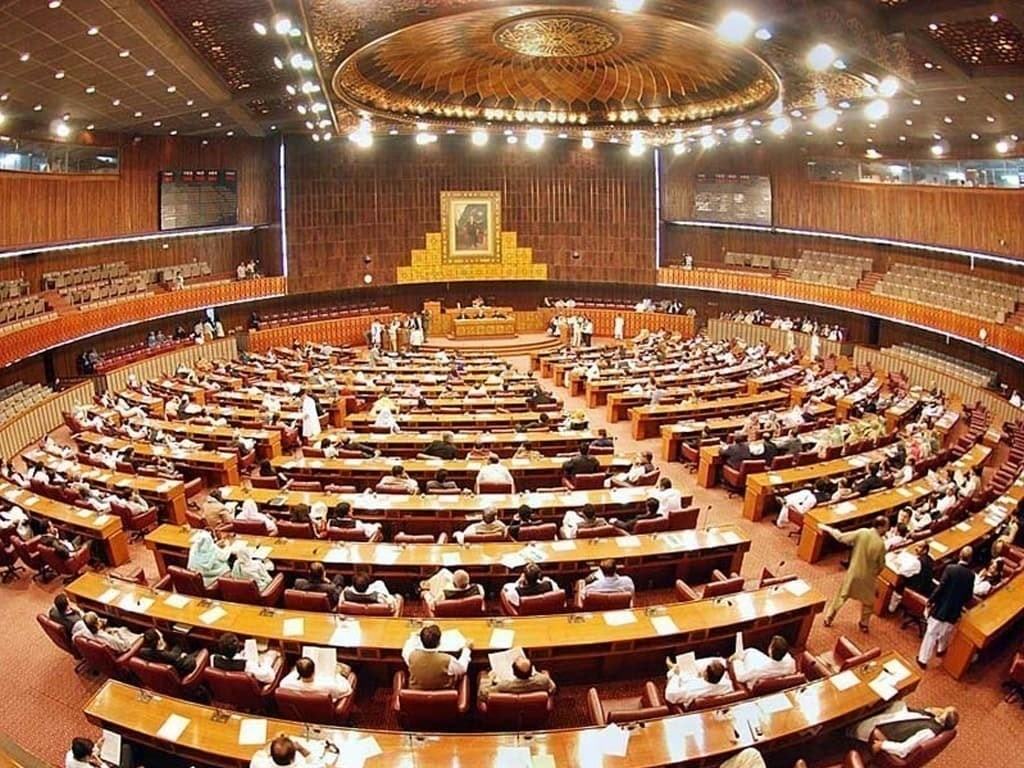
Islamabad: The Senate Sub Committee on Interior and Narcotics Control ordered an investigation into an alleged media campaign against committee members following a previous meeting on a customs seizure case. The committee also raised serious questions regarding the handling of seized goods, legal procedures and possible weaknesses in the customs monitoring system.

The committee, convened by Senator Saifullah Abro, directed the Federal Investigation Agency (FIA) to conduct an impartial inquiry into TV channels and media platforms accused of running targeted coverage against Senate members after the committee discussed the seizure of 11 loaded trucks on the motorway.

The committee stated that after the previous meeting held on July 20, 2026, an official handout was issued and circulated on different media platforms which allegedly targeting the Chairman of the Senate Standing Committee on Interior and other members. Taking notice of the matter, the committee directed the Member FBR to personally examine the handout issued by the FBR media wing and identify the officials responsible for preparing and issuing the material.

The FIA was instructed to complete a detailed inquiry and submit a report to the committee regarding the alleged campaign. During the meeting, the committee also raised serious questions about the seizure of 11 trucks and the legal process Customs authorities followed.

Senators questioned whether Customs had proper jurisdiction over the motorway operation, stating that motorway operations primarily fall under other relevant authorities while Customs provides assistance when required. The committee expressed concern over different valuation figures linked to the seized trucks, pointing out a major difference involving Rs 22 crore.

The owners of the transport company and steel company were directed to provide complete details regarding the matter. The committee also questioned the FIR’s registration in the case and asked why 11 truck drivers were produced before the court after a delay of six days.

Members directed the inspector responsible for preparing the FIR to appear before the committee and explain the legal basis and details mentioned in the case. The Deputy Collector of Customs was also asked to explain why certain names mentioned during the site presence were not included in official reports.

The Inspector General Motorway Police informed the committee that a Memorandum of Understanding exists between Motorway Police and Customs, allowing operational support for stopping suspicious vehicles. The committee also raised concerns over the system of issuing Consumption Certificates and questioned why manual certificates were still being issued despite official digital procedures.

The Convener asked Customs officials whether physical inspections were conducted before issuing such certificates. Officials informed the committee that they did not always conduct physical verification visits and often relied on available information and administrative authority.

The committee expressed dissatisfaction with the explanation and stressed the need for stronger verification mechanisms. Another major issue discussed was the handling of tax exempted imports. The committee examined details related to approximately Rs 1,120 billion worth of imports in tax exempted areas and stated that the information provided was incomplete.

Officials were directed to provide a detailed breakdown of goods imported, their movement and their sale in local markets under the 2025 and 2026 quota registration system. The committee said that weaknesses in customs monitoring could create opportunities for smuggling, tax losses and misuse of exemptions.

Members emphasized that customs posts, dry ports and revenue institutions must operate with greater transparency and accountability. The committee reaffirmed that it would continue investigating issues related to smuggling networks, anti narcotics controls, seized assets and possible revenue leakages.

Similar Posts

  • | |

    Monsoon fury raises flood risks across Pakistan, N…

    ISLAMABAD: Pakistan’s disaster management authorities have issued a fresh flood alert as intensified monsoon rains continue to push water levels higher in major rivers, raising concerns over flooding in several parts of the country. The National Disaster Management Authority (NDMA) said river flows are expected to increase significantly between August 2 and 4, urging citizens to avoid unnecessary travel to vulnerable areas and remain alert to changing weather conditions. According to the National Emergencies Operation Centre (NEOC), high flooding has been observed in the Lehri River at Head Gogi, while Nullah Palkhu near Wazirabad is experiencing medium-level flooding. The Indus River is currently witnessing low-level flooding at Kalabagh, Chashma, Guddu and Sukkur, while similar conditions have been reported at Head Nari on the Nari River. The NDMA warned that the Chenab River is likely to experience high water flows at Marala, with low to medium flooding anticipated at Khanki and Qadirabad. Water levels are also expected to rise in the Jhelum, Ravi and Kabul rivers and their tributaries as monsoon activity intensifies. Officials cautioned that streams connected to the Jhelum, Chenab and Ravi rivers could swell to medium or high levels. Meanwhile, water flows in the Ravi and Sutlej rivers will largely depend on releases from reservoirs across the border. The authority also expressed concern over the possibility of flash floods in the hill torrents of Dera Ghazi Khan and Rajanpur, as well as seasonal streams in central and southern Khyber Pakhtunkhwa and northern Balochistan. In addition, urban flooding and waterlogging remain a serious threat in several cities, including Rawalpindi, Jhelum, Gujranwala, Lahore, Faisalabad, Peshawar, Mardan, Nowshera, Hyderabad, Badin, Thatta and other parts of Sindh due to continued heavy rainfall. The NDMA advised residents to avoid crossing flooded roads and waterways, monitor weather updates before travelling, and follow safety instructions issued by local authorities. It also encouraged the public to use the official Pak NDMA Disaster Alert mobile application for real-time weather warnings and emergency information. Separately, the Prime Minister’s Emergency Response Committee (ERC) held its 10th consecutive daily review meeting to assess the country’s monsoon situation. The meeting, chaired virtually by Planning Minister Prof Ahsan Iqbal, brought together federal ministries, provincial governments, disaster management authorities and senior administrative officials. During the briefing, the NDMA presented the latest updates on weather conditions, casualties, infrastructure damage, rescue operations and rehabilitation efforts. Officials informed the committee that deputy commissioners in all high-risk districts had already been directed to remain fully prepared for any emergency. The committee was told that recent heavy rains had caused flooding in multiple regions, with coordinated rescue and relief operations continuing through federal, provincial and district authorities. Weather experts also forecast more rainfall across northern and central Pakistan in the coming days, while isolated showers are expected in southeastern Sindh. The NDMA highlighted that relief activities are being carried out with the support of both national and international humanitarian organisations. Officials further noted that most monsoon-related fatalities this season resulted from the collapse of unsafe and poorly constructed buildings, underscoring the need for stricter enforcement of building safety regulations and greater public awareness. The ERC commended the efforts of government institutions, provincial administrations, district authorities, the armed forces and rescue teams for their ongoing response. It directed all relevant departments to strengthen coordination, maintain maximum preparedness, accelerate relief and rehabilitation work, and take preventive measures to minimise the impact of future weather emergencies.

  • | |

    Federal minister for energy meets Iranian ambassad…

      Islamabad – Federal Minister for Energy Awais Leghari held a meeting with Iranian Ambassador to Pakistan, Reza Amiri Moghaddam, in Islamabad to discuss energy cooperation, trade expansion, and regional stability. The talks marked another step in the growing partnership between the two neighbors. Ambassador Amiri Moghaddam announced that work on the second Pakistan-Iran transmission line will begin soon, a project long awaited by both sides. He also revealed that both countries are considering expanding the existing 100-megawatt electricity supply agreement, which currently powers parts of Balochistan. “Energy security is a shared goal. The second line will boost our capacity and open doors for deeper cooperation,” he said. He further invited Pakistani companies to attend the upcoming joint commission meeting in Tehran, aimed at exploring new business and investment opportunities. Federal Minister Awais Leghari emphasized that regional peace and stability are in the mutual interest of both nations. He stressed that uninterrupted electricity supply is critical for Gwadar’s development, which serves as a key hub for the China-Pakistan Economic Corridor. “Gwadar cannot progress without stable power. Any disruption affects local communities and our broader economic vision,” he stated. He also highlighted that electricity trade with Iran will become even more significant in the future, given Pakistan’s rising energy demands and limited domestic resources. Ambassador Amiri Moghaddam praised the current state of Pakistan-Iran relations, describing them as having reached new heights. He commended Prime Minister Shehbaz Sharif and Pakistan’s military leadership for their peace efforts in the region, calling them commendable and constructive. “The vision shown by both sides is remarkable. We are committed to turning this goodwill into tangible outcomes,” he added. He also expressed Iran’s interest in expanding cooperation beyond energy into agriculture, pharmaceuticals, and border trade. Both sides agreed to fast-track procedural formalities for the second transmission line and explore long-term energy purchase agreements. They also discussed barter trade mechanisms to overcome financial challenges. The upcoming joint commission meeting in Tehran is expected to produce concrete results, benefiting businesses and communities on both sides. With work on the new transmission line nearing start and expanded electricity trade under consideration, Pakistan and Iran appear set to enter a new phase of cooperation built on shared interests, mutual trust, and a vision for regional connectivity. The meeting concluded with a renewed commitment to transform political goodwill into practical economic gains for both nations.

  • | |

    KP CM visits Hangu, vows support for martyrs’ fa…

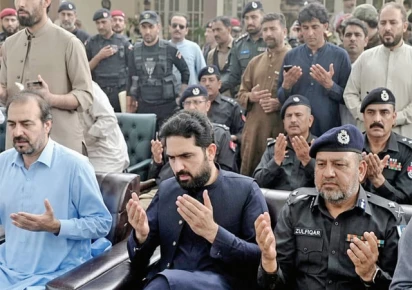
    Khyber Pakhtunkhwa Chief Minister Muhammad Sohail Afridi visited Hangu on Thursday to meet the families of police officers who lost their lives in the recent terrorist attack on Khazana Check Post. The chief minister offered Fateha for the deceased officers and prayed for the elevation of their ranks. He paid tribute to the policemen, calling them national heroes who sacrificed their lives while protecting the country and its people. Afridi assured the bereaved families that the provincial government would continue to support them through the difficult period. He pledged comprehensive financial and institutional assistance and said the government would use all available resources to ensure the long-term welfare of the martyrs’ families. After returning to Peshawar, the chief minister chaired a high-level meeting to assess the law and order situation across the province. Provincial Information Minister, Special Assistant to the Chief Minister on Home Affairs, Chief Secretary, Additional Chief Secretary (Home), Inspector General of Police and other senior officials attended the meeting. Officials briefed the meeting on the security situation, particularly in the southern districts, and discussed recent developments, ongoing operations and emerging security challenges. Afridi directed the authorities to utilise all available resources to combat terrorism and establish lasting peace in the province. He stressed the need for a coordinated, intelligence-based strategy to strengthen public security and effectively counter militant threats. Meanwhile, police personnel killed in Wednesday’s terrorist attack in Hangu were laid to rest after funeral prayers at Police Lines Hangu. The ceremony took place with full state honours and was attended by senior civil and police officials, including Police Training College Hangu Commandant Shaukat Abbas, Deputy Commissioner Basir Ali Rahman and local elders.

  • |

    NDMA warns of rising river levels, flood risk

    The National Disaster Management Authority (NDMA) has warned that water levels in several major rivers across Pakistan could rise sharply from August 2 to 4 as monsoon rains intensify, raising the risk of flooding in various parts of the country. The NDMA urged citizens to avoid unnecessary travel to flood-prone areas and remain alert to changing weather and road conditions. According to the authority’s National Emergencies Operation Centre (NEOC), the Lehri River at Head Gogi has reached high flood levels, while Nullah Palkhu at Wazirabad is experiencing medium-level flooding. The Indus River continues to face low-level flooding at Kalabagh, Chashma, Guddu and Sukkur, while the Nari River is also reporting low-level flooding at Head Nari. The NDMA expects high flows in the Chenab River at Marala, with low to medium flows likely at Khanki and Qadirabad. The Jhelum, Ravi and Kabul rivers, along with their tributaries, may also see rising water levels. The NDMA warned that streams connected to the Jhelum, Chenab and Ravi could experience medium to high flows. Water levels in the Ravi and Sutlej rivers will also depend on water releases from reservoirs in India. The authority has also highlighted the threat of flash floods in hill torrents across Dera Ghazi Khan and Rajanpur, as well as seasonal streams in central and southern Khyber Pakhtunkhwa and northern Balochistan. Urban flooding and water accumulation could affect low-lying areas in Rawalpindi, Jhelum, Gujranwala, Lahore, Faisalabad, Peshawar, Mardan, Nowshera, Hyderabad, Badin, Thatta and other parts of Sindh. The NDMA advised people not to cross flooded areas on foot or in vehicles and to check weather forecasts and road conditions before travelling. It also asked residents to follow directions from local authorities and stay informed through the official Pak NDMA Disaster Alert mobile application. Meanwhile, the Emergency Response Committee (ERC), formed by the prime minister, held its 10th consecutive daily meeting on Sunday to review the country’s monsoon preparedness and response. The committee directed relevant authorities to maintain maximum preparedness and speed up relief and rehabilitation operations. The meeting also reviewed the forecast of further rainfall in northern and central Pakistan, with isolated showers expected in southeastern Sindh.

  • | |

    PHA illuminates Punjab to mark Eid Milad-un-Nabi

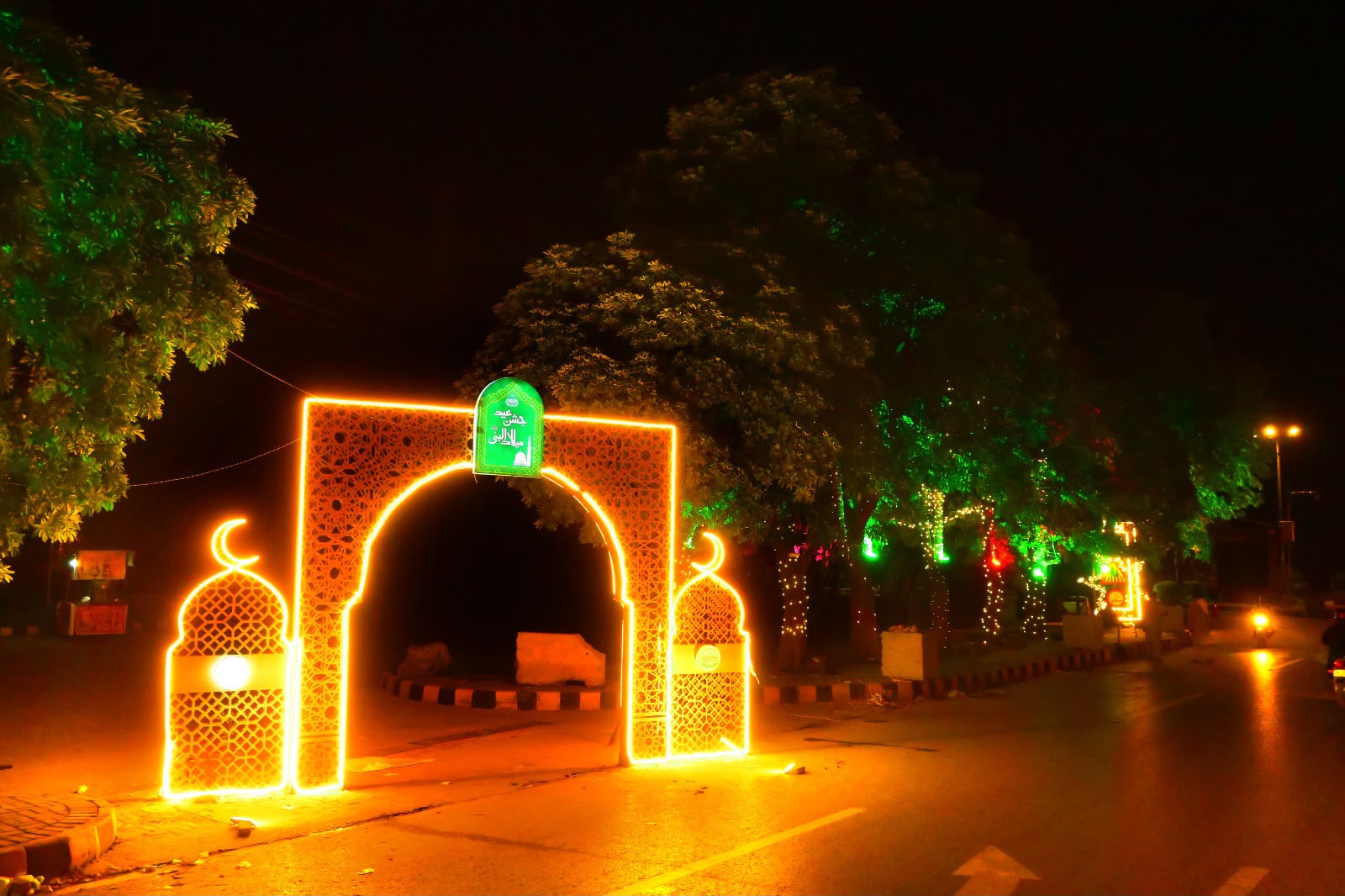
      LAHORE: Cities across Punjab were illuminated with decorative lights and religious-themed displays as the Punjab Horticulture Authority (PHA) arranged special decorations to mark Eid Milad-un-Nabi, filling public spaces with festive and spiritual displays. As part of its annual celebrations, the PHA installed illuminated signs, decorative structures and religious motifs across all 21 districts under its administrative jurisdiction. Public parks, green belts and other prominent locations were decorated to reflect the religious significance of the occasion while adding a festive appearance to major urban areas. In Lahore, the authority carried out extensive arrangements, including the installation of specially designed billboards and religious-themed displays. Digital campaigns were also launched along important city routes, particularly The Mall and Gulberg, where illuminated decorations attracted public attention. Similar arrangements were made in several other major cities of Punjab. Rawalpindi, Faisalabad, Multan, Bahawalpur, Khushab and Rahim Yar Khan were among the cities where parks and public spaces were decorated with colourful lighting and religious artwork. Illuminated domes, Islamic calligraphy, floral arrangements and other decorative features were used to create a festive atmosphere in honour of Eid Milad-un-Nabi. PHA district offices were also decorated with lights and buntings, giving government buildings a distinctive green appearance associated with the sacred occasion. The decorations were prepared ahead of the celebrations, with horticulture teams working to ensure that the installations were completed on time. PHA Director General Ahmad Usman Javaid described the celebrations as a significant honour and blessing. He said the authority had begun preparations several weeks before the occasion, with its horticulture and field staff working extensively, including overnight, to complete the arrangements. The celebrations were accompanied by discussions on the future administrative and financial direction of the authority’s newly established district agencies. During a separate meeting, Director General Javaid instructed the district agencies to prepare individual revenue-generation plans aimed at improving their financial sustainability. The initiative is intended to help reduce the agencies’ dependence on government funding while allowing them to generate resources according to the economic potential of their respective areas. The meeting reviewed the operational performance of the district agencies, administrative arrangements and progress in organisational development. Officials highlighted the importance of establishing financially sustainable institutions capable of meeting part of their expenses through locally generated revenue. Javaid directed the agencies to identify potential sources of income within their districts and develop strategies according to local commercial conditions. He stressed that all revenue-generating activities must remain within the relevant legal and regulatory framework. According to the PHA chief, Punjab’s districts have different economic and commercial characteristics, meaning that a uniform revenue model may not be suitable for every area. He said agencies should instead develop plans based on the opportunities available locally. For instance, districts with substantial commercial activity could generate revenue through the regulation of outdoor advertising. Other districts may have greater opportunities to lease underutilised government land or develop public-private partnerships for the construction, operation and management of parks. The PHA leadership said the objective was to create stronger and more financially independent district institutions while continuing to improve public parks, green spaces and horticultural services across Punjab. The Eid Milad-un-Nabi decorations and the accompanying administrative initiatives reflected the authority’s efforts to combine public-space beautification with longer-term institutional development.

  • | |

    Foreign Office extends consular services to evenin…

    The Ministry of Foreign Affairs has introduced an evening shift for consular services to make it easier for citizens to access essential facilities outside conventional office hours. Deputy Prime Minister and Foreign Minister Ishaq Dar announced the new arrangement on Monday. Under the revised schedule, consular services will now remain available from 8am to 8pm, Monday through Friday. The extended hours are aimed at improving access to services and making the process more convenient for applicants who cannot visit government offices during normal working hours. The Foreign Office said the initiative is part of its broader effort to improve public service delivery and make consular facilities more citizen-friendly. Previously, consular services were generally available during standard government office hours. This created difficulties for people with work commitments and for overseas Pakistanis who needed to visit the ministry for documentation and other consular matters. The new evening shift will provide applicants with additional time to complete their requirements and access relevant services. The ministry has also issued a public notice outlining the revised working hours and arrangements for consular services. The Foreign Office said the initiative reflects its focus on improving efficiency, accessibility and the overall experience of citizens seeking consular assistance.

Leave a Reply

Your email address will not be published. Required fields are marked *