federal minister energy
| |

Federal minister for energy meets Iranian ambassad…


Islamabad – Federal Minister for Energy Awais Leghari held a meeting with Iranian Ambassador to Pakistan, Reza Amiri Moghaddam, in Islamabad to discuss energy cooperation, trade expansion, and regional stability. The talks marked another step in the growing partnership between the two neighbors.

Ambassador Amiri Moghaddam announced that work on the second Pakistan-Iran transmission line will begin soon, a project long awaited by both sides. He also revealed that both countries are considering expanding the existing 100-megawatt electricity supply agreement, which currently powers parts of Balochistan. “Energy security is a shared goal. The second line will boost our capacity and open doors for deeper cooperation,” he said. He further invited Pakistani companies to attend the upcoming joint commission meeting in Tehran, aimed at exploring new business and investment opportunities.

Federal Minister Awais Leghari emphasized that regional peace and stability are in the mutual interest of both nations. He stressed that uninterrupted electricity supply is critical for Gwadar’s development, which serves as a key hub for the China-Pakistan Economic Corridor. “Gwadar cannot progress without stable power. Any disruption affects local communities and our broader economic vision,” he stated. He also highlighted that electricity trade with Iran will become even more significant in the future, given Pakistan’s rising energy demands and limited domestic resources.

Ambassador Amiri Moghaddam praised the current state of Pakistan-Iran relations, describing them as having reached new heights. He commended Prime Minister Shehbaz Sharif and Pakistan’s military leadership for their peace efforts in the region, calling them commendable and constructive. “The vision shown by both sides is remarkable. We are committed to turning this goodwill into tangible outcomes,” he added. He also expressed Iran’s interest in expanding cooperation beyond energy into agriculture, pharmaceuticals, and border trade.

Both sides agreed to fast-track procedural formalities for the second transmission line and explore long-term energy purchase agreements. They also discussed barter trade mechanisms to overcome financial challenges. The upcoming joint commission meeting in Tehran is expected to produce concrete results, benefiting businesses and communities on both sides. With work on the new transmission line nearing start and expanded electricity trade under consideration, Pakistan and Iran appear set to enter a new phase of cooperation built on shared interests, mutual trust, and a vision for regional connectivity. The meeting concluded with a renewed commitment to transform political goodwill into practical economic gains for both nations.


Similar Posts

  • |

    Turkish firm to begin offshore drilling in Pakista…

    Petroleum Minister Ali Pervaiz Malik has said Turkish Petroleum will soon begin offshore drilling in Pakistan’s territorial waters, a move he described as a potential boost for foreign investment in the country’s energy sector. Speaking at a press conference in Lahore on Sunday, Malik said Pakistan currently imports nearly 90% of its energy needs. Domestic oil production stands at around 70,000 barrels per day, while the country’s daily demand is close to 500,000 barrels. The minister stressed the need to speed up oil and gas exploration within the country to reduce dependence on costly energy imports. Malik said Prime Minister Shehbaz Sharif and Chief of Defence Forces and Chief of Army Staff Field Marshal Syed Asim Munir had tasked an international company with developing a comprehensive roadmap for Pakistan’s energy sector. The plan is expected to reach the national leadership in the coming months. He also said the government had stopped the flow of circular debt and was working to settle outstanding liabilities accumulated under previous governments. The minister announced that LPG tenders would open on Monday and said the government had also made arrangements to issue new gas connections to consumers. Malik said Pakistan’s next priority after recent strategic and diplomatic achievements was sustainable economic growth. He described the Makkah defence agreement as a source of national pride and said Pakistan had strengthened its position as a regional security provider. He added that cooperation among Saudi Arabia’s economic strength, Turkiye’s technological expertise and Pakistan’s defence capabilities could help promote regional stability. Discussing global energy pressures, Malik said the Iran-US conflict had created major challenges for international energy markets and pushed crude oil and petroleum product prices to unprecedented levels. Despite the pressure, he said the government maintained uninterrupted fuel supplies across the country and took steps to shield consumers from the full impact of higher international prices. Malik reiterated that the government would continue efforts to provide maximum relief to the public while working with limited financial resources.

  • |

    Pakistan’s total debt burden nears Rs84 trillion as government borrowing rises

    Pakistan’s total government debt stock climbed to a record level of nearly Rs84 trillion by the end of June 2026, highlighting the growing financial burden facing the country amid continued reliance on domestic and external borrowing. According to the latest data released by the State Bank of Pakistan (SBP), the federal government’s total debt increased by 7.4% on a year-on-year basis during the fiscal year ended June 2026. The central government’s debt stood at Rs83,642 billion in June 2026, compared with Rs77,888 billion recorded in June 2025. The debt stock also increased significantly on a monthly basis, rising from Rs81,955 billion in May 2026. The latest figures indicate that the government’s debt increased by around Rs5,754 billion, or Rs5.75 trillion, over the course of the fiscal year. Domestic debt remains major component Domestic borrowing accounted for the largest portion of the government’s total debt. According to SBP data, the federal government’s domestic debt rose by 9.1% year-on-year to Rs59,441 billion by June 2026. The increase reflects continued dependence on the domestic financial market to meet the government’s financing requirements, including budgetary needs and debt-servicing obligations. Meanwhile, the federal government’s external debt increased by 3.3% during the year, reaching Rs24,201 billion by June 2026. Although the growth in external debt remained comparatively lower than domestic borrowing, the foreign-currency component continues to place pressure on the country’s external financing position, particularly when debt repayments coincide with periods of weak foreign exchange inflows. Debt servicing poses growing challenge The continued rise in the debt stock is also raising concerns about the government’s ability to manage debt-servicing costs while creating fiscal space for development spending and public services. A growing share of government revenues is required to meet interest and principal repayment obligations, limiting the resources available for infrastructure, social development and other productive investments. Economic experts have warned that if the debt trajectory is not brought under control, the rising burden could turn into a “debt trap” for the economy. They argue that reducing dependence on borrowing would require stronger revenue mobilisation, greater fiscal discipline, higher exports and sustained economic growth. Improving the efficiency of public spending and reducing reliance on debt-financed expenditures could also help contain the pressure.

  • | |

    River garden residents protest repeated increase i…

      Residents of River Garden Islamabad have strongly protested a fresh increase in monthly maintenance charges after the society’s management, River Garden Development Private Limited (RDPL), once again raised service fees. According to residents, the revised charges have been applied unilaterally in bills issued from July onward, placing an additional financial burden on homeowners. Residents claim that this is not the first time maintenance charges have been increased. They state that RDPL had already raised service charges several times during 2023, 2024, and 2025. As a result of these repeated revisions, the cumulative increase in maintenance fees over the past few years has reportedly exceeded 175 percent, leading to growing frustration among residents. A large number of River Garden residents have previously challenged these increases in court. During 2023 and 2024, several homeowners obtained stay orders against the hikes, arguing that the increases were unjustified and lacked transparency. However, residents allege that despite these court orders, the management has continued to introduce higher maintenance charges and adopt various administrative measures that they believe place pressure on residents to withdraw their legal cases. The latest increase has once again triggered widespread criticism within the community. Residents argue that they continue to pay maintenance charges despite receiving inadequate and below-standard services. They believe that the fees being collected do not reflect the quality of facilities available in the housing society. Residents have demanded that maintenance charges should be determined through a transparent and independent process. They have called for the appointment of a neutral third-party auditor to evaluate the society’s operational expenses and recommend fair service charges. They also insist that the rates should be comparable to those charged by neighboring housing societies offering similar facilities and services. According to the residents, the Capital Development Authority (CDA) regulations emphasize that housing societies must prioritize the provision of essential infrastructure and address the concerns of residents before imposing additional financial burdens. They argue that instead of increasing maintenance charges, the management should first improve the condition of the society and fulfill its basic responsibilities. Residents highlighted several longstanding issues that, they say, remain unresolved. They claim that many roads within River Garden are damaged and require urgent repair. They also pointed out that the boundary wall of the housing society is still incomplete, raising concerns about security. In addition, residents say that the promised community center has yet to be constructed despite repeated assurances. They have also expressed concerns over the increasing number of stray dogs roaming the society, describing the situation as a public safety issue for families and children. Other complaints include poor maintenance of green areas, with grass and wild shrubs reportedly left unattended for extended periods. Residents further criticized the relocation of the society’s cemetery, stating that it has been moved approximately 13 kilometers away from the residential area, making it difficult for families to visit and creating inconvenience during funeral arrangements. The residents have once again appealed to the Chairman of the Capital Development Authority to take immediate notice of the matter. They have urged the authority to review the process used to determine monthly maintenance charges and introduce a transparent mechanism that ensures fairness and accountability. Furthermore, residents have requested the CDA to ensure that RDPL fulfills its obligations by improving infrastructure, completing pending development projects, and providing the essential services promised to homeowners. They believe that only after these basic facilities are delivered should any discussion regarding increases in maintenance charges take place. The issue has become a major concern for many families living in River Garden, who say they are willing to pay reasonable service charges but expect transparency, accountability, and quality services in return. They hope that intervention by the CDA will help resolve the dispute and ensure that residents receive the facilities and standards they were promised when investing in the housing society.

  • | |

    Rosie O’Donnell names Mounjaro as part of why sh…

    Rosie O’Donnell is opening up about a major change in her health journey, revealing that Mounjaro has played a role in helping her feel healthier and more comfortable at 64. The comedian and former talk-show host discussed her experience during a recent appearance on Amy Poehler’s Good Hang with Amy Poehler podcast. O’Donnell said she has reached a point where she feels better than she ever has, while reflecting on how her health has changed in recent years. (Business Insider⁠) O’Donnell’s unexpected weight-loss experience O’Donnell explained that her doctor initially prescribed Mounjaro about three years ago to help manage her diabetes. According to the actress, weight loss was not the reason she was given the medication. She said her doctor was focused on improving her health numbers rather than changing her appearance. However, O’Donnell soon noticed a significant change in her appetite and weight. The weight loss happened quickly enough to surprise her. O’Donnell recalled losing 12 pounds within two weeks without intentionally changing her lifestyle. The sudden change initially concerned her, and she said she even worried that an underlying illness could be responsible. For O’Donnell, the experience was particularly unexpected because she had struggled with losing weight in the past, even when she was actively trying. Feeling healthier at 64 While discussing her current health with Poehler, O’Donnell said she has never felt better. She acknowledged that it took until age 64 to reach this point, adding that Mounjaro was one part of the change. Her comments highlight how her experience with the medication began as part of diabetes care rather than a cosmetic weight-loss plan. Mounjaro contains tirzepatide and was approved by the FDA for treating type 2 diabetes in 2022. The same active ingredient was later approved for chronic weight management under the brand name Zepbound. (Business Insider⁠) A personal health conversation O’Donnell is among several public figures who have spoken publicly about their experiences with GLP-1 medications. However, responses to these medications can vary, and they can cause side effects including gastrointestinal problems. For O’Donnell, the discussion was less about a dramatic transformation and more about how she feels today. Her conversation with Poehler offered a personal look at a health journey that began with diabetes treatment and unexpectedly affected her weight as well. At 64, O’Donnell says she feels more comfortable and healthier, describing this period of her life as one in which she has finally found a better sense of well-being.

  • |

    Taliban seeks improved ties with Pakistan

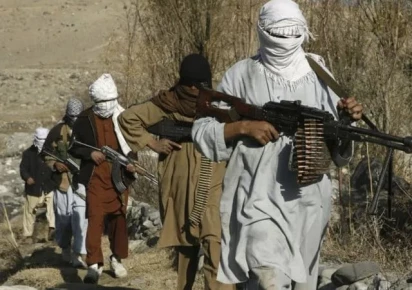
    The Taliban administration has expressed its desire to reduce tensions and improve relations with Pakistan, saying that continued disputes serve the interests of neither country. Taliban spokesperson Zabihullah Mujahid said both sides should work to resolve outstanding issues through dialogue and cooperation. He noted that the closure of border crossings and restrictions faced by Afghan traders have contributed to strained relations and disrupted bilateral trade. Mujahid said the Taliban wants these issues to be addressed to facilitate smoother cross-border movement and strengthen economic ties between the two neighboring countries. He also acknowledged that trade with Pakistan has been affected in recent months, adding that Afghanistan has increased its economic engagement with Iran while pursuing new projects aimed at developing the country’s mineral resources. However, analysts have raised concerns over the transparency of some of the reported mining agreements and questioned whether sufficient oversight and accountability mechanisms are in place. The remarks come at a time when Pakistan and Afghanistan continue to face challenges in bilateral relations, including border management, trade disruptions and broader security concerns.

  • |

    CNN report says Pentagon delayed reporting US troop injuries during Iran conflict

    The Pentagon has been criticised for delaying the public release of information about US military casualties during the ongoing conflict with Iran, with a CNN report claiming that injury figures have often been disclosed days or even weeks after incidents occurred. According to the report, US Central Command initially provided regular updates on troop injuries during the early stages of the conflict but has since stopped routinely announcing non fatal casualties. As a result, the Defence Casualty Analysis System has become the main official source for casualty information, although its updates have reportedly lagged behind events. A Pentagon official told CNN that documenting military injuries can take several days or even weeks because cases must go through medical evaluations and administrative reviews before being entered into official records. The official maintained that the casualty database is updated regularly despite the delays. The report said that since the United States and Iran signed a memorandum of understanding in mid June, the database initially recorded one new military death and 14 wounded personnel. The fatality was identified as Navy Commander Gabriel Edwards, a helicopter pilot who was lost at sea in the Arabian Sea on July 1. CNN reported that casualty figures appeared to be added in batches rather than immediately after incidents. One injured Air Force member was reportedly listed in a July 13 update, while another update on July 17 included 10 wounded soldiers and three injured sailors. After CNN published its report, the casualty database was updated again on July 20 with four additional military deaths and 20 more wounded service members. Despite those updates, Pentagon spokesperson Sean Parnell said the official database still did not fully reflect the total number of injuries. In a statement posted on social media, he said nearly 100 US service members had been injured since July 7, adding that most suffered minor concussions. Parnell defended the Pentagon’s approach to releasing casualty information, arguing that providing immediate details about non fatal injuries could give valuable information to adversaries and potentially place more military personnel at risk. He also said the Pentagon and US Central Command have continued providing regular updates on military operations against Iran. According to Parnell, public statements by President Donald Trump and Defence Secretary Pete Hegseth have also kept the public informed about the objectives and progress of the campaign. The report also highlighted several recent attacks involving US forces in the region. An Iranian missile strike on Muwaffaq Salti Air Base in Jordan reportedly killed two American service members and left another missing. In a separate incident in northern Iraq, another US soldier died during the controlled destruction of a downed Iranian drone. US Central Command confirmed that one service member was injured during the Iraq operation. It also said four personnel who were treated in hospitals in Jordan following the airbase attack had been discharged after receiving medical care. Officials added that several other military personnel suffered minor injuries but were able to return to duty after medical evaluation. The latest report has renewed questions about the speed and transparency of casualty reporting during military operations, with critics arguing that delayed disclosures make it more difficult for the public to understand the human cost of the conflict.

Leave a Reply

Your email address will not be published. Required fields are marked *