pakistan jordan express
| |

Pakistan, Jordan express deep concern over escalat…

Deputy Prime Minister and Foreign Minister Senator Ishaq Dar and Jordanian Foreign Minister Ayman Safadi held a telephone conversation on Tuesday to discuss the worsening humanitarian and security situation in the Palestinian territories, expressing deep concern over the continued escalation of violence in Gaza and the occupied West Bank.

According to Pakistan’s Foreign Office, the two leaders reviewed the latest developments, focusing on the ongoing Israeli military operations, intensified airstrikes, ground offensives, and the deteriorating conditions faced by Palestinian civilians. They emphasized the urgent need for international efforts to reduce tensions and prevent further loss of life.

During the discussion, both foreign ministers strongly condemned repeated incursions by Israeli settlers and far-right groups into the Al-Aqsa Mosque compound in occupied East Jerusalem. They also criticized restrictions imposed on Palestinian worshippers, describing such measures as a violation of the sanctity and religious significance of one of Islam’s holiest sites.

Dar and Safadi agreed that actions affecting the Al-Aqsa Mosque compound not only inflame tensions on the ground but also undermine regional stability and diminish prospects for a peaceful resolution to the long-standing conflict. They stressed the importance of respecting the historical and legal status of the holy site and ensuring freedom of worship for Palestinians.

The conversation also focused on diplomatic efforts aimed at addressing the crisis. The Jordanian foreign minister briefed Ishaq Dar on Jordan’s proposal to convene a meeting of Arab and Islamic countries to review the rapidly evolving situation and coordinate a collective diplomatic response. The proposed gathering is expected to explore ways to strengthen international engagement, promote humanitarian assistance, and support efforts to achieve a peaceful settlement.

Both leaders agreed that close coordination among Muslim and Arab countries remains essential in responding to the ongoing crisis. They emphasized the importance of maintaining diplomatic momentum to encourage dialogue and prevent further escalation in the region.

Foreign Minister Ayman Safadi acknowledged Pakistan’s consistent role in advocating for regional peace and stability. He appreciated Islamabad’s diplomatic efforts and expressed hope that ongoing international initiatives would contribute to reducing tensions and creating conditions conducive to lasting peace.

During the call, Ishaq Dar reaffirmed Pakistan’s unwavering support for the legitimate rights of the Palestinian people. He reiterated Pakistan’s long-standing position that a just, comprehensive, and durable peace can only be achieved through a negotiated political solution based on international law and relevant United Nations resolutions.

Dar once again emphasized Pakistan’s support for the two-state solution, calling for the establishment of an independent, sovereign, contiguous, and viable Palestinian state based on the pre-1967 borders. He said East Jerusalem, referred to by Muslims as Al-Quds Al-Sharif, should serve as the capital of the future Palestinian state.

The deputy prime minister also stressed the need for the international community to intensify diplomatic efforts to end the violence, protect civilians, and facilitate humanitarian assistance for those affected by the conflict. He underscored that meaningful dialogue and respect for international law remain essential for achieving lasting peace and stability in the Middle East.

The telephone conversation reflected the close cooperation between Pakistan and Jordan on issues concerning Palestine and highlighted their shared commitment to supporting diplomatic initiatives aimed at ending the conflict. Both countries reaffirmed their determination to continue working with regional and international partners to promote peace, safeguard holy sites, and uphold the rights and aspirations of the Palestinian people.

Similar Posts

  • | | |

    Rohit Sharma set for television debut after cricket

    Former India captain and star batter Rohit Sharma is preparing for a new career chapter after cricket. Rohit is set to enter the entertainment industry with his own television programme. The former India captain has already retired from Test cricket and the T20 format. He is now preparing to appear on television in a completely different role. An Indian television network is developing the programme as part of its Hindi entertainment lineup. The show is expected to present a different side of Rohit’s personality. Most details about the programme have not yet been disclosed. However, a teaser released by Sony Pictures Networks has given fans a glimpse of what to expect. The teaser runs for more than one minute and 40 seconds. It features Rohit among a group of excited fans. The supporters are thrilled to see the former captain. They repeatedly ask him to say one of his most recognisable cricket-related lines, “No one will roam around in the garden.” The repeated requests gradually appear to test Rohit’s patience. In the teaser, fans continue asking him to repeat the line. Rohit eventually appears frustrated by the constant requests. He then walks away from the gathering. The teaser has generated curiosity about Rohit’s new role outside cricket. Throughout his cricket career, Rohit became known not only for his batting but also for his relaxed personality and memorable interactions. His transition to television is therefore being viewed as an opportunity to showcase his personality in a new setting. The programme is expected to move beyond his traditional image as a professional cricketer. However, several important details remain under wraps. The title of the show has not been officially revealed. Its exact format and premiere date are also yet to be announced. It is also unclear whether Rohit will host the programme himself or appear in another major role. The teaser has nevertheless created considerable interest among his fans. Rohit’s move into entertainment comes after an illustrious international career. He served as India’s captain across formats and established himself as one of the country’s most prominent white-ball batters. His decision to explore television marks a fresh phase in his public career. Fans will now be waiting for an official announcement about the show’s title, format and launch date.

  • | |

    Zoe Saldaña reveals plans to step behind the came…

      Zoe Saldaña has built an impressive career in Hollywood, achieving milestones that only a small number of actors can claim. From becoming an Academy Award winner to appearing in some of the world’s most successful film franchises, the actress has established herself as one of the industry’s most recognisable stars. However, Saldaña now appears ready to explore a completely different side of filmmaking by considering a move into directing. During an appearance at the Locarno Film Festival in Switzerland, Saldaña spoke about her desire to eventually take control behind the camera. Addressing the festival audience, the actress said she believed there would come a point when simply watching other directors work would no longer be enough for her. Saldaña joked that after observing directors for so long, she might eventually feel compelled to take over the camera herself. Her comments reflected her growing interest in expanding her creative role within the film industry and exploring storytelling from a director’s perspective. The actress also expressed confidence in her own instincts, particularly when discussing women and their ability to recognise what they believe is right. With a humorous tone, she suggested that women often feel confident in their opinions because they are correct a significant amount of the time. For Saldaña, directing could provide an opportunity to test those instincts and prove what she can accomplish outside her established acting career. Her remarks came as she was being honoured at the prestigious Locarno Film Festival. Saldaña received a Special Honorary Pardo at the event, recognising her contribution to cinema and her successful career across a wide range of projects. During her appearance, the actress also reflected on her childhood and the experience of growing up between different cultures. Born in the Dominican Republic, Saldaña said her background and experiences of feeling like an outsider have played an important role in shaping the way she approaches acting and develops her characters. She recalled the challenges of being separated from a New York environment where she had been exposed to people from different backgrounds and cultures. According to Saldaña, living in a diverse environment allowed her to encounter different perspectives and understand the world beyond a single cultural identity. She later moved to a much smaller and more culturally homogeneous island, an experience she described as difficult during her formative years. The transition brought significant challenges, particularly because she encountered a society with a more unified religious and cultural identity. Despite the difficulties, Saldaña believes those experiences ultimately became valuable to her as an actor. She explained that the challenges of growing up between different cultural environments helped her develop a broader understanding of people and identities. That perspective, she suggested, became particularly useful when portraying some of her most famous characters, including Neytiri in the Avatar franchise and Gamora in the Guardians of the Galaxy films. For Saldaña, growing up between cultures provided both struggles and opportunities for personal development. She believes being exposed to different ways of life enriched her understanding of human experiences and gave her additional emotional depth as a performer. Now, after years of success in front of the camera, Saldaña appears interested in turning those experiences into a new creative challenge. Her potential move into directing could mark an important new chapter in her career, allowing her to bring her perspective, cultural experiences and storytelling instincts to filmmaking from behind the camera.

  • |

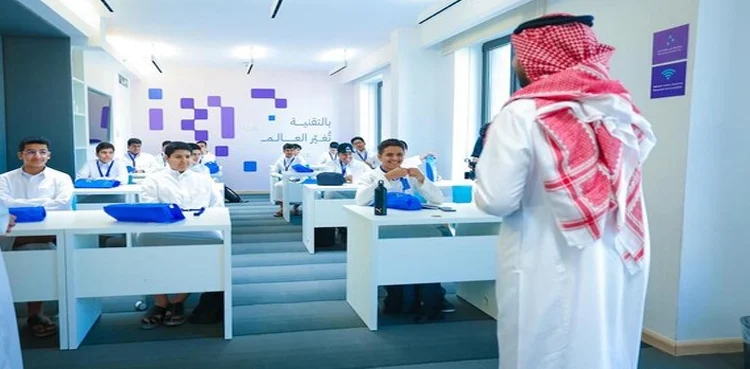
    Saudi Arabia introduces major education reforms under new school law

    Saudi Arabia has approved the executive regulations for its new General Education Law, introducing wide ranging reforms that will reshape the country’s education system from nursery through Grade 12. The new legislation creates a comprehensive legal framework for public and private education and is designed to support the goals of Saudi Arabia’s Vision 2030 by improving educational quality, expanding opportunities and strengthening oversight across the sector. One of the most notable changes allows private schools to decide whether boys and girls can study together, while public schools will continue to separate male and female students after the early childhood stage. The move marks a significant shift in education policy for the Kingdom and gives private institutions greater flexibility in organizing their academic programmes. The law also establishes a new General Education Affairs Council that will oversee key education policies. The council will be chaired by the Minister of Education and include representatives from several government ministries, the Education and Training Evaluation Commission and the private sector. Officials say the body will help coordinate education reforms and ensure that policies are aligned with national development goals. Compulsory education will continue for children between the ages of six and 15. The Ministry of Education will have the authority to take legal action against parents or guardians who prevent children from attending school or who contribute to students leaving education before completing the compulsory stage. Officials say the measure is intended to improve school attendance and reduce dropout rates. Arabic will remain the main language of instruction throughout the general education system. However, schools will be allowed to teach in another language when appropriate, giving educational institutions greater flexibility while preserving the country’s cultural and linguistic identity. The legislation also confirms that classroom teaching will remain the primary method of education across all grade levels. At the same time, the Ministry of Education plans to expand digital learning by developing programmes that include live online classes, self paced learning and other flexible educational options. Regulations will also be introduced for lifelong learning certificates to encourage continuous education beyond traditional schooling. Students will have access to more diverse educational pathways under the new framework. The ministry will be able to introduce specialized academic and vocational tracks designed to better prepare students for future careers and meet the changing demands of the labor market. The law places greater emphasis on supporting students with disabilities by requiring schools to provide suitable educational services, assistive technology and assessment methods that match individual learning needs. It also strengthens programmes for gifted students through specialized schools, enrichment centers, improved identification systems, teacher training and partnerships with universities and research institutions. Private schools will face stricter quality standards under the reforms. Educational institutions must obtain accreditation from the Education and Training Evaluation Commission or another internationally recognized accreditation body approved by Saudi authorities. The Ministry of Education will oversee licensing procedures, ownership transfers, school operations and the introduction of international curricula while ensuring that subjects related to national identity remain part of every approved curriculum. The new rules also introduce a clearer process for education licences. Applications must receive a written decision within 30 days, and institutions whose applications are rejected will have the right to appeal. The government says these measures are intended to improve transparency and encourage investment in the education sector. Private and nonprofit education providers will also benefit from a more defined regulatory framework. Under certain conditions, the ministry may provide financial assistance, staffing support or other resources to eligible institutions as part of efforts to expand educational services under Vision 2030. Teachers will have broader professional responsibilities under the new law. They will be expected to follow approved curricula, meet the learning needs of individual students, encourage creativity and innovation, identify gifted learners, uphold national values and participate in continuous professional development programmes. The legislation also introduces stricter disciplinary procedures for teachers, administrators and private schools that violate regulations. Authorities will have the power to temporarily remove staff from duty while investigations are carried out. Serious violations could result in dismissal and permanent disqualification from working in the education sector. Private schools that fail to comply with the law may receive warnings, face financial penalties, lose the right to admit new students or have their operating licences revoked. If a licence is cancelled, the school must ensure that enrolled students are able to complete the academic year without disruption at the owner’s expense.

  • | | |

    PM seeks broader JICA partnership in skills, miner…

    Prime Minister Shehbaz Sharif on Wednesday called for expanding Pakistan’s cooperation with the Japan International Cooperation Agency (JICA), identifying skills development, mineral exploration and support for small and medium-sized enterprises (SMEs) as key areas for future collaboration. The prime minister made the remarks during a meeting in Islamabad with a nine-member JICA delegation led by its President, Dr Tanaka Akihiko. He said Pakistan deeply values its decades-long partnership with Japan and expressed confidence that the latest engagement would further strengthen bilateral development ties. Highlighting the government’s economic agenda, Shehbaz said Pakistan had emerged from a challenging economic period through coordinated reforms and was now focused on achieving sustainable and inclusive growth. He noted that fiscal reforms had significantly improved revenue collection over the past three years, creating greater capacity for national development. The premier stressed that equipping young people with modern skills, expanding technical and vocational education, creating employment opportunities and empowering women remain among the government’s highest priorities. He said Pakistan is keen to benefit from JICA’s expertise in these sectors. Shehbaz also identified the country’s vast mineral resources as a major area of economic potential and invited JICA to provide technical assistance to help develop the sector and attract greater investment. Discussing support for businesses, the prime minister said reforms at the Small and Medium Enterprises Development Authority (SMEDA) had strengthened the institution. He expressed hope that enhanced cooperation with JICA would help improve SME productivity, encourage entrepreneurship and boost Pakistan’s exports. During the meeting, Shehbaz also conveyed condolences over the recent earthquake in Japan. Dr Tanaka thanked the prime minister for his message of sympathy and appreciated the warm hospitality extended to the Japanese delegation during its visit. The JICA president reaffirmed the agency’s commitment to expanding cooperation with Pakistan in healthcare, education, urban and rural development, industrial growth and technical training. He said future projects would be designed in line with the development priorities of both the federal and provincial governments. Dr Tanaka also acknowledged Pakistan’s efforts to promote peace and stability in the Middle East. Separately, Federal Minister for Economic Affairs Ahad Cheema met the JICA delegation to discuss future development initiatives. He invited the agency to participate in financing the Main Line-1 (ML-1) railway project alongside the Asian Development Bank and other development partners, describing the railway upgrade as vital for improving trade, transportation and industrial connectivity across the country. Cheema also sought JICA’s support for expanding internet connectivity in rural areas to promote freelancing and digital commerce. He requested technical assistance for feasibility studies of major infrastructure projects, an area in which JICA expressed readiness to cooperate.

  • |

    Students protest Cambridge exam leaks

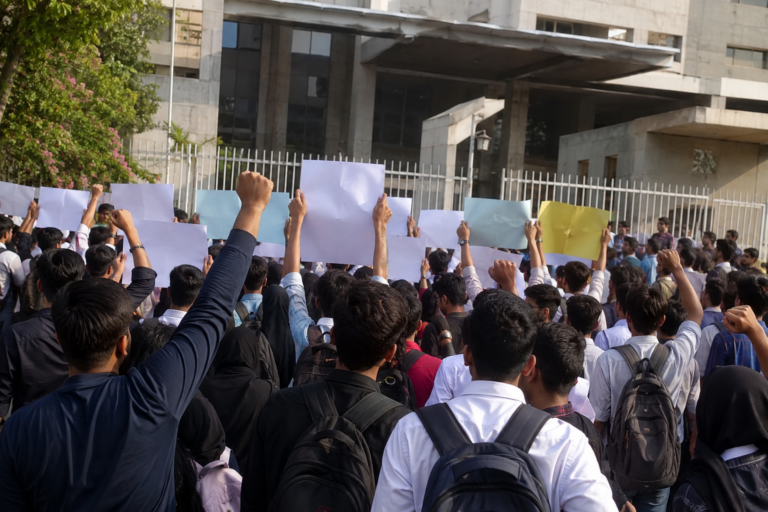
    ISLAMABAD: Accountability4Cambridge has called for a student protest against Cambridge Assessment International Education (CAIE) over alleged examination paper leaks during the 2026 examination cycle, saying the incidents have raised serious concerns about fairness and the credibility of Cambridge examinations. The student group said reports of leaked papers emerged in 2024 and increased in 2025, but Cambridge failed to provide sufficient public explanations or demonstrate that it had effectively strengthened its examination security system. According to Accountability4Cambridge, leaked material from several major papers circulated before scheduled examination times in 2026. The group compiled evidence from 17 alleged cases, including screen recordings showing time-zone information that it says established that the material was available before the relevant examinations. Cambridge recognised four cases and took action, but the students say the remaining evidence was not adequately addressed. The group raised the issue before the Senate Standing Committee on Federal Education and Professional Training on May 18 and again on June 16. Following the meetings, a sub-committee comprising IBCC, Cambridge, Accountability4Cambridge, the British Council, the Ministry of Education and NCCIA was formed. During a July 13 meeting, the students presented the 17 recordings and asked Cambridge to respond. After Cambridge questioned the reliability of the videos, Accountability4Cambridge sought forensic verification from the National Cyber Crime Investigation Agency (NCCIA). The group said NCCIA’s report, received on July 29, found no evidence of tampering in the submitted recordings. Accountability4Cambridge subsequently requested another sub-committee meeting to present the forensic findings. The meeting was initially scheduled for August 7 but was postponed to August 12 after Cambridge said it was unavailable. The students have also criticised Cambridge’s decision to use S1 paper marks instead of assessed marks. They argue that using compromised papers for grading could unfairly benefit students who accessed leaked material while disadvantaging those who did not. Accountability4Cambridge is demanding reversal of the S1 marking decision, lower grade thresholds for Computer Science and Mathematics, recognition of additional leaks supported by forensic evidence, publication of a detailed investigation report and a transparent mechanism for handling compromised examinations. The group has also urged schools to demand greater accountability from Cambridge. Founder Samaak Iqbal Malik said the dispute concerns the integrity of the entire examination system rather than a few individual papers. The organisation has announced a student demonstration outside the IBCC office in G-10, Islamabad, at 1pm on Wednesday, August 12, calling for immediate action before the controversy further affects students’ academic futures.

  • |

    President approves new high court judges

      President Asif Ali Zardari has approved the appointment of additional judges to several high courts across the country, along with the confirmation of certain judges already serving in an additional capacity. According to a statement issued by the Presidency, the president approved the appointment of additional judges to the Lahore High Court, Sindh High Court and Peshawar High Court. He also gave the go-ahead for appointments to the Islamabad High Court and Balochistan High Court. The latest decisions are part of the process of strengthening the judicial system and filling vacant or additional judicial positions in various high courts. In a separate decision, President Zardari approved measures to bring the salaries, allowances and pension benefits of Supreme Court judges on par with those of judges of the Federal Constitutional Court. The president also approved amendments to the 1997 order governing leave, pension and other benefits available to high court judges. The amendments seek to update the existing framework governing judicial privileges and post-service benefits. The Presidency further announced that President Zardari approved the appointment of Haroon Akhtar as the Prime Minister’s Adviser on Industries and Production. The appointment adds another senior figure to the federal government’s economic and industrial policy team, with the industries and production sector remaining a key area for investment, manufacturing growth and economic development.

Leave a Reply

Your email address will not be published. Required fields are marked *