thailand braces severe

Thailand Braces for Severe Super El Niño Next Year

BANGKOK, Thailand – Thailand is preparing for the severe impacts of a Super El Niño expected to strike the country this October and persist through the early part of the 2027 rainy season, threatening agricultural output, rice plantations, and national water security.

El Niño Drought Forces Water Rationing on Koh Samui

The Thai Meteorological Department has warned that the phenomenon could reduce overall rainfall by at least 10 percent. A Super El Niño represents an unusually strong warm phase of the El Niño-Southern Oscillation, characterized by significantly warmer-than-normal sea surface temperatures in the central and eastern tropical Pacific. According to Surapong Sarapa, director of the Weather Forecast Division at the department, the United States’ National Oceanic and Atmospheric Administration forecasts an 81 percent chance of a very strong El Niño developing between October and December, potentially marking the most intense event since 1950.

The extreme weather pattern is projected to weaken by early 2027, transitioning into a mild El Niño before shifting to La Niña conditions by the end of that year. While Thailand previously endured Super El Niño events in 1997-1998, 2015-2016, and 2024, officials caution that the current impacts are expected to be significantly more severe due to climate change. With global temperatures having already risen by approximately two degrees Celsius, the country faces heightened environmental vulnerabilities.

Rather than a uniform decrease in precipitation, the country is bracing for a dramatic shift in rainfall patterns. Meteorologists anticipate longer dry spells and a reduction in the total number of rainy days, with precipitation becoming highly concentrated in specific regions. This shift is expected to bring heavy downpours during traditionally dry periods and an increased frequency of intense, localized rain events.

This uneven distribution poses a significant challenge for water management, as much of the rainfall is expected to occur along border areas. Consequently, border provinces may receive adequate precipitation, while inland regions face a heightened risk of drought. The four major dams supplying water to the Central Plains are expected to maintain adequate levels through August and September, though combined storage is projected to be approximately 10 percent lower than during the same period last year.

The Royal Irrigation Department has warned that severe drought conditions are likely to reduce second-crop rice production next year by roughly 20 percent due to insufficient water supplies. To mitigate this threat, the Ministry of Agriculture and Cooperatives has introduced an alternate wetting and drying system for rice cultivation to conserve water. Officials noted that seasonal rice grown within designated irrigation zones will avoid shortages by relying on managed reservoir releases.

‘Super El Niño’ Puts Thailand on Alert as Drought Threatens Crops and Water Supplies

In response to the looming crisis, the department has allocated 9.49 billion cubic meters of water for consumption, agriculture, ecosystems, and industry. An additional 5.46 billion cubic meters will be strategically released, bringing the total planned water allocation for the rainy season to nearly 15 billion cubic meters. Authorities have increased water discharges this month to support farmers but plan to reduce flows in the coming month to preserve vital reserves for the impending drought season, during which water demand is projected to surge by 20 percent.

-Thailand News (TN)

Similar Posts

  • Thai Navy Boosts Patrols After Repeated Incursions by Foreign Fishing Vessels Off Trat

    TRAT – The Royal Thai Navy has intensified patrol operations in the Gulf of Thailand after more than 30 foreign fishing vessels were detected encroaching into Thai waters off Trat province for the second time this month, a naval spokesman confirmed today. Thai Navy Detains Cambodian Vessel for Illegal Fishing in Trat Rear Admiral Paraj […]

  • | | |

    Fake Iranian statements allegedly used to push nuc…

    TEL AVIV: An Israeli journalist has alleged that a fabricated statement attributed to an Iranian official was circulated as part of an effort to portray Tehran as actively seeking to develop nuclear weapons. According to Israeli journalist Ronen Bergman, a false statement was allegedly created and attributed to Ahmad Vahidi, a senior commander of Iran’s Islamic Revolutionary Guard Corps. The fabricated remarks purportedly claimed that Iran was developing nuclear weapons. Bergman said the alleged fake statement was initially circulated through the social media account of a Hindu extremist in India before being amplified by a number of prominent Israeli and US-linked accounts and figures. He alleged that the material was subsequently shared by accounts associated with Israel’s Mossad, an Israeli television channel, Israeli Prime Minister Benjamin Netanyahu and the US ambassador to the United Nations. The claims have raised questions about the role of disinformation in the highly sensitive debate surrounding Iran’s nuclear programme, particularly amid continuing tensions between Tehran and Israel. The allegation is significant because claims about Iran’s nuclear ambitions have repeatedly featured in political and security debates in the region. Any fabricated statement presented as an authentic admission could potentially influence public opinion and international perceptions. However, the reported allegations concern the authenticity and circulation of the statement rather than independently establishing the broader question of Iran’s nuclear intentions. The development highlights how rapidly unverified material can spread across social media and be amplified by influential accounts, especially during periods of heightened geopolitical tension. The claims attributed to Bergman are likely to fuel further debate over information warfare, source verification and the use of alleged intelligence-related material in the ongoing Iran-Israel confrontation.

  • |

    Electricity tariff may rise by Rs1.34 per unit

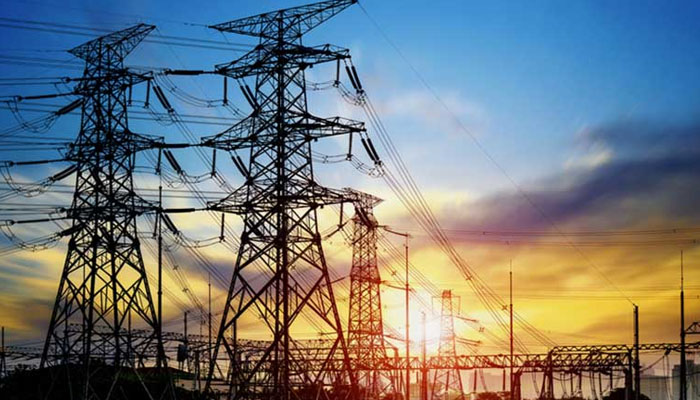
    ISLAMABAD: Electricity consumers across Pakistan may face another increase in power tariffs as the National Electric Power Regulatory Authority (NEPRA) considers a quarterly adjustment that could raise electricity prices by Rs1.34 per unit each month for three months. NEPRA has reserved its decision on a request submitted by power distribution companies seeking to recover around Rs34 billion from consumers under the quarterly tariff adjustment mechanism. According to sources, the proposed adjustment could increase the electricity tariff by Rs1.34 per unit for each of the next three months. If approved, consumers would see the additional charge reflected in their monthly electricity bills during the applicable period. The distribution companies have sought the adjustment to recover costs incurred during the relevant quarter. NEPRA reviewed the request and heard the stakeholders’ positions before reserving its decision. Sources said the regulator will conduct a detailed assessment of the claims before issuing its final decision. The authority will determine the exact amount to be passed on to consumers after reviewing the companies’ financial data and adjustment claims. The final decision will clarify whether NEPRA approves the full requested amount and how the additional cost will affect electricity consumers.

  • | | |

    Pakistan’s defence tech breakthrough: PM Shehbaz

    Prime Minister Shehbaz Sharif has said Pakistan has achieved significant progress in developing its own defence technologies and autonomous systems. Addressing the Indus Robotics and Autonomous Systems (RAS) Expo 2026 in Islamabad, the prime minister praised the country’s growing capabilities in robotics, artificial intelligence and advanced defence technologies. PM Shehbaz said Pakistan’s armed forces have made major advancements in indigenous defence production and autonomous systems. He credited the progress to strong leadership and the efforts of national institutions. He said modern technologies displayed at the exhibition reflected Pakistan’s ability to develop advanced systems locally. The prime minister highlighted that several defence-related technologies, including simulators and autonomous platforms, were designed and manufactured within the country. During his visit to the exhibition, PM Shehbaz reviewed various locally developed technologies. He said the production of advanced equipment inside Pakistan was a major achievement and demonstrated the country’s growing technical expertise. The prime minister noted that drone technology had achieved significant levels of local production, while several other important machines and systems were also being developed domestically. He said Pakistan’s armed forces have successfully used modern autonomous systems to strengthen the country’s physical and cyber security. He added that advanced technologies have enhanced the ability of security institutions to respond to emerging challenges. PM Shehbaz emphasized the importance of innovation, research and technological development for Pakistan’s future. He said continued investment in artificial intelligence, robotics and modern defence systems would help strengthen national security and technological independence. The Indus Robotics and Autonomous Systems Expo brings together experts, researchers, defence professionals and technology developers to showcase advancements in robotics, automation and artificial intelligence. The prime minister said such initiatives would encourage local innovation and support Pakistan’s journey toward self-reliance in advanced technologies.

  • Cambodian Attacks Continue but Intensity Declines Substantially: Thai Defence Ministry

    BANGKOK – Cambodian forces continued strikes along the Thai border on Sunday, the fourteenth day of renewed hostilities, though the intensity of attacks has dropped considerably, according to the Thai Ministry of Defence. In a daily briefing, Defence Ministry spokesman Rear Admiral Surasant Kongsiri reported that Cambodian troops fired rockets from BM-21 multiple launchers at […]

  • | |

    Pakistan, Saudi Arabia landmarks lit up after defe…

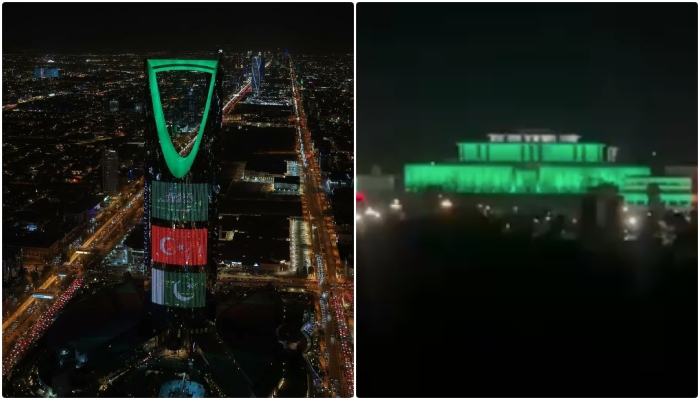
    Major landmarks in Pakistan and Saudi Arabia were illuminated with the national flags of Pakistan, Saudi Arabia and Türkiye following the signing of a landmark defence agreement between the three countries. The agreement was signed in Makkah a day earlier by the leaders of Pakistan, Saudi Arabia and Türkiye, marking a significant development in defence cooperation among the three countries. In Islamabad, key government buildings, including the President’s House, Prime Minister’s House and Parliament House, were decorated with the flags of the three nations to mark the agreement. The flags of Pakistan, Saudi Arabia and Türkiye were also displayed along major roads across the federal capital. Welcome banners highlighting the Makkah defence agreement were placed at prominent locations across the city. The celebrations extended to Saudi Arabia, where major landmarks and towers in Riyadh and other cities were illuminated and decorated with the flags of all three countries. The coordinated displays reflected the close ties and growing strategic cooperation between Pakistan, Saudi Arabia and Türkiye following the signing of the defence pact.

Leave a Reply

Your email address will not be published. Required fields are marked *