thailand braces severe

Thailand Braces for Severe Super El Niño Next Year

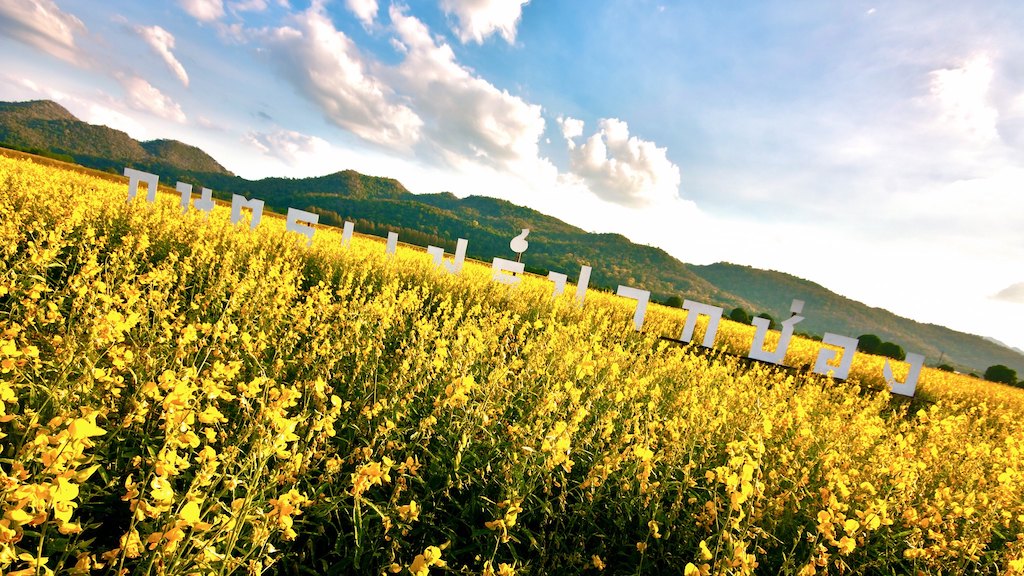
BANGKOK, Thailand – Thailand is preparing for the severe impacts of a Super El Niño expected to strike the country this October and persist through the early part of the 2027 rainy season, threatening agricultural output, rice plantations, and national water security.

El Niño Drought Forces Water Rationing on Koh Samui

The Thai Meteorological Department has warned that the phenomenon could reduce overall rainfall by at least 10 percent. A Super El Niño represents an unusually strong warm phase of the El Niño-Southern Oscillation, characterized by significantly warmer-than-normal sea surface temperatures in the central and eastern tropical Pacific. According to Surapong Sarapa, director of the Weather Forecast Division at the department, the United States’ National Oceanic and Atmospheric Administration forecasts an 81 percent chance of a very strong El Niño developing between October and December, potentially marking the most intense event since 1950.

The extreme weather pattern is projected to weaken by early 2027, transitioning into a mild El Niño before shifting to La Niña conditions by the end of that year. While Thailand previously endured Super El Niño events in 1997-1998, 2015-2016, and 2024, officials caution that the current impacts are expected to be significantly more severe due to climate change. With global temperatures having already risen by approximately two degrees Celsius, the country faces heightened environmental vulnerabilities.

Rather than a uniform decrease in precipitation, the country is bracing for a dramatic shift in rainfall patterns. Meteorologists anticipate longer dry spells and a reduction in the total number of rainy days, with precipitation becoming highly concentrated in specific regions. This shift is expected to bring heavy downpours during traditionally dry periods and an increased frequency of intense, localized rain events.

This uneven distribution poses a significant challenge for water management, as much of the rainfall is expected to occur along border areas. Consequently, border provinces may receive adequate precipitation, while inland regions face a heightened risk of drought. The four major dams supplying water to the Central Plains are expected to maintain adequate levels through August and September, though combined storage is projected to be approximately 10 percent lower than during the same period last year.

The Royal Irrigation Department has warned that severe drought conditions are likely to reduce second-crop rice production next year by roughly 20 percent due to insufficient water supplies. To mitigate this threat, the Ministry of Agriculture and Cooperatives has introduced an alternate wetting and drying system for rice cultivation to conserve water. Officials noted that seasonal rice grown within designated irrigation zones will avoid shortages by relying on managed reservoir releases.

‘Super El Niño’ Puts Thailand on Alert as Drought Threatens Crops and Water Supplies

In response to the looming crisis, the department has allocated 9.49 billion cubic meters of water for consumption, agriculture, ecosystems, and industry. An additional 5.46 billion cubic meters will be strategically released, bringing the total planned water allocation for the rainy season to nearly 15 billion cubic meters. Authorities have increased water discharges this month to support farmers but plan to reduce flows in the coming month to preserve vital reserves for the impending drought season, during which water demand is projected to surge by 20 percent.

-Thailand News (TN)

Similar Posts

  • Thailand’s 60-Day Visa-Free Stay Is Ending: What Tourists and Long-Stay Expats Need to Know

    CHIANG MAI – Thailand’s two-year experiment with 60-day visa-free entry is coming to an end. On 19 May 2026, the Cabinet approved cancelling the 60-day exemption scheme that has covered visitors from 93 countries and territories since July 2024, reverting most nationalities to a 30-day stay. But here is the part that matters for anyone […]

  • | |

    Karachi issues traffic plan for Chehlum procession

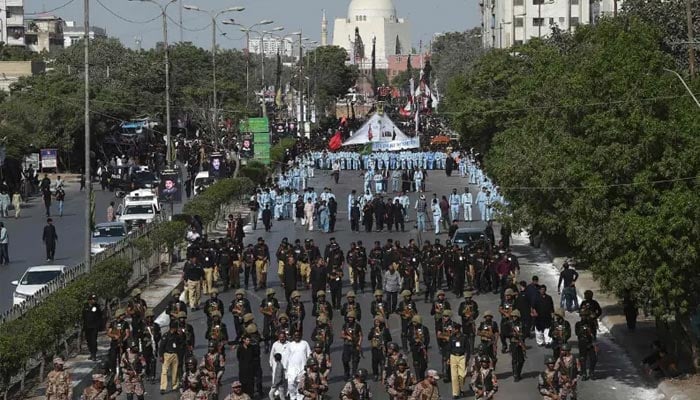
    KARACHI: The Karachi Traffic Police has announced a comprehensive traffic management plan ahead of the central Chehlum procession on Tuesday, urging commuters to use alternative routes as several major roads will remain closed during the religious event. According to the traffic arrangements, the main Chehlum procession will begin from Nishtar Park at 9:00am and proceed along its traditional route. M.A. Jinnah Road will remain closed to regular traffic for the duration of the procession to ensure the safety of participants and maintain security. Authorities have prepared a series of traffic diversions to minimize disruption across the city. Vehicles traveling from Saddar towards Tower will be redirected through Preedy Street and I.I. Chundrigar Road, while motorists approaching from Shahrah-e-Quaideen will be diverted via Kashmir Road and People’s Chowrangi. Traffic from Korangi, Landhi and the National Highway will be routed through Rashid Minhas Road and the Super Highway. Commuters coming from Nazimabad will be able to use Lasbela, Garden and Nishtar Road, while traffic from Liaquatabad will be diverted from Lasbela Chowk towards Nazimabad No. 10. Motorists traveling from Hassan Square and Shahrah-e-Faisal have also been advised to follow designated diversion routes through Society Light Signal, Teen Hatti and Sher Shah Suri Road. Drivers using Jamshed Road toward Guru Mandir have been asked to use Bahadur Yar Jang Road or Soldier Bazaar Road as alternate routes. Traffic police further announced that heavy vehicles will not be allowed to enter Karachi from 10:00am until the conclusion of the procession. Parking will also be prohibited along the procession route, and any vehicle found violating the restrictions will be removed immediately. Chehlum of Hazrat Imam Hussain (RA) and the martyrs of Karbala will be observed across the country on Tuesday with mourning processions and religious gatherings taking place under heightened security arrangements.

  • Fugitive Abbot of Dhammakaya Temple Cleared as Statute of Limitations Expires

    PATHUM THANI — Phra Dhammajayo, the controversial former abbot of Dhammakaya Temple, is now a free man after public prosecutors dropped money laundering charges against him in connection with the Klongchan Credit Union Cooperative case, citing the expiry of the statute of limitations. Rumors claim Phra Dhammachaiyo has fled to Europe On March 20, the […]

  • | |

    PTI’s Akmal Khan Bari moves LHC over police hara…

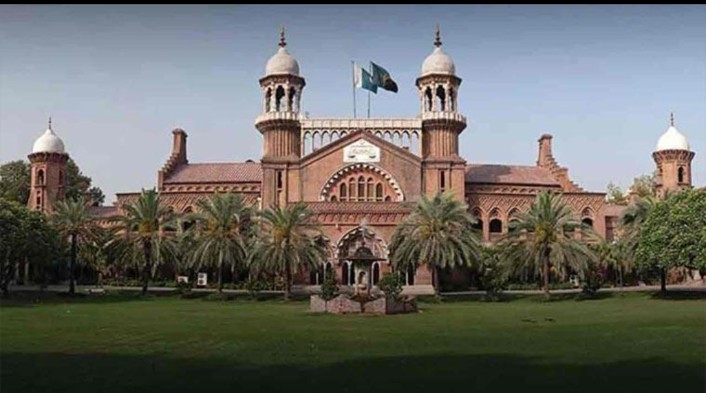
    LAHORE: Pakistan Tehreek-e-Insaf (PTI) leader Akmal Khan Bari has approached the Lahore High Court (LHC), accusing the Punjab Police of political victimisation and unlawful harassment, while seeking constitutional protection for himself and his family against what he alleges are repeated illegal actions by law enforcement authorities. The constitutional petition was filed through senior lawyer Sardar Latif Khosa, with the Inspector General of Police (IGP) Punjab and other relevant officials named as respondents. The petition urges the court to intervene, alleging that police actions have exceeded legal limits and infringed upon the petitioner’s constitutional rights. According to the plea, police officials allegedly raided Akmal Khan Bari’s residence at around 10:00 p.m. on July 27. The petitioner claims that officers entered the premises without lawful justification and subjected his family members to intimidation and harassment during the late-night operation. The petition further states that Bari had previously been arrested in what he describes as a fabricated criminal case. It argues that the latest police action is part of a broader pattern of political victimisation aimed at pressuring him because of his affiliation with Pakistan Tehreek-e-Insaf. The petitioner maintains that no criminal allegation currently justifies repeated police raids or coercive measures against him or his family. He contends that such actions violate the fundamental rights guaranteed under Pakistan’s Constitution, including the rights to personal liberty, dignity, privacy, and equal protection before the law. According to the petition, law enforcement agencies are legally bound to operate within the framework of the Constitution and cannot exercise their authority arbitrarily or for political purposes. It alleges that the conduct of the respondents is mala fide, unlawful, and inconsistent with constitutional safeguards designed to protect citizens from abuse of power. Bari has requested the Lahore High Court to issue directions restraining the Punjab Police and other respondents from taking any unlawful coercive action against him. He has also sought specific orders preventing police officials from harassing, intimidating, or interfering with members of his family. Additionally, the petition asks the court to direct all respondents to perform their duties strictly in accordance with the Constitution and applicable laws, ensuring that no individual is subjected to harassment without legal grounds. The Lahore High Court is expected to take up the constitutional petition for preliminary proceedings, where it will determine whether notices should be issued to the respondents and what further legal steps, if any, are warranted. The Punjab Police had not issued an official response to the allegations at the time this report was filed.

  • | |

    Pakistan mediates US-Iran talks over Hormuz crisis

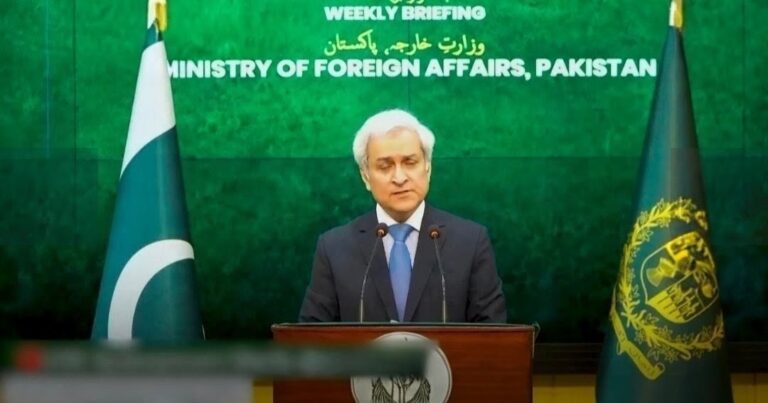
    Pakistan has confirmed that diplomatic negotiations between the United States and Iran remain active despite renewed military escalation across the Middle East, expressing hope that dialogue can prevent the conflict from spiraling into a wider regional crisis. Speaking at a weekly briefing in Islamabad, Foreign Office spokesperson Tahir Andrabi said negotiations were continuing with a particular focus on reducing tensions and addressing the growing dispute over the strategically vital Strait of Hormuz. “Negotiations between parties are ongoing, particularly on the Strait of Hormuz and to de-escalate,” Andrabi told reporters, emphasizing that Pakistan remains committed to promoting a peaceful resolution to the conflict. The spokesperson said Islamabad is working closely with all relevant parties to revive the Islamabad Memorandum of Understanding (MoU), an agreement aimed at creating a framework for technical discussions and confidence-building measures between Washington and Tehran. “We are doing our utmost to bring all parties back to the Islamabad MoU,” Andrabi said, adding that Pakistan is encouraging both sides to honor their commitments and continue technical-level talks despite recent hostilities. His remarks come as the region faces one of its most dangerous security crises in recent years. The United States has resumed large-scale military strikes on Iranian targets following missile attacks on American forces, while Iran has vowed further retaliation. The escalating conflict has raised fears over the security of the Strait of Hormuz, a key global shipping route through which a significant share of the world’s oil and liquefied natural gas supplies passes. Pakistan has consistently advocated diplomacy over military confrontation, warning that continued violence could threaten regional stability, disrupt global energy markets and increase the risk of a broader conflict involving additional countries. Analysts say Pakistan’s role as a mediator has become increasingly significant as communication channels between Washington and Tehran remain strained. While no breakthrough has yet been announced, officials believe sustained dialogue offers the best chance of easing tensions and preventing further escalation. With fighting continuing across the region, Islamabad has reiterated its support for peaceful negotiations, urging all parties to exercise restraint and prioritize diplomacy over confrontation in order to safeguard regional peace and international energy security.

  • Oil prices hold above one-week highs as US-Iran te…

    Global oil prices remained largely steady on Tuesday near their highest level in more than a week as uncertainty over a possible ceasefire agreement between the United States and Iran continued to weigh on market sentiment. Brent crude futures were little changed at $87.81 per barrel by 0013 GMT, while US West Texas Intermediate (WTI) crude futures stood at $82.20 per barrel. Both international benchmarks had climbed more than 5% during Monday’s trading session, reaching their highest levels since July 31. The sharp increase came after US President Donald Trump issued fresh demands in response to Iran’s conditions for a potential peace agreement, raising concerns that diplomatic efforts to end the conflict could face further obstacles. Trump has demanded compensation from Iran for deaths and damage linked to wars, attacks and protests, a position that analysts say could make negotiations more difficult. His comments have also increased uncertainty over the future of the Strait of Hormuz, one of the world’s most important oil shipping routes. Later, Trump said the United States was in control of the strategic waterway and had carried out operations to clear Iranian mines from the strait. The remarks added to concerns among energy traders about the security of commercial shipping in the region. “There appears to be a gulf, no pun intended, between the U.S. and Iran over what any agreement would actually look like,” said Tim Waterer, chief market analyst at KCM Trade. According to Waterer, the lack of progress has caused some of the optimism that had supported oil prices in the previous week to fade. The possibility of prolonged disruption to crude shipments has instead provided additional support to prices. Hormuz and Bab el-Mandeb Remain Key Risks The Strait of Hormuz remains a major focus for global energy markets because of its importance to international crude and petroleum-product shipments. Any prolonged disruption in the waterway could tighten global supplies and push up transportation and insurance costs. Market concerns have also extended to the Bab el-Mandeb, another critical maritime route connecting the Red Sea with the Gulf of Aden. Waterer said the risks surrounding both waterways remained significant, warning that even temporary restrictions or the threat of further attacks could raise insurance premiums and force shipping companies to take longer routes. Such disruptions could reduce the volume of energy supplies reaching international markets in the near term, adding further volatility to crude prices. Data cited by Barclays showed that crude oil and refined petroleum product net exports through the Strait of Hormuz averaged around 3 million barrels per day in the week ending August 7. That was significantly below the 4.4 million barrels per day recorded during the previous week. The decline highlights the potential impact of regional security risks on energy flows and has heightened concerns about supply availability if disruptions continue. Jazan Refinery Restart Delayed Supply concerns were also reinforced by developments in Saudi Arabia, where state oil giant Saudi Aramco has postponed the restart of its Jazan refinery. The refinery, which has a processing capacity of around 400,000 barrels per day, is now expected to resume operations on August 30 after the Iran-aligned Houthis claimed responsibility for two attacks on the facility on Sunday. The delay could further complicate regional fuel supply conditions at a time when traders are already closely monitoring disruptions to shipping routes. Iraq Raises Basra Medium Price Meanwhile, Iraq has increased the official selling price for its Basra Medium crude for Asian buyers for September. The price was raised by $2.50 to a discount of $4 per barrel against the average of Oman and Dubai crude benchmarks. The adjustment comes as Asian refiners and international traders continue to assess supply risks arising from tensions in the Middle East. With diplomatic uncertainty between Washington and Tehran, disruptions around major shipping routes and refinery-related setbacks continuing to influence the market, oil prices are likely to remain sensitive to developments in the region.

Leave a Reply

Your email address will not be published. Required fields are marked *