population boom demands
| |

Population boom demands governance reset: DG ISPR

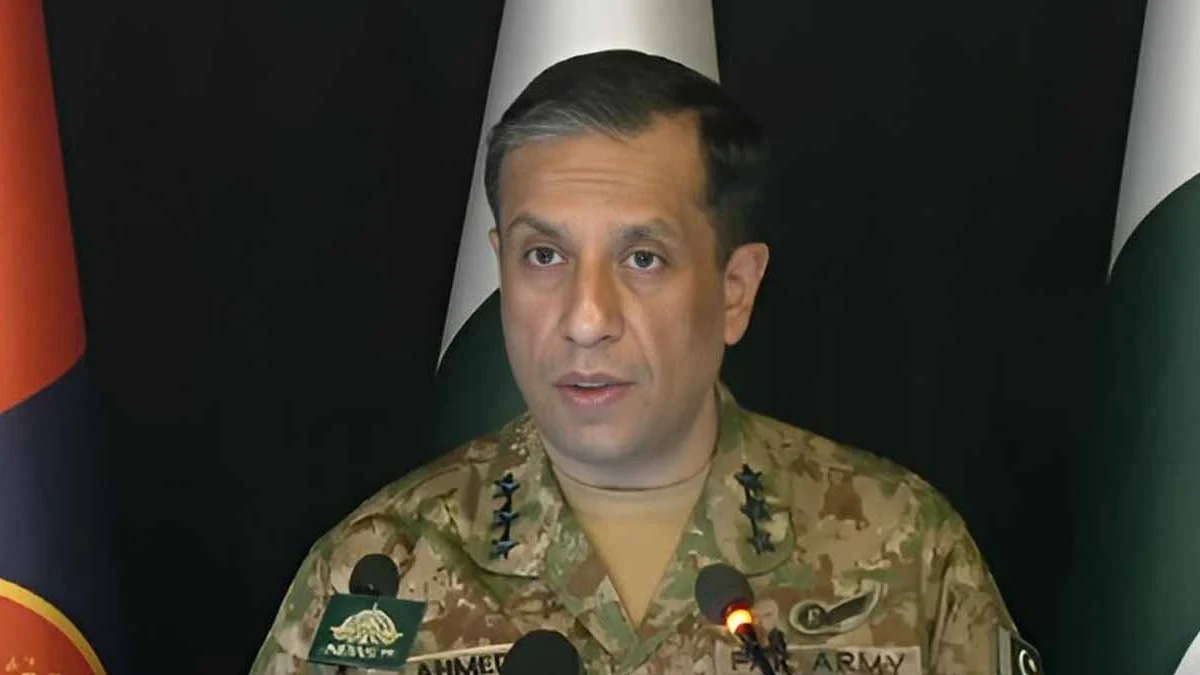
Director General of Inter-Services Public Relations (DG ISPR) Lieutenant General Ahmed Sharif Chaudhry on Friday said Pakistan’s rapid population growth requires a serious review of the country’s governance and administrative structure to ensure it continues to meet the nation’s needs.

Speaking at a news conference, the military spokesperson noted that Pakistan’s population had increased from around 70 to 80 million in 1972 to nearly 250 million today, while the country’s administrative framework had largely remained unchanged.

He said such a significant rise in population made it necessary to assess whether the existing system was still capable of delivering effective governance and public services.

The DG ISPR stressed that improving governance was essential for national security and stability, adding that unresolved issues indicated the need for reforms. However, he emphasized that any changes to the administrative structure must be introduced through constitutional and democratic processes.

He said the decision on governance reforms or administrative restructuring should reflect the aspirations of the people rather than individual opinions.

Lt Gen Chaudhry also highlighted that Pakistan’s youth now make up the largest segment of the population and urged political leaders to focus on improving governance while guiding the public through constructive political dialogue.

He reiterated that lasting solutions to the country’s governance challenges could only be achieved through constitutional means and in accordance with the will of the people.

Similar Posts

  • | |

    Influencer Shay Martin remarries a year after husband’s death

    LOS ANGELES: Social media influencer Shay Martin has announced that she has remarried, nearly a year after the death of her husband, Tanner Martin, marking the beginning of a new chapter in her life. Shay shared the news with her followers through a heartfelt post on Instagram, where she reflected on her journey over the past year and thanked supporters who had stood by her family during one of the most difficult periods of their lives. In a statement, she said she understood that many people had questions about how her life had changed since Tanner’s passing. She explained that she chose to share her story personally so that her followers could hear directly from her rather than through speculation. Shay revealed that she and her late husband had spoken openly about the future before his death. According to her, Tanner had hoped that one day she would find someone who would love both her and their daughter, AmyLou, while respecting the family they had built together. She said those conversations gave her strength to move forward and embrace a new beginning without forgetting the memories she shared with her late husband. The influencer encouraged followers to watch the full video she posted online, saying it explains her emotions, Tanner’s wishes, and the reasons behind her decision to remarry. Shay stressed that starting a new relationship does not diminish the love she continues to hold for Tanner. She said he will always remain an important part of her life and will forever be remembered as AmyLou’s father. She also recalled one of Tanner’s lasting messages, urging people to treat others with kindness and to assume good intentions in difficult situations. Her announcement received widespread attention on social media, with many followers offering messages of support and wishing her happiness as she begins the next phase of her life while continuing to honour the memory of her late husband.

  • | |

    Christian Convery calls Anne Hathaway his ‘hero’

    Actor Christian Convery has opened up about his experience filming the sci-fi thriller The End of Oak Street, describing the production as both exciting and emotionally demanding while praising his co-star Anne Hathaway. The film features Convery alongside Hathaway, Ewan McGregor and Maisy Stella. The story follows the Platt family as they struggle to survive after their neighbourhood is mysteriously displaced into an unfamiliar and dangerous environment. Speaking about the filming experience, Convery said the production involved a sharp contrast between lighthearted family scenes and emotionally intense sequences. He explained that scenes involving ordinary family moments, such as a neighbourhood party or a meal together, were enjoyable to film. However, extended periods of emotionally heavy scenes became exhausting for the cast. The young actor said the demanding nature of the production helped the cast connect with their characters on a deeper level. According to Convery, the actors were placed under considerable physical and emotional pressure during filming, which helped them portray the fear, tension and uncertainty experienced by their characters more convincingly. Convery also discussed how the cast developed a believable family dynamic on screen. He said there was no special formula for creating chemistry because the cast members naturally connected when they first met. He credited the table read, preparation sessions and regular discussions for helping the actors understand their relationships within the story. The cast also spent time together away from the set, including during meals and weekends, which further strengthened their bond. The actor said the close relationship eventually extended beyond the principal cast, describing the entire production team as a large family. Convery also spoke warmly about working with Anne Hathaway, admitting that he initially felt nervous because she had been one of his acting heroes for many years. He said Hathaway treated him as a professional colleague rather than simply as a young actor. That approach helped him feel respected and gave him an opportunity to learn from her while maintaining a clear distinction between their on-screen relationship and their real-life professional relationship. Convery has been working in the entertainment industry since childhood. He said a major turning point came when he was around nine years old and landed the lead role in Sweet Tooth, a project he filmed over several years in New Zealand. He explained that the experience encouraged him to take acting more seriously and develop a deeper understanding of filmmaking. He began studying different performances, directors and classic films while learning more about the creative process behind cinema. Despite his early success, Convery said he remains focused on improving his craft and believes actors should remain grounded and recognise that there is always more to learn.

  • |

    Cooper Hoffman breaks silence on Nico Parker dating rumors

    Cooper Hoffman has officially confirmed his relationship with actress Nico Parker, ending months of speculation surrounding the pair’s romance. The 23-year-old actor opened up about his relationship during a recent interview, revealing that the couple first met while working together on Poetic License, the directorial debut of filmmaker Maude Apatow. Although they quickly developed a close connection on set, Hoffman explained that they did not begin dating until after filming had wrapped. According to the actor, the relationship became official when Parker visited New York to meet his mother, renowned costume designer Mimi O’Donnell. It was during that trip that Hoffman asked Parker to be his girlfriend, describing the moment as heartfelt and memorable. The actor shared that while filming helped them get to know each other, they intentionally waited until production had ended before taking their friendship to the next level. Their decision allowed them to separate work from their personal lives and build a relationship naturally. Following Hoffman’s confirmation, fans flooded social media with supportive messages celebrating the couple. Many admired their chemistry and expressed happiness that the actors had finally made their romance public. One fan commented that the pair appeared genuinely happy together and praised Hoffman for seeming kind and sincere. Another wrote that they loved seeing the two together, while a third jokingly referred to them as “two nepo babies,” acknowledging their famous Hollywood family backgrounds. Although their relationship has only now been publicly confirmed, rumors linking Hoffman and Parker have circulated since 2025. The pair first met in November 2024 while filming Poetic License, where they formed a close friendship. Despite their growing bond during production, they chose not to pursue a romantic relationship until several weeks after filming concluded. Speculation about their romance intensified in June 2025 when Parker hinted during an interview that she was seeing someone she described as “sweet.” Although she did not reveal the person’s identity, fans quickly began connecting the dots after noticing her frequent appearances with Hoffman. The rumors gained further momentum as the two were spotted together on multiple occasions, including social media posts that showcased their time together away from the spotlight. Interest in their relationship continued to grow in September 2025 when Hoffman and Parker attended the Toronto International Film Festival to promote Poetic License. During the event, the actors were photographed sharing a lighthearted moment while playing with a puppy, fueling even more speculation that they were more than just co-stars. Despite increasing public attention, both actors largely kept their private lives out of the spotlight, avoiding public discussion about their relationship for more than a year. Now, with Hoffman openly confirming their romance, fans finally have official confirmation that the pair are indeed together. His candid comments have been warmly received by supporters, many of whom have followed the couple’s journey from co-stars to partners. As both actors continue to build successful careers in Hollywood, their relationship has become one of the entertainment industry’s most talked-about young romances, with fans eager to see what lies ahead for the couple both on and off the screen.

  • | | |

    9 cancer medicines declared fake and illegal after…

    A major health alert has emerged in Karachi after the Sindh Drug Testing Laboratory declared nine medicines used for cancer treatment as substandard, fake, and unregistered. Authorities have started action against the responsible parties following the laboratory findings. Director Sindh Drug Testing Laboratory Syed Adnan Rizvi said that the investigation was launched after receiving laboratory reports, and relevant institutions have begun taking action based on the results. According to Rizvi, some of the cancer medicines tested did not contain the required active ingredients needed for treatment, while others did not have a valid registration number from the Drug Regulatory Authority of Pakistan (DRAP). He warned that the availability of counterfeit and low-quality cancer medicines poses a serious threat to patients because ineffective treatment can allow the disease to progress and reduce the chances of recovery. The official also raised concerns about prescription practices, stating that some oncologists mention the names of specific pharmacies on prescriptions, which may force patients to purchase medicines only from those outlets. He emphasized the need for transparency and strict monitoring throughout the medicine supply chain. Cancer medicines are highly sensitive and require accurate composition and quality standards because patients depend on them for life-saving treatment. Experts have repeatedly stressed that fake or substandard drugs can cause severe health consequences, especially for people undergoing critical therapies. The Sindh Drug Testing Laboratory findings have increased concerns about medicine regulation and quality control in the healthcare sector. Authorities are expected to investigate the source of the suspected medicines, identify those involved in their distribution, and take legal action where necessary. The incident highlights the importance of purchasing medicines only from authorized pharmacies and ensuring that drugs carry proper registration details and quality certifications. Health officials have urged patients and healthcare providers to remain cautious and report any suspicious medicines to relevant authorities. Drug safety remains a major challenge in many healthcare systems, and officials say stronger monitoring, improved enforcement, and public awareness are essential to prevent the circulation of counterfeit medicines. Further details about the investigation and action against those responsible are expected as authorities continue their review of the case.

  • | |

    Mariyam Nafees calls for priority queues for vulnerable people

    Pakistani actor and host Mariyam Nafees has called for the introduction of separate priority queues in Pakistan for people who may find it difficult to stand in regular lines for long periods. The actor raised the issue during a special Independence Day episode of Good Morning Pakistan, where she appeared alongside Sarwat Gillani, Amar Khan, Saif Ali Khan, Mohsin Abbas and Omair Rana. During the programme, Mariyam highlighted the difficulties faced by elderly people, pregnant women, young children and individuals with disabilities or health problems when they have to wait in long queues. She said priority lines are commonly available in many countries to facilitate people who need special consideration. In her view, young and physically fit individuals can generally wait longer, while vulnerable people may not be able to do so comfortably. Mariyam said Pakistan should also consider introducing dedicated queues at public offices and other places where people regularly have to wait for services. She stressed that simply allowing vulnerable people to move ahead is not always effective because some members of the public may ignore their needs. According to her, a formal priority system could make the process more organised and ensure that deserving people receive timely assistance. The actor’s comments focused on the broader issue of public behaviour and social responsibility. She suggested that a structured system could reduce disputes and make public spaces more accessible for those who need additional consideration. During the discussion, Saif Ali Khan also supported the broader point. He noted that the problem is not limited to queue arrangements. He pointed out that people sometimes give preference to friends, relatives or acquaintances at offices and other places. He argued that such preferential treatment should also be discouraged. The discussion drew attention to the importance of fairness in public spaces and equal access to services. Mariyam’s remarks have also sparked conversation about whether Pakistan should introduce more formal systems to assist elderly citizens, pregnant women, children and people with disabilities.

  • | |

    Doctors reject FBR POS system, warn of public prot…

    Islamabad: The Pakistan Medical Association Punjab has warned the Federal Board of Revenue that doctors could launch legal action, protests and even withdraw medical services if the proposed Point of Sale system is imposed on private healthcare establishments. PMA Punjab President Dr Kamran Saeed Sheikh said the medical community was ready to fight the issue through courts, public protests, banners and awareness campaigns if its concerns were not addressed. He said the doctors could also consider token strikes or withdrawal of services. The warning came during a press conference at the National Press Club, where the PMA Punjab provincial council met in Islamabad. Doctors from different parts of Punjab discussed the FBR initiative concerning POS systems and the requirements linked to Section 175C. Dr Kamran Saeed Sheikh said doctors were not refusing to pay taxes. He stressed that the medical profession should not be treated like an ordinary business because healthcare is an essential public service. According to Dr Kamran Saeed Sheikh, the proposed system could create additional technical and financial difficulties for doctors and ultimately increase the cost of healthcare for ordinary patients. He also raised concerns about patient privacy. He said information about a patient’s illness, visits and expenses must remain confidential and should not be exposed through systems that could allow unnecessary access or monitoring. The PMA Punjab president said private healthcare providers were already paying taxes on several areas, including electricity, equipment, water, gas and buildings. He argued that adding more technical requirements could take doctors away from their main responsibility of treating patients. Dr Kamran Saeed Sheikh also warned that doctors were already leaving Pakistan and that healthcare establishments in some areas were closing rather than opening. He said further administrative pressure could make the situation worse. The PMA leadership said it had already held two meetings with the FBR and had also sent written communications explaining its position. According to Dr Kamran Saeed Sheikh, the discussions had not produced the result the doctors wanted. He said the medical community was prepared to keep all legal and democratic options open. “We will fight legal battles, go to court and protest,” Dr Kamran Saeed Sheikh said during the briefing. He also warned that doctors could come onto the streets and consider withdrawal of services if the issue was not resolved. Dr Maqsood Zahid, President Elect of PMA Punjab, also questioned whether POS technology was suitable for medical services. He argued that healthcare was different from selling ordinary products because doctors provide services that can be required at any time, including emergencies during the night. He said doctors could not stop treating an emergency patient simply because a machine was not working or an internet connection had failed. Dr Maqsood Zahid said many patients also receive treatment without paying the full amount. Some patients receive services at half rates, while others are treated free of charge. He questioned how such cases would be properly reflected through a system designed mainly around payment records. He gave the example of a hospital in Mian Channu, Khanewal, where doctors reportedly deal with many patients without charging them. He said that out of 100 patients, around 60 could be treated without receiving even a single penny, making a simple payment based system difficult to apply to real medical practice. The doctors also argued that medical treatment cannot be measured in the same way as the sale of a retail product because the cost and complexity of treatment can change from patient to patient. Dr Maqsood Zahid said the medical community was willing to discuss a suitable tax formula with the government if a system could be designed according to the realities of medical practice. The PMA representatives said doctors across the country were being represented in discussions on the issue. They said representatives from Sindh, Khyber Pakhtunkhwa, Balochistan, Karachi, Islamabad and Punjab had participated in consultations. The PMA also raised the problem of smaller clinics in remote areas. Doctors argued that poor internet services, electricity problems, shortage of technical workers and maintenance costs could create serious difficulties for clinics outside major cities. Dr Muzaffar Niazi said doctors would not accept a situation in which the medical profession was treated like a normal retail business. He said doctors were prepared to pursue legal action, demonstrations, public awareness campaigns and other forms of protest. The PMA leadership also stressed that it was not against taxation itself. Dr Maqsood Zahid said doctors were law abiding citizens and accepted that taxes were necessary to run the country. The main demand was for the government to develop a system that recognised the special nature of healthcare and did not place unnecessary financial and administrative pressure on doctors or patients. The PMA Punjab had already formally raised the issue with the FBR. In a letter dated January 20, 2025, Dr Kamran Saeed Sheikh, President PMA Punjab, asked the FBR Chairman to defer the installation of POS systems in private healthcare establishments. The letter warned that additional administrative, technical and financial requirements could increase the cost of healthcare and reduce the time available for doctors to provide medical treatment. It also pointed to problems such as unreliable electricity and internet services, shortage of technical staff and difficulties faced by small and medium sized clinics. PMA Punjab also warned in the letter that additional pressure on private healthcare could discourage young doctors and female doctors from starting private practices in remote and less developed areas and could contribute to further brain drain from Pakistan. The letter was also copied to the President of Pakistan, Prime Minister, Governor Punjab, Federal Minister for Finance and Revenue, Chief Minister Punjab, Speaker Punjab Assembly, provincial health ministers and the Chairman Punjab Health Care Commission. The PMA leadership has now made clear that the dispute is no longer limited to a technical discussion over a machine. Doctors say the issue involves taxation, patient privacy, the cost of healthcare and the ability of small clinics to continue providing services. If the disagreement remains unresolved,

Leave a Reply

Your email address will not be published. Required fields are marked *