electricity tariff may
|

Electricity tariff may rise by Rs1.34 per unit

ISLAMABAD: Electricity consumers across Pakistan may face another increase in power tariffs as the National Electric Power Regulatory Authority (NEPRA) considers a quarterly adjustment that could raise electricity prices by Rs1.34 per unit each month for three months.

NEPRA has reserved its decision on a request submitted by power distribution companies seeking to recover around Rs34 billion from consumers under the quarterly tariff adjustment mechanism.

According to sources, the proposed adjustment could increase the electricity tariff by Rs1.34 per unit for each of the next three months. If approved, consumers would see the additional charge reflected in their monthly electricity bills during the applicable period.

The distribution companies have sought the adjustment to recover costs incurred during the relevant quarter. NEPRA reviewed the request and heard the stakeholders’ positions before reserving its decision.

Sources said the regulator will conduct a detailed assessment of the claims before issuing its final decision. The authority will determine the exact amount to be passed on to consumers after reviewing the companies’ financial data and adjustment claims.

The final decision will clarify whether NEPRA approves the full requested amount and how the additional cost will affect electricity consumers.

Similar Posts

  • | | |

    Phuket Nui Beach: A Model for Thailand’s Coastal Encroachment Reform

    Phuket – The recent government-led effort to reopen public access to Nui Beach in Phuket may appear at first glance to be a local dispute over land use. Yet, the case has quickly become emblematic of a broader national challenge: how Thailand manages its natural resources, enforces the law, and protects the public’s right to […]

  • | |

    Colombia’s death toll from earthquake climbs…

    Rescue crews continue combing through collapsed buildings across western Colombia after a powerful magnitude 7.4 earthquake struck the region on Monday, August 10, with officials confirming the death toll has risen to at least 164 people. Authorities said more than 880 people have sustained injuries, while over 3,200 remain unaccounted for as soldiers, emergency responders and local volunteers work through debris from dozens of collapsed structures. Thousands of residents have been forced from their homes since the quake struck, adding to the scale of the humanitarian response now underway. The earthquake flattened multi story buildings in cities including Pereira and Cali, and severely damaged one of the towers of a historic cathedral in Manizales. The tremor originated at an intermediate depth with its epicenter located near San José del Palmar in the western department of Chocó, causing widespread destruction across Pereira, Cali, Manizales and other communities in Colombia’s coffee growing region. Residential buildings, hospitals, schools and key infrastructure, including several regional airports, all suffered severe damage in the quake. At one city hospital, several upper floors, including sections dedicated to pediatric care, collapsed inward, trapping some patients inside and forcing hospital staff to treat roughly 600 additional patients outdoors on a street littered with debris, according to hospital director Irne Torres Castro, who spoke to a Colombian television network. That same city saw some of the earthquake’s most extensive destruction, with entire residential blocks reduced to piles of concrete and twisted metal. Video circulating online captured buildings shaking violently as residents fled into the streets, while separate footage showed a regional airport swaying dramatically during the quake as large sections of ceiling came down around people sheltering inside. Among the most widely shared images online is footage showing the Cathedral Basilica of Our Lady of the Rosary shaking and partially collapsing. The cathedral, built in the 1920s, holds the distinction of being Colombia’s tallest cathedral and ranks among the highest neo Gothic churches anywhere in the Americas. The disaster struck just days after Abelardo De La Espriella was sworn in as Colombia’s president, immediately confronting his new administration with a major crisis. The earthquake also comes with memories still fresh of a pair of devastating earthquakes that struck neighboring Venezuela in June. Colombia’s national government has declared a state of emergency and mobilized the military, police and specialized rescue units to lead recovery operations, while accepting offers of international assistance as the search for survivors continues. The disaster adds to a string of major seismic events across the region in recent months, underscoring the ongoing vulnerability of Andean nations to powerful earthquakes and the strain such disasters place on emergency infrastructure even in areas with established disaster response systems.

  • | |

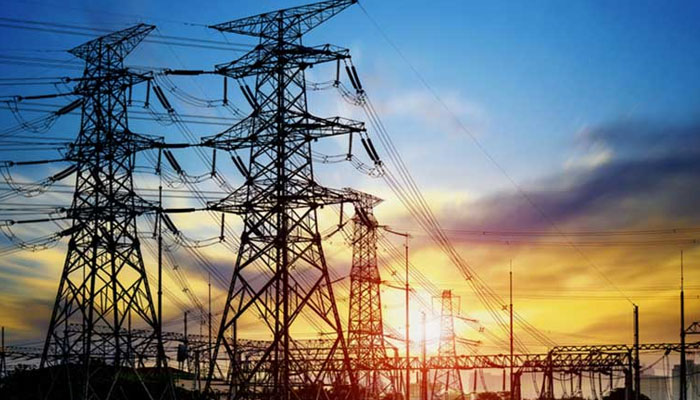
    Fake hiring of 6 teachers uncovered in Mirpurkhas

    MIRPURKHAS: Authorities in Mirpurkhas have uncovered the alleged fraudulent recruitment of six secondary school teachers, prompting action by the Sindh Education Department. District Education Officer Mir Fazal Talpur said a formal request had been sent to the District Accounts Officer to suspend the salaries of the six individuals. The department has also approached the IT Data Center to remove their biometric records from the system. A departmental inquiry has been launched against the Director of Education, the district education officer and two taluka education officers to determine how the alleged irregular appointments were processed. Talpur said he had never met or even seen the individuals involved and alleged that his signature and official seal, along with those of other education officials, had been forged to facilitate their appointments. The DEO said the department acted promptly after receiving a complaint from taluka officials. The salaries were stopped and the officials concerned were directed to submit their responses before the inquiry committee. The investigation is expected to establish how the fraudulent appointments were made and identify those responsible for the alleged forgery and irregular recruitment.

  • | |

    CJP unveils nationwide women facilitation centres

    Chief Justice of Pakistan Justice Yahya Afridi has announced that Women Facilitation Centres will be established in courts across the country to make the justice system more accessible, supportive and efficient for women. The announcement was made during a meeting with representatives of the Sindh High Court Bar Association and the Karachi Bar Association at the Supreme Court’s Karachi Registry. The meeting focused on improving facilities for women litigants and addressing challenges faced by female lawyers in the legal profession. During the discussion, the chief justice said the proposed centres are part of broader judicial reforms aimed at creating a more welcoming and convenient environment for women seeking legal assistance. He stressed that women should have easier access to courts and receive the support needed to pursue their cases without unnecessary difficulties. Justice Yahya Afridi said the Women Facilitation Centres would provide a wide range of services under one roof. In addition to offering legal guidance, the centres would include mediation and alternative dispute resolution (ADR) facilities to help settle suitable cases quickly and reduce the burden on courts. He added that the centres would also provide psychological counselling and connect women with relevant government departments and support organisations whenever required. The initiative is intended to ensure that women receive both legal and social assistance throughout the judicial process. The chief justice informed the delegation that the judiciary has already selected the three best designs for the proposed centres. These model designs will be shared with all high courts to ensure a uniform system is introduced across Pakistan. The representatives of women lawyers welcomed the initiative and thanked the chief justice for giving priority to the needs of female litigants. They also highlighted several issues affecting women in the legal profession, including workplace challenges and barriers to equal opportunities within the justice system. Justice Afridi assured the delegation that the concerns raised during the meeting would be addressed on a priority basis. He said the judiciary would work closely with the relevant high courts and other institutions to develop practical solutions and improve facilities for women across the country’s judicial system.

  • | |

    SSGC rules out gas leak after Karachi odor complai…

    KARACHI: The Sui Southern Gas Company (SSGC) has reassured residents that the unusually strong smell of natural gas reported in several parts of Karachi is the result of routine testing linked to a new pipeline project and not due to any gas leak. In a statement issued on Sunday, the utility company said the odor was caused by the temporary addition of a higher-than-normal concentration of odorant during the commissioning of a new gas pipeline near Abul Hasan Ispahani Road. According to SSGC, the testing of odorisation plants forms a standard part of the commissioning process to ensure that natural gas can be easily detected by smell in the event of future leaks. The company emphasized that gas system pressures remain stable and that no leakage has been detected anywhere in the network. The stronger odor prompted numerous complaints from residents across different neighborhoods, many of whom feared a possible gas leak. However, SSGC clarified that the smell was expected during the testing phase and did not pose any immediate safety risk. “The system is operating under normal conditions, and no gas leakage has been reported,” the company said, urging consumers to remain calm and continue their daily activities without concern. Officials explained that odorants, which are harmless chemical compounds, are intentionally added to naturally odorless gas to help people quickly identify leaks. During commissioning and testing, the quantity of odorant may temporarily increase, resulting in a stronger smell than usual. The clarification comes amid heightened public sensitivity over gas safety following several incidents in recent years involving gas leaks and explosions in Karachi. In April this year, a local court held SSGC responsible for negligence in connection with a 2022 gas explosion in Orangi Town’s Millat Colony, which claimed the lives of two residents. The court directed the company to pay Rs30 million in compensation to the affected family after concluding that repeated complaints about gas leakage had not been addressed adequately. Against that backdrop, Sunday’s reports of a strong gas smell quickly attracted public attention and triggered concerns on social media. SSGC said it remains committed to maintaining a safe and reliable gas distribution system and advised consumers to report any actual signs of leakage, such as hissing sounds or damaged pipelines, through its emergency helpline. The company added that technical teams would continue monitoring the network while pipeline commissioning and testing activities are completed.

  • | | | |

    Petrol down Rs3.39, diesel Rs4.07

    The federal government has announced another reduction in petroleum prices, lowering the rates of both petrol and high-speed diesel (HSD) effective August 5 under the recently introduced daily fuel pricing mechanism. According to a notification issued by the Ministry of Petroleum, the price of petrol has been reduced by Rs3.39 per litre, bringing the new rate to Rs328.56 per litre. The price of high-speed diesel has also been cut by Rs4.07 per litre, with the revised rate set at Rs385.86 per litre. The latest reduction follows a similar decrease announced a day earlier, reflecting continued adjustments under the government’s daily fuel price review system. The new pricing mechanism, introduced on July 17, determines fuel prices using a seven-day average of international oil market rates. The policy aims to align domestic petroleum prices more closely with global market trends and allow quicker adjustments in response to fluctuations in crude oil prices. Pakistan remains heavily dependent on imported crude oil and refined petroleum products, making local fuel prices highly sensitive to movements in international energy markets. Changes in global oil prices directly affect the country’s import bill, foreign exchange reserves and inflation. Energy analysts say international petroleum prices continue to be influenced by geopolitical developments, including tensions in the Middle East, decisions by OPEC+ countries, sanctions on major oil producers and disruptions in key global shipping routes. These factors can significantly impact crude oil prices and transportation costs, ultimately affecting domestic fuel prices in Pakistan.

Leave a Reply

Your email address will not be published. Required fields are marked *