missing thai woman
|

Missing Thai Woman Found Safe Among Homeless Community in Pattaya After Key Leads Surface

Pattaya, Chonburi – August 4th, 2026

Significant progress has been made in the search for a missing Thai woman after police and volunteer searcher and well known activist “Gun Jomphalang” uncovered crucial clues indicating she was still alive. This afternoon a heartwarming reunion took place when the woman was found living among a group of homeless people in Jomtien. The woman had been missing for months and the family had made a public appeal for help after recent multiple murders in the Huai Yai area went viral, causing them deep concern.

At 1:00 p.m. on August 4th, 2026, Mr. Kantathat Phongphaibulwet, widely known as “Gun Jomphalang,” revealed details following a meeting with police. He said the investigation team under Pol. Col. Sarawut Nuchnarat, Superintendent of Banglamung Police Station, had carefully examined the timeline and information about the missing person, Ms. Bulan Salajnes, and identified several important leads.
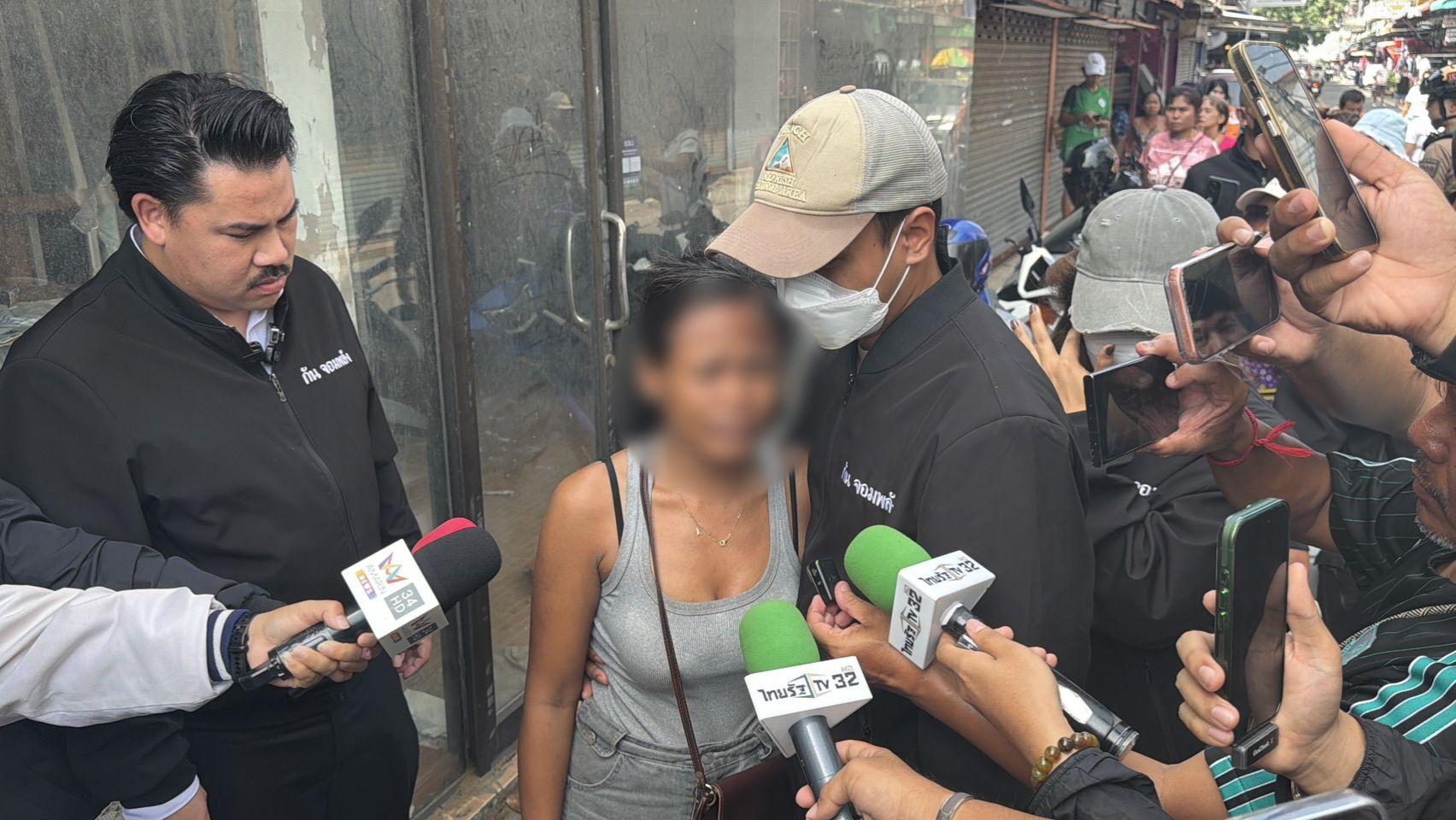
Investigators learned that Ms. Bulan had previously stayed in a rented room in the Na Jomtien area before moving out on April 1st. On April 9th she visited a friend, who reported that she arrived by ride-hailing app, without a motorcycle or mobile phone. Contact with her was lost after that date.

Police further discovered that on July 17th, 2026 she received treatment at Pattaya Pathamakun Hospital. More recently, on July 25th, she sustained a head injury after being struck by a hard object in the Jomtien Soi 3 area. Staff from the Sawang Boriboon Thammasathan Foundation in Pattaya took her to a local hospital for medical care.
Gun Jomphalang said the collected information led him to believe the missing woman was still alive, even though she had not responded to public appeals. He pledged to continue working with authorities until she was found.

The missing woman’s younger brother, fighting back tears, said that no matter what condition his sister was in, he would take her home and care for her. He expressed gratitude to the police and Gun Jomphalang for uncovering the vital leads.

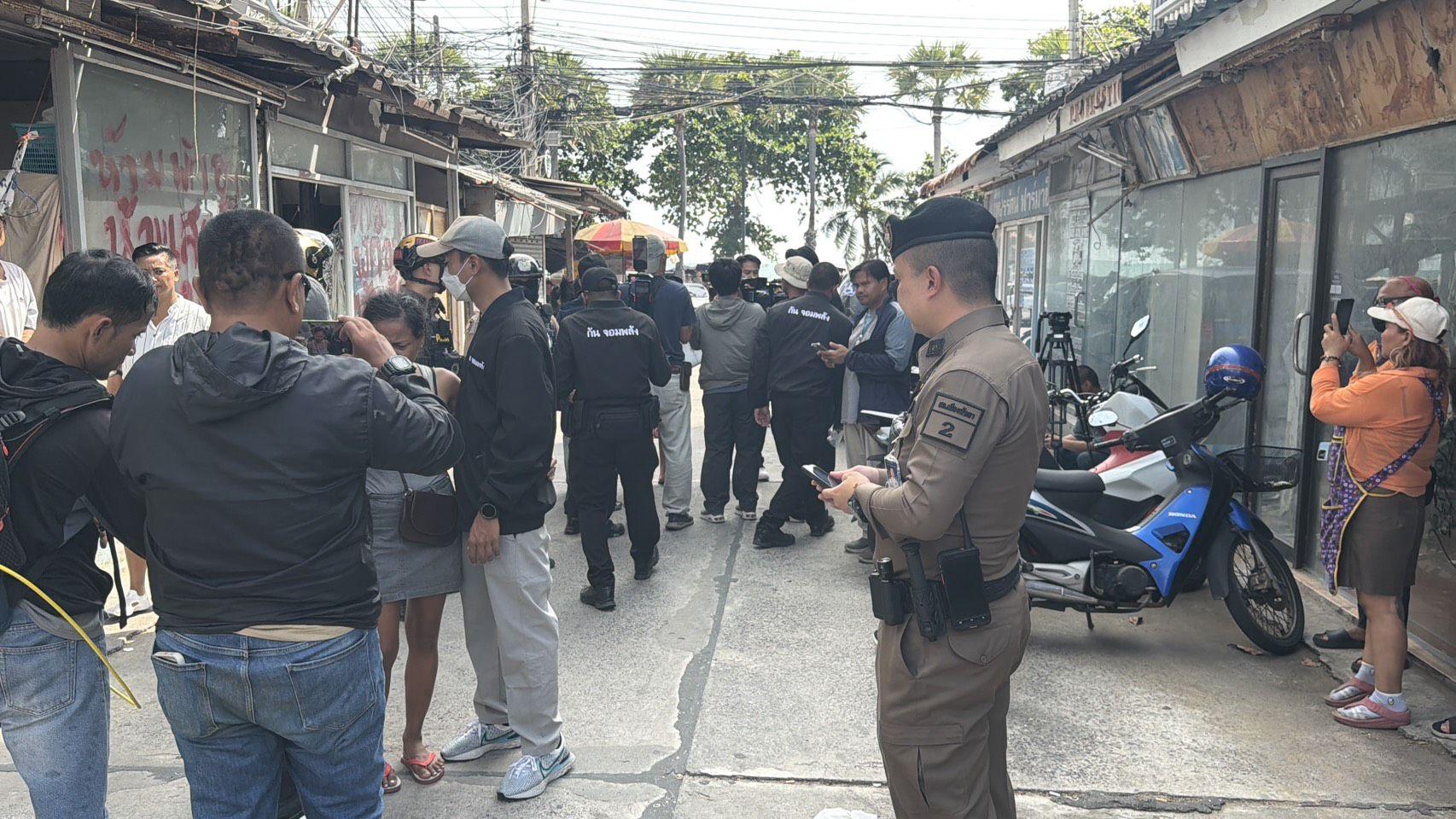
Gun Jomphalang then coordinated with Pol. Col. Anek Sathongyu, Superintendent of Pattaya City Police Station, to request support for a search in the Jomtien Soi 3 area. Pattaya City Police immediately deployed officers to assist.
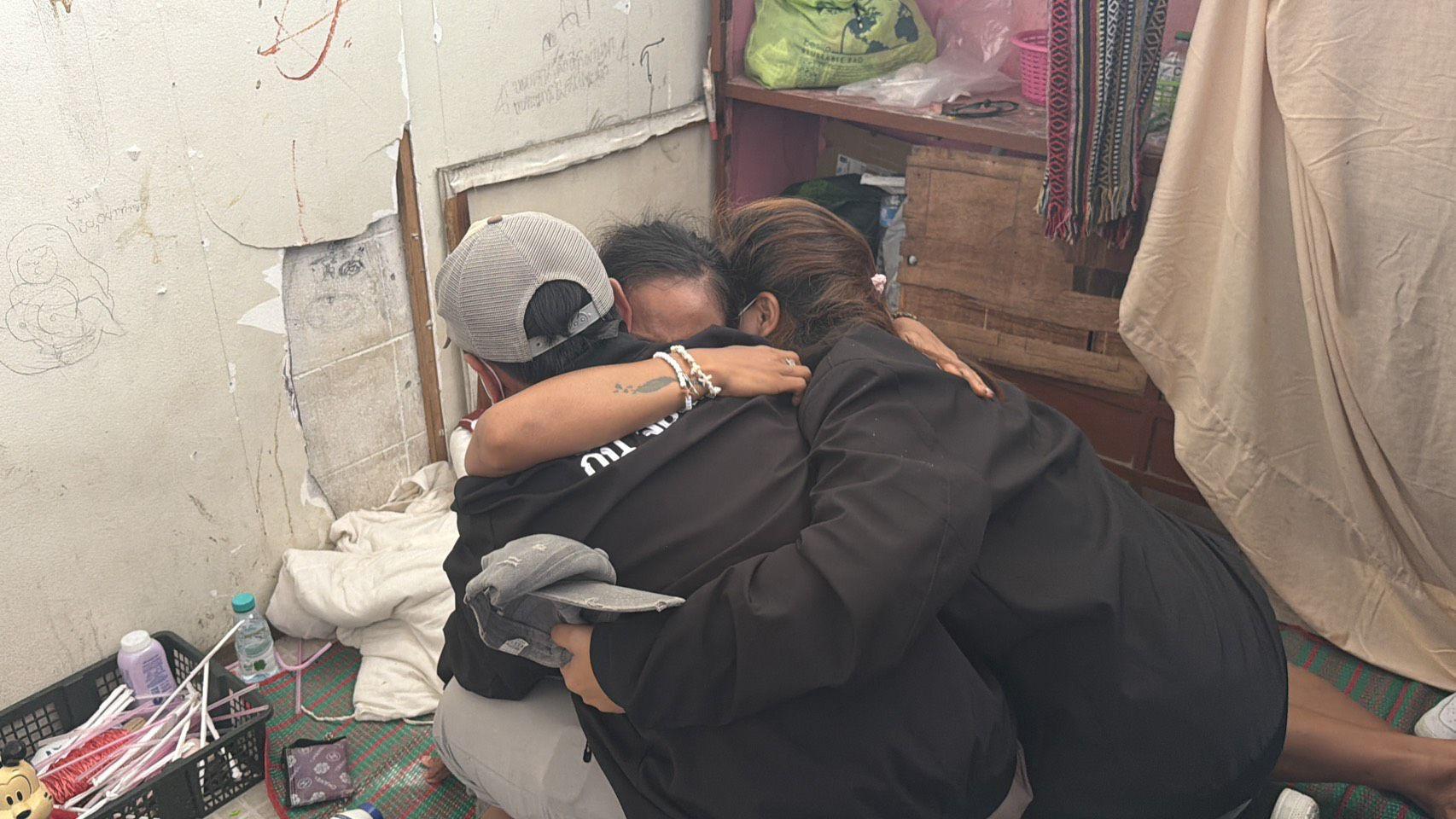
The search proved successful and deeply moving. The team, accompanied by the missing woman’s brother, located Ms. Bulan resting with a group of three homeless people. The moment her brother saw her, he ran forward and embraced her. Both siblings wept with joy after a long period of separation and no contact.

Ms. Bulan explained that her motorcycle had been stolen and her mobile phone lost, leaving her unable to contact anyone. She could not remember her family’s phone numbers, had no money and nowhere to go. She therefore stayed with friends and the homeless group to survive, collecting bottles to sell and gathering shellfish from the sea to eat. She thanked her brother for never giving up the search that reunited them.

Gun Jomphalang said he was overjoyed that the search had succeeded, that the missing woman was alive, and that the family had been reunited. He thanked officers from Banglamung and Pattaya City police stations for their full cooperation and coordinated efforts that led to her discovery. Plans are now underway to take Ms. Bulan home to Chanthaburi for medical treatment and physical recovery.

Similar Posts

  • | |

    Nearly 2,000 child abuse cases reported in Pakista…

    Pakistan recorded 1,914 reported cases of child abuse during the first six months of 2026, with child sexual abuse making up the largest share of incidents, according to a new report released by child rights organisation Sahil. The report, based on cases published in national and regional newspapers, revealed that 1,015 children were victims of sexual abuse between January and June. It also documented 558 abductions, 101 missing children, 35 child marriages and 98 cases involving child pornography linked to sexual abuse. In addition, 49 newborn babies were found abandoned in different parts of the country during the reporting period. Girls accounted for 58 percent of the reported victims, while children between the ages of 11 and 15 were identified as the most vulnerable group. The report also noted that children aged 16 to 18 and those between six and 10 years old were among the frequently affected age groups. According to Sahil, many victims were abused by people they knew. Acquaintances were identified as the alleged perpetrators in 43 percent of the reported cases, while strangers accounted for 34 percent. The findings further showed that nearly half of the abuse incidents occurred inside the victims’ homes, highlighting the hidden nature of child abuse. Other cases took place in the homes of the accused or at various public locations, while the location was not specified in several reports. Urban areas recorded a higher number of reported incidents than rural regions. Punjab accounted for around 80 percent of all reported child abuse cases nationwide, followed by Sindh with 15 percent. The remaining cases were reported from Khyber Pakhtunkhwa, Balochistan, Islamabad Capital Territory, Azad Jammu and Kashmir, and Gilgit-Baltistan. The report also stated that police registered cases in 89 percent of the reported incidents. However, a small number of cases were either not reported to law enforcement or allegedly faced refusal in the registration of a First Information Report (FIR), while the registration status of some cases remained unknown.

  • | |

    Islamabad Court rules in favor of Ahsan Iqbal in d…

    A district and sessions court in Islamabad has ruled in favor of Federal Minister Ahsan Iqbal in a long-running defamation lawsuit, ordering former federal minister Murad Saeed to pay Rs2.5 million in damages for making corruption allegations that the court found to be unsubstantiated. The judgment was delivered by Additional Sessions Judge Hakim Khan, who concluded that the statements made by Murad Saeed had harmed Ahsan Iqbal’s reputation and amounted to defamation under the law. According to the court’s ruling, Murad Saeed failed to prove his public allegations that Ahsan Iqbal had been involved in corruption worth Rs70 billion. The court held that the accusations, which included claims of corruption, misuse of authority, and receiving illegal commissions, were not supported by evidence and therefore constituted defamatory statements. The case originated from remarks made by Murad Saeed in 2019, when he accused Ahsan Iqbal of financial irregularities in connection with the Multan–Sukkur Motorway Project, one of Pakistan’s major infrastructure developments. Ahsan Iqbal strongly denied the allegations and subsequently filed a defamation suit seeking Rs10 billion in damages. In its written judgment, the court acknowledged that Ahsan Iqbal had claimed Rs10 billion as compensation but determined that the amount sought was excessive in light of the evidence presented during the proceedings. Instead, the court awarded Rs2.5 million in damages, describing the sum as appropriate compensation for the reputational harm caused by the false allegations. The judgment stated that Murad Saeed’s controversial statements had damaged Ahsan Iqbal’s public image, honor, and dignity. It further observed that the allegations created a negative perception of the federal minister among members of the public, affecting his credibility and standing. According to the court, the accusations amounted to a direct attack on Ahsan Iqbal’s integrity, character, and professional reputation. Since the allegations involved serious claims of corruption and abuse of public office, the court found that they had the potential to undermine public confidence in him without any factual basis. The ruling also noted that Murad Saeed neither appeared before the court to defend his statements nor presented any evidence to substantiate the corruption allegations. His failure to support the claims played a significant role in the court’s decision to rule in favor of Ahsan Iqbal. The verdict reinforces the legal principle that individuals making public allegations of corruption must be prepared to provide credible evidence to support their claims. In the absence of such proof, the court held that the statements amounted to defamation and entitled the affected party to compensation. The decision marks the conclusion of a legal dispute that has remained pending since 2019 and highlights the growing use of defamation proceedings in Pakistan to address reputational damage arising from political statements. While the court reduced the amount of compensation sought by Ahsan Iqbal, it nevertheless concluded that Murad Saeed’s allegations were unfounded and had caused measurable harm to the minister’s reputation. As a result, the former federal minister has been directed to pay Rs2.5 million in damages in accordance with the court’s judgment.

  • |

    Documentary film on struggle for joint electorate …

    Karachi: A documentary titled A Separation Refused based on the Movement for Restoration of the Joint Electorate in Pakistan that was screened at Media Centre of SZABIST University Karachi. The 20-minute documentary, produced by the Centre for Social Justice and co-directed by Dawood Akhtyar Murad, traced the history of the Separate Electorate system and the movement for the restoration of the Joint Electorate in Pakistan. It highlighted the collective efforts of civil society organizations, political leaders, faith communities, and human rights advocates who campaigned for equal citizenship and inclusive democratic participation for religious minorities. Through historical narratives and personal testimonies, the documentary demonstrated how sustained advocacy contributed to democratic reforms and continues to inspire efforts towards equality, pluralism, social cohesion, and the protection of constitutional rights. The event also featured the screening of “Hum Juda Nahi,” a song reinforcing the themes of unity, equal citizenship, and peaceful coexistence. The event brought together university students, academics, lawyers, civil society representatives, human rights defenders, media professionals, political representatives, and religious leaders to reflect on an important chapter in Pakistan’s democratic history. Following the screenings, an interactive panel discussion explored the progress made towards equal citizenship and the challenges towards a democratic participation of religious minorities in Pakistan Speaking on the occasion, Anthony Naveed, Deputy Speaker of the Sindh Assembly, emphasized that a lack of public awareness remained one of the key challenges to advancing equal citizenship. He stressed the importance of strengthening community-based networks to build collective efforts capable of bringing meaningful and lasting change. Senior Advocate of the Supreme Court of Pakistan, Akhtar Hussain, who led a legal struggle against the separate elections, appreciated the documention of an important democratic struggle. He urged participants to carry forward the movement until equal political participation and equal citizenship were fully realized, emphasizing that equal participation is the right of every citizen. Dr. Riaz Ahmed Sheikh, Dean of the Faculty of Social Sciences and Education at SZABIST, highlighted the importance of upholding Article 22(1) of the Constitution. He called on the decision makers to discuss issues of equal citizenship and minority rights to mainstream that should play a more active role in promoting dialogue, constitutional values, and equal participation. Advocate Kalpana Devi called for legal and policy reforms to address discriminatory constitutional provisions and public policies that continue to limit equal rights and opportunities for religious minorities. Speaking at the event, Peter Jacob, Executive Director of the Centre for Social Justice, emphasized the need for constitutional reforms to strengthen equal citizenship. He called for a review of Articles 41 and 91 of the Constitution, which attach a precondition of being a to Muslim for the offices of the President and Prime Minister. Moreover, implementation of Article 22(1) of the constitution of Pakistan that guarantees unbiased education. In the open discussion, participants emphasized that this documentary film highlighting constitutional rights, democratic inclusion, and the experiences of religious minorities should be screened more widely through universities, arts councils, mainstream media, and other public platforms to encourage informed dialogue and greater public awareness. The event concluded with a shared commitment among participants to continue promoting constitutional rights, equal citizenship, democratic participation, and peaceful coexistence through sustained advocacy, public dialogue, and collaborative action. (END) William Sadiq: 0300 2062332 Aiman Zameer: 0316 4762471  

  • | |

    Man arrested after allegedly shooting himself to s…

      A young man has been arrested in Kasur after allegedly shooting himself in the leg and staging a fake robbery in an attempt to avoid giving his salary to his family, according to police officials. The unusual incident has drawn attention due to the elaborate plan the suspect reportedly carried out to deceive both his relatives and law enforcement authorities. According to the police, the accused, identified as Adnan, had recently received his salary but did not want to hand over the money to his family as expected. Instead, he reportedly intended to use the money to purchase a new mobile phone. Fearing that his family would insist on receiving his earnings, he allegedly came up with a plan to fake a robbery in order to explain the disappearance of his salary. Police said that Adnan allegedly shot himself in the leg to make the fabricated robbery appear genuine. After sustaining the self-inflicted injury, he reportedly claimed that unidentified robbers had intercepted him, stolen his money, and opened fire before fleeing the scene. The incident initially appeared to be a case of armed robbery, prompting authorities to launch an investigation. However, as investigators examined the evidence and questioned the victim, inconsistencies began to emerge in his account of the incident. Police officers carefully reviewed the circumstances surrounding the alleged robbery and collected forensic and testimonial evidence. Their investigation eventually led them to conclude that the robbery had never taken place and that the injury had been deliberately self-inflicted as part of a staged incident. During the course of the investigation, police also uncovered the alleged involvement of three of Adnan’s friends. According to officials, the three men are accused of providing him with the firearm that was used in the incident. As a result, they were also taken into custody and are being questioned regarding their role in helping carry out the alleged plan. Police stated that the suspects now face legal action for allegedly misleading law enforcement, staging a false crime, and illegally facilitating the use of a firearm. Authorities emphasized that fabricating criminal incidents wastes valuable police resources and diverts attention away from genuine emergencies and victims who require immediate assistance. The case has generated widespread discussion on social media, where many users expressed surprise at the lengths to which the accused allegedly went to avoid giving his salary to his family. Others noted that personal financial disputes should be resolved honestly rather than through actions that could endanger lives and lead to criminal charges. Law enforcement officials reiterated that filing false reports and creating fake crime scenes are serious offenses that can result in legal consequences. They urged the public to cooperate with authorities by providing truthful information and avoiding actions that interfere with criminal investigations. The investigation into the incident is ongoing, and police are expected to complete the legal process after gathering all relevant evidence and recording statements from those involved. Authorities have not yet disclosed additional details about the charges that will be filed, but they confirmed that both the main suspect and his three friends remain in custody as the investigation continues.

  • | |

    Nobel sustainability trust invites Maryam Nawaz to…

    Punjab Chief Minister Maryam Nawaz Sharif has received an invitation from the Nobel Sustainability Trust (NST) to take part in its international sustainability initiatives and upcoming global summits, highlighting growing international interest in Punjab’s environmental and climate-related policies. NST Chairman Peter Nobel extended the invitation in a letter dated August 22, expressing the Trust’s interest in welcoming the Punjab chief minister to future international engagements. The organisation said it had closely followed the provincial government’s efforts in climate resilience, environmental protection, wildlife conservation, forestry, ecosystem restoration and air-quality management. The Trust particularly highlighted Punjab’s increasing use of technology in environmental governance. It praised initiatives involving digital monitoring, geospatial analysis, remote sensing, artificial intelligence and environmental data systems, saying such tools could help authorities identify climate risks, manage resources and formulate evidence-based policies. According to the NST, Punjab’s emphasis on technology-driven governance and environmental protection reflects a modern approach to sustainable development. It said Maryam Nawaz’s experience could contribute valuable perspectives to discussions involving international policymakers, scientists, sustainability experts and other global leaders. The Trust also expressed its interest in establishing long-term cooperation with the Punjab government, stressing that stronger collaboration among governments, academia, businesses, financial institutions and civil society is essential to tackling environmental and social challenges. Established in Switzerland in 2007 by members of the Nobel family, the Nobel Sustainability Trust focuses on promoting sustainability, scientific cooperation and progress towards the United Nations Sustainable Development Goals. It organises international summits and sustainability initiatives that bring together leaders and experts from around the world.

  • | |

    Petrol price cut by 94 paisa, diesel become more e…

      The government has reduced the price of petrol while increasing the price of high-speed diesel, according to a notification issued by the Petroleum Division. The Petroleum Division has formally announced changes in the prices of petroleum products, with the revised rates taking effect from midnight. Under the new pricing structure, the price of petrol has been reduced by 94 paisa per litre, while the price of diesel has increased by 54 paisa per litre. Following the revision, the new price of petrol has been fixed at Rs324.98 per litre, compared with the previous rate. Meanwhile, high-speed diesel will now be available at Rs382.79 per litre. According to the notification, the revised prices of petroleum products will be applicable for August 13 and will come into effect from 12am tonight. The latest adjustment comes just a day after the government made another revision to petroleum prices. On the previous day, petrol had been reduced by Rs1.70 per litre, while the price of diesel had been increased by Rs1.39 per litre. The repeated adjustments in petroleum prices come amid fluctuations in international oil prices and changes in domestic pricing factors. Petrol and diesel prices are closely watched in Pakistan because changes in fuel rates can directly affect transportation costs, electricity generation, industrial activity and the prices of everyday goods. The government has also reduced the price of kerosene oil. According to the notification issued by the Oil and Gas Regulatory Authority (OGRA), the price of kerosene oil has been cut by 41 paisa per litre. Following the reduction, the new price of kerosene oil has been set at Rs289.27 per litre. Kerosene oil is used by households and other consumers in areas where access to conventional gas or other energy sources can be limited. Any change in its price can therefore have an impact on household energy expenses.   Alongside the change in the retail price of diesel, the government has also increased the petroleum levy imposed on the fuel. According to OGRA, the petroleum levy on diesel has been increased by Rs1 per litre. Following the increase, the levy on diesel now stands at Rs77.28 per litre. The petroleum levy on petrol, however, has remained unchanged at Rs80 per litre. Similarly, the levy on kerosene oil has also been maintained at Rs20.36 per litre. The latest revision means consumers will see a marginal reduction in the price of petrol and kerosene oil, while diesel users will face a slight increase. Although the changes are relatively small on a per-litre basis, fuel price revisions can have a broader impact on the economy because diesel is widely used by public transport, commercial vehicles, agriculture and the industrial sector. The government is expected to continue reviewing petroleum prices in line with prevailing market conditions and other relevant pricing factors. For consumers, the latest notification provides a mixed outcome, with petrol and kerosene becoming slightly cheaper while diesel has become more expensive. The revised rates will remain applicable from August 13, with implementation beginning at midnight.

Leave a Reply

Your email address will not be published. Required fields are marked *