petrol price cut
| |

Petrol price cut by 94 paisa, diesel become more e…


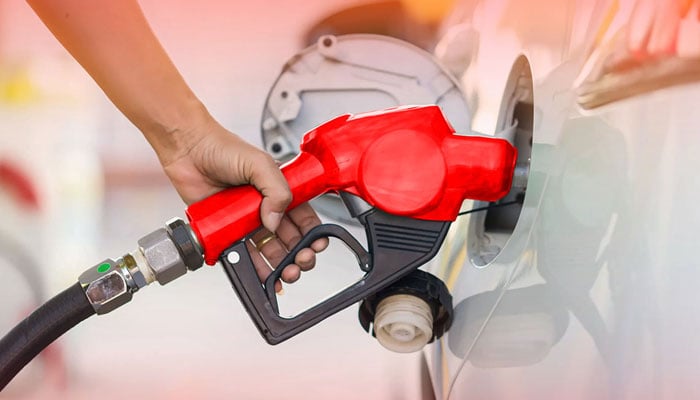
The government has reduced the price of petrol while increasing the price of high-speed diesel, according to a notification issued by the Petroleum Division.

The Petroleum Division has formally announced changes in the prices of petroleum products, with the revised rates taking effect from midnight. Under the new pricing structure, the price of petrol has been reduced by 94 paisa per litre, while the price of diesel has increased by 54 paisa per litre.

Following the revision, the new price of petrol has been fixed at Rs324.98 per litre, compared with the previous rate. Meanwhile, high-speed diesel will now be available at Rs382.79 per litre.

According to the notification, the revised prices of petroleum products will be applicable for August 13 and will come into effect from 12am tonight.

The latest adjustment comes just a day after the government made another revision to petroleum prices. On the previous day, petrol had been reduced by Rs1.70 per litre, while the price of diesel had been increased by Rs1.39 per litre.

The repeated adjustments in petroleum prices come amid fluctuations in international oil prices and changes in domestic pricing factors. Petrol and diesel prices are closely watched in Pakistan because changes in fuel rates can directly affect transportation costs, electricity generation, industrial activity and the prices of everyday goods.

The government has also reduced the price of kerosene oil.

According to the notification issued by the Oil and Gas Regulatory Authority (OGRA), the price of kerosene oil has been cut by 41 paisa per litre. Following the reduction, the new price of kerosene oil has been set at Rs289.27 per litre.

Kerosene oil is used by households and other consumers in areas where access to conventional gas or other energy sources can be limited. Any change in its price can therefore have an impact on household energy expenses.


Alongside the change in the retail price of diesel, the government has also increased the petroleum levy imposed on the fuel.

According to OGRA, the petroleum levy on diesel has been increased by Rs1 per litre. Following the increase, the levy on diesel now stands at Rs77.28 per litre.

The petroleum levy on petrol, however, has remained unchanged at Rs80 per litre. Similarly, the levy on kerosene oil has also been maintained at Rs20.36 per litre.

The latest revision means consumers will see a marginal reduction in the price of petrol and kerosene oil, while diesel users will face a slight increase. Although the changes are relatively small on a per-litre basis, fuel price revisions can have a broader impact on the economy because diesel is widely used by public transport, commercial vehicles, agriculture and the industrial sector.

The government is expected to continue reviewing petroleum prices in line with prevailing market conditions and other relevant pricing factors. For consumers, the latest notification provides a mixed outcome, with petrol and kerosene becoming slightly cheaper while diesel has become more expensive.

The revised rates will remain applicable from August 13, with implementation beginning at midnight.

Similar Posts

  • | | |

    Six policemen among 15 martyred in Swat suicide bl…

    At least 15 people, including six police personnel, were killed in a suicide bombing near Kabal Police Station in Swat on Sunday, according to local administration and police officials. Authorities said the attacker attempted to enter the police station but was intercepted by security personnel stationed at the entrance. After failing to gain access, the suicide bomber detonated the explosives near the main gate, triggering a powerful explosion that caused multiple casualties. The blast occurred near Kabal Chowk, where a protest by local youths was also taking place at the time. The explosion spread panic throughout the area, with emergency teams and security forces rushing to the scene to launch rescue and relief operations. Police officials said several people sustained injuries in the attack and were shifted to nearby hospitals for medical treatment. Authorities fear the number of casualties could rise as some of the injured remain in critical condition. During the search operation, investigators recovered human remains from the blast site, including a severed head believed to belong to the suicide bomber. Forensic experts have collected evidence to help identify the attacker and determine the nature of the explosives used. Security forces immediately cordoned off the area and launched a comprehensive search operation to ensure no further threats remained. Bomb disposal teams also inspected the site while investigators gathered evidence for the ongoing inquiry. Officials said the timely action of police personnel prevented the attacker from entering the police station, a move they believe avoided even greater loss of life and damage. The attack has once again highlighted the security challenges facing law enforcement agencies, which continue to remain on high alert amid renewed militant violence in parts of Khyber Pakhtunkhwa.

  • | |

    NADRA officials arrested in Afghan document scam

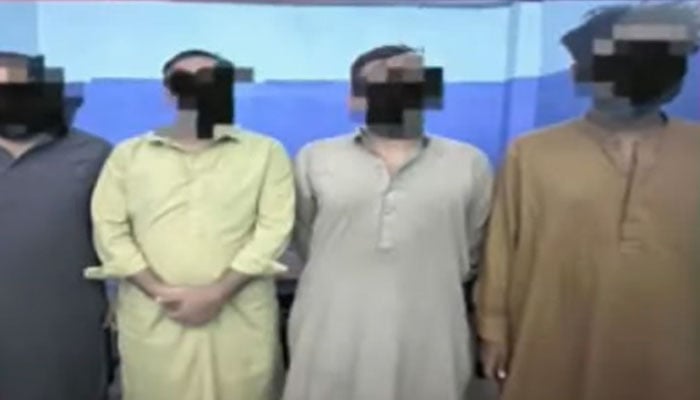
    The Federal Investigation Agency (FIA) has arrested four individuals in Karachi for their alleged involvement in preparing fake documents for Afghan citizens. According to FIA officials, the arrested suspects include employees of the National Database and Registration Authority (NADRA) and other individuals allegedly linked to the illegal activity. The FIA said the suspects were involved in creating unauthorized and forged documents for Afghan nationals. Officials believe the network was operating by misusing official systems and resources. The arrested individuals include a NADRA Assistant Director and Deputy Assistant Director. A NADRA security guard and another person were also taken into custody during the operation. FIA officials said the arrests were made after an investigation into the illegal preparation of identity documents. The agency is now conducting further inquiries to determine the scope of the network and identify other people involved. The investigation will also examine how official procedures were allegedly bypassed and whether more officials were connected to the document fraud. The FIA has intensified action against individuals involved in making fake identity documents, saying such activities pose serious security risks and undermine the national registration system. Further legal action will be taken after the completion of the investigation, officials added.

  • | |

    SC to hear Imran access pleas on August 18

    The Supreme Court has scheduled five petitions concerning access to jailed former prime minister and PTI founder Imran Khan for hearing on August 18. A three-member bench headed by Justice Shahid Waheed will hear the petitions. Justice Naeem Akhtar Afghan and Justice Ishtiaq Ibrahim are also part of the bench. The cases were previously being heard by a bench headed by Justice Muhammad Ali Mazhar. The bench has now been reconstituted after Justice Mazhar became unavailable at the Supreme Court’s principal seat. The petitions seek permission for Imran Khan’s family members, personal doctors and legal team to meet him in prison. The applicants have also requested access to his medical records and proper arrangements for his medical treatment. The petitions gained renewed attention after PTI lawyers and lawmakers gathered outside the Supreme Court earlier this week, protesting over the continued delay in fixing the cases. A delegation led by PTI lawyer Salman Akram Raja subsequently met the apex court registrar. According to Insaf Lawyers Forum chief organiser Intezar Panjutha, the registrar assured the delegation that five petitions relating to restrictions on meetings with Imran would be listed for hearing. The cause list was expected to be issued ahead of the proceedings. One of the petitions was filed by Imran’s sister, Uzma Khan. She has sought his transfer to Shifa International Hospital, arguing that he requires proper treatment and continuous medical monitoring for an eye-related condition and other health complications. The Supreme Court had earlier directed that details of meetings held by Imran and his wife, Bushra Bibi, with family members, lawyers and party leaders in prison be submitted. The newly constituted bench has attracted attention because of the legal positions previously taken by its members in politically sensitive matters. Justice Afghan has been associated with dissenting opinions on several major constitutional and legal issues. He had opposed the constitutionality of trying civilians in military courts and had also dissented in a case involving the transfer of judges between high courts. He has previously granted post-arrest bail to PTI leaders facing cases related to the May 9 violence. Justice Ibrahim was part of a Supreme Court judgment that overturned an earlier order concerning Imran’s right to defend himself in a defamation case filed by Prime Minister Shehbaz Sharif. Meanwhile, the Islamabad High Court is separately hearing petitions concerning the alleged solitary confinement of Imran Khan and Bushra Bibi. The dispute over access to Imran has remained a major issue for the PTI, which maintains that his family, lawyers and doctors should be allowed regular meetings. The government has continued to face pressure over the prison arrangements surrounding the former prime minister.

  • |

    Gold prices edge lower in Pakistan as global rates decline

    KARACHI: Gold prices recorded a modest decline in Pakistan on Saturday, with the domestic market following a slight downward movement in international bullion rates. According to data released by the All Pakistan Sarafa Gems and Jewellers Association, the price of gold fell by Rs500 per tola, bringing the price to Rs459,936 per tola. The association reported a corresponding decline in the price of 10 grams of gold. The rate for 10 grams was reduced by Rs429, settling at Rs394,320. The decrease in domestic gold prices came as international bullion rates also moved lower. In the global market, gold fell by $5 per ounce to $4,375 per ounce. Market participants closely monitor international gold prices, currency movements and domestic demand when determining bullion rates in Pakistan. Changes in the international market can have a direct impact on local prices, particularly when combined with fluctuations in the exchange rate. Gold remains a popular investment and savings instrument in Pakistan, where consumers and investors closely track daily changes in bullion prices. Jewellery demand, inflation expectations and movements in global financial markets can also influence local buying and selling activity. The latest reduction, however, was relatively limited, indicating that the domestic bullion market remained broadly stable despite the decline in international prices.

  • |

    Russia condemns EU’s 21st sanctions, warns of consequences

    Russia has sharply criticized the European Union after the bloc approved its 21st package of sanctions, saying the new measures will damage European economies more than Russia and further increase tensions between Moscow and Brussels. In a statement released by Russia’s Permanent Mission to the European Union, officials said the approval process for the latest sanctions exposed growing divisions within the EU. According to Moscow, many member states were reluctant to support additional restrictions because of the economic burden they are already facing. Russia claimed the lengthy negotiations reflected increasing concern among European governments over the impact of sanctions on businesses, energy supplies and overall economic growth. The Russian mission accused the European Union of continuing a policy of confrontation despite rising economic challenges across Europe. It said EU leaders were ignoring the financial costs of sanctions while pursuing what Moscow described as a political campaign against Russia. The statement also referred to comments by EU High Representative for Foreign Affairs Kaja Kallas, who indicated that further sanctions could be introduced in the future. According to Russia, discussions on new sanctions have become a political ritual aimed at showing unity among EU member states rather than achieving practical results. Moscow argued that the restrictions have failed to weaken Russia in the way European leaders had expected. Instead, it claimed that European citizens and businesses are paying the price through higher energy costs, inflation and slower economic growth. The statement further argued that Europe’s economic difficulties have been intensified by the EU’s decision to reduce imports of Russian energy, continued financial and military support for Ukraine, and instability in global energy markets caused by ongoing tensions in the Middle East. Russian officials also pointed to a recent assessment by the European Central Bank, which highlighted geopolitical conflicts and energy market uncertainty as major risks to the European economy. Moscow said this assessment supports its argument that continued sanctions are creating additional pressure on European countries. Using a road journey as a comparison, the Russian mission said the European Union was following a path that could lead its economy into serious difficulties. It argued that EU policymakers should reconsider their current strategy instead of introducing more restrictions that, in Russia’s view, have produced limited results while increasing costs for Europe. The statement concluded by reaffirming that Russia considers the EU sanctions to be illegal unilateral measures. Moscow warned that any additional restrictions imposed by the European Union would receive what it described as an effective and appropriate response from Russia.

  • | |

    Jamaat-e-Islami announces nationwide protest again…

    Jamaat-e-Islami (JI) Emir Hafiz Naeem Ur Rehman has announced a nationwide protest against the petroleum levy on Friday, August 7, urging citizens across Pakistan to participate in what he described as a decisive demonstration against rising fuel taxes and worsening economic conditions. According to a statement issued from the party’s headquarters in Mansoorah, preparations for the nationwide campaign have entered their final phase. Jamaat-e-Islami leaders and workers are actively engaging with communities through corner meetings, public awareness campaigns, and outreach efforts aimed at mobilizing citizens for the protest. Hafiz Naeem Ur Rehman said the demonstrations are not driven by political interests but are intended to represent the concerns of ordinary Pakistanis struggling with inflation, unemployment, and what he called an unbearable tax burden. He maintained that the movement seeks economic relief for the public rather than political gain. The JI chief announced that he will address a women’s protest rally on August 6 at Wahdat Road in Lahore, organized by the party’s women’s wing. He said women would also raise their voices against government economic policies and support the campaign demanding relief from rising living costs. Appealing directly to the country’s youth, Hafiz Naeem urged motorcyclists to join the demonstrations on August 7 and participate peacefully. He stated that protesters would stage sit-ins on major highways and temporarily block roads connecting districts to press the government to address public demands. However, he emphasized that emergency vehicles, including ambulances and rescue services, would be allowed to pass without obstruction. The Jamaat-e-Islami leader also warned the government against interfering with citizens’ constitutional and democratic right to peaceful protest. He said any attempt to suppress the demonstrations would be the responsibility of the authorities. Hafiz Naeem Ur Rehman called on the government to immediately abolish the petroleum levy, review expensive agreements with Independent Power Producers (IPPs), eliminate electricity load-shedding, and implement effective measures to control inflation. He added that the party’s peaceful protest movement would continue until what he described as unjust economic policies are reversed. The planned demonstrations are expected to take place across multiple cities and districts, making them one of Jamaat-e-Islami’s largest nationwide protest campaigns focused on economic issues and public relief in recent months.

Leave a Reply

Your email address will not be published. Required fields are marked *