What Alex Eala, Manny Pacquiao, and Alyssa Valdez can teach us about community
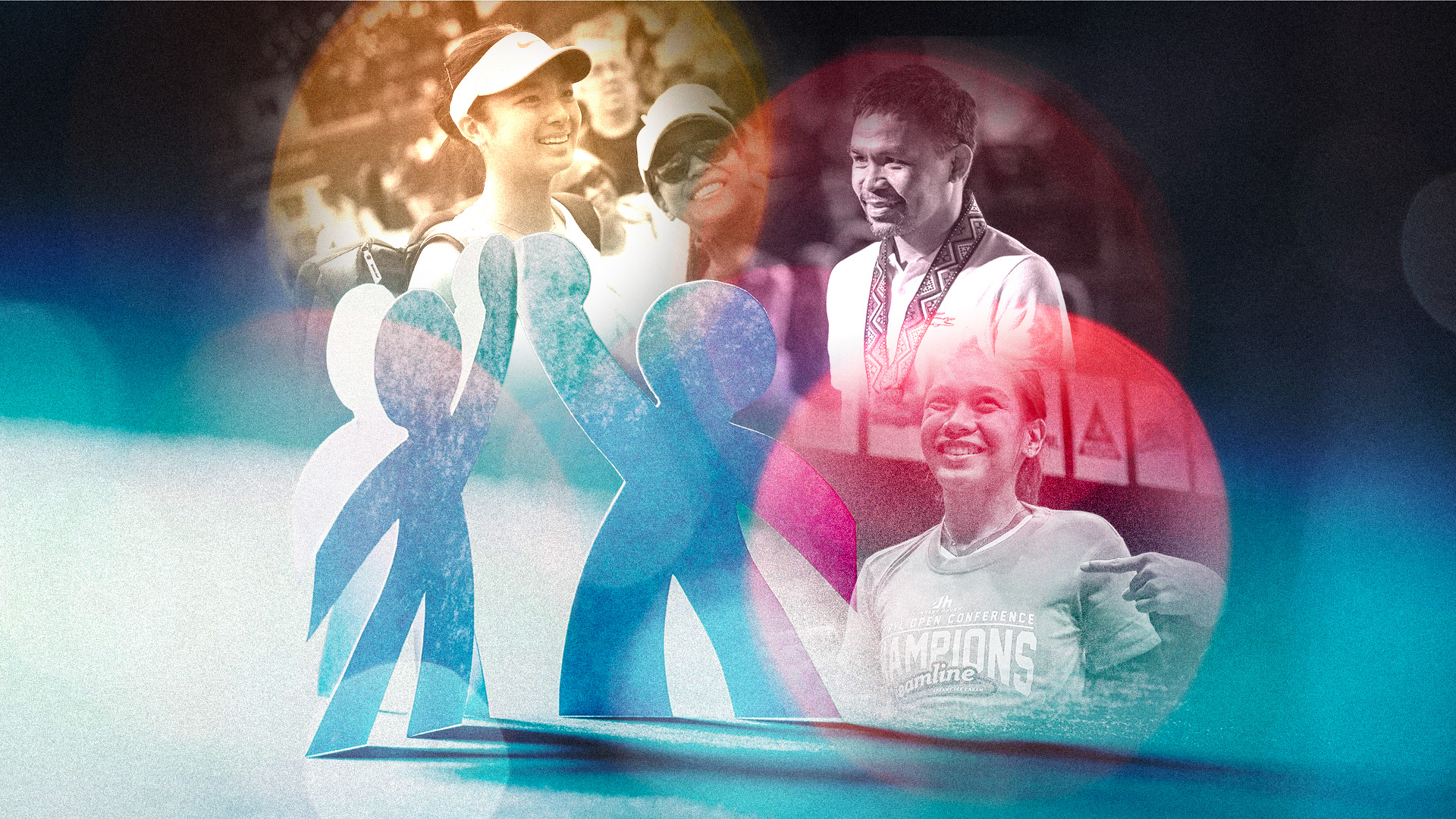
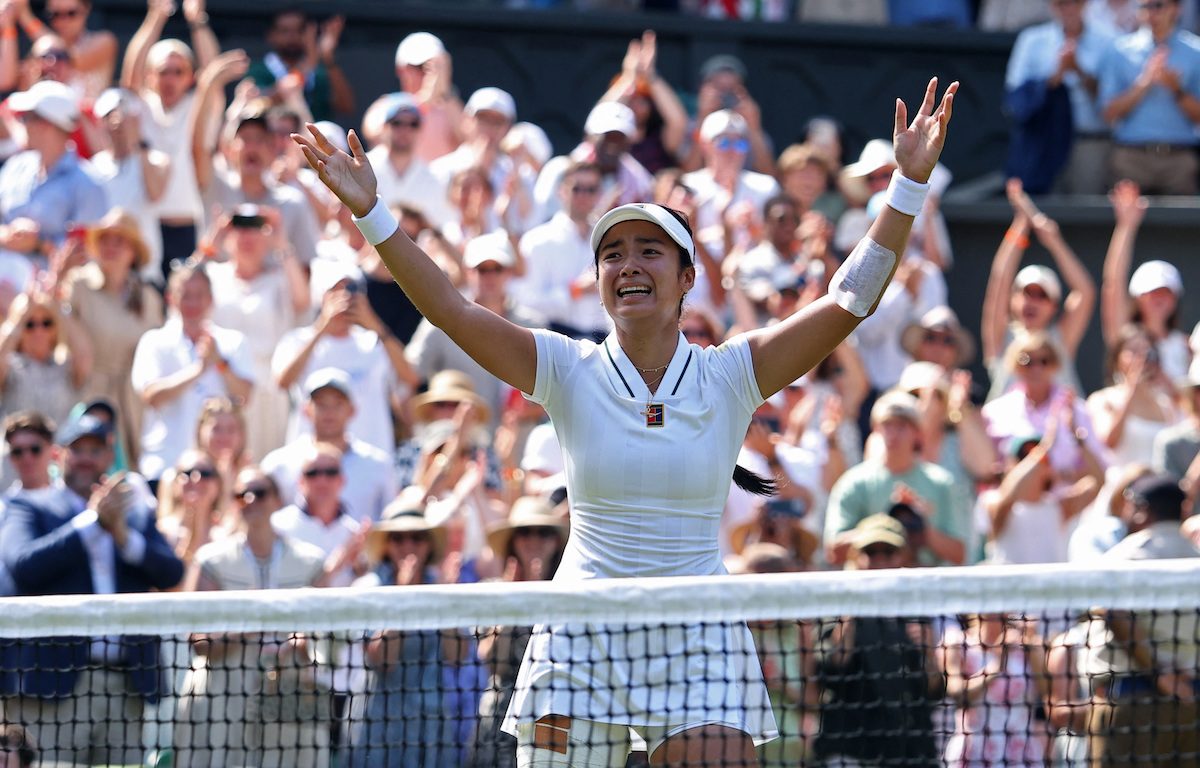
When Alex Eala won her first WTA Tour title this week, history recorded it as a tennis victory.
For millions of Filipinos, it felt like something much bigger.
Suddenly, people who had never watched tennis were debating her second serve, following the rankings, and talking about Grand Slams. Parents began asking about tennis clinics. Social media filled with debates about her chances at the US Open and whether this was the beginning of a golden age for Philippine tennis.
It wasn’t really tennis that had captured the country’s imagination.
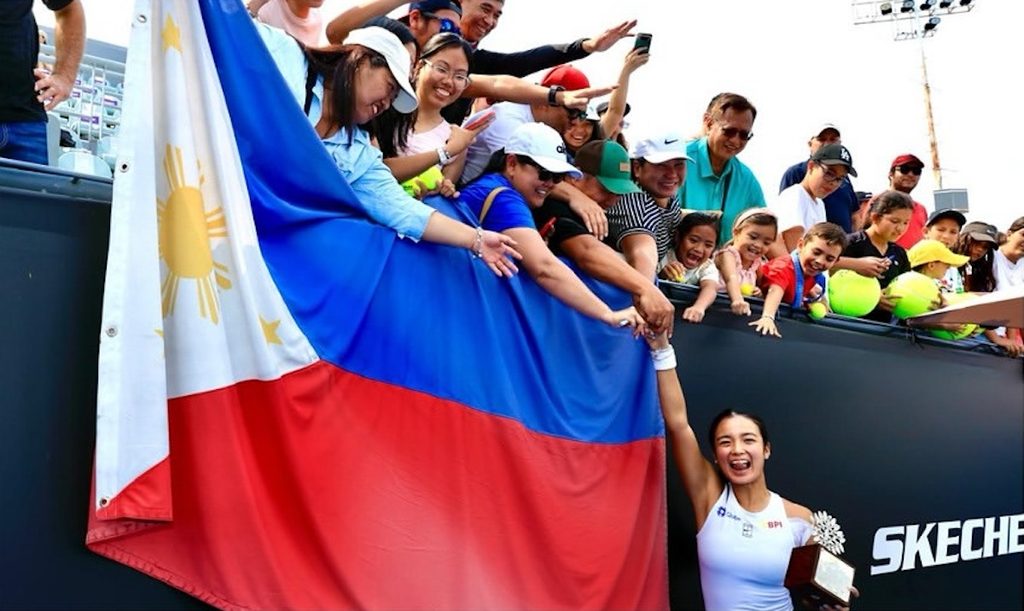
It was Alex.
Her historic victory—the first WTA Tour singles title ever won by a Filipino—didn’t simply produce another champion.
It recruited a new generation of tennis fans.
Watching the country celebrate, I remembered a question I heard many years ago inside a television network.
At the time, I thought it was a question about sports.
I later realized it was a question about media.
Growing up in the Philippines, we didn’t need anyone to explain why sports mattered.
We had Manny Pacquiao.
There’s an old joke that whenever Pacquiao fought, crime rates dropped because even the criminals were watching. Whether the statistics ever supported the joke is beside the point. Like all good kuwentong kutsero (tall tales), it survived because it captured something everyone recognized.
The streets became quieter.
Restaurants wheeled television sets into their dining areas.
Families rearranged their Sundays.
Friends delayed lunch until after the main event.
For a few hours, an entire country experienced the same story at exactly the same time.
These weren’t simply boxing matches. They were moments of national gathering.
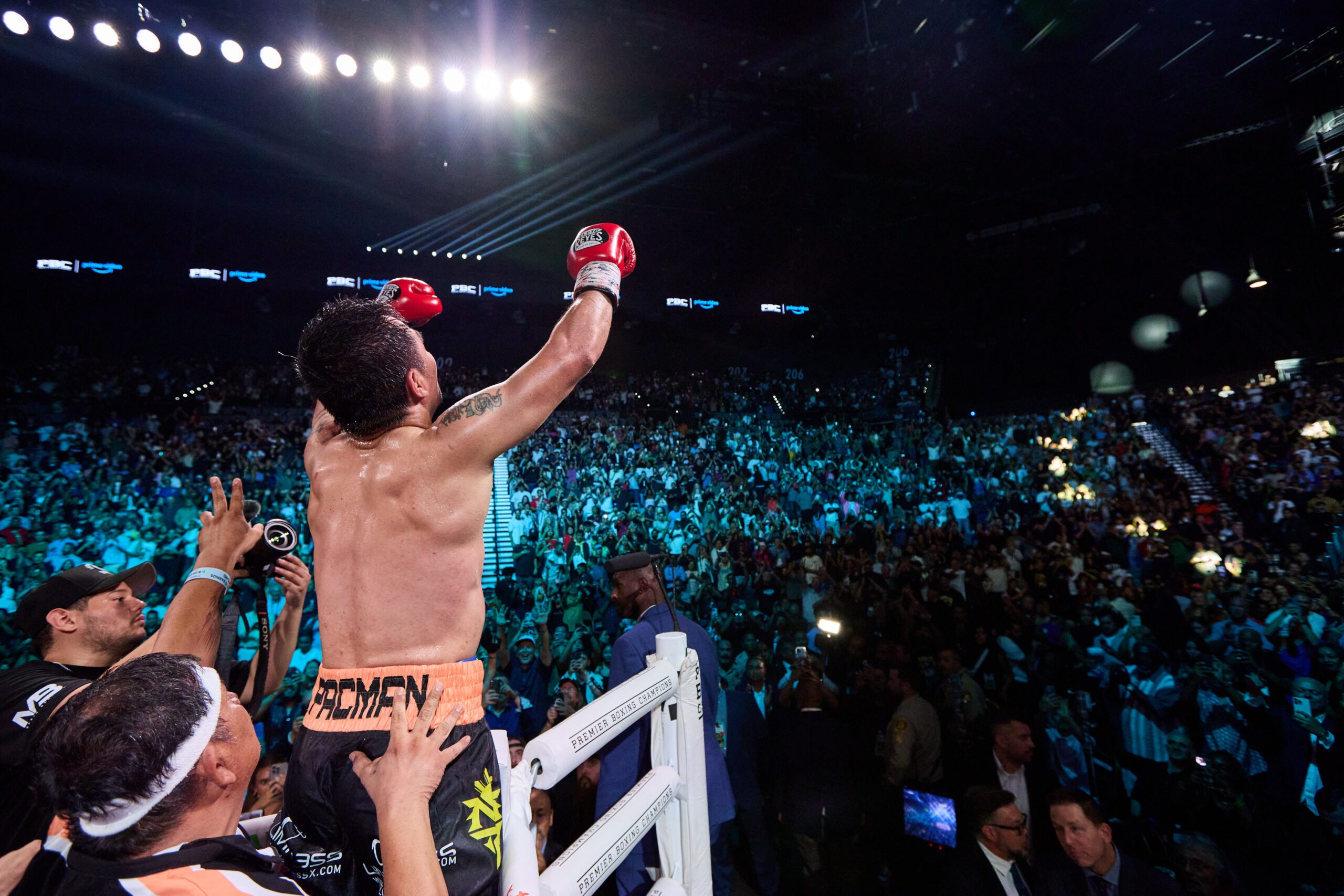
Today, our attention is scattered across YouTube channels, TikTok creators, streaming platforms and algorithmic feeds. We have never had more content.
Yet somehow, we have fewer moments that make us feel part of the same audience.
Watching thousands of Filipinos rally behind Alex Eala this week reminded me why sports continues to occupy a unique place in media.
It doesn’t just entertain.
It gathers.
Looking back
Years ago, I had the privilege of helping build ABS-CBN Sports.
Like many people in sports broadcasting, I thought our mission was obvious: Produce the best sports coverage in the country.
Our then-chairman, Gabby Lopez, constantly challenged us to improve the viewing experience.
Better graphics.
Cleaner statistics.
Faster replays.
During one basketball broadcast, he asked a deceptively simple question.
“Why does it take several seconds for the score to change after every basket?”
Someone explained that every basket had to be entered manually by the graphics operator.
Gabby simply asked, “Can’t technology do it faster?”
The question wasn’t really about basketball.
It was about respecting the audience.
If we could make the experience better for the audience, we should.
But another lesson stayed with me even longer.
Gabby often reminded us that if we wanted sports to grow in the Philippines, we couldn’t treat it merely as another business unit.
We had to treat it as an advocacy.
While he was talking about sports, he was really talking about the audience.
Serve them well.
The business follows.
In another meeting, then-ABS-CBN president Charo Santos-Concio asked a question that changed the way we thought about sports.
“Bakit ko mamahalin ang player ninyo?” (Why would I love your athlete?)
There was an uncomfortable silence.
Our first instinct was to push back.
We’re not showbiz.
Sports isn’t scripted.
Games create their own drama.
But Ma’am Charo wasn’t asking us to manufacture emotion. She was asking us to discover it.
Because audiences don’t fall in love with statistics.
They fall in love with people.
That single question changed everything.
We still covered the games.
But we also started telling the stories behind the uniforms.
The student-athlete balancing classes and training.
The boxer training barefoot because his family couldn’t afford shoes.
The parents making impossible sacrifices.
The doubts.
The disappointments.
The dreams.
Then we noticed something interesting.
People who had never watched volleyball suddenly began following Alyssa Valdez.
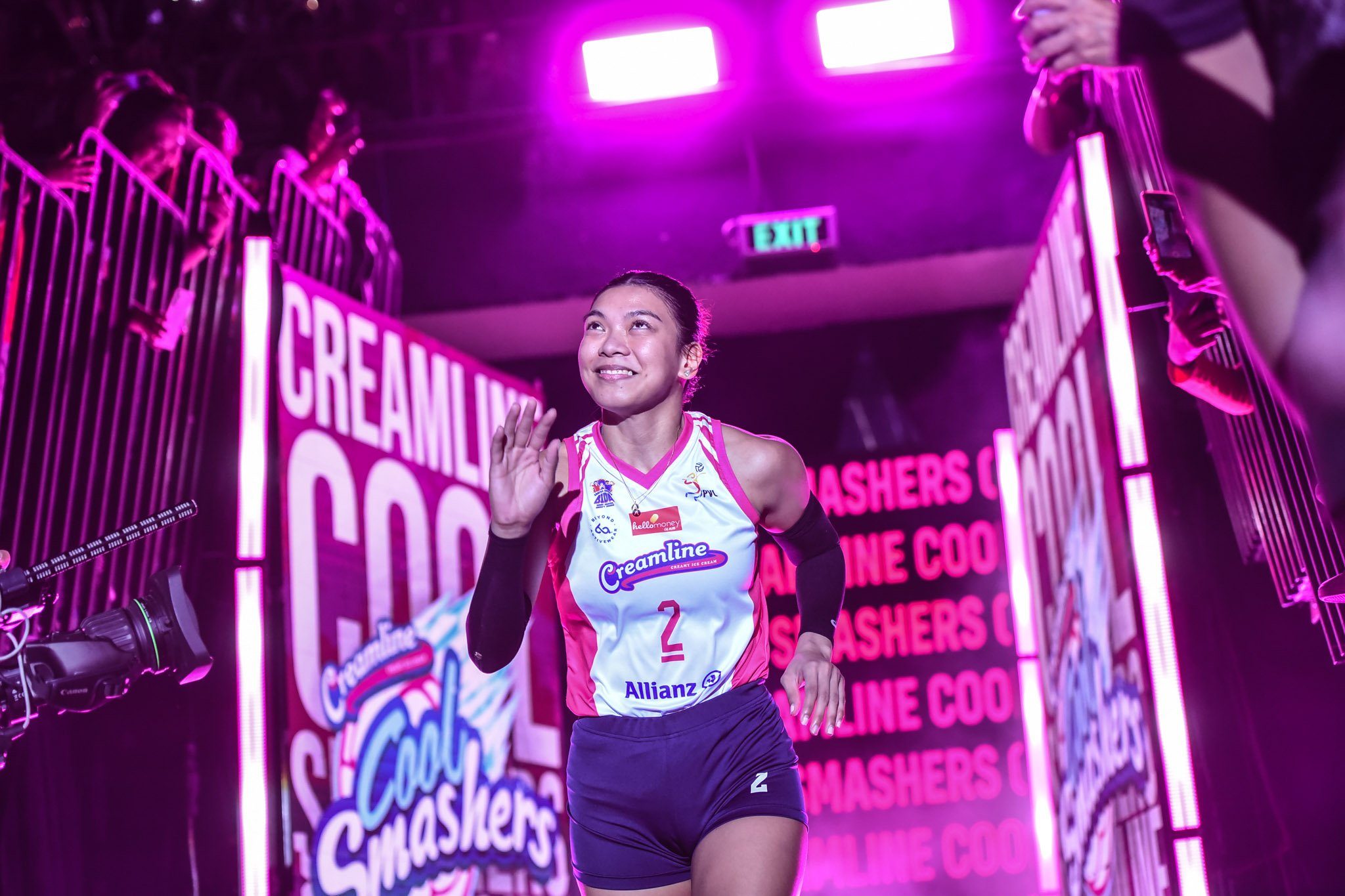
They didn’t become volleyball fans first.
They became Alyssa fans.
Somewhere along the way, they became volleyball fans too.
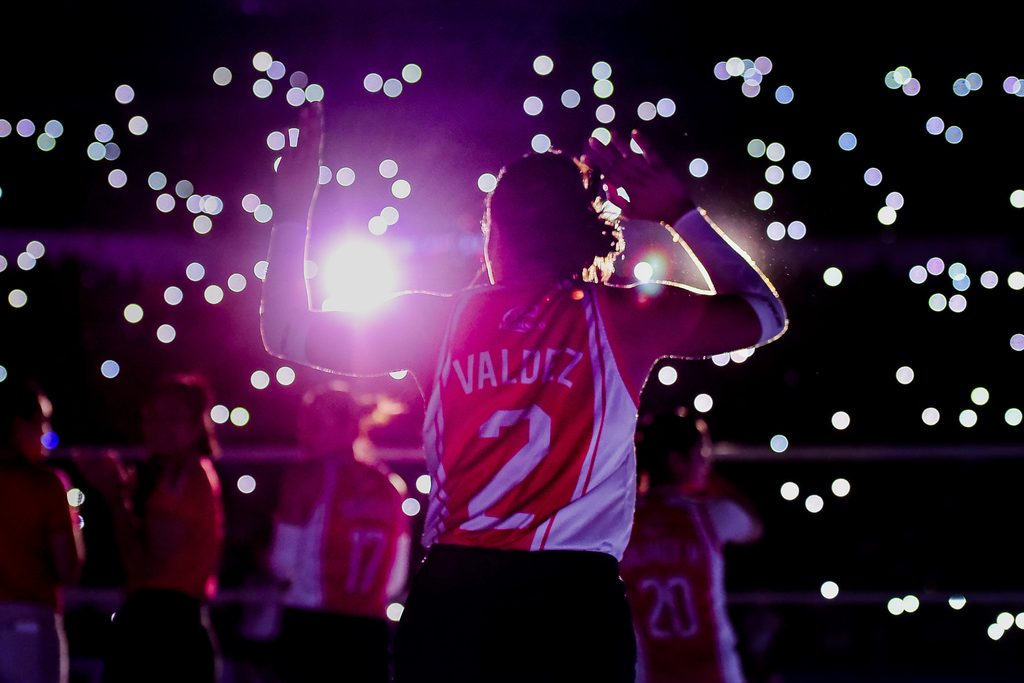
The athlete became the doorway to the sport.
We eventually realized that growing a sport required more than covering the game.
We had to think beyond the broadcast.
So we developed a framework of four expanding circles around every sport.
At the center was The Game—the competition itself.
Surrounding it was what we called Beyond the Paint—everything that helped audiences appreciate the sport more deeply: coaching, tactics, training, nutrition, equipment and preparation.
The third circle was Beyond the Sport—the athletes’ lives beyond the game.
Their families.
Their struggles.
Their dreams.
Their personalities.
But the outermost circle turned out to be the most important.
The Community.
Fan festivals where children finally met the athletes they admired.
Grassroots clinics where national team players taught kids the fundamentals.

School visits.
Outreach programs.
Moments where fans didn’t simply watch together. They belonged together.
We called it “building the sports ecosystem.”
What we were really building were communities.
Perhaps that’s why so many great athletes eventually transcend their sport.
Alex Eala has become proof that Filipinos can compete with the world’s best in tennis.
Hidilyn Diaz made millions of Filipinos care about weightlifting.

Carlos Yulo transformed gymnastics from an Olympic curiosity into a dinner-table conversation.

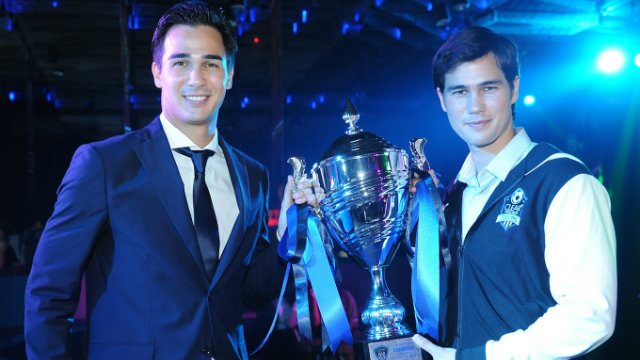
The Azkals introduced millions of Filipinos to football—not because people suddenly became interested in formations and tactics, but because they were captivated by the Younghusbands.
People rarely fall in love with a sport first.
They fall in love with a person.
The story comes before the statistics.
The relationship comes before the fandom.
Sometimes I wonder if we’ve made media more complicated than it needs to be.
Today we speak about “building community” as though social media invented the idea.
It didn’t.
Sports figured it out decades ago.
Long before likes, follows and algorithms, sports understood something fundamental about people.
We don’t simply gather around games.
We gather around each other.
Looking back, sports gave me one of my earliest lessons about community.
Technology changes.
Platforms change.
Business models change.
But human beings still look for the same things.
Stories.
Heroes.
Shared experiences.
Reasons to belong.
That’s why the game is only the beginning.
The community is the destination. – Rappler.com
Vince Rodriguez has spent more than 30 years in Philippine media, with experience spanning news, sports, content production, channel management, and marketing. He is currently Head of Network Marketing at TV5. His writing explores the intersection of media, culture, audiences, and the stories that shape how we see the world. He is married to journalist Niña Corpuz and is the father of three children, ages 14, 12, and 8, who continually challenge—and reshape—his understanding of the future of media.
Below is a recent article by the author you may want to read: