belgiums record wildfire
|

Belgium’s record wildfire races toward German bo…

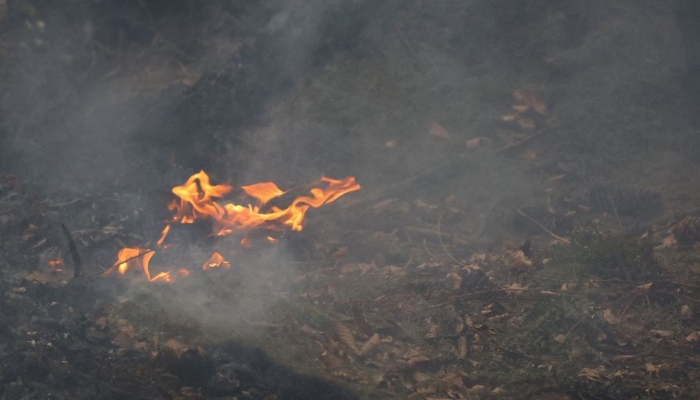
A wildfire in eastern Belgium has scorched around 3,000 hectares of woodland, peatland and moorland, becoming the country’s largest recorded wildfire and raising fears that flames could reach Germany.

The blaze erupted in the High Fens nature reserve, an area known for forests and fragile wetlands. Firefighters, soldiers, farmers and crews from neighboring countries have joined the operation, using helicopters, water-bombing aircraft and ground vehicles to battle the flames.

Authorities have evacuated around 600 residents from nearby areas and warned those who left their homes not to return yet. The fire has spread through difficult terrain, while dry vegetation and recent heatwaves have made containment challenging.

Rain that began falling on Monday offered firefighters a welcome boost, increasing humidity and lowering temperatures. However, officials remain cautious as the fire continues to threaten parts of the region near the German border.

The scale of the blaze has shocked Belgium, with officials saying it is far larger than the previous national wildfire record set in 2011.

The disaster comes as much of Europe faces intense heat and drought, conditions that are increasing wildfire risks across the continent. Authorities are investigating what caused the Belgian fire.

Similar Posts

  • |

    45,000 attend arbaeen procession in Dearborn

    More than 45,000 mourners gathered in Dearborn, Michigan, for a major procession marking Arbaeen, the 40th day of mourning following the martyrdom of Imam Hussain (RA) and his companions at the Battle of Karbala. The large gathering brought together members of the Shia Muslim community from Dearborn and other parts of Michigan, with participants filling the city’s streets to pay tribute to Imam Hussain (RA) and remember the sacrifices made at Karbala. During the procession, mourners recited elegies and took part in traditional mourning rituals, expressing grief and devotion while commemorating the events of Karbala. The gathering also served as an opportunity for participants to reflect on the values associated with Imam Hussain (RA), including justice, courage, sacrifice, and standing against oppression. The procession featured a strong display of religious devotion as thousands of participants marched through the streets in an atmosphere of mourning and remembrance. Families and community members joined the event, making it a significant religious gathering for the local Muslim population. Organizers described the event as the largest Arbaeen gathering of its kind in the history of the United States. They said the growing number of participants demonstrates the increasing scale of the annual commemoration and the strong connection of the community with the religious and historical significance of Karbala. The turnout also marked a notable increase compared with last year’s event. Around 40,000 people reportedly attended the Arbaeen procession in Dearborn in the previous year, while this year’s gathering attracted more than 45,000 participants. Arbaeen holds deep religious importance for Shia Muslims worldwide. It marks the completion of 40 days of mourning for Imam Hussain (RA), who was martyred alongside members of his family and companions at Karbala in 680 AD. Millions of people participate in Arbaeen commemorations across different countries, with the annual pilgrimage in Iraq drawing one of the world’s largest religious gatherings. The Dearborn procession has become an important annual event for the city’s Shia Muslim community, allowing participants to come together to remember the tragedy of Karbala and honor the legacy of Imam Hussain (RA).

  • | |

    US commander warns troops over social media posts

    The top US military commander overseeing American forces in the Middle East has warned troops that photos and videos shared on social media could help Iran quickly assess the damage caused by attacks on US bases. According to Reuters, US Central Command chief Admiral Brad Cooper made the warning in a July 28 letter to service members. He said Iran was using media reports, along with images and videos posted by US troops, to determine whether its attacks had succeeded or failed. Cooper urged military personnel to follow operational security rules more strictly, although he did not outline any specific measures in the letter. Reuters reported that some US troops stationed in Jordan have been told that authorities could take away their mobile phones in the coming days. Another source said officials were also considering similar measures elsewhere in the region, although no final decision has been made.   US Central Command spokesman Captain Timothy Hawkins said the message aimed to remind troops about the importance of operational security. The warning followed the appearance of a video on social media earlier this month that showed a US service member recording himself while heading toward a bunker during an Iranian attack on Jordan’s Muwaffaq Salti Air Base. Cooper said the soldier recorded the video using Meta smart glasses, potentially giving Iran information about the troops’ location and their response to the attack. He said that without publicly available images, videos and reports, Iran would have a harder time determining whether its strikes hit their intended targets. However, such material can effectively provide Iran with a free assessment of battlefield damage. According to Reuters, 18 US service members have been killed and more than 600 injured since the conflict with Iran began on February 28. The US Department of Defense has limited the release of information about the attacks and military casualties due to security concerns.

  • Thailand Updates Visa Rules: Indian Tourists Shift to 15-Day Visa-Free Entry

    BANGKOK – Thailand’s lawmakers recently approved a massive shift in its national immigration and border rules. This major policy overhaul completely changes how international foreign tourists enter the beautiful tropical country. Indian passport holders will soon see a very direct impact on their upcoming travel plans. Previously, Indian tourists heavily relied on a generous 60-day […]

  • | | | |

    US strikes IRGC bases after Iran missile attack

    The Middle East moved a step closer to a broader regional conflict after the United States launched large-scale airstrikes against dozens of Islamic Revolutionary Guard Corps (IRGC) facilities across Iran in retaliation for Tehran’s ballistic missile attack targeting American forces stationed in the region. According to the US Central Command (CENTCOM), the operation targeted military command centers, drone infrastructure, weapons depots and other strategic IRGC installations during a coordinated two-hour campaign. US officials said the strikes were intended to weaken Iran’s ability to threaten American troops, commercial shipping lanes and allied Gulf nations. Iranian state media reported that at least three people were killed during strikes on Qeshm Island, while authorities vowed that the country would continue defending its territory against what it described as “American aggression.” The crisis quickly spread beyond Iran’s borders. Jordan announced that its air defence systems intercepted five missiles following Iran’s confirmed launch toward US military installations in the kingdom. Washington maintained that all missiles directed at American bases were successfully intercepted, preventing casualties among US personnel. In another major development, US and Saudi forces carried out coordinated strikes against Iran-backed armed groups operating in eastern Iraq after drone attacks launched from Iraqi territory targeted Saudi oil facilities. The joint operation marked the first publicly acknowledged military action conducted together by Washington and Riyadh against Iran-aligned militias. Regional instability deepened further after a fire broke out aboard a US-owned gas storage tanker at Egypt’s Mediterranean port of Damietta. Although maritime security experts suggested the blaze may have resulted from a drone strike, Egyptian officials confirmed only the fire and said investigations into its cause were continuing. The latest escalation comes against the backdrop of months of confrontation between Iran, the United States and Israel. Fighting resumed after disputes over the strategically important Strait of Hormuz ended a short-lived ceasefire reached in June. US President Donald Trump reiterated that America would respond decisively to attacks on its forces while insisting diplomatic efforts remained active. However, continued military exchanges around the Strait of Hormuz have complicated negotiations and increased concerns over global energy supplies. Iran has claimed it targeted three tankers attempting to pass through what it called an unauthorized route in the strait, while rejecting an Omani-backed proposal supported by Gulf states for joint management of the crucial waterway. The conflict has also rattled global energy markets, with Brent crude prices climbing above $90 per barrel before easing later in trading. Meanwhile, Iraq’s Iran-backed Popular Mobilisation Forces said at least 20 of their fighters were killed in the US-Saudi strikes, prompting Baghdad to condemn the attacks as a violation of its sovereignty while urging all armed groups to halt cross-border military operations. Saudi Arabia has also intensified diplomatic efforts, with Defence Minister Prince Khalid bin Salman meeting US Vice President JD Vance in Washington to urge restraint. Saudi officials reportedly warned that expanding military operations against Yemen’s Houthis and Iran-backed militias in Iraq could trigger unpredictable consequences across the Middle East, highlighting growing fears that the conflict could widen even further.

  • | |

    AIOU recruitment process declared non transparent …

    Islamabad: A controversy has emerged over the recruitment process of Allama Iqbal Open University (AIOU) after the Wafaqi Mohtasib declared that the selection process for senior academic positions lacked transparency and directed the university to cancel appointments and repeat the process. The decision came after a complaint filed by a female complainant, who challenged her exclusion from the shortlist for Professor and Associate Professor positions despite claiming she met the required eligibility criteria. The Wafaqi Mohtasib, after reviewing documents and hearing both sides, concluded that maladministration was established and stated that serious questions were raised about the transparency of the selection process. The Ombudsman referred the matter to the Vice Chancellor of AIOU with directions to cancel the appointments and conduct the recruitment process again according to proper procedures. The controversy relates to faculty recruitment advertisements issued by AIOU for Professor and Associate Professor positions. According to the findings, AIOU advertised several academic positions on 15 September 2024, and received a large number of applications. Officials informed that 388 applications were received for 25 advertised Professor and Associate Professor positions. The university introduced an Internal Assessment Framework to shortlist candidates before sending applications for further evaluation. According to AIOU, the decision was taken because evaluating hundreds of academic files through experts would create major financial and administrative difficulties. Officials estimated that external evaluation of dossiers could cost around Rs26 million. Under the new system, eligible candidates were assessed through multiple stages including vision statement, leadership assessment, psychological assessment, teaching demonstration and screening interview. The assessment was conducted out of 50 marks, and 24 candidates were recommended for further selection stages. However, the female complainant was not recommended for any position. The female complainant challenged the process, arguing that the university changed recruitment procedures after the hiring process had already started. She claimed that according to the original recruitment rules, eligible candidates were required to appear before the Selection Board and that the introduction of an Internal Assessment as an elimination stage had no legal basis. She also argued that she was not properly informed about all stages of the assessment process. The complainant stated that she was informed about teaching demonstration and leadership assessment but was not informed about psychological assessment and screening interview. The complaint also raised concerns over fair hearing rights, claiming that she was excluded from the final process without written reasons or an opportunity to explain her position. Another serious issue raised was the timing of the Selection Board meeting. The complainant claimed that the Selection Board meeting took place on 10 April 2026, a public holiday, and that the approval process and appointment letters were completed unusually quickly on the same day. She questioned whether the process was properly transparent. She argued that recruitment rules and selection criteria should not be changed after the recruitment process has started. The Ombudsman examined the matter and found that the selection process did not appear transparent. The findings stated that several questions raised by the complainant required attention and that the recruitment process showed signs of maladministration. AIOU officials had defended the process, saying the Internal Assessment Framework was approved by the university’s Executive Council and applied to the advertised positions. They said the system was designed to identify the most competitive candidates while reducing time and financial burden. The case now requires AIOU to report compliance with the Ombudsman’s decision within the given period. The controversy has raised broader questions about transparency, fairness and recruitment procedures in public sector universities, where senior academic appointments directly affect the quality of education.

  • | |

    India’s Gen Z movement raises pressure on Mo…

    NEW DELHI: A growing youth-led protest movement is emerging as one of the most significant political challenges to Prime Minister Narendra Modi’s third term, with demonstrations spreading across parts of India over allegations of examination irregularities, unemployment and demands for greater government accountability. What began as an online campaign has evolved into a nationwide movement driven largely by Generation Z, reflecting mounting frustration among young Indians over limited job opportunities and concerns about the country’s education system. The movement, associated with the youth-led platform known as the “Cockroach Janata Party,” initially focused on alleged examination scandals but has since broadened into a wider campaign calling for institutional reforms and political accountability. Protesters are demanding the resignation of the country’s education minister and greater transparency in the recruitment and examination process. The demonstrations have gained further momentum following activist Sonam Wangchuk’s hunger strike and his reported forced relocation, developments that have intensified public debate and drawn fresh attention to the broader protest movement. According to international media reports, the unrest represents one of the strongest waves of public pressure faced by Modi’s government since it began its third consecutive term. Analysts say the protests highlight deeper concerns among young voters, particularly over unemployment, education and confidence in public institutions. Tensions escalated during a protest march toward Parliament, where demonstrators clashed with security forces. Official figures said at least 180 people were injured, including 118 police officers and 60 protesters, as authorities moved to disperse crowds. Mobile internet services were also suspended in several sensitive areas to prevent the spread of unrest. Observers say the movement’s rapid rise demonstrates the increasing influence of social media in mobilising young people. What started as a satirical online campaign quickly transformed into an organised street movement, giving voice to a generation that believes its economic and educational concerns have gone unanswered. Political analysts note that while the protests remain centred on education and employment, they could carry broader political implications if public dissatisfaction continues to grow. The government’s response in the coming weeks is expected to be closely watched, as it seeks to balance law and order with demands for reform. Although it remains uncertain how the movement will develop, the ongoing demonstrations underscore the growing political engagement of India’s younger generation and the challenges facing the Modi administration as it navigates rising public expectations during its third term in office.

Leave a Reply

Your email address will not be published. Required fields are marked *