देश-विदेश

  • |

    Accused architect of Rohingya persecution Min Aung Hlaing arrives in Thailand for official state visit

    Myanmar’s military leader Min Aung Hlaing has arrived in Thailand for an official state visit, marking his first international trip to a neighbouring democracy since assuming the role of civilian president following highly contested national elections. The visit comes despite international condemnation surrounding Min Aung Hlaing’s role as the chief commander responsible for the 2017 campaign of mass violence and expulsion against Muslim Rohingyas in Rakhine State. Already subject to Western sanctions and target of an International Criminal Court arrest warrant application for crimes against humanity, the former general faces renewed calls for accountability. Human rights organisations, including the Burmese Rohingya Organisation UK, have petitioned international judiciaries to coordinate with Thai authorities to execute active arrest warrants regarding acts of genocide and persecution. Thai Prime Minister Anutin Charnvirakul received Min Aung Hlaing with full diplomatic honours at Government House in Bangkok, including an official guard of honour and a scheduled state dinner. The two leaders are set to preside over a bilateral business forum aimed at bolstering economic ties, cross-border security, and trade infrastructure between the nations. Thailand’s formal reception of Min Aung Hlaing highlights a policy of “calibrated re-engagement” with Naypyidaw, separating Bangkok from several Association of South East Asian Nations (ASEAN) members that continue to exclude Myanmar’s leadership over unfulfilled peace commitments. While Thai officials maintain that direct high-level dialogue is essential to address shared border concerns and transnational crime, rights campaigners argue that hosting the general grants undeserved diplomatic legitimacy to an administration accused of severe human rights violations.

  • Europe’s Natural Gas Crisis: Why Russian Gas Sales Are Surging Again

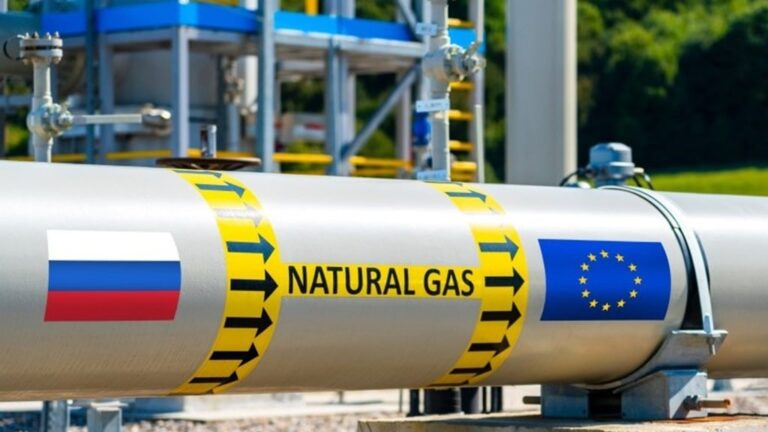
    BRUSSELS – Europe desperately wanted to break free from Russian gas after the invasion of Ukraine. But the harsh reality on the ground is much more complicated than many politicians admit. Today, massive amounts of Russian gas are still flowing heavily into European homes and businesses. European leaders publicly pledged to cut off all these […]

  • | |

    SpaceX Falcon 9 rocket crashes into the moon after…

    A SpaceX Falcon 9 rocket’s upper stage has crashed into the Moon after becoming uncontrollable following the completion of its mission, drawing renewed attention to the growing challenge of space debris and the long-term sustainability of space exploration. According to reports, the approximately 4,000-kilogram upper stage was originally used to launch a lunar lander into space. After successfully completing its primary mission, the rocket stage remained in space but could no longer be actively controlled. Over time, its trajectory led to an inevitable collision with the Moon. The impact occurred with an estimated force comparable to nearly three tons of TNT, creating another artificial impact site on the lunar surface. While the collision was significant, experts stressed that it does not pose any immediate danger to Earth or its inhabitants. NASA has confirmed that the incident presents no direct threat to Earth. However, scientists say the event serves as a reminder of the increasing amount of human-made debris orbiting Earth and traveling through deep space. As the number of space missions continues to grow, properly managing retired rocket stages and other spacecraft components is becoming an increasingly important issue for the global space community. Space debris has become a major concern for space agencies and private companies alike, as abandoned rocket stages, inactive satellites, and fragments from previous missions can create risks for future spacecraft. Experts believe that stronger international cooperation and improved end-of-mission disposal strategies will be essential to reduce the accumulation of debris in Earth’s orbit and beyond. Researchers also noted that impacts on the Moon are not uncommon. Natural meteoroids frequently strike the lunar surface, leaving countless craters over billions of years. In addition, several spacecraft have intentionally or accidentally impacted the Moon during previous missions, making such events scientifically valuable in some cases. Although the Falcon 9 upper stage’s collision is unusual because it involved an uncontrolled commercial rocket component, experts emphasized that it should not be viewed as an immediate cause for alarm. Instead, they say it highlights the need for responsible space operations as exploration of the Moon and deep space accelerates. The incident underscores the growing importance of sustainable space practices, ensuring that future missions can continue safely while minimizing the long-term impact of space debris on both Earth and the wider space environment.

  • |

    Investigative report reveals new human smuggling network 

      An investigative report has revealed that human smuggling networks have established a new and well-organized operation to transport undocumented migrants from the United Kingdom to mainland Europe. The report highlights how criminal groups are exploiting vulnerable migrants by offering illegal travel services, often presenting them as safe and reliable routes to European countries where migrants believe they have a better chance of obtaining legal residency. According to the investigation, smugglers charge approximately £1,000 per person to transport migrants across the English Channel from the United Kingdom to continental Europe. Those wishing to continue their journey to Spain are reportedly asked to pay an additional £500. Spain has become an attractive destination because of recent immigration policies that are widely perceived as providing greater opportunities for undocumented migrants to regularize their legal status. The report explains that these criminal organizations have adopted sophisticated marketing strategies, using social media platforms to advertise their services. Their promotional posts resemble travel packages rather than illegal migration schemes. The advertisements often feature appealing images of famous European cities such as Berlin, Paris, Rome, and other popular destinations, creating the impression of a safe and exciting journey. By using professional-looking graphics and persuasive language, smugglers attempt to gain the trust of potential clients. The investigation further states that these groups specifically target individuals whose UK visas have expired or whose immigration status is uncertain. Many of these migrants fear deportation or have exhausted legal options to remain in Britain, making them particularly vulnerable to the promises made by smugglers. Criminal networks assure them that they can avoid detection by British immigration authorities and safely reach mainland Europe. According to the report, smugglers often claim that once migrants enter the Schengen Area, they may benefit from the freedom of movement available within many European countries. Although these claims can be misleading and depend on individual legal circumstances, they are frequently used to persuade migrants to undertake dangerous and illegal journeys. In some cases, migrants are transported across different European countries using taxis and privately hired vehicles, allowing smugglers to bypass traditional border checkpoints and reduce the likelihood of interception. A major reason Spain has become a central focus of these smuggling operations is the country’s efforts to address labor shortages. The report notes that the Spanish government has introduced a broad immigration regularization program designed to grant legal status to certain undocumented migrants under specific conditions. As part of this amnesty initiative, approximately 1.2 million applications have reportedly been submitted. Of these, nearly 600,000 individuals have received renewable residence permits, allowing them to live and work legally in Spain. Human smugglers have seized upon these developments as a selling point in their advertising campaigns. They present Spain as a destination where undocumented migrants have a greater chance of securing legal residency after arrival. However, experts caution that such claims are often exaggerated or oversimplified. Eligibility for legal status depends on meeting strict legal requirements, and many migrants may not qualify despite the promises made by smugglers. The report also emphasizes the role of social media in facilitating these illegal activities. Platforms that were originally designed for communication and business promotion are increasingly being exploited by organized crime groups to recruit clients, negotiate payments, and coordinate transportation. The ease of anonymous communication and the global reach of these platforms make it easier for smugglers to expand their operations while making it more difficult for law enforcement agencies to identify and dismantle their networks. Meanwhile, the British government continues to stress that it is intensifying efforts to combat international human smuggling organizations. Officials say that law enforcement agencies on both sides of the English Channel are working closely together to investigate criminal networks, disrupt their operations, and prosecute those responsible. The government has also strengthened border surveillance and tightened immigration enforcement in an effort to discourage irregular migration and reduce opportunities for smugglers to operate. Authorities argue that stronger international cooperation is essential because these criminal organizations often operate across multiple countries, making investigations more complex. Intelligence sharing, joint operations, and improved border security are considered key elements in tackling transnational human trafficking and smuggling. Migration experts, however, believe that enforcement measures alone may not be sufficient. They argue that as long as significant differences remain between the immigration policies of European countries, human smuggling networks will continue to identify new routes and exploit legal loopholes. Criminal groups are highly adaptable and frequently alter their methods in response to changing border controls and government policies. Experts also warn that undocumented migrants remain at serious risk of exploitation throughout their journeys. Many face dangerous travel conditions, financial exploitation, deception, and abuse at the hands of smugglers. Some migrants lose large sums of money, while others become victims of forced labor or other forms of exploitation after reaching their destinations. The investigation concludes that addressing the issue of human smuggling requires a comprehensive international strategy. In addition to stronger law enforcement, governments must improve legal migration pathways, enhance cooperation on immigration policies, and increase public awareness about the risks of relying on criminal smuggling networks. Without coordinated action across Europe, experts fear that these illegal operations will continue to evolve, placing thousands of vulnerable migrants at risk while generating significant profits for organized criminal groups.

  • | | |

    Man arrested after alleged sexual assault of woman…

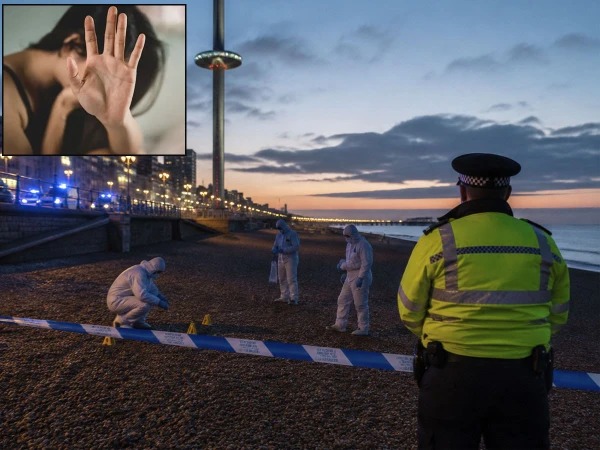
    A 28-year-old man has been arrested on suspicion of sexually assaulting a 20-year-old woman on Brighton Beach, as Sussex Police continue their investigation into the incident. According to police, the alleged assault took place overnight between Tuesday and Wednesday on Brighton seafront. Officers responded to reports of the incident and immediately secured the area near the Brighton i360 tower, where forensic specialists examined the scene and gathered evidence. A significant police presence remained at the location while investigations were carried out. Sussex Police confirmed that a 28-year-old suspect was taken into custody on suspicion of rape. Authorities said the man remains under investigation and has not yet been formally charged. Under UK legal procedures, suspects are considered innocent unless proven guilty in court. Police have not released the identity of either the suspect or the victim. Officials also declined to disclose the suspect’s nationality, explaining that such information is generally not made public before formal charges are filed. The force said the woman is receiving support from specially trained officers and victim support services as the investigation continues. Authorities emphasized that protecting the victim’s privacy remains a priority. Investigators have appealed to members of the public who were in the Brighton Beach or Brighton i360 area at the time of the alleged incident to come forward with any information. Police are particularly interested in mobile phone footage, photographs, CCTV recordings, or eyewitness accounts that could assist with the ongoing inquiry. Sussex Police stressed that the investigation is still in its early stages and that further updates will be released as more information becomes available. Officers urged the public to avoid speculation while inquiries are ongoing. The latest investigation comes only weeks after another high-profile criminal case involving a sexual assault on Brighton Beach concluded in court. In that separate case, three men were convicted and sentenced to lengthy prison terms for the rape of an unconscious woman. That case is unrelated to the current investigation but has drawn renewed attention to public safety along the popular seaside destination. Police have reiterated their commitment to conducting a thorough investigation into the latest allegations and ensuring that anyone with relevant information contacts the authorities. The outcome of the case will depend on the evidence gathered during the investigation and any subsequent legal proceedings.

  • | | |

    Iran considers allowing European nations to clear …

    Iran is reportedly considering allowing European countries to participate in clearing naval mines from the Strait of Hormuz, marking a potential shift in its long-standing position as diplomatic efforts continue to restore safe navigation through one of the world’s most strategically important waterways. According to multiple diplomatic sources, Iranian officials are evaluating the possibility of permitting a European-led mine-clearing operation aimed at reopening commercial shipping lanes affected by months of heightened regional tensions. If approved, the move could help restore confidence in maritime trade and improve the flow of global energy supplies. Sources familiar with the discussions said the proposed policy change is intended to facilitate the safe passage of commercial vessels and oil tankers through the Strait of Hormuz, a critical route for international oil and liquefied natural gas exports. The waterway has remained under increased scrutiny due to ongoing security concerns and the reported presence of naval mines. Diplomatic officials indicated that Iran has attached several conditions to any potential European involvement. These reportedly include guarantees for the safety of European naval vessels, the existence of a ceasefire or a significant reduction in regional hostilities, approval from Iran’s Islamic Revolutionary Guard Corps (IRGC), and assurances that the mission would be limited strictly to humanitarian and commercial navigation rather than broader military operations. While the conditions have not yet been finalized, sources said negotiations are progressing in a constructive direction. No formal agreement has been announced, and discussions among the involved parties remain ongoing. The reported flexibility represents a notable departure from Iran’s previous public position, which has consistently opposed the involvement of foreign military or naval forces in security operations within the Strait of Hormuz. Diplomats, however, say recent closed-door talks suggest Tehran may be willing to reconsider its stance under specific circumstances. Oman is also believed to be playing a key diplomatic role in facilitating communication between Iran and Western countries. Iranian Foreign Ministry spokesperson Esmaeil Baghaei has previously stated that Tehran and Oman had reached an understanding on the geographical parameters of maritime routes, providing a basis for continued negotiations. The Strait of Hormuz is one of the world’s most vital energy corridors, carrying a significant share of globally traded crude oil and liquefied natural gas. Any improvement in security and navigation through the waterway could reduce shipping insurance costs, stabilize global energy markets, and support the uninterrupted movement of commercial vessels. Although negotiations are still underway, the reported discussions highlight growing diplomatic efforts to reduce regional tensions and ensure the safe resumption of international maritime trade.

  • |

    Iran advances in Hormuz talks with Oman

      Iran and Oman have made significant progress in negotiations over a shipping route through the Strait of Hormuz, with both sides agreeing on the precise maritime coordinates. Iranian Foreign Ministry spokesperson Esmaeil Baghaei said a joint statement is currently being prepared, although its release depends on the absence of outside interference. He stressed that the understanding, while important, would not by itself guarantee complete security in the strategically vital waterway. According to sources, the proposed arrangement would place Iran in charge of overseeing vessels entering the Gulf through the Strait of Hormuz. The sources described the proposal as one of Tehran’s most substantial concessions in the ongoing discussions. However, they dismissed claims made by US President Donald Trump that a comprehensive agreement to fully reopen the strait was close, saying several key issues remain unresolved. Baghaei described the negotiations with Oman as constructive and professional, noting that both countries have reached consensus on the shipping corridor. He added that officials are now working on the final wording of the joint declaration. An Iranian diplomatic source also expressed optimism that an agreement could be reached within the next couple of days if no external actors complicate the process. The source further clarified that the Strait of Hormuz has never been closed due to disagreements between Iran and Oman, insisting that any disruption to navigation depends on actions taken by the United States. Separately, Ebrahim Azizi, chairman of the Iranian parliament’s National Security Committee, said the time would eventually come when US military forces would withdraw from the region. He argued that countries hosting American bases would ultimately be responsible for financing their own security after the departure of US troops. Iranian state media also maintained that any shipping agreement with Oman would not automatically result in the reopening of the strait if Washington continued policies that Tehran considers hostile. A source quoted that the discussions with Oman are strictly bilateral and unrelated to negotiations involving the United States. In another development, United Nations High Commissioner for Human Rights Volker Türk voiced concern over a sharp increase in executions in Iran since March. He said at least 56 individuals have been executed on national security charges during this period, including 27 people connected to earlier anti-government protests. Meanwhile, Yemen’s Houthi movement claimed responsibility for launching ballistic missiles at the Saudi oil tanker Wafaa near Yanbu in the northern Red Sea. A Houthi spokesperson said the missiles struck their intended target and described the attack as part of the group’s continuing blockade against Saudi Arabia. According to the group, the tanker is the eighth vessel targeted since the blockade began in July. Iranian parliamentarian Esmail Kowsari criticised President Trump’s public statements on the Strait of Hormuz, accusing him of making inconsistent and misleading claims about the negotiations. He argued that repeated assertions about the strait reopening and Iran’s position have failed to match developments on the ground. President Trump, however, said the waterway would reopen soon and warned that Iran would face severe consequences if negotiations collapsed. He also claimed that easing tensions in the region could lead to a significant drop in global oil prices. Qatar said diplomatic mediation efforts are making steady progress, with the country’s Emir discussing the latest developments with President Trump in an effort to narrow differences between Washington and Tehran. At the same time, Israeli officials reportedly expressed concern that the United States appears willing to secure an agreement regardless of the terms, adding that Israel is receiving updates on the Hormuz negotiations only through indirect channels.

  • |

    Chances of US-Iran agreement remain uncertain 

      Despite US President Donald Trump’s confident claim that a deal with Iran has effectively been finalized, senior Gulf officials have indicated that the prospects of reaching an agreement this Friday remain uncertain. These officials estimated the likelihood of a successful agreement at only “fifty-fifty,” suggesting that significant obstacles still stand in the way of a final breakthrough. According to the sources, one of the major concerns is the composition of the Iranian delegation currently involved in discussions. They revealed that representatives of Iran’s Islamic Revolutionary Guard Corps (IRGC) are not part of the negotiating team. This absence is viewed as highly significant because the IRGC is widely regarded as the most influential military and political institution in Iran and is expected to have the final authority in approving any interim or broader agreement. Without its backing, even a negotiated framework may struggle to gain official approval in Tehran. President Trump has repeatedly expressed confidence in the ongoing diplomatic efforts between Washington and Tehran. Earlier, he stated that American officials were holding “very good talks” with their Iranian counterparts and suggested that negotiations were progressing positively. However, he also issued a stern warning, saying that if Iran were to back away from a potential agreement as it had in previous rounds of negotiations, the United States would respond with decisive and severe measures. His remarks reflected a combination of optimism about diplomacy and a willingness to adopt a tougher stance should talks collapse. Trump also hinted that an agreement concerning the Strait of Hormuz could be reached as early as today. The Strait of Hormuz is one of the world’s most strategically important maritime routes, carrying a significant portion of global oil exports. Any understanding aimed at ensuring safe navigation through the waterway would be welcomed by international markets and regional governments, given the repeated tensions and security incidents that have threatened shipping in recent years. Despite the optimistic statements coming from Washington, Iran has continued to deny that it is engaged in direct negotiations with the United States. Iranian officials maintain that their current discussions are exclusively with Oman and are focused on resolving issues related to maritime navigation and shipping through the Strait of Hormuz. Tehran has consistently rejected claims that formal talks with Washington are underway, emphasizing that its engagement is limited to regional diplomatic channels. Political analysts believe, however, that the ongoing dialogue between Iran and Oman could serve as an important bridge toward eventual negotiations between Tehran and Washington. Oman has long played the role of a trusted intermediary between the two countries, facilitating discreet diplomatic contacts during previous periods of heightened tension. Analysts argue that if discussions between Iran and Oman produce positive outcomes, they could help build confidence, reduce mistrust, and create the conditions necessary for broader US-Iran negotiations in the near future. For now, uncertainty continues to dominate the diplomatic landscape. While President Trump projects confidence that a breakthrough is close, regional officials remain cautious, pointing to unresolved political and military considerations that could still prevent a final agreement. The coming days are expected to determine whether diplomatic efforts can translate into a meaningful deal or whether tensions between the United States and Iran will persist.

  • | |

    Turkey submits bill to parliament aimed at reinteg…

    Turkey’s governing coalition put forward a draft law before parliament on Wednesday designed to secure lasting peace with the Kurdistan Workers’ Party, offering legal protection from prosecution to many former fighters and suspending prison terms for others. The legislation represents a significant step toward closing out an insurgency that has claimed more than 40,000 lives since 1984, deepened political divisions inside Turkey and spilled violence into neighboring Iraq and Syria over four decades. The bill aims to bring the long running conflict to a close in part by clearing the way for potentially thousands of former PKK fighters and civilians to return to Turkey from hideouts in northern Iraq. The measure carries support from a majority of lawmakers and is expected to clear parliament later this week, though public opinion polls suggest many Turks remain doubtful it will deliver a durable peace. Under the bill, Turkey’s national security council would confirm the group’s disarmament, while a dedicated committee, including the vice president, several cabinet ministers and the head of the MIT intelligence service, would supervise the surrender and disarmament of militants. That committee would then report on the process to a parliamentary oversight commission. According to the text of the legislation, the bill would suspend prison sentences for individuals convicted of PKK membership or of assisting the organization. It would also extend legal protection to fighters who were not involved in killings, provided they return to Turkey within six months of the law taking effect. PKK figures convicted of more serious offenses, including leading a terrorist organization or sentenced to aggravated life terms before 2005, would fall outside the scope of these protections and would not receive suspended sentences. That exclusion means PKK founder Abdullah Ocalan, who has been imprisoned since 1999 under an aggravated life sentence, would remain behind bars even as the broader peace process moves forward. Ocalan called on the PKK to lay down its weapons and dissolve last year, a call the group’s leadership accepted. President Tayyip Erdogan’s governing AK Party secured backing for the bill, formally titled the national solidarity and social integration law, from its nationalist ally the MHP as well as the pro Kurdish DEM Party. Most other parties in parliament, including the main opposition, have also expressed support for the legislation. DEM co chair Tuncer Bakirhan described the vote as an important first step, saying he hopes the process continues forward in a constructive direction. The peace initiative between Turkey, which fields NATO’s second largest army, and the PKK first got underway in late 2024. It nearly stalled earlier this year, however, as the war involving Iran raised fears of wider regional instability and diverted attention from the domestic peace effort. Turkey, along with the United States and the European Union, classifies the PKK as a terrorist organization. The group launched its armed campaign in 1984, initially demanding an independent Kurdish state in southeastern Turkey before later shifting its goals toward greater autonomy and expanded political rights for Kurdish communities within Turkey. The legislation now heads toward a parliamentary vote expected within days, marking one of the most consequential efforts yet to formally end a conflict that has shaped Turkish domestic politics and regional security dynamics for more than a generation.

  • |

    Husband of murdered school teacher says earlier police action could have saved her life

      The husband of a school teacher who was brutally murdered in Faridabad, Haryana, India has stated that his wife might still be alive if the police had taken firm action after her earlier complaint against the accused. The tragic incident has sparked renewed concerns about the handling of stalking and harassment complaints and the importance of timely intervention by law enforcement agencies. The victim, 28-year-old Sandhya Sharma was a teacher at a private school in Faridabad. She was brutally killed at her workplace two days ago in a shocking attack that has drawn widespread public attention. Police have arrested 21-year-old Amit, who is accused of carrying out the murder. During the investigation, the suspect reportedly confessed to planning the crime nearly two months in advance and admitted that he had purchased a knife specifically to carry out the attack. Speaking to the media, Sandhya Sharma’s husband, Vicky Gurjar, said that his wife had previously worked at another school in Sirohi village where the accused had begun stalking and harassing her. According to him, the family had filed a police complaint regarding the harassment. However, he believes that if strict legal action had been taken at that time, the tragedy could have been prevented. Vicky Gurjar explained that he and Sandhya had entered into a love marriage and had built a happy family together. The couple had two young children—a seven-year-old son and a five-year-old daughter. He said the loss of his wife has devastated the family and left their children without their mother. According to police investigators, the suspect had been searching for an opportunity to kill Sandhya Sharma for a considerable period. On the day of the attack, he entered the school premises and allegedly called the teacher out of her classroom by using her husband’s name as a pretext. Once she stepped outside, he grabbed her by the hair and repeatedly stabbed her in the neck and chest. Police reported that she suffered more than 27 stab wounds and died at the scene due to the severity of her injuries. The investigation further revealed that Amit was allegedly obsessed with Sandhya Sharma and had developed one-sided feelings for her. However, she consistently ignored his advances and never encouraged him. Police said the victim had previously filed a complaint accusing him of harassment. At that time, the suspect reportedly apologized, and the matter did not result in stronger legal action. Investigators also stated that Sandhya later changed both her school and her residence in an effort to distance herself from the accused. Police believe this decision may have further angered the suspect and contributed to his determination to carry out the crime. According to police officials, the accused initially planned to attack the victim while she was traveling to or from school. However, fearing that he would be quickly identified and arrested, he abandoned that plan. Instead, he decided to commit the murder inside the school building, where he believed he would have a better opportunity to confront her. A senior police officer said the suspect was so enraged during the attack that he continued stabbing the victim even after the knife became bent. Police have recovered the murder weapon and are continuing efforts to locate the suspect’s motorcycle as well as the clothes he was wearing during the crime. Authorities also confirmed that the entire attack was captured on the school’s CCTV cameras. During the incident, the accused allegedly threatened a school employee who attempted to intervene and save the teacher. The CCTV footage is expected to serve as a crucial piece of evidence in the ongoing investigation. Police further stated that Amit is the youngest of three brothers. He was unemployed and earned a living by raising buffaloes and selling milk. The investigation is ongoing, and authorities are collecting additional evidence to strengthen the case before presenting it in court.