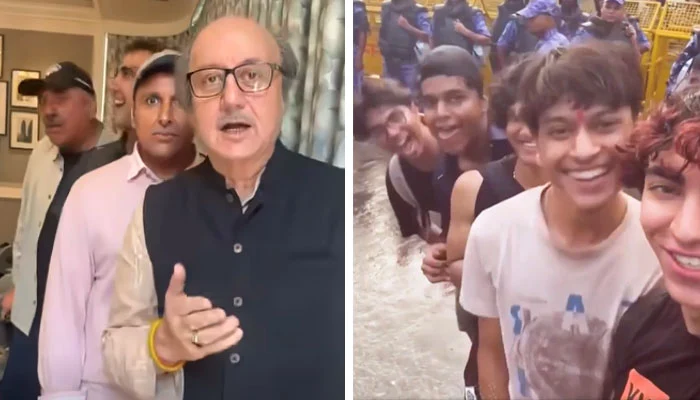
India’s younger generation is increasingly shaping public debate through digital platforms, demonstrating how social media has become a powerful tool for civic engagement and political participation. Unlike previous generations that relied heavily on traditional media or established political organizations, many members of Generation Z use platforms such as X, Instagram, and YouTube to share information, organize campaigns, and amplify public concerns. The growing influence of digital activism reflects a broader global trend. Young people are more connected than ever before, enabling them to discuss social, educational, economic, and political issues in real time. Social media allows ideas to spread rapidly, encourages public participation, and provides a space where diverse opinions can be expressed. As a result, youth-led campaigns can attract national and even international attention within a short period. Peaceful civic participation remains one of the most effective ways for citizens to express their views. When protests and public campaigns remain non-violent and focused on dialogue, they can encourage discussions between governments, institutions, and the public. Digital platforms complement these efforts by helping organizers communicate with supporters, share updates, and raise awareness about issues that affect young people. At the same time, digital activism also presents challenges. Information shared online may not always be accurate, and misinformation can spread quickly if claims are not verified. For this reason, responsible use of social media is essential. Participants, journalists, and readers alike should rely on credible sources, verify facts, and encourage respectful discussion rather than polarization. The increasing involvement of Gen Z in public affairs highlights the importance of youth voices in a democratic society. Young citizens often bring fresh perspectives on education, employment, governance, and social justice. Their participation can contribute to meaningful conversations about policy and accountability while encouraging greater civic engagement among their peers. As digital technology continues to evolve, the relationship between social media and public participation is likely to become even stronger. Governments, civil society organizations, and educational institutions will need to adapt to this changing landscape by promoting digital literacy, transparency, and constructive dialogue. Regardless of political viewpoints, the rise of digitally connected youth demonstrates that technology is transforming how citizens engage with public issues, making informed participation and responsible communication more important than ever.