Saudi crown prince pushes Trump for diplomacy
Iranian military officials have rejected US President Donald Trump’s claim that Tehran asked for a planned American attack to be called off. The officials called the claim a lie. They said Trump was trying to pressure and blackmail Gulf rulers through threats.
The officials said Iranian forces remain at the highest level of readiness and are prepared for any situation. They warned that if a confrontation becomes unavoidable, the outcome on the battlefield will settle who truly holds power.
A source close to Iran’s negotiating team also denied that any agreement had been reached to reopen the Strait of Hormuz. Another military source told a local news agency that the strait will stay closed as long as the United States continues what Iran calls hostile actions. The source added that ships will only be allowed through a specific route and only with permission from the Islamic Revolutionary Guard Corps.
Trump had said on Saturday that he called off a planned military strike on Iran after Tehran and other Middle Eastern countries asked for more time to complete a peace deal. He said Israel had also agreed to this arrangement. On his social media platform, Trump claimed both sides had agreed on the outline of a deal. He said the plan includes a complete and immediate reopening of the Strait of Hormuz and an end to what he called Iran’s nuclear threat.
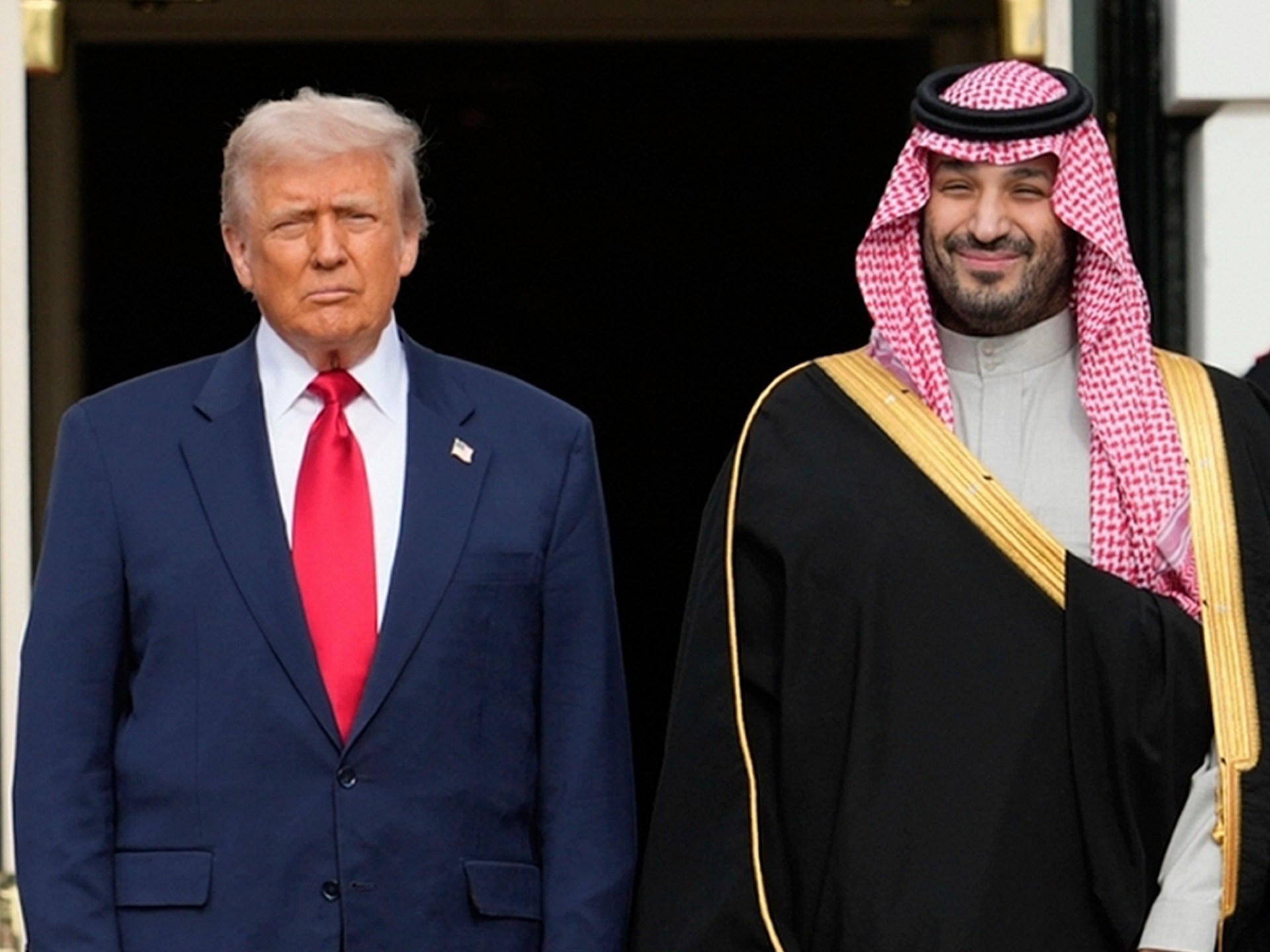
Meanwhile, Saudi Crown Prince Mohammed bin Salman spoke with Trump by phone and stressed the need to avoid a wider regional war. The Saudi Press Agency reported that the crown prince called for dialogue and de-escalation to protect regional stability. Both leaders also discussed cooperation between Saudi Arabia and the United States.
Iran’s acting defence minister said all threats from adversaries are treated as real, even when they may be part of psychological pressure tactics. He said Iran will not be caught off guard and will use such threats to strengthen its military readiness.
US Secretary of State Marco Rubio said American strikes have made Iran more willing to negotiate, including on its nuclear program and the Strait of Hormuz. He claimed the strikes had severely weakened Iran’s navy, air force and missile systems, though he admitted Iran still has missiles and drones capable of causing damage. Rubio said the US is now negotiating from a position of strength.
Iran earlier warned the US against what it called adventurous action and said it would respond firmly to any fresh attacks. Iran’s foreign minister discussed the situation with senior officials from Turkey, Pakistan and Saudi Arabia, warning that any aggression would receive a proportionate response.
A media outlet linked to Iran’s security establishment warned that any US strikes on Iranian energy sites would lead to Iranian strikes on oil and gas fields in Saudi Arabia, the UAE, Qatar and Israel.
Oil prices have remained high since the conflict began in February. Brent crude rose sharply in July, and analysts expect prices to climb further as tensions in the region continue.