देश-विदेश

  • | |

    US and Japan join hands to stabilize weakening Jap…

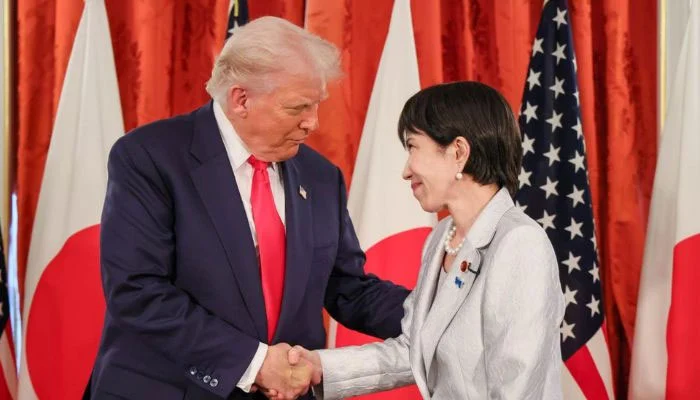
    In a rare show of financial coordination, the United States and Japan have confirmed that they jointly intervened in currency markets last week to support the Japanese yen after it plunged to its weakest level in four decades against the US dollar. The move marks the first coordinated intervention between the two allies since 2011, when they acted together following Japan’s devastating earthquake and tsunami. The intervention comes as both governments seek to stabilize the yen and prevent further market volatility that could ripple across the global financial system. Japanese officials and US Treasury Secretary Scott Bessent made it clear that they are prepared to take additional coordinated action if needed to counter excessive fluctuations in the currency. Economists say the joint effort reflects growing concerns that a prolonged depreciation of the yen and instability in Japan’s government bond market could have wider consequences, including increased borrowing costs for the United States and heightened uncertainty in global markets. Analysts also believe that even limited interventions can discourage speculative trading by signaling that authorities are willing to act decisively. The yen has remained under pressure largely because Japan continues to maintain significantly lower interest rates than other major economies. While the Bank of Japan raised its benchmark interest rate to 1% in June—the highest level in nearly three decades—it remains well below the US Federal Reserve’s policy rate of 3.50% to 3.75%, making the dollar a more attractive choice for investors. Japan is also grappling with long-term economic challenges, including a shrinking working-age population, sluggish productivity growth and heavy dependence on imported energy priced in US dollars, all of which have contributed to the currency’s weakness. Japan’s Ministry of Finance stated that the coordinated intervention was aimed at countering excessive volatility and restoring orderly conditions in foreign exchange markets. Secretary Bessent echoed that message, saying the United States strongly supports Japan’s efforts to correct what it views as a significantly undervalued yen. President Donald Trump also defended the move, saying Japan had sought assistance in stabilizing its currency and reaffirming Washington’s commitment to supporting its longtime ally. Following the announcement, the dollar briefly weakened against the yen before regaining some ground. Market observers estimate that Japan may have spent nearly $59 billion purchasing yen in recent interventions, while reports suggest the United States may have bought between $5 billion and $10 billion worth of the Japanese currency, although US officials have not officially confirmed the amount. Financial markets are now closely watching whether further coordinated interventions will be required if pressure on the yen continues, with analysts expecting both governments to remain ready to act in order to preserve stability in global currency markets.

  • |

    Two firefighting helicopters collide as Greece battles wildfires near Athens

    Two firefighting helicopters collided mid-air west of Athens while tackling a major wildfire, killing a Greek and a Danish pilot aboard one of the aircraft. The two crew members on the second helicopter survived and were rescued, while the destroyed aircraft had been leased from Australia’s McDermott Aviation to support Greek operations. The tragic crash occurred as high winds whipped up severe blazes across the region, destroying more than 100 homes overnight in the coastal village of Porto Germeno. More than 500 firefighters remain deployed to combat the active flames despite extreme weather conditions hampering aerial firefighting efforts.

  • |

    Brazil’s Lula announces fourth-term campaign…

    Brazilian President Luiz Inacio Lula da Silva has launched his campaign for a fourth term at a Workers’ Party convention in Sao Paulo, confirming it would be his final bid for office. Centring his platform on global affairs and national defence, the 80-year-old leader pledged to increase military spending and protect the country’s vast rare earth mineral reserves. He warned foreign powers that Brazil would not permit nations like China, France, or the United States to access these resources without respecting territorial sovereignty. Lula currently holds a slight lead in opinion polls against his likely main challenger, Senator Flavio Bolsonaro.

  • |

    US and Japan launch rare joint effort to strengthen yen

    The United States and Japan have launched an extraordinary joint currency intervention to prop up the Japanese yen after it plummeted toward a fresh 40-year low. The coordinated market operation aimed to curb severe exchange rate volatility and lower the escalating costs of imported food and energy burdening Japanese consumers and businesses. US Treasury Secretary Scott Bessent confirmed the bilateral action, while financial analysts noted that the move helped prevent Tokyo from dumping massive tranches of US government bonds to raise capital. Bank of Japan data indicates that Tokyo sold approximately 59 billion dollars in market reserves alongside parallel purchasing from Washington following political support from US President Donald Trump.

  • |

    EU calls emergency meeting following mass migrant crossings into Ceuta

    The European Union has convened an emergency meeting after 22 member states issued a joint letter demanding coordinated action to strengthen the bloc’s external borders following the arrival of 60,000 migrants in Spain’s North African enclave of Ceuta. The influx has triggered severe political friction within the EU, leading Italy, Finland, and Denmark to suspend or question passport-free Schengen travel arrangements with Spain. Spanish Prime Minister Pedro Sánchez condemned the unilateral measures as unlawful and selfish, maintaining that border control was fully restored within 48 hours and preventing onward movement into continental Europe. EU officials confirmed the death toll from the crossing attempt has risen to at least 67 while the vast majority of individuals who entered the enclave have since returned to Morocco. The joint letter addressed to EU leadership stresses that uncoordinated responses risk creating a perception that illegal entry into the bloc is possible, which would encourage further crossing attempts across member states. In response to the crisis, Spanish authorities have installed floating security barriers off the Ceuta coastline while working alongside international partners to secure the border perimeter.

  • |

    Man admits transporting body of Scottish woman in suitcase in Athens

    Greek authorities have arrested a 26-year-old man who confessed to transporting the body of 38-year-old Scottish woman Elisabeth-Jane Ross in a suitcase to an abandoned building in Athens. The victim’s body was discovered on 18 July in the Kypseli district following a missing person report, with subsequent investigations leading police to identify the suspect via video footage. Law enforcement officers arrested the suspect on suspicion of manslaughter, robbery, and weapons offences after finding he had used the victim’s bank cards and seized a knife and replica pistol at his home. Greek police are fast-tracking toxicology reports to determine the precise cause of death while continuing efforts to trace American acquaintances Ross was scheduled to visit before her disappearance. The Scottish Government confirmed it is providing official support to the victim’s family alongside the Foreign, Commonwealth and Development Office.

  • |

    Romania expands brown bear cull as critics highlight enforcement gaps

    Romania’s parliament has voted to double the annual hunting quota for brown bears to nearly 900 animals in an effort to manage Europe’s largest population outside Russia, which is estimated at between 10,000 and 13,000. The legislation aims to curb an increasing frequency of human-bear encounters driven by urban sprawl, habitat fragmentation, and climate change. Human deaths caused by bear attacks in Romania have reached nearly 30 over the past two decades, with animals regularly entering mountain towns to scavenge for food. Conservationists and wildlife experts argue the expanded culling quota will fail to solve urban encroachment because trophy hunters target large animals deep within forests. Critics maintain that existing safety measures, including fines for tourists feeding wildlife, subsidised electric fencing, and proper municipal waste management, are not being sufficiently enforced. In addition to state-sanctioned culls, local municipal authorities retain legal powers granted in 2021 to shoot individual bears that intrude directly into private residential properties.

  • |

    Cuba plunges into darkness as national electric grid collapses

    Cuba’s state-owned grid operator, Union Electrica de Cuba, announced that the national electricity system collapsed late on Sunday night, leaving approximately 10 million residents without power. The widespread outage marks the fourth major blackout to hit the country in recent weeks following three similar grid failures recorded throughout July. The worsening energy crisis is driven by severe fuel shortages, which have left the nation’s ageing power generation facilities unable to meet basic electrical demand. Sanctions and geopolitical shifts have severely restricted the island’s ability to import crude oil. Following the ouster of Venezuelan President Nicolas Maduro in January, a US-imposed oil blockade cut off Cuba’s primary source of imported fuel, while alternative shipments from Mexico have also stopped under pressure from Washington. To mitigate the escalating power supply emergency, the Cuban government has initiated unprecedented reforms by allowing private businesses and foreign-backed entities into its domestic wholesale fuel market.

  • |

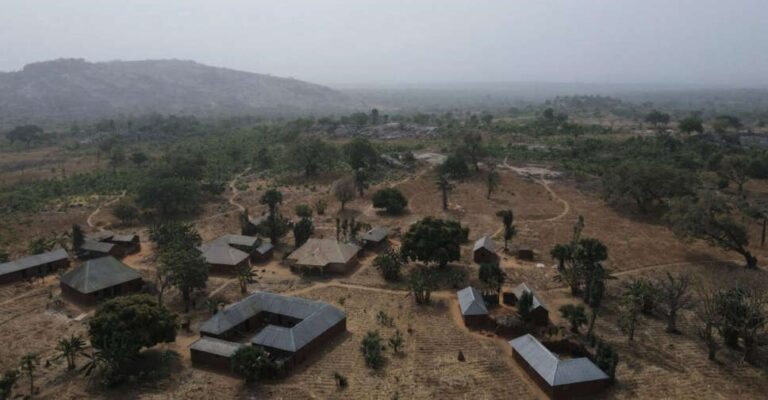
    Armed gunmen kill 12 and abduct women in Nigerian village raid

    Armed gunmen launched a hours-long night-time raid on the village of Lajinge in northwestern Nigeria’s Sokoto state, killing at least 12 people and abducting several women and children. The assailants set fire to homes during the assault, causing six members of a single family to burn to death inside their residence. Local residents reported that four additional individuals sustained injuries while the attackers also rustled significant amounts of livestock. Sokoto state police forces confirmed an ongoing investigation into the assault, which follows a similar attack that left 24 farmers dead in neighbouring Zamfara state just a week prior.

  • |

    Myanmar’s detained former leader Aung San Suu Kyi meets Red Cross official

    Myanmar’s ousted leader Aung San Suu Kyi met with Arnaud de Baecque, the International Committee of the Red Cross (ICRC) resident representative, in her first publicised meeting with a foreign official since the 2021 military coup. Government-released photographs show the 81-year-old Nobel Peace Prize winner in Naypyitaw alongside images of her celebrating her June birthday under house arrest, where she is currently serving an 18-year sentence following commuted convictions. While Myanmar authorities maintain Suu Kyi is in good health, international bodies and her opposition supporters continue to demand her unconditional release and independent verification of her well-being.