japan join hands
| |

US and Japan join hands to stabilize weakening Jap…

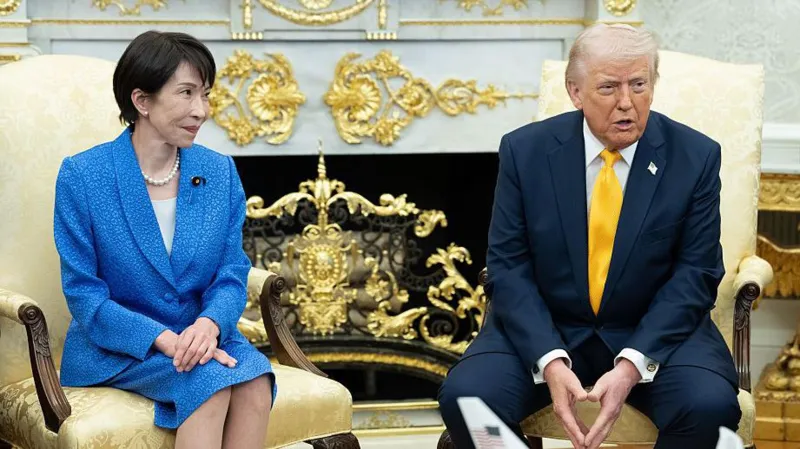
In a rare show of financial coordination, the United States and Japan have confirmed that they jointly intervened in currency markets last week to support the Japanese yen after it plunged to its weakest level in four decades against the US dollar. The move marks the first coordinated intervention between the two allies since 2011, when they acted together following Japan’s devastating earthquake and tsunami.

The intervention comes as both governments seek to stabilize the yen and prevent further market volatility that could ripple across the global financial system. Japanese officials and US Treasury Secretary Scott Bessent made it clear that they are prepared to take additional coordinated action if needed to counter excessive fluctuations in the currency.

Economists say the joint effort reflects growing concerns that a prolonged depreciation of the yen and instability in Japan’s government bond market could have wider consequences, including increased borrowing costs for the United States and heightened uncertainty in global markets. Analysts also believe that even limited interventions can discourage speculative trading by signaling that authorities are willing to act decisively.

The yen has remained under pressure largely because Japan continues to maintain significantly lower interest rates than other major economies. While the Bank of Japan raised its benchmark interest rate to 1% in June—the highest level in nearly three decades—it remains well below the US Federal Reserve’s policy rate of 3.50% to 3.75%, making the dollar a more attractive choice for investors.

Japan is also grappling with long-term economic challenges, including a shrinking working-age population, sluggish productivity growth and heavy dependence on imported energy priced in US dollars, all of which have contributed to the currency’s weakness.

Japan’s Ministry of Finance stated that the coordinated intervention was aimed at countering excessive volatility and restoring orderly conditions in foreign exchange markets. Secretary Bessent echoed that message, saying the United States strongly supports Japan’s efforts to correct what it views as a significantly undervalued yen.

President Donald Trump also defended the move, saying Japan had sought assistance in stabilizing its currency and reaffirming Washington’s commitment to supporting its longtime ally.

Following the announcement, the dollar briefly weakened against the yen before regaining some ground. Market observers estimate that Japan may have spent nearly $59 billion purchasing yen in recent interventions, while reports suggest the United States may have bought between $5 billion and $10 billion worth of the Japanese currency, although US officials have not officially confirmed the amount.

Financial markets are now closely watching whether further coordinated interventions will be required if pressure on the yen continues, with analysts expecting both governments to remain ready to act in order to preserve stability in global currency markets.
Similar Posts

  • |

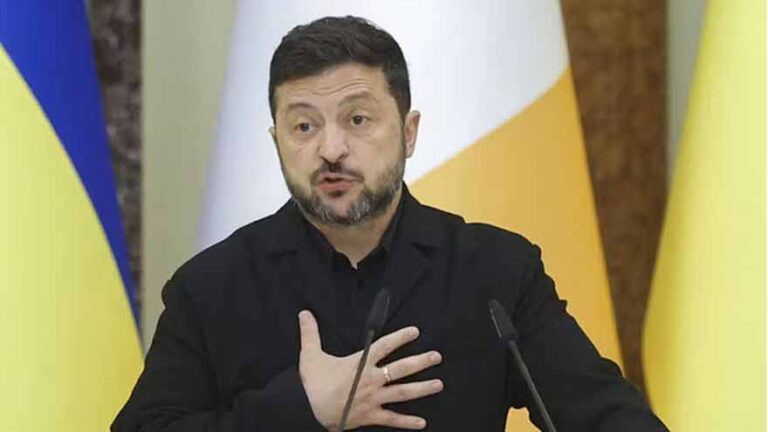
    Zelensky accuses Iran of direct role in Russia’s war against Ukraine

    Ukrainian President Volodymyr Zelensky has accused Iran of directly participating in the war against Ukraine through its continuous military support for Russia. Speaking on potential threats following a recent incident involving an Iranian vessel, Zelensky urged caution to prevent the opening of another front while stressing that Ukraine must remain prepared for all scenarios. He stated that Tehran became a direct participant by supplying Moscow with thousands of attack drones from the outset of the full-scale invasion and subsequently granting licences for local production. He added that both Iran and North Korea have effectively attacked Ukraine by supplying Russia with weaponry, including missiles, drones, and artillery ammunition. In response, Iranian Foreign Ministry spokesperson Ismail Baghaei rejected assertions that Tehran had sought negotiations with the United States to end hostilities, asserting that Iran will independently determine matters of war and peace. Baghaei added that Washington had initially expected an Iranian surrender within days of commencing attacks, yet months later, the United States continues to face severe challenges in the region.

  • |

    Lt Gen (R) Abdul Qayyum calls for global peace through dialogue; FIRD Chairman Toaha Qureshi backs strong armed forces

    LONDON:  Senator Lt Gen (R) Abdul Qayyum (HI(M)), President of the Pakistan Ex-Servicemen Society, called for greater respect for international law, dialogue under the umbrella of the United Nations and enhanced cooperation among Muslim countries to address global security challenges, while Forum for International Relations Development (FIRD) Chairman Toaha Qureshi reaffirmed support for Pakistan’s armed forces, saying they remained the country’s defenders and that the Field Marshal had enhanced Pakistan’s reputation on the global stage. Addressing the Second International Conference on Global Peace, organised by FIRD in London, Senator Abdul Qayyum said lasting peace could only be achieved through diplomacy and adherence to international law. “Respect for international law and pursuing dialogue as a strategy for peace under the umbrella of the United Nations can help resolve even the most complex global challenges. Destructive wars can only lead to catastrophic consequences and bring suffering to humanity as a whole,” he said. During his address, the senator argued that the post-Cold War unipolar world had witnessed repeated violations of international law and human rights, weakening the effectiveness of institutions such as the United Nations and the International Court of Justice. Discussing global security, he said colonialism had evolved into neo-colonialism in the modern era and referred to the establishment of US military bases around the world. He also cited recent developments in the Middle East, saying they had highlighted the importance of national self-reliance in defence and strategic planning. Senator Abdul Qayyum said vulnerable states increasingly needed to strengthen their own defence capabilities while developing strategic partnerships through mutual defence agreements. Referring to recent tensions involving Iran, Israel and the United States, he said the evolving regional security environment had prompted Gulf countries to reassess their strategic priorities and seek greater autonomy. He said Pakistan, with its strategic geographical location and strong defence capability, could play a constructive role in promoting closer cooperation among Muslim-majority countries. He added that greater unity among Muslim states, beyond sectarian divisions, could strengthen regional stability and collective security. The senator warned that unilateral actions and disregard for international law risked pushing the world towards another major global conflict. Referring to former US President Richard Nixon’s geopolitical doctrine, he said pragmatic diplomacy, a balance of power and economic stability remained essential foundations for international peace. Addressing interfaith harmony, Senator Abdul Qayyum said dialogue and mutual respect remained essential to strengthening relations between different faith communities. He expressed concern over the rise of Islamophobia and called for greater engagement, education and cooperation to counter prejudice and promote peaceful coexistence. Speaking at the conference, FIRD Chairman Toaha Qureshi said Pakistan’s armed forces were the guardians of the country’s sovereignty and deserved the nation’s continued support. “Pakistan’s armed forces are the protectors of the country. We need strong armed forces, and it is necessary that we continue to support this institution,” he said. Qureshi added that Pakistan’s Field Marshal had earned the country greater international recognition and enhanced its standing through his leadership. The conference also heard from educationist and businessman Mian Muhammad Jehangir, who stressed the importance of meaningful education in shaping future generations and driving national development. He said Pakistan’s youth possessed immense talent and potential, adding that investment in quality education, skills development and character-building was essential for the country’s progress. He praised the achievements, resilience and capabilities of Pakistan’s young people, expressing confidence that they would play a pivotal role in building a stronger, more prosperous and globally competitive nation.

  • |

    Carlos Alcaraz withdraws from Cincinnati Masters with wrest injury

    World No. 2 Carlos Alcaraz has officially withdrawn from the Cincinnati Masters as he continues to recover from a wrist injury that has kept him off the ATP Tour since April, casting fresh doubt over his participation in this month’s US Open. Tournament organizers confirmed on Tuesday that the Spanish superstar will not defend his Cincinnati title, citing an “ongoing wrist injury.” The ATP Masters 1000 event, scheduled to begin on August 13, is regarded as the final major warm-up tournament before the US Open. Tournament director Bob Moran expressed support for the 23-year-old, saying everyone at Cincinnati hopes to see him back on court soon. “We know Carlos is doing everything he can to get back to playing tournaments as soon as possible. We wish him the best with his recovery and look forward to welcoming him back to Cincinnati in the future,” Moran said in an official statement. The withdrawal has intensified speculation surrounding Alcaraz’s fitness ahead of the US Open, which begins on August 30 in New York. As the defending champion, his absence from Cincinnati leaves him with little opportunity to regain competitive rhythm before the year’s final Grand Slam. Alcaraz has not played a competitive match since suffering a wrist injury during the opening round of the Barcelona Open in April. Since then, he has withdrawn from several high-profile tournaments, including the Madrid Open, Italian Open, French Open, Wimbledon, and now Cincinnati. When announcing his decision to miss Roland Garros earlier this year, Alcaraz described it as “the most prudent” choice after discussions with his team. Although his rehabilitation has reportedly progressed well, the Spaniard has repeatedly stressed that he would only return when fully fit. His absence from Wimbledon proved particularly significant, as world No. 1 Jannik Sinner successfully defended his title by defeating Germany’s Alexander Zverev in the final. Despite his lengthy spell on the sidelines, Alcaraz enjoyed a remarkable start to 2026. He completed the career Grand Slam by winning the Australian Open in January, becoming the youngest men’s player to achieve the feat. He followed that historic triumph with another title in Doha in February, taking his Grand Slam tally to seven. With the countdown to Flushing Meadows underway, tennis fans will now be anxiously waiting for an official update on whether one of the sport’s biggest stars will be fit in time to defend his US Open crown.

  • |

    EU to end automatic GSP+ extension from 2027, Pakistan told to submit fresh action plan

    ISLAMABAD: The European Union (EU) is set to introduce a revised mechanism for extending its Generalised Scheme of Preferences Plus (GSP+) trade facility from January 2027, under which beneficiary countries will no longer receive an automatic extension. The Commerce Ministry informed the National Assembly Standing Committee on Commerce on Wednesday that Pakistan would have to formally seek continuation of the GSP+ facility and submit an action plan covering its commitments under 32 United Nations conventions. Commerce Secretary Jawad Paul briefed the committee that the new GSP+ framework would come into force in January 2027, followed by a two-year transition period. During this period, countries benefiting from the scheme will be required to prepare and submit their respective plans, which will subsequently be assessed by the European Union. According to the secretary, the EU’s assessment of Pakistan contains both positive observations and areas of concern. Among the issues highlighted by the European bloc is the human rights situation in Pakistan, along with security and climate-related challenges. The briefing was given during a meeting of the National Assembly Standing Committee on Commerce chaired by Jawad Hanif. Members including Asad Alam Khan Niazi, Khurshid Ahmed Junejo, Shaista Pervaiz, Dr Ramesh Kumar Vankwani, Tahira Aurangzeb, Mir Amir Magsi, Dr Mirza Ikhtiar Baig and Kiran Haider attended the meeting. EU concerns discussed The committee asked the Commerce Ministry to explain the concerns raised by the European Union in its latest assessment of Pakistan and their possible implications for the country’s trade interests. Jawad Paul said the EU report had acknowledged the difficult circumstances Pakistan was facing, particularly in terms of security challenges, economic pressures and climate-related disasters, including floods. These factors, he said, had affected the country’s capacity to fully implement various commitments. He urged members of parliament to present Pakistan’s perspective during their engagements with European Parliamentarians and other EU representatives. The secretary maintained that Pakistan’s circumstances should be taken into account while evaluating the country’s performance under the GSP+ framework. He said the government needed to undertake fundamental measures to address the challenges identified by the EU while also ensuring that Pakistan’s position was effectively communicated to European stakeholders. The committee also expressed concern over the repeated absence of the Commerce Minister from its meetings and conveyed its displeasure over the matter. Tariff reforms aimed at boosting exports The meeting also reviewed the government’s tariff reforms and their impact on industrial competitiveness and exports. Committee members questioned whether exporters would be required to commit to specific export targets in return for government support. The committee chairman clarified that the measures being introduced should not be viewed simply as incentives for exporters, arguing that reductions in duties and taxes were intended to lower production costs and improve Pakistan’s competitiveness in international markets. Officials from the Commerce Ministry said the government had been pursuing a policy of reducing tariff protection and lowering the cost of imported raw materials. The objective, they said, was to enable domestic industries to become more competitive and increase their presence in international markets. As part of the reforms, tariffs on around 2,000 tariff lines were reduced last year to make raw materials and other industrial inputs available at lower prices. The secretary said tariff reforms were being implemented under the National Tariff Policy and that the government had provided an estimated Rs160 billion benefit to industry and exporters during the previous year. For fiscal year 2026-27, another Rs120 billion has been earmarked under the relevant support measures. According to the Commerce Ministry, the previous Rs120 billion package was associated with a $1.27 billion increase in exports during 2025-26. Jawad Paul acknowledged that the tariff changes could initially result in higher imports as industries gained access to cheaper inputs and machinery. However, he argued that the trade imbalance could gradually improve as increased industrial production translated into stronger exports. Committee seeks review of Pakistan-China trade agreement The standing committee also raised concerns over Pakistan’s trade deficit with China and identified the China-Pakistan Free Trade Agreement (CPFTA) as an issue requiring closer examination. Members asked the Commerce Ministry to provide a detailed presentation on the agreement’s impact on Pakistan’s exports, imports and overall trade balance. The committee also sought an update on the latest trade discussions between Pakistan and the United States. The Commerce Secretary assured members that a detailed briefing on the matter would be provided in an in-camera session. Export Development Fund restructuring reviewed The committee separately examined the restructuring of the Export Development Fund (EDF). Officials told the meeting that the management and decision-making structure of the fund had been moved towards greater private-sector participation, with leading exporters being given a more significant role in determining spending priorities. The committee welcomed the shift towards projects that have a direct and measurable connection with export growth rather than conventional infrastructure-focused initiatives. Members also reviewed the allocation of 40% of the Export Finance Scheme (EFS) portfolio for small and medium-sized enterprises (SMEs). They stressed that smaller businesses should have fair and sufficient access to export financing so that they can participate more effectively in international trade. Pakistan Reinsurance Company performance discussed The committee also reviewed the performance and investment strategy of Pakistan Reinsurance Company Limited (PRCL). Members were informed that the company retained nearly 30% of its risk domestically, while approximately 70% was placed in international reinsurance markets, including London, Dubai and Singapore. The committee chairman called for careful management of the company’s financial resources and urged officials to explore opportunities to improve returns without compromising risk-management standards. Proposed amendments for Karachi Chamber examined The committee considered the Trade Organizations (Third Amendment) Bill, 2026, a Private Member’s Bill seeking amendments to the Trade Organizations Act in relation to the Karachi Chamber of Commerce and Industry (KCCI). During the discussion, members examined the special status of KCCI and proposed exemptions from certain district-related provisions. The chairman directed that the proposed amendments be drafted in appropriate legal language in consultation with the Ministry of Commerce and the Ministry of Law and Justice

  • | | | |

    Iran, Oman make progress on Strait of Hormuz shipping talks

    Iran and Oman have reported progress in discussions aimed at ensuring safer shipping through the Strait of Hormuz amid the ongoing regional conflict. Iranian Foreign Ministry spokesman Esmaeil Baghaei said senior officials from both countries held talks in Tehran over two days to discuss arrangements for managing maritime traffic through the strategic waterway. According to Baghaei, the discussions focused on common principles and practical measures to maintain safe shipping while respecting the sovereignty of Iran and Oman, the two countries bordering the strait. He described the talks as useful and said progress had been made. Further political and technical consultations are expected to continue between the two sides. Baghaei also said there had been no change in the current traffic situation in the Strait of Hormuz. The development comes as tensions remain high between Iran, the United States and Israel. The waterway has become a major focus of the conflict because it is a critical route for global energy shipments. Iranian army spokesman General Abolfazl Shekarchi separately claimed that Washington had failed to achieve its objectives in the Strait of Hormuz and in weakening Iran. He described the situation for the United States as “chaotic and undesirable” and said Washington was apparently considering a new strategy. Shekarchi also suggested that any possible US withdrawal from the conflict could depend on Israel’s approval. Meanwhile, tensions have spread beyond the immediate battlefield. Iran summoned Ukrainian diplomats after Kyiv reportedly struck an Iranian vessel in the Caspian Sea, killing at least one sailor and injuring another. Ukraine said the operation targeted Russian vessels allegedly carrying military cargo linked to Iran. Ukrainian President Volodymyr Zelenskyy has also accused Russia of supporting Iran during the ongoing conflict.

Leave a Reply

Your email address will not be published. Required fields are marked *