iran separately talk
|

US, Iran separately talk with mediators in latest bid to end war

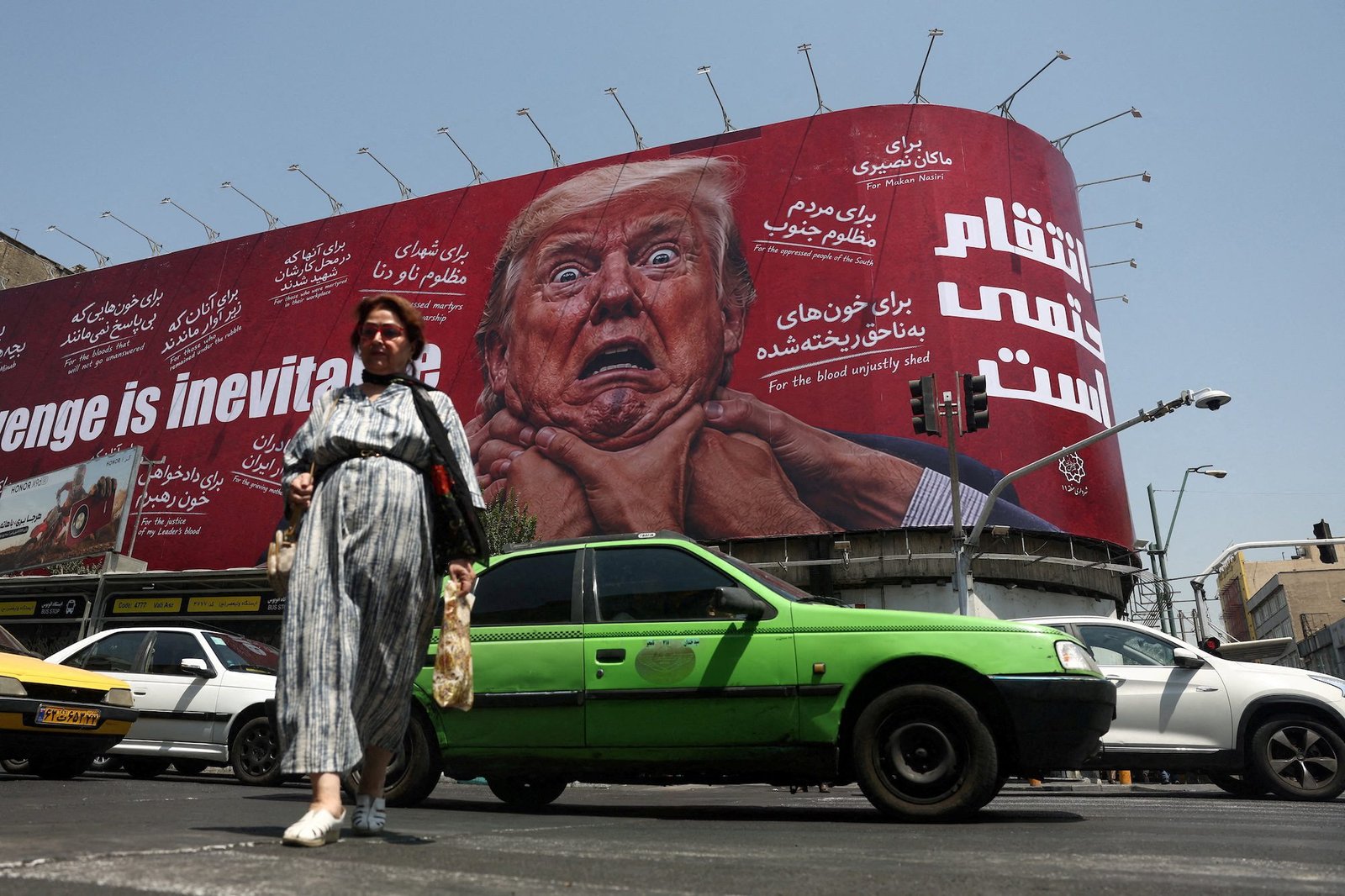
US and Iranian officials spoke separately with mediators on Monday, September 28, as part of a renewed effort to end seven months of war, according to officials of both countries.

Any further talks are expected to focus on an amended version of a seven-day proposal that Iran presented last week on the sidelines of the United Nations General Assembly, an official briefed on the negotiations told Reuters.

The war began in late February with US and Israeli attacks on Iran, killing thousands of people over seven months and shocking global markets as vital waterways for oil remained choked. The US and Iran have twice previously agreed to ceasefires in mediated peace talks, in April and June. Those agreements quickly unraveled.

Must Read

Iran insists on diplomatic solution after Trump rejects peace plan


Iran insists on diplomatic solution after Trump rejects peace plan

Iranian Foreign Minister Abbas Araqchi, who remained in New York after attending the General Assembly, said Iran expected to receive the US response to its latest ceasefire proposals and its conditions for restoring passage of maritime traffic in the Strait of Hormuz, according to state news agency IRNA.

“If the Americans claim they are seeking an agreement or a peaceful solution, we have presented that solution,” Araqchi said.

US officials separately spoke with mediators on Monday, US President Donald Trump told reporters at the White House, without giving further details.

Trump has flagged further talks this week

Iran’s seven-day plan envisages an end to all hostilities in Iran and Lebanon, the unfreezing of billions of dollars’ worth of Iranian assets, an end to sanctions on Iranian oil and the lifting of the US blockade on Iranian ports.

Iran would then allow the reopening of the Strait of Hormuz, a vital conduit for oil tankers, and the two sides would also resume talks on Iran’s nuclear program and Trump’s wish to seize or eliminate its highly enriched uranium.

Trump said on Saturday, September 26, he had rejected Iran’s proposal, saying Iran wanted a swift agreement because of the crippling economic pressure it is under. However, he also told Axios on Sunday that he expected US negotiators to engage in further talks this week.

Araqchi said on Sunday, September 27, that mediators had not formally conveyed a US rejection, and that Iran was awaiting Washington’s definitive position before deciding its next steps.

“Our conditions are clear, and any move toward reopening the Strait of Hormuz is contingent on these conditions being met,” he said on Sunday, adding that only a negotiated solution could resolve the impasse. – Rappler.com

Similar Posts

  • |

    Infamous cartel kingpin Daniel Kinahan extradited to Ireland following decade-long global manhunt

    Suspected crime boss Daniel Kinahan has been extradited from Dubai back to Ireland, marking the end of a ten-year stretch abroad that began after an armed assault on his life. The 49-year-old landed at Casement Aerodrome in Dublin under tight security protocols, arriving on an official Irish government aircraft. Kinahan is scheduled to present himself at the Criminal Courts of Justice in Dublin, where he will face charges of commanding an organised crime syndicate before being remanded to Portlaoise Prison. Law enforcement agencies contend that Kinahan holds a high-ranking position within the Kinahan crime syndicate, an enterprise tied to global narcotics trafficking, illegal arms dealing, and further criminal operations. Kinahan has not been convicted of these specific offences. Speaking on a podcast hosted by James English prior to his surrender, Kinahan voiced an expectation that he would face significant jail time. ‘I think I’ve already got life in prison. And we have to go through the dance now,’ he remarked. Whilst conceding that he had ‘not been an angel’, Kinahan asserted that the claims made against him were exaggerated, adding: ‘I believe in a way I’m a scapegoat.’ His departure from Ireland occurred after a targeted assassination attempt at a boxing weigh-in inside Dublin’s Regency Hotel back in February 2016. He subsequently established residency in Dubai, where local authorities apprehended him in April. The legal transfer was enabled after Ireland and the United Arab Emirates ratified an extradition agreement in May 2025. Emirati courts dismissed Kinahan’s final legal challenge against the transfer last month, paving the way for his custody transfer to Irish officials.

  • |

    Ukrainian drone strike on Nizhnekamsk oil refinery kills 13 and injures dozens

    A devastating Ukrainian drone attack on the industrial city of Nizhnekamsk in Russia’s Tatarstan region has killed at least 13 people, including a child and several foreign nationals, and left dozens injured. The strike targeted Tatneft’s TANECO oil refinery, located approximately 1,200 kilometres east of the Ukrainian border, marking one of the heaviest civilian death tolls inside Russian territory in months. Footage verified on social media showed thick plumes of smoke rising over the refinery complex, which processed 17 million metric tonnes of crude oil in 2024. Ukrainian military officials confirmed targeting the facility as part of an ongoing strategy to dismantle key Russian fuel infrastructure and reduce the Kremlin’s economic capability to sustain its war effort. Russian authorities launched a formal criminal investigation into the incident, qualifying the strike as a terrorist attack. Officials stated that residential structures were hit in addition to industrial sites, with nine of the fatal casualties occurring inside a local worker hostel. Diplomatic officials confirmed that the dead included seven citizens of Uzbekistan and one national from Tajikistan. The attack reflects Kyiv’s intensified campaign of long-range strikes targeting major fuel and energy hubs deep within Russia, which has created localized supply disruptions across several Russian regions. Local authorities in Tatarstan have declared an official period of mourning following the incident.

  • |

    Nigerian President Bola Tinubu authorises up to 80% salary increase for military personnel

    Nigerian President Bola Tinubu has announced a major pay review for the country’s armed forces, granting salary increases of up to 80 per cent for junior military personnel as part of broader efforts to boost morale amid widespread security threats. The wage adjustment represents the second military pay rise within a month. Under the new structure, monthly earnings for privates, the lowest-ranking soldiers, will increase from $73 to $132 starting in September, up from $36 earlier this year. The pay review is scaled hierarchically across all operational ranks. Privates up through staff sergeants will receive the maximum 80 per cent increase, while warrant officers up to colonels will see a 50 per cent boost. Senior leadership, from brigadier generals to full generals, will receive a 30 per cent pay adjustment. These adjustments will raise the military’s annual wage expenditure from $484 million to $678 million. The announcement follows recent defence initiatives aimed at expanding military capacity, including the planned recruitment of 28,000 additional soldiers and the establishment of four new army divisions, bringing the national total to 12. Government forces continue to face complex security challenges, including persistent insurgencies in the north-east, widespread armed banditry and kidnapping networks in central and north-western regions, and separatist movements in the south-east.

  • |

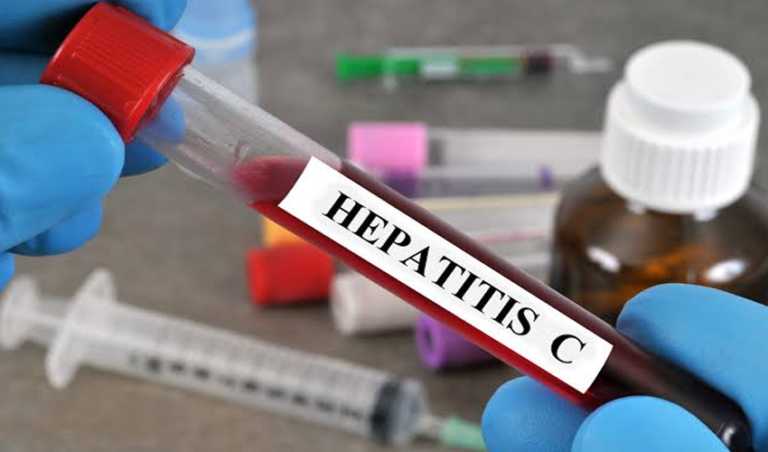
    England on track to eliminate hepatitis C by 2030

    More than 100,000 people in England have received potentially life-saving treatment for hepatitis C in the past decade, as the NHS steps up efforts to eliminate the virus as a public health threat by 2030. New NHS figures show that more than 100,000 people have been diagnosed and treated since pioneering antiviral medicines were introduced in 2015, putting England among a handful of countries that have already exceeded the World Health Organisation benchmark of treating 80% of known hepatitis C cases. (NHS England) Hepatitis C is a viral infection that can damage the liver and, if left untreated, can lead to serious and potentially life-threatening conditions including cirrhosis, liver failure and liver cancer. The infection can remain undetected for years because many people experience no noticeable symptoms until significant liver damage has already occurred. However, modern treatment has transformed the disease. A free course of antiviral tablets lasting between eight and 12 weeks can cure more than 95% of cases. The NHS says effective treatment could reduce the number of people requiring liver transplants by 80% over the next decade, while also reducing cases of liver cancer and cirrhosis. Deaths from hepatitis C have already fallen by 36% over the past ten years. (NHS England) NHS urges people at risk to get tested The latest figures have prompted the NHS to urge people who may be at greater risk of having undiagnosed hepatitis C to order a free and confidential home-testing kit. Those particularly encouraged to test include people who have moved to England from certain Eastern European countries, anyone who has had a tattoo abroad, and people who currently use or have previously used injectable drugs. Adults born in Ukraine, Romania, Estonia, Latvia, Poland, Albania, Lithuania, Bulgaria, Czechia and Slovakia are also being urged to test. The NHS says some people from these countries may have been exposed to the virus through medical or dental procedures before 1991, when modern sterilisation standards were introduced. The free home-testing service is designed to reach people who may not otherwise come into contact with drug and alcohol services, sexual health services, GPs or A&E departments. Thousands of hidden cases identified The NHS has significantly expanded hepatitis C testing over the past five years. A first-of-its-kind programme offering hepatitis C testing to patients having blood tests in participating A&E departments has identified around 1,900 previously undiagnosed cases since 2022. GP practices are also asking new patients whether they received a blood transfusion before 1996, helping identify people who may have been infected through the contaminated blood scandal. The treatment programme was made possible on a large scale following a landmark 2019 agreement between the NHS and pharmaceutical companies Gilead Sciences, MSD and AbbVie, which enabled access to modern curative treatments. (NHS England) ‘Determined to finish the job’ Professor Frankie Swords, NHS national medical director, said hepatitis C could cause serious harm including liver failure and cancer, while many people could remain unaware they have the virus. He said treating more than 100,000 people in a decade was a major achievement but stressed that the NHS would continue looking for people with undiagnosed infections. “England is now leading the world in the mission to eliminate this disease and on course to beat the WHO’s 2030 target,” Professor Swords said. He added that the NHS was “determined to keep up the momentum and finish the job”. “With hepatitis C curable in more than nine out of ten cases, we are committed to finding and treating everyone who needs support,” he said. (NHS England). Patient urges others to take the test Among those treated is 65-year-old Paul Eatwell from Blackburn, Lancashire, who discovered he had hepatitis C after routine liver-function tests following a change of GP. His new doctor ordered additional tests, including screening for hepatitis C. Paul said he initially could not believe the result because he had no symptoms and could not understand how he might have contracted the virus. The precise source of his infection was never established, although possible risk factors included surgery in South Africa several decades ago. He said the specialist team helped answer his questions and reassured him about the condition. Paul said treatment was far less difficult than he had imagined, involving one tablet a day for 12 weeks and several blood tests. He urged anyone who believes they may have been exposed to hepatitis C to get tested, saying that knowing their status could provide peace of mind. ‘Leading the world’ Health and Social Care Secretary Yvette Cooper said the progress demonstrated the impact of NHS treatment and prevention programmes. She said hepatitis C was now curable in the vast majority of cases and described the UK’s progress as part of efforts to “wipe out this disease for good”. “This is exactly the kind of preventative, forward-looking healthcare that we want the NHS to deliver across the board – catching illness earlier, easing pressure on hospitals, and giving people the chance to live longer, healthier lives,” Cooper said. (NHS England. Dr Sema Mandal, deputy director of Blood Safety, Hepatitis, STIs and HIV at the UK Health Security Agency, said the sharp fall in cases since 2015 demonstrated the impact of expanded testing and access to modern treatments. She said treating more than 100,000 people in ten years had brought England closer than ever to eliminating hepatitis C as a public health threat. The Hepatitis C Trust also called for continued long-term investment to maintain the progress made by the national programme, particularly among marginalised communities that can face barriers to healthcare. Rachel Halford, chief executive of The Hepatitis C Trust, said continued funding would be essential to ensure people at greatest risk were not left behind. Hepatitis B remains a challenge While England’s progress against hepatitis C is described as world-leading, health authorities stress that elimination of viral hepatitis as a whole also includes hepatitis B. Further work is therefore required to improve diagnosis and access to treatment for people living with hepatitis B. A national

  • |

    BJP lawmaker alleges son-in-law married 25 women

    An Indian politician has accused his son-in-law of fraud after allegedly discovering that the man had married around 25 women using different identities. Bharatiya Janata Party (BJP) lawmaker Gyan Tiwari, who represents the Sevata constituency in Uttar Pradesh, filed a complaint against his son-in-law’s family. He alleged that his daughter was deceived into marrying a man who had concealed his alleged criminal background and previous relationships. According to the complaint, Tiwari’s daughter Pragya married Prakhar Trivedi in 2024. Prakhar is the son of Anuj Trivedi, a resident of Chandrawal. Tiwari alleged that Anuj presented himself during the marriage arrangements as a well-known real estate businessman based in Mumbai. He claimed that the family had also received positive information about the prospective groom from local sources and influential people before approving the marriage. However, the lawmaker said his family later learned about Prakhar’s alleged activities through social media and other sources. Tiwari alleged that Prakhar had used fake identities to establish relationships with women in different Indian states, particularly Maharashtra. He further accused him of allegedly obtaining large sums of money from several women. The politician claimed that Prakhar had entered into around 25 marriages. The allegations have not been independently established. Tiwari said the revelations caused severe emotional distress to his family. He also said that the incident affected his reputation as a public representative. Following the allegations, Tiwari said he had severed social and personal ties with the accused family and brought his daughter back home. Police said a case had been registered following Tiwari’s complaint at the Reusa police station. Anuj Trivedi and his son Prakhar Trivedi have reportedly been arrested as the investigation continues. Authorities are now investigating the allegations of fraud, the alleged use of multiple identities and the claims involving several marriages.

  • | |

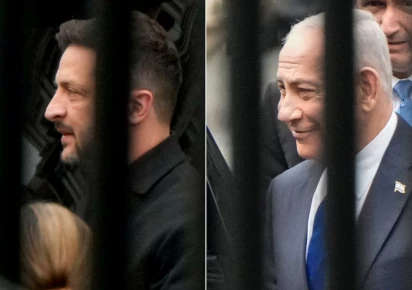
    Trump hails meetings with Netanyahu and Zelenskiy

    US President Donald Trump said his recent meetings with Israeli Prime Minister Benjamin Netanyahu and Ukrainian President Volodymyr Zelenskiy went well, as the leaders visited Washington to attend a memorial service for Republican Senator Lindsey Graham. Trump met the two leaders separately and later shared brief comments on his social media platform, Truth Social. He said he discussed several important issues with both leaders but did not provide details about the conversations. Describing his meeting with Netanyahu as “very good,” Trump said the two sides discussed a range of significant matters. Netanyahu also called the talks “excellent.” The meeting came amid tensions over the conflict involving Iran and Israel. Trump had expressed frustration before meeting Netanyahu after details about the Israeli prime minister’s planned discussion points on Iran emerged publicly. Trump also held talks with Zelenskiy on strengthening Ukraine’s air defense capabilities and efforts to revive peace negotiations with Russia. The two leaders discussed plans for Ukraine to produce Patriot missile interceptors as Kyiv continues to seek greater military support. Zelenskiy described his meeting with Trump as “good,” while Trump said they discussed many issues and characterized the talks as successful. The meetings took place as the conflicts in the Middle East and Ukraine remain major international concerns, with diplomatic efforts continuing alongside ongoing military tension.

Leave a Reply

Your email address will not be published. Required fields are marked *