new provinces debate
| |

New provinces debate gains momentum as coalition p…

A renewed debate over the creation of new provinces in Pakistan has gathered political momentum after two major coalition partners publicly endorsed Interior Minister Mohsin Naqvi’s proposal to restructure the country’s administrative system. However, the ruling Pakistan Muslim League-Nawaz (PML-N) has yet to officially comment, fueling speculation over its stance on the sensitive issue.

The discussion began after Naqvi argued that Pakistan’s existing administrative framework had become ineffective and called for a national consensus on establishing smaller provinces to improve governance and public service delivery. His remarks quickly drew support from coalition allies, including the Muttahida Qaumi Movement-Pakistan (MQM-P) and the Istehkam-e-Pakistan Party (IPP).

Federal Health Minister Mustafa Kamal described the proposal as an urgent national necessity rather than a political choice, stressing that decentralizing administrative powers was essential for effective governance. The MQM-P has long advocated the creation of an additional province in Sindh, making the party one of the strongest supporters of the initiative.

Privatization Minister Abdul Aleem Khan of the IPP also endorsed the proposal, suggesting that each of Pakistan’s four existing provinces could eventually be divided into three administrative regions. He argued that smaller provinces would bring government closer to the people and reduce the hardships faced by citizens traveling long distances to provincial capitals.

Despite growing support from coalition partners, the proposal faces significant constitutional and political challenges. Any change to provincial boundaries requires a two-thirds majority in the affected provincial assembly, making consensus difficult to achieve. The Pakistan Peoples Party (PPP), which governs Sindh and is also part of the federal coalition, has expressed strong reservations, warning that such a move could create more problems than solutions.

Opposition leaders have also criticized the proposal, arguing that the government lacks the political mandate for such a major constitutional change. They insist that strengthening democratic institutions and improving governance should take priority over redrawing provincial boundaries.

Political analysts have offered differing views on the initiative. Some believe creating new provinces could deepen ethnic and regional divisions, while others see the debate as an attempt to shift public attention away from pressing national issues, including recent unrest in Azad Jammu and Kashmir and ongoing security challenges in Balochistan.

Many experts argue that empowering local governments under the 18th Constitutional Amendment would be a more practical and effective way to improve governance without altering provincial boundaries. Mustafa Kamal also acknowledged that stronger local governments are essential regardless of whether new provinces are eventually created.

With the PML-N maintaining silence and key coalition partners taking opposing positions, the proposal has opened a fresh political debate that is likely to remain at the center of Pakistan’s national discourse in the coming months.

Similar Posts

  • | | | |

    Iran rejects talks on ceasefire extension

    Pakistan is making diplomatic efforts to help extend the ceasefire between the United States and Iran, as the current truce is scheduled to expire on Sunday, August 16. Sources said Islamabad is trying to use the understanding reached under the Islamabad Memorandum of Understanding to encourage both sides to maintain the ceasefire and return to negotiations. According to the sources, mediators believe additional time is needed to bridge differences between Washington and Tehran. Diplomatic efforts are therefore continuing to prevent the situation from deteriorating after the current ceasefire period ends. However, an Iranian senior official gave a different assessment of the situation. The official said there have been no discussions between Iran and the United States regarding an extension of the ceasefire. Iran has maintained that Washington must return to the agreement and honour its previous commitments. Tehran has also demanded a clear and credible timeline for the implementation of those commitments before any further understanding can be reached. Meanwhile, US President Donald Trump has made strong statements about the strategic Strait of Hormuz. Trump claimed that the United States now has complete control over the vital waterway and said Iran has limited options to challenge the American naval blockade. The Strait of Hormuz remains a major international shipping route and plays a crucial role in global energy supplies. Any prolonged disruption in the waterway could have serious consequences for oil and gas markets and international trade. Iranian military officials have warned that a renewed US offensive could lead to a wider confrontation. An Iranian military spokesman said energy transmission networks, power plants and infrastructure connected to the global internet could become targets if American military action resumes. The warning has raised concerns that any collapse of the ceasefire could expand the conflict beyond conventional military targets and affect critical infrastructure. Meanwhile, Turkish President Recep Tayyip Erdogan has expressed hope that additional countries will join the Makkah Defence Agreement. He indicated that broader participation could strengthen regional security cooperation. In another development, US Central Command said a Panama-flagged cargo vessel attempting to breach the naval blockade was disabled after a US helicopter fired a missile at the ship. The incident has further highlighted the risks facing commercial shipping in the region amid continuing tensions between Washington and Tehran. Separately, Japanese Prime Minister Sanae Takaichi discussed the situation with Iranian President Masoud Pezeshkian in a telephone conversation. Takaichi called for the Strait of Hormuz to be reopened once negotiations between Iran and the United States reach a successful conclusion.

  • | | |

    Karachi Court orders Mir Ali Raza’s exhumation

    KARACHI: A judicial magistrate’s court in Karachi has approved a plea seeking the exhumation of businessman Mir Ali Raza’s body, directing the Sindh Health Secretary to immediately constitute a medical board to oversee the process. The Judicial Magistrate (East) announced the decision on Thursday after reserving its verdict following arguments from both sides. The court instructed the relevant authorities to complete the exhumation as soon as possible to facilitate a fresh medical examination. During the hearing, counsel for the petitioner argued that the police had no legal grounds to object to the exhumation, maintaining that the procedure would be carried out under the supervision of the Police Surgeon and the Medical Legal Officer (MLO), as required under the law. The lawyer further informed the court that the Police Surgeon had identified several deficiencies in the initial post-mortem report. According to the submissions, no X-rays were conducted, the exact cause of death was not conclusively established, and the report was allegedly prepared on assumptions rather than comprehensive medical findings. The court questioned how such an order could be passed without first issuing notice to the investigating officer. In response, the government prosecutor stated that the prosecution had no objection to the exhumation, describing the matter as one involving the search for the truth in a human life. The petitioner’s counsel argued that notifying the investigating officer at this stage could unnecessarily delay the proceedings and affect the timely collection of forensic evidence. After noting the prosecution’s no-objection stance, the court accepted the family’s application and directed the Health Secretary to form a medical board without delay. The board will supervise the exhumation and carry out the necessary medical examination to help determine the cause of death more accurately. The case has drawn public attention following questions raised by the deceased’s family over the circumstances surrounding Mir Ali Raza’s death and the quality of the initial forensic investigation. The court’s decision is expected to pave the way for an independent medical review, with the findings likely to play a significant role in the ongoing investigation. Authorities are now expected to begin the legal and administrative process required to carry out the exhumation under official supervision.

  • | |

    Munem Zafar accuses govt machinery of mishandling …

    KARACHI: Jamaat-e-Islami Karachi Ameer Munem Zafar has accused government authorities of deliberately weakening the investigation into the Mir Raza Ali case, calling for the immediate arrest of those responsible. Speaking at a press conference at the Noor-e-Haq Institute, Zafar said the circumstances surrounding the case had raised serious questions. He pointed out that the incident was initially reported as a suicide, while findings that emerged following the exhumation presented a markedly different picture. Zafar said the government was responsible for ensuring a transparent investigation and bringing the people involved to justice. He alleged that the government machinery was instead being used to undermine the case. Turning to Karachi’s civic problems, the JI leader said a large part of the city was facing a severe water shortage. He accused the Water Corporation of becoming a centre of corruption and criticised the recent increase in water prices. Zafar also expressed concern over the city’s water supply from the Hub Canal, saying the situation had become evident to residents. He further criticised the disruption caused by the Red Line project, saying Karachi’s citizens were being subjected to considerable difficulties in the name of development.

  • | |

    Pakistan pushes for US-Iran dialogue under Islamab…

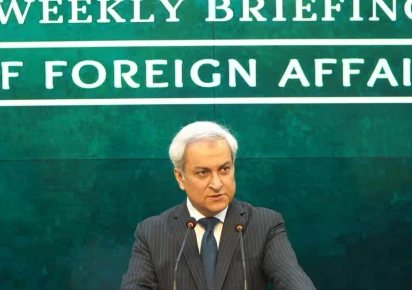
    Pakistan is continuing diplomatic efforts to bring the United States and Iran back to the framework of the Islamabad Memorandum of Understanding (MoU) in a bid to ease regional tensions and promote dialogue, the Foreign Office (FO) said on Thursday. Speaking at the weekly media briefing, Foreign Office spokesperson Tahir Hussain Andrabi said Pakistan remains actively engaged with all relevant parties to encourage the implementation of the Islamabad MoU and the Pakistan-Qatar joint understanding aimed at reducing tensions. He said negotiations are continuing to restore stability, particularly in the Strait of Hormuz, and to support efforts for de-escalation through dialogue and diplomacy. The spokesperson noted that although the region had witnessed a brief period of relative calm, the security situation remains fragile. He said Pakistan hopes the reduction in hostilities will pave the way for a lasting ceasefire and meaningful negotiations. Reaffirming Islamabad’s position, Andrabi said dialogue and diplomacy remain the only practical solution to the ongoing crisis. He added that Pakistan welcomes every initiative aimed at resuming talks between Iran and the United States and will continue to play a constructive role in regional peace efforts. He urged all sides to exercise maximum restraint and honour their commitments to resume technical-level discussions under the Islamabad MoU. Highlighting Pakistan’s recent diplomatic engagements, Andrabi said Prime Minister Shehbaz Sharif and Saudi Crown Prince Mohammed bin Salman agreed to continue close coordination for regional peace, stability and the uninterrupted movement of lawful maritime trade through the Red Sea and the Strait of Hormuz. He said Deputy Prime Minister and Foreign Minister Ishaq Dar also held separate telephone conversations with Saudi Foreign Minister Prince Faisal bin Farhan and Jordanian Foreign Minister Ayman Safadi. The discussions focused on the evolving regional situation, diplomatic cooperation and efforts to maintain peace and stability. The spokesperson said Pakistan and Kuwait also reaffirmed their longstanding partnership and agreed to expand cooperation in trade, investment, energy, information technology, agriculture, education and healthcare. He added that Kuwait’s ratification of the Pakistan-Kuwait Defence Cooperation Agreement would further strengthen defence collaboration between the two countries. Andrabi also highlighted Pakistan’s participation in the Shanghai Cooperation Organisation (SCO) Council of Foreign Ministers meeting, where Islamabad reaffirmed its commitment to regional connectivity, the China-Pakistan Economic Corridor (CPEC) and the Belt and Road Initiative while expressing readiness to assume the SCO chairmanship for 2026-27. On Pakistan-US relations, he said Ishaq Dar recently met a visiting US congressional delegation and an American business delegation, reaffirming Pakistan’s commitment to expanding bilateral cooperation through stronger parliamentary, economic and people-to-people engagement. Addressing the situation in Palestine, Andrabi said Pakistan joined several Arab and Islamic countries in condemning Israeli actions in Jerusalem and called on the international community to uphold international law, protect Palestinian rights and preserve the historical and religious status of Al-Aqsa Mosque.

  • | | |

    IMF hurdle blocks fuel levy cut, Senate told

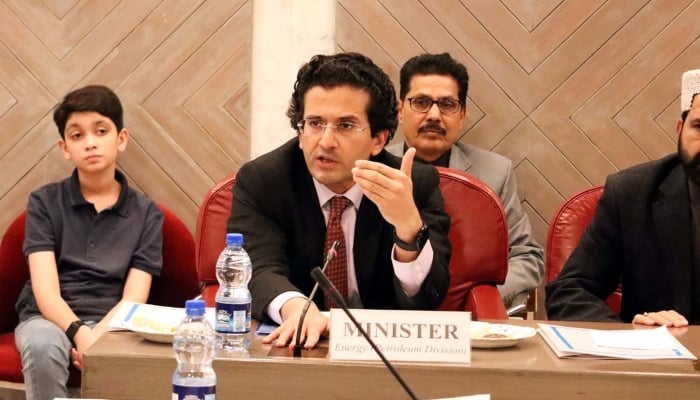
    Petroleum Minister Ali Pervaiz Malik has said the government is unlikely to reduce the petroleum levy unless it can identify another source of revenue to compensate for the financial shortfall, warning that such a move would be difficult to secure without the approval of the International Monetary Fund (IMF). Speaking during a meeting of the Senate Standing Committee on Petroleum, the minister explained that any reduction in the levy would affect government revenues and would require a credible alternative before it could be considered. He said the IMF was unlikely to support the proposal unless Pakistan presented a replacement revenue stream. The committee also discussed the country’s fuel pricing mechanism, with several lawmakers expressing concerns over the introduction of daily price adjustments. Members argued that frequent revisions create uncertainty for consumers and make it difficult for the public to understand fuel costs. Responding to the criticism, Malik defended the system, saying the government had removed political influence from fuel pricing by giving the Oil and Gas Regulatory Authority (OGRA) the authority to determine prices through an independent and transparent process. He said the mechanism was designed to reflect international market trends more accurately. The OGRA chairman informed the committee that local petrol and diesel prices are linked to fuel product prices in the Singapore market rather than international crude oil prices. He said the daily pricing system allows authorities to respond quickly to changes in global markets and helps reduce the impact of sudden price fluctuations. However, some lawmakers remained unconvinced. They argued that the pricing formula is too complicated for ordinary consumers and warned that frequent changes place additional financial pressure on households already struggling with rising living costs. The committee also raised concerns over the lack of performance audits of oil drilling rigs operating in the country. Members directed the relevant authorities to complete and submit an audit report within seven days to assess operational standards and efficiency. During the meeting, lawmakers questioned the continued delay in appointing a permanent chairman of OGRA. The petroleum minister replied that the recruitment process had been restarted after the earlier selection exercise failed to identify a suitable candidate.

  • | |

    Pakistan unveils four-year Hajj policy

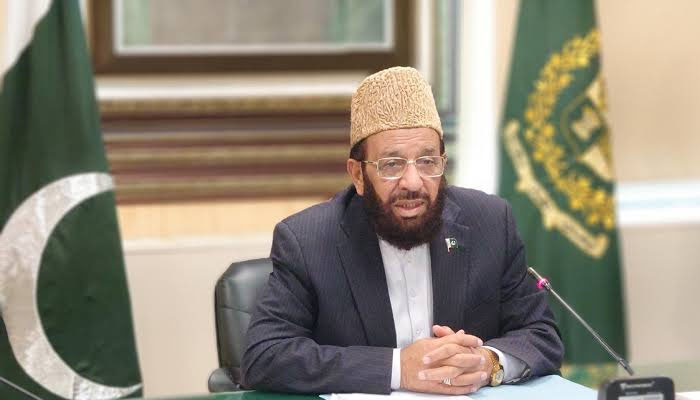
    The government has introduced a four-year Hajj policy covering arrangements from 2027 to 2030. Federal Minister for Religious Affairs Sardar Muhammad Yousaf presented the policy on Wednesday. He described it as a major step toward improving and modernising Hajj arrangements in Pakistan. Speaking at a briefing, the minister said this was the first time the government had introduced a four-year Hajj policy. He said the initiative would provide a long-term framework for organising the pilgrimage. Yousaf said the policy had been prepared under the guidance of Prime Minister Shehbaz Sharif. It focuses on technology, transparency and improved services for pilgrims. According to the minister, the new framework aims to bring Pakistan’s Hajj arrangements closer to international standards. It will also introduce several new facilities for pilgrims. For the first time, applicants will have access to a registration and waiting-list system. The government expects the system to make the process more organised and transparent. The minister said the government and private Hajj schemes would retain their existing quota division. Sixty per cent of the quota will remain with the government scheme, while private operators will receive 40 per cent. The Ministry of Religious Affairs will continue to oversee and regulate Hajj arrangements. It will also monitor the performance of private Hajj companies. Under the new policy, applicants will be able to enter the pilgrims’ list after paying 10 per cent of the required amount. The government has also planned greater transparency in procurement. Purchases made in Pakistan and Saudi Arabia will be carried out through transparent procedures. Yousaf said any money remaining after meeting the required expenses would be returned to the pilgrims. The measure is aimed at improving financial transparency and protecting the interests of Hajj applicants. The government also plans to change the way private Hajj companies are monitored. Their registration and oversight will not depend only on the quota allocated to them. Instead, their performance will be an important factor in determining their registration and continued participation in the Hajj programme. A digital complaint-resolution system is also being introduced. Pilgrims will be able to submit complaints and seek quick action through the new system. An appeal mechanism will also be established. This will provide pilgrims with another channel to challenge decisions or seek resolution of their complaints. The minister said the government would also improve training programmes for Hajj pilgrims. The aim is to prepare pilgrims more effectively before their departure for Saudi Arabia. The Hajj Muhafiz Scheme will continue under the new policy. The government considers the scheme an important part of its arrangements for pilgrims. Yousaf said the new policy had been developed in line with Saudi Arabia’s Vision 2030. The framework is intended to improve coordination and service delivery during the pilgrimage. The minister said the government’s objective was not limited to managing logistical arrangements. It also wanted to ensure that Pakistani pilgrims received a dignified and comfortable Hajj experience. The estimated cost of the government Hajj package is expected to remain between Rs1.2 million and Rs1.3 million. However, the final cost may depend on various arrangements and expenses associated with the pilgrimage. Yousaf also clarified that any increase or decrease in Pakistan’s Hajj quota would require a decision from the federal cabinet. He said Pakistan had received recognition and awards for its Hajj arrangements in the past. The government now wants to further improve the system through long-term planning and greater use of technology. The four-year policy is expected to provide greater continuity in Hajj preparations. Officials believe the long-term framework will also make planning easier for both the government and pilgrims.

Leave a Reply

Your email address will not be published. Required fields are marked *