your cat dog
|

Your cat or dog can now fly with you on Philippine Airlines domestic flights

MANILA, Philippines – Philippine Airlines (PAL) passengers can now bring their cat or dog along for domestic trips, with the flag carrier expanding its FurPAL in-cabin pet program to include both small cats and dogs.

For P2,500 one way, passengers may bring one small dog or cat inside the cabin on PAL domestic flights, subject to aircraft availability and the airline’s pet limits. 

There are a few things to remember before you book your cat’s next flight.

Pets must be at least 12 weeks old and fully weaned, while the combined weight of the animal and its carrier cannot exceed 10 kilograms. They must be inside a soft-sided carrier, measuring no more than 45 x 25 x 28 centimeters, that can fit beneath the seat and be roomy enough for the pet to stand, turn around, and lie down comfortably.

Pet parents also have some paperwork to prepare. At check-in, PAL requires:

  • A signed declaration and waiver
  • A veterinary health certificate issued within five days of departure
  • A valid anti-rabies vaccination certificate
  • A Bureau of Animal Industry local shipping permit

Once aboard, cats and dogs must stay inside their carriers under the seat for the entire flight. So, sorry, hooman, no lap time or mid-flight photoshoots allowed. Buying your pet its own seat is also not an option. 

Pets may drink water but can’t be fed airline food, so owners are advised to feed them before departure. Dogs must also have diapers on, while cats must have absorbent pads in their carriers.

FurPAL is limited to approved aircraft, including PAL’s Q400, A320, A321ceo, certain A330s, Boeing 777s and A350s. Space is also scarce. Most approved aircraft can carry only up to three pets per flight, so you need to be book and pay at least 48 hours before departure.

Travelers can check PAL’s full FurPAL terms and FAQs for the complete rules before booking. – Rappler.com

Philippine Airlines marks 85th year with new flagship plane


Philippine Airlines marks 85th year with new flagship plane

Similar Posts

  • | | |

    Govt accelerates FBR reforms to build transparent,…

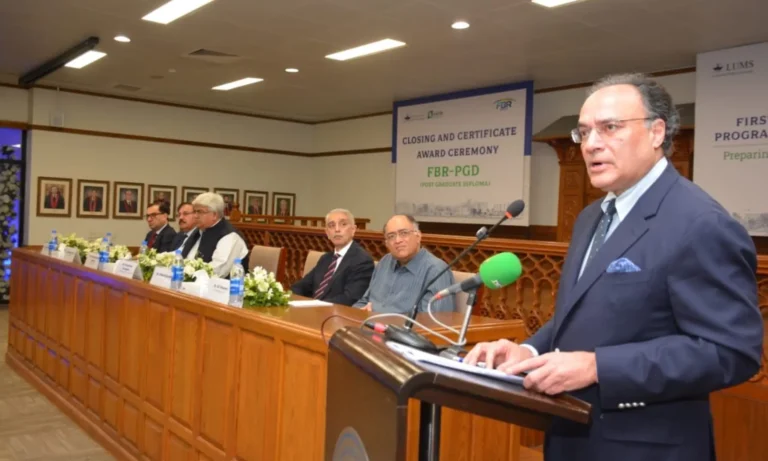
    LAHORE: The federal government has intensified efforts to modernise Pakistan’s tax system by accelerating reforms in the Federal Board of Revenue (FBR), expanding the cashless economy and integrating advanced digital technologies to improve transparency and tax compliance. Speaking at the certificate distribution ceremony for the FBR’s Postgraduate Diploma Programme at Lahore University of Management Sciences (LUMS), Finance Minister Muhammad Aurangzeb said the government is committed to creating a taxpayer-friendly and transparent financial system that supports long-term economic growth. He said reforms are being implemented simultaneously in tax policy and tax administration, with a new operational model being introduced in the FBR to improve efficiency, accountability and public trust. The minister added that Prime Minister Shehbaz Sharif is personally overseeing initiatives aimed at documenting the economy, broadening the tax base and promoting digital financial transactions. Aurangzeb revealed that authorities have uncovered major sales tax evasion cases, resulting in higher tax collections and increased revenue for the national exchequer. He stressed that modern digital tools, integrated databases and artificial intelligence will play a central role in strengthening tax administration and bringing the FBR in line with international standards. Calling on tax officials to continuously upgrade their skills, the finance minister said restoring taxpayers’ confidence and protecting national resources remain among the institution’s highest priorities. He expressed confidence that ongoing reforms would improve the business environment and ensure the benefits of economic reforms reach ordinary citizens. FBR Chairman Muhammad Rashid Langrial also addressed the ceremony, highlighting the importance of professional training and capacity building for tax officers. He said the organisation is focused on developing a modern, transparent and efficient tax system capable of meeting Pakistan’s evolving economic needs.

  • Thailand’s E-Commerce Vendors Push Back Against High Platform Fees  

    BANGKOK – The Thai E-Commerce Association recently held a major meeting with the Trade Competition Commission of Thailand (TCCT). Online vendors also joined the talks to express their deep frustration with the industry. They raised serious concerns over unfair business practices and skyrocketing commission fees charged by major e-commerce platforms. Many small business owners are struggling […]

  • |

    Pakistan launches virtual asset licensing regime

    Pakistan has formally introduced a licensing system for virtual asset service providers, requiring existing operators to apply for regulatory approval by September 5, 2026, or stop providing services. The Pakistan Virtual Assets Regulatory Authority (PVARA) has notified new licensing regulations and launched its online application portal under the Virtual Assets Act, 2026. The move establishes a formal regulatory structure for the country’s rapidly growing virtual asset sector. The new framework includes 10 licence categories covering major activities such as cryptocurrency exchanges, custody services, broker-dealer operations, advisory services, lending and borrowing, derivatives, asset management, transfer and settlement, asset issuance and mining-related services. Each category will be subject to specific rules covering business conduct, financial safeguards, technology standards and anti-money laundering and counter-terror financing requirements. Existing virtual asset service providers have been given a statutory deadline of September 5. Under Section 70 of the Virtual Assets Act, businesses that were already providing such services before the law came into force must submit an application for a No-Objection Certificate by the deadline. Those failing to submit an application will be required to cease operations, while continuing to operate without applying after the deadline will constitute an offence. PVARA Chairman and Minister of State Bilal Bin Saqib said the regulatory system was designed to bring an already active market into the formal economy. He said young Pakistanis had helped build the virtual asset market before the state had established a regulatory structure for it. The new system, he added, would provide legal protections for customers while creating opportunities for legitimate businesses. Under the regulations, licensed service providers will be required to keep customer assets separate from their own holdings. They will also be prohibited from lending or pledging customer assets without written consent and will face legal obligations regarding the protection of client holdings if a platform encounters financial difficulties. The licensing system follows a public consultation held between June 11 and July 2, 2026. The consultation also included a webinar for stakeholders to provide feedback on the proposed framework. The licensing process will operate in two stages for applicants planning to establish businesses in Pakistan. They can either enter a regulatory sandbox or obtain a No-Objection Certificate under Section 19 before incorporation and subsequently seek a full licence. Existing operators, however, must submit their NOC applications by September 5. The new framework also provides licensed virtual asset businesses with access to Pakistan’s formal banking system. The State Bank of Pakistan’s Circular No. 10 of 2026, issued on April 14, allows regulated financial institutions to open accounts for PVARA-licensed virtual asset service providers, including segregated client money accounts. This replaces the restrictions on banking services for virtual asset businesses that had remained in place since 2018. PVARA was established as a permanent statutory authority through an Act of Parliament in March 2026. Within months, the authority secured a formal banking framework for licensed operators and completed the licensing regulations following public consultation.

Leave a Reply

Your email address will not be published. Required fields are marked *