chinas saindak copper
| | |

China’s Saindak copper mine in Pakistan faces su…

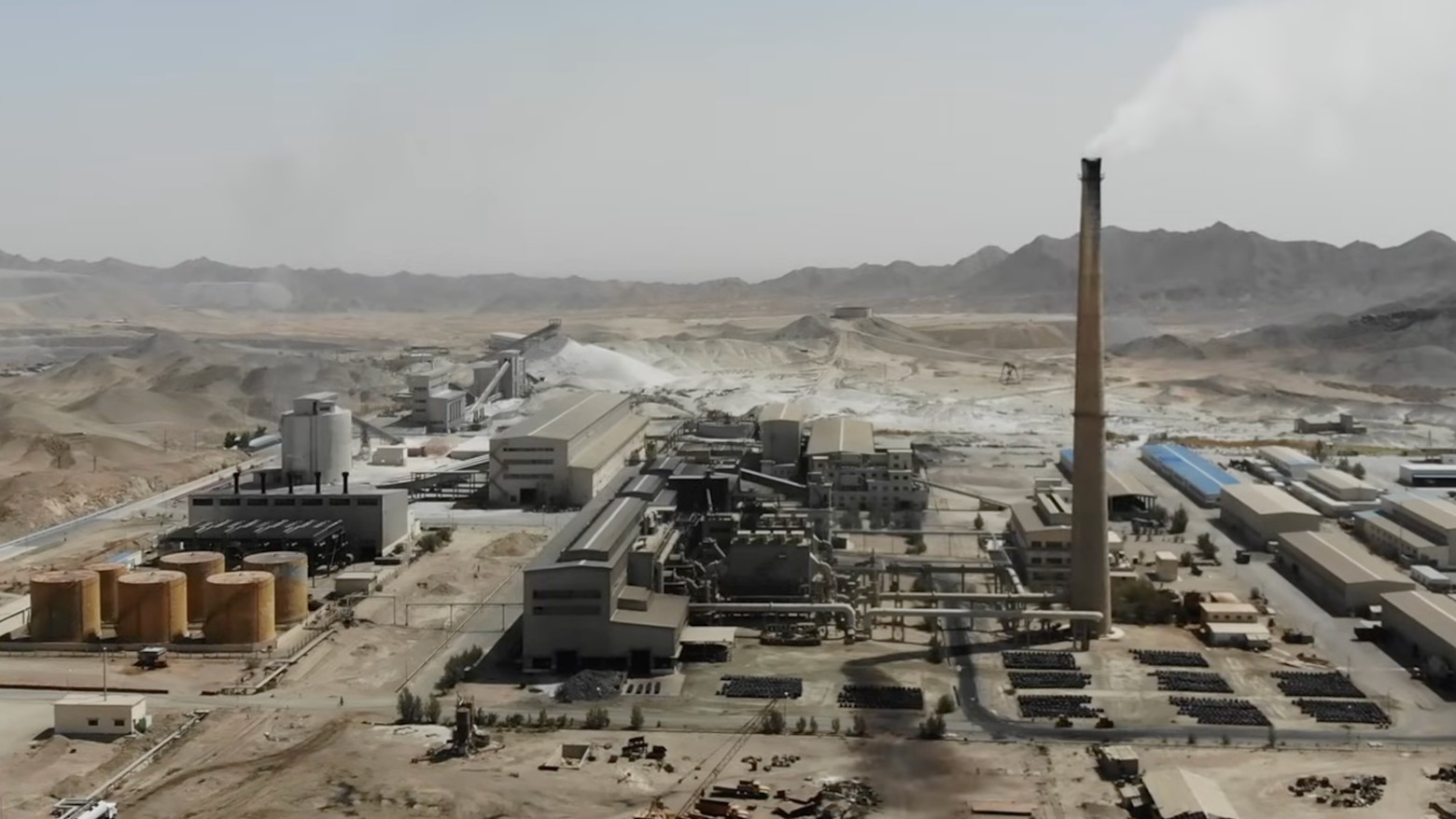
China’s long-running copper mining project in Pakistan is facing growing operational challenges as repeated militant attacks in Balochistan disrupt supply routes connected to the mine.

The Saindak copper and gold mine, located in Balochistan’s Chagai district, is considered one of China’s oldest mining investments in Pakistan and remains its only major copper interest in the country. Analysts say ongoing security issues have created difficulties for transporting materials and maintaining regular operations.

The attacks along key routes have raised concerns about what some analysts describe as an “economic blockade,” potentially affecting the movement of supplies required for mining activities and the shipment of copper produced at the site.

Copper is a strategically important commodity for China, which is the world’s largest consumer of the metal due to its extensive manufacturing, energy, and technology industries. Any disruption to supply sources can create concerns for industries dependent on stable copper availability.

The Saindak project has long been viewed as an important symbol of Pakistan-China economic cooperation. The mine has contributed to Pakistan’s mineral sector while providing China with access to copper resources.

However, security challenges in Balochistan have repeatedly affected development projects and infrastructure networks. The province has witnessed several militant attacks targeting government installations, security forces, and economic projects.

Officials and security agencies have increased efforts to protect strategic assets and transportation routes, but continued instability remains a major challenge for investors operating in the region.

Experts say maintaining security around mining operations is essential not only for the continuity of the Saindak project but also for attracting future foreign investment in Pakistan’s mineral resources.

As global demand for critical minerals continues to rise, the stability of resource-rich regions like Balochistan will remain a key factor in determining the future of mining cooperation between Pakistan and international partners.


Similar Posts

  • | | |

    Pakistan Hockey federation replaces Imad Butt with…

      The Pakistan Hockey Federation (PHF) has made a major leadership change ahead of the upcoming FIH Hockey World Cup by removing Imad Shakil Butt as captain of the national hockey team and appointing Abu Bakr as the new skipper. The decision was announced by PHF President Mohyuddin Ahmad Wani following the recommendation of the federation’s Professional Development Committee. According to the PHF, the change in captaincy is part of its strategy to strengthen the team before the prestigious international tournament and prepare it for future challenges. Abu Bakr will officially begin his captaincy during Pakistan’s home series against South Korea, which starts on July 30. The federation believes the series will provide the newly appointed captain with an ideal opportunity to lead the team before the World Cup begins. While Imad Shakil Butt has been relieved of his captaincy duties, the PHF confirmed that he will remain an important member of the national squad. As one of the team’s most experienced players, Imad is expected to continue contributing through his leadership on the field and by mentoring younger teammates. In its official statement, the Pakistan Hockey Federation expressed confidence that the combination of Abu Bakr’s leadership, the experience of senior players, and the energy of emerging talent would help build a united and competitive team. The federation emphasized that the decision was made in the best interest of Pakistan hockey and is aimed at improving the team’s overall performance in major international competitions. The captaincy change comes at a crucial time, with the FIH Hockey World Cup scheduled to begin on August 15. The tournament will be jointly hosted by the Netherlands and Belgium and will feature 16 of the world’s top hockey nations competing for the coveted title. The participating teams have been divided into four groups of four. Pakistan has been placed in Group D alongside England, Wales, and its traditional rival, India. The group is expected to be highly competitive, with every match carrying significant importance for qualification to the knockout stage. One of the most anticipated fixtures of the tournament will be the Pakistan-India clash, which is scheduled to take place on August 19. Matches between the two neighboring nations always attract worldwide attention due to their historic rivalry and passionate fan base. Supporters from both countries will be eagerly waiting for another exciting chapter in one of hockey’s greatest rivalries. Pakistan will enter the World Cup with renewed hopes under Abu Bakr’s leadership. The federation expects the new captain to inspire confidence within the squad and help create a positive environment as the team aims to make a strong impression on the global stage. The upcoming home series against South Korea will also serve as an important test, allowing the coaching staff to assess the team’s preparations before the World Cup. With a blend of experienced campaigners and promising young players, Pakistan will be looking to deliver improved performances and restore its status among the world’s leading hockey nations during the upcoming tournament.

  • | | |

    MQM-P pushes for grand national dialogue on new pr…

    KARACHI: The Muttahida Qaumi Movement-Pakistan (MQM-P) has announced plans to approach political parties across the country to launch a “grand national dialogue” on the creation of new provinces and administrative units. Speaking at a press conference on Sunday, MQM-P Chairman Dr Khalid Maqbool Siddiqui said Pakistan needed a serious national discussion on restructuring its administrative system, arguing that the country’s growing population had increased the need for additional provinces. Siddiqui said MQM-P had been advocating the creation of more provinces for decades, maintaining that Pakistan’s existing provincial structure was largely shaped by linguistic considerations rather than purely administrative requirements. He stressed that the party’s demand was not limited to Sindh and that it would support calls for new provinces wherever there was public and political backing. The MQM-P leader urged political parties to sit together and discuss their proposals and reservations instead of treating the issue as a source of political confrontation. He said his party was prepared to take the lead in initiating such a dialogue. Siddiqui also linked the debate over new provinces with the need to strengthen local governments. Referring to Article 140-A of the Constitution, he said provinces were constitutionally required to devolve political, administrative and financial powers to elected local representatives. He criticised the failure to fully implement the provision and recalled that MQM-P had previously approached the Supreme Court over the issue. He argued that creating additional provinces was not unconstitutional and said Parliament could debate the appropriate mechanism for establishing them. He also questioned whether existing provinces should have the sole authority to decide on their own division. MQM-P leader and Health Minister Mustafa Kamal said the party’s proposal was aimed at administrative restructuring rather than dividing communities or territories. He argued that people should have greater control over local leadership and governance, particularly when their cities face serious problems in living standards and public services. The MQM-P campaign follows recent remarks by Interior Minister Syed Mohsin Naqvi, who called for political parties to address major national issues, including the creation of new provinces. His proposal has since generated debate among government figures, lawyers and political circles, giving fresh momentum to the long-running discussion over Pakistan’s provincial structure. The MQM-P leadership said it would also engage legal experts and explore further legal avenues regarding the implementation of constitutional provisions related to local governance.

  • | |

    Tokyo’s shorts policy for office workers spa…

    Japanese men are showing more leg at work than ever this summer, as the Tokyo Metropolitan Government continues pushing employees toward casual attire that includes shorts alongside t-shirts and trainers. Tokyo Governor Yuriko Koike introduced the initiative, known as Tokyo Cool Biz, in April, aiming to build on her signature cooling campaign that has become a recognized annual tradition across the city each summer. Nearly four months into the programme, the newly permitted office shorts have drawn a mixed reaction from workers and commentators alike. Some people have welcomed the more relaxed dress code, saying it allows them to work comfortably despite the intense summer heat. Others argue the policy creates an unequal standard for women, who remain expected to wear tights even when showing part of their legs, while men can now go bare legged in shorts. A number of women have also described discomfort at having to see male colleagues’ leg hair in the office, a phenomenon some online commentators have labeled leg hair harassment. Noboru Watanabe, an environmental official with the Tokyo Metropolitan Government, said the goal is to give people more clothing options during severe heat rather than dictate what they must wear, adding that there should be no issue as long as workplace attire does not offend anyone. Casual dress has grown more common among Japanese workers in recent years, particularly at startups and technology companies, but this year’s government recommendation has made the shift more broadly acceptable across traditional workplaces as well. Even so, some men have reported feeling self conscious about exposing their leg hair for the first time in a professional setting. Dr. Akifumi Funatsu, director of Gorilla Clinic, said he has noticed a rise in clients visiting the clinic not purely for cosmetic reasons but out of concern for what he described as social etiquette when wearing shorts, suggesting the policy shift has begun influencing personal grooming habits among Japanese men beyond the office itself. The debate reflects a broader tension in Japan between longstanding workplace dress norms and growing efforts to modernize corporate culture in response to increasingly severe summer heat, with officials balancing calls for greater comfort against concerns about fairness between male and female employees navigating different expectations around appropriate office attire.

  • |

    Japan unveils first spy agency since WWII

    Japan has launched its first centralized intelligence agency since the end of World War II. The move marks one of the country’s biggest security reforms in decades. It comes as Japan faces rising regional tensions and growing concerns over espionage, cyber threats, and global instability. The new body is called the National Intelligence Bureau (NIB). It officially began operations on Friday. It replaces the Cabinet Intelligence and Research Office (CIRO), which had served as Japan’s main intelligence office for years. However, experts often criticized the old system for lacking authority and coordination. Prime Minister Sanae Takaichi described the new agency as the first step in a broader intelligence reform plan. She said today’s security environment is changing rapidly. According to her, modern conflicts now involve cyberattacks, intelligence operations, and other non-traditional forms of warfare. She stressed that Japan must strengthen its intelligence capabilities to protect national security. The National Intelligence Bureau will collect, analyze, and coordinate intelligence gathered by various government departments. These include the ministries of defense, foreign affairs, justice, and the National Police Agency. Under the new system, government agencies will be required to share information with the bureau. Officials believe this will improve cooperation and eliminate delays caused by fragmented intelligence networks. The bureau will work under the newly created National Intelligence Council. The council will be chaired by the prime minister and include senior cabinet ministers. It will oversee national intelligence policy and coordinate responses to major security threats. The agency’s responsibilities will cover a wide range of issues. These include counterterrorism, emergency response, cybersecurity, foreign espionage, and efforts to detect covert influence operations carried out by hostile states. Security analysts have long argued that Japan’s intelligence system has been weaker than those of many other developed countries. Unlike several of its close allies, Japan does not have a dedicated foreign intelligence agency that operates overseas. The country also lacks a comprehensive anti-espionage law, making it more difficult to investigate and prosecute espionage activities. Experts say these weaknesses have raised concerns among Japan’s international partners. Countries sharing sensitive intelligence expect strong security measures to prevent leaks. A weak intelligence system can reduce confidence and limit intelligence cooperation. Calls for reform are not new. In the 1980s, former Prime Minister Yasuhiro Nakasone warned that Japan had become a “paradise for spies.” He proposed stronger anti-espionage laws, but the plan faced strong public opposition and was never approved. At the time, many Japanese feared that expanding intelligence powers could revive the surveillance and repression experienced before and during World War II. Today, the security situation is very different. Japan faces increasing military and strategic challenges from China, North Korea, and Russia. The country also hosts thousands of US military personnel, making it an important strategic partner in the Indo-Pacific region. Officials believe foreign intelligence services are actively seeking information about Japan’s defense systems, advanced technology, and military cooperation with its allies. Growing military cooperation among China, Russia, and North Korea has also increased concerns in Tokyo. Their joint military activities and closer political ties have reinforced the belief that Japan must strengthen its national security institutions. Prime Minister Takaichi has made defense and intelligence reform a key priority since taking office. With strong support in parliament, her government is expected to push for further changes. These may include introducing an anti-espionage law and creating a dedicated foreign intelligence service similar to those operated by other major democratic nations. Despite the government’s arguments, the reforms remain controversial. Opposition lawmakers and civil rights groups warn that expanding intelligence powers could threaten privacy and individual freedoms if proper safeguards are not introduced. They argue that stronger oversight, parliamentary scrutiny, and independent monitoring will be essential to prevent misuse of power.

  • | |

    Five young lives lost as speeding car crashes into…

    LAHORE: Five young people were killed after a speeding car crashed into a tree along Canal Road in the Harbanspura area of Lahore on Friday night. According to Rescue 1122 officials, the vehicle was travelling at high speed when it went out of control and struck a roadside tree. The impact proved fatal for all five occupants. Rescue teams reached the scene and recovered the bodies, which were later shifted to a nearby hospital for necessary procedures. Officials said all those killed were young. The cause of the crash is being investigated, while authorities are also examining whether excessive speed or other factors contributed to the fatal accident.

  • | | | |

    US, Iran and Oman near interim Strait of Hormuz ag…

    WASHINGTON: A breakthrough agreement aimed at reopening the strategically vital Strait of Hormuz could be announced as early as Wednesday, with the United States, Iran and Oman reportedly nearing a temporary deal designed to restore maritime traffic and reinforce the fragile ceasefire between Washington and Tehran. According to a report by the US news website Axios, citing two regional sources and a US official, negotiations have reached their final stage after weeks of intensive diplomacy. The agreement is expected to provide a 60-day interim framework that could later be extended if both sides remain committed to its terms. Under the proposed arrangement, ships entering the Persian Gulf would travel through the northern shipping lane under Iranian oversight, while vessels leaving for the Arabian Sea would use the southern lane within Omani waters, coordinated in consultation with Iran. During the interim period, no tolls or transit fees would be imposed on commercial shipping. The deal also includes a commitment to clear naval mines from the central navigation channel within 30 days. Once the route is declared safe, it is expected to become the primary passage for two-way maritime traffic under a longer-term management framework jointly coordinated by Iran and Oman. The reported agreement would address some of Iran’s longstanding demands for a greater role in managing navigation through the strategic waterway, one of the world’s most important energy corridors through which a significant share of global oil and liquefied natural gas exports passes. Regional diplomatic efforts played a crucial role in bringing the parties closer to an understanding. Sources familiar with the talks said officials from Qatar, Pakistan and Saudi Arabia supported mediation efforts alongside Oman, while the White House remained actively involved throughout the negotiations. The report added that US envoy Steve Witkoff, Iranian Foreign Minister Abbas Araghchi, and Omani Foreign Minister Badr Albusaidi held several telephone discussions in recent days to finalize outstanding issues. Regional sources said Araghchi had agreed to the proposal in principle over the weekend, pending approval from Iran’s senior leadership and the Supreme National Security Council. A US official and another regional source indicated that Tehran completed its approval process on Tuesday, clearing the way for a formal announcement. If confirmed, the agreement could ease tensions in the Gulf, reduce risks to global energy supplies, and revive broader diplomatic efforts, including discussions on Iran’s nuclear programme and long-term regional stability.

Leave a Reply

Your email address will not be published. Required fields are marked *