citizen named quaideazam
| |

Citizen named Quaid-e-Azam told to appear before N…

PESHAWAR: The Peshawar High Court has directed a citizen named Quaid-e-Azam to appear before the National Database and Registration Authority (NADRA) Board after his Computerised National Identity Card (CNIC) was blocked.

The matter came before the court after the citizen challenged the blocking of his CNIC through a petition.

A division bench comprising Justice Waqar Ahmed and Justice Inamullah Khan heard the case.

During the proceedings, the petitioner’s lawyer told the court that his client was a businessman. He said the citizen’s CNIC had been blocked and requested the court to intervene in the matter.

The lawyer sought relief against the action taken against his client. He maintained that the blocking of the identity card had affected the citizen and required judicial consideration.

A NADRA representative also appeared before the court.

The Director Legal of NADRA informed the bench that the CNIC had not been blocked without reason. He said the authority had found the petitioner’s identity record suspicious.

According to NADRA, the issue required further verification of the citizen’s record and identity documents.

After hearing both sides, the court did not immediately order the restoration of the CNIC.

Instead, the bench directed the petitioner to appear before the NADRA Board.

The court’s direction means that the petitioner will have an opportunity to present his position before the relevant authority. NADRA will then examine the matter in accordance with its verification process.

The case highlights the importance of accurate identity records and the procedures followed when questions arise over a citizen’s documentation.

The court’s order also provides a formal channel for the petitioner to address the concerns raised by NADRA

Similar Posts

  • | |

    PPP leader Nisar Khuhro warns against provincial d…

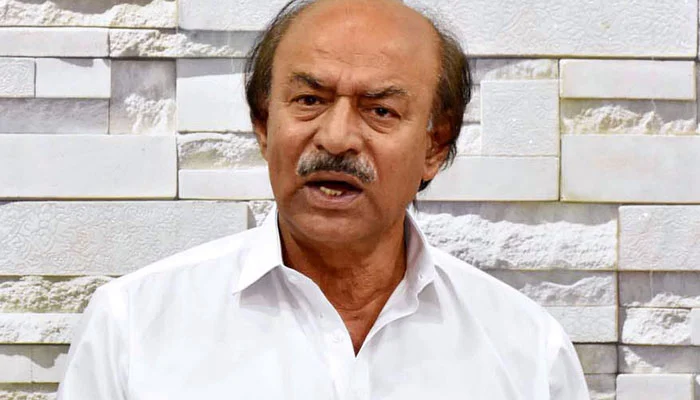
    Pakistan Peoples Party (PPP) Sindh leader Nisar Khuhro has strongly criticized discussions surrounding the creation of new provinces in the country, describing them as part of what he called a “dangerous conspiracy” aimed at weakening Pakistan’s democratic environment. Speaking at a press conference in Karachi, Khuhro questioned the purpose behind proposals for creating additional provinces, saying that such moves could lead to unnecessary political divisions. “Do we want to create 22 provinces and have 22 chief ministers?” he asked, adding that the current developments were an attempt to damage the democratic atmosphere of Pakistan. Khuhro stated that the creation of new provinces requires a two-thirds majority in the relevant provincial assembly, emphasizing that such a major constitutional change cannot be carried out without proper legal and political procedures. Referring to those supporting such initiatives, he used strong language and said that “cockroaches have emerged and will continue to emerge,” adding that those responsible for such moves would face opposition. The PPP leader argued that Pakistan has a long history of political instability and conspiracies, warning that similar approaches in the past had caused serious damage to the country. He recalled that Pakistan had previously suffered from flawed policies and political decisions, stating that powerful forces had played a role in harming national institutions and stability. Commenting on recent remarks by the interior minister regarding the country’s governance system, Khuhro said that if the system was described as outdated or ineffective, those benefiting from the current hybrid political arrangement should also consider their role. “The interior minister says the system has become outdated, but they appear comfortable within the hybrid system,” he remarked. Khuhro also highlighted what he described as repeated interruptions in Pakistan’s democratic process. He said that throughout history, elected governments and prime ministers have often been prevented from completing their constitutional terms. He pointed out that some elected leaders were removed from office, while others faced severe consequences, including imprisonment and execution. He also referred to the struggles of democracy activists, saying that workers who participated in movements for the restoration of democracy had faced harsh treatment, including physical punishment. According to Khuhro, political parties have repeatedly been denied the opportunity to complete their constitutional mandates, which has weakened democratic institutions in the country. The PPP leader stressed that political stability and respect for constitutional processes were essential for Pakistan’s future. He warned that attempts to create unnecessary divisions could further increase uncertainty and weaken national unity. During the press conference, Khuhro also mentioned political developments within the PPP, stating that Karachi-based businessman Saeed had joined the Pakistan Peoples Party. He welcomed the inclusion of new members, saying that the party continued to expand its political engagement. Khuhro’s comments come amid ongoing discussions in Pakistan regarding administrative reforms and proposals for creating new provinces. Supporters of new provinces argue that they could improve governance and bring government closer to citizens, while opponents have raised concerns about political motives, financial challenges, and potential divisions. The PPP leader maintained that any constitutional changes must follow democratic procedures and should serve the interests of the people rather than create further political instability.

  • | |

    DG ISPR holds special session with students during…

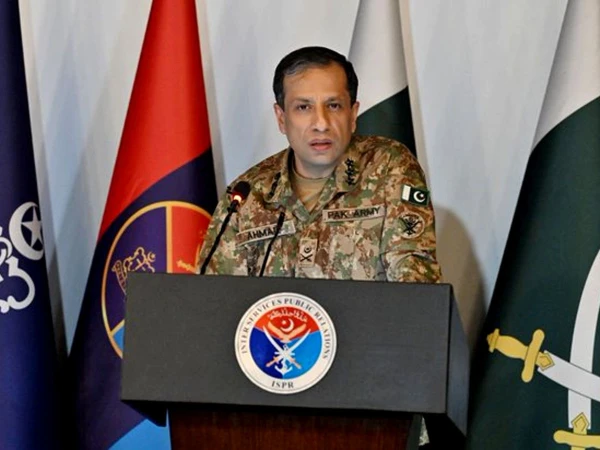
    RAWALPINDI: The Director General of the Inter-Services Public Relations (ISPR) held a special interactive session with participants of the ISPR Summer Internship 2026, discussing national security, terrorism, misinformation and the responsible use of social media. According to ISPR, the internship programme has attracted more than 6,000 students from across Pakistan, who are participating at 21 different stations nationwide. The initiative aims to provide young people with greater awareness of national institutions, security issues and the challenges facing the country. During the session, the DG ISPR responded to a wide range of questions from students, offering detailed explanations on issues related to Pakistan’s security environment, information warfare and the importance of verifying information before sharing it on digital platforms. A key focus of the discussion was the growing challenge of misinformation, disinformation and propaganda. Students were encouraged to critically evaluate online content and avoid circulating unverified news that could mislead the public or harm national interests. Participants said the session provided valuable guidance on identifying false narratives and understanding the impact of digital misinformation. They described the interaction as informative and said it helped clear up several misconceptions surrounding national security and current affairs. The briefing also covered the situation in Azad Jammu and Kashmir, where participants were given an overview of Pakistan’s official position and regional developments. Students said the discussion helped them better understand the ground realities and the broader context of issues affecting the region. According to participants, the DG ISPR also addressed questions regarding what the military described as hostile propaganda campaigns and security threats. Students noted that the detailed responses helped clarify several issues that had previously caused confusion or uncertainty. At the conclusion of the session, participants expressed their commitment to promoting accurate information and exercising greater responsibility while using social media platforms. They also pledged to play a constructive role in countering false information by relying on verified sources and encouraging informed public discourse. The ISPR Summer Internship has become one of the military’s flagship youth engagement initiatives, bringing together students from universities across the country for interaction with officials, educational activities and discussions on national issues. Officials said the programme is intended to strengthen awareness among young Pakistanis, encourage critical thinking and promote responsible digital citizenship at a time when misinformation and online propaganda continue to pose growing challenges worldwide.

  • |

    Nimra Khan’s ex-husband confirms their divorce

    Nimra Khan, one of Pakistan’s well-known television actresses, has made headlines following confirmation of her divorce from Zain Hamid, a UK-based pilot whom she married in June 2026. The actress, who has built a strong fan base with her television performances, has 5.1 million followers on Instagram. Over the years, she has appeared in several popular dramas, including Aye Musht-e-Khaak, Ehraam-e-Junoon, Uraan, Meharbano, Mujhe Khuda Pay Yaqeen Hai, Choti Si Zindagi, Khoob Seerat, Baaghi and Umm-e-Ayesha. Her portrayal of a hijabi girl in Umm-e-Ayesha was particularly appreciated by viewers. Ehraam-e-Junoon and Sara Aapi also remained among the notable projects of her career. Nimra Khan married Zain Hamid in June after entering a new chapter of her personal life. At the time, the actress openly expressed her happiness about the marriage and spoke positively about starting a new journey with her husband. However, speculation about problems in the marriage began circulating later after social media posts shared by Nimra’s father attracted public attention. Although Nimra maintained that everything was fine, she chose to keep many details of her wedding private. She explained that she wanted to protect the relationship from the evil eye. Her social media activity later led to further speculation, with some followers interpreting certain posts as indirect references to her former husband. Despite the growing rumours, there was no immediate official confirmation from the couple. The situation changed when Zain Hamid publicly confirmed that the couple had separated. In an Instagram statement, he revealed that he had divorced Nimra on July 17, citing irreconcilable personal differences and choices. He stressed that he did not want to blame either side and described the separation as an amicable decision. Zain also addressed one of his earlier social media posts, explaining that his remarks about being “at peace finally” and “good riddance” were made in response to what he described as uncalled-for social media posts and status updates. He further clarified that his comments were not intended to disrespect women. According to Zain, the legal dissolution process has been filed and will now be handled by lawyers. He also wished Nimra well and acknowledged that divorce is a difficult experience for both men and women. The confirmation has left many of Nimra’s followers disappointed, particularly those who had hoped that the earlier rumours would turn out to be false. Social media reactions have been mixed, with some users defending Nimra while others criticized the circumstances surrounding her second marriage. The news has once again placed Nimra Khan’s personal life under intense public attention, although both sides have indicated that the separation is being handled through the proper legal process.

  • | |

    Cargo Ship sinks off India, rescue mission underwa…

    NEW DELHI: Indian authorities have launched a major search-and-rescue operation after a Panama-flagged cargo vessel sank off the eastern coast, leaving 24 crew members missing, according to the Indian Coast Guard. The maritime agency lost contact with the vessel, Ocean Winner, on Saturday while it was sailing toward Singapore carrying iron ore. The ship had departed from Paradip port in eastern India on Thursday and reportedly sank around 240 nautical miles from the port. The crew comprised 20 Chinese nationals, three Myanmar nationals and one Bangladeshi, Indian Coast Guard spokesperson Commandant Amit Uniyal said. Two Coast Guard vessels were dispatched from Sri Vijaya Puram, formerly known as Port Blair, to assist in the search operation. Rescue teams have so far saved two crew members found aboard life rafts, while efforts continue to locate the remaining seafarers. Authorities have yet to determine what caused the vessel to sink. Captain Alekha Charan Sahoo, deputy conservator of the Paradip Port Authority, expressed hope that more crew members would be found safely as the rescue operation continues. The incident has prompted an urgent maritime response, with Indian authorities coordinating efforts to locate the missing sailors in the waters off the country’s eastern coast.

  • | |

    GB to auction hunting permits for Markhor, blue Sh…

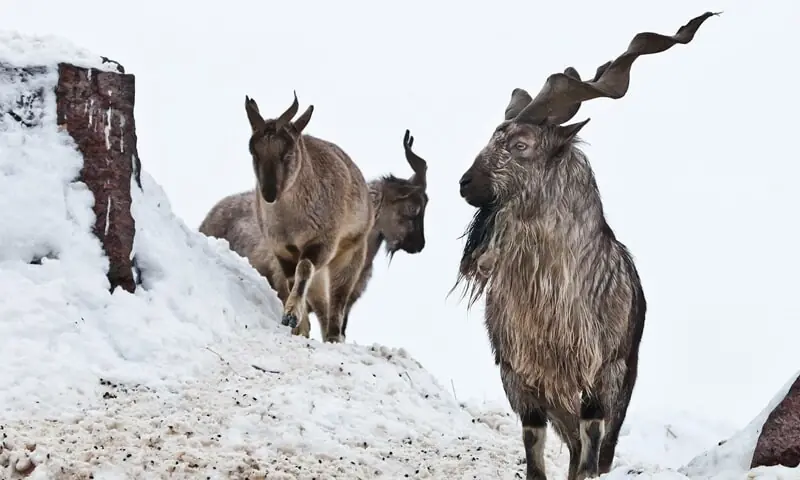
    GILGIT: The Parks and Wildlife Department of Gilgit-Baltistan is set to auction hunting permits for three Astore markhors, 14 blue sheep and 100 Himalayan ibexes under the region’s Trophy Hunting Programme for the 2026-27 season. The base price for an Astore markhor permit has been fixed at $200,000, making it the most expensive permit on offer. The minimum price for a blue sheep permit has been set at $25,000, while permits for Himalayan ibex will start at $11,000. According to the auction notice, four Astore markhors are included in the exportable quota. However, one permit from the previous hunting season has been carried forward, leaving three fresh permits to be auctioned this year. The open auction will take place on September 10 at the Forest Complex in Jutial, Gilgit. The trophy hunting season will begin on October 15, 2026, and continue until April 10, 2027, in accordance with the GB Trophy Hunting Guidelines 2019. Hunting will be permitted only within officially designated conservation areas. The department said the annual hunting quota has been determined following wildlife population surveys conducted by experts. GB Chief Conservator Parks and Wildlife Zakir Hussain said that the department collected approximately Rs350 million through permit auctions last year against a target of Rs550 million. He said several permits remained unused during the 2025-26 season, including those for two Astore markhors, five blue sheep and 10 exportable Himalayan ibexes. The unused permits resulted in an estimated revenue loss of around Rs200 million. According to officials, the cancellation of hunting plans by American and other international hunters was linked to the law-and-order situation following violent protests in Gilgit and Skardu. Local business owners and tourism operators have expressed concern over repeated increases in trophy hunting permit prices. They argue that higher baseline rates have discouraged foreign hunters and negatively affected businesses connected with hunting tourism. Ikram Beg, a local business owner who sells hunting equipment, said the trophy hunting programme was facing significant challenges. He claimed that the Wildlife Department had increased baseline prices by more than 300 per cent over the past two years without adequately incorporating recommendations from major stakeholders. According to Beg, excessive price increases could make Gilgit-Baltistan less competitive in the international trophy hunting market. He warned that declining international participation could reduce government and community revenues while weakening incentives for local residents to participate in wildlife conservation. Beg stressed that trophy hunting should primarily serve as a conservation mechanism rather than simply becoming a source of increased government revenue. He said the programme’s long-term success depends on reasonable pricing, international participation, transparent administration and meaningful financial benefits for local communities. Local stakeholders have called for a review of the permit rates and greater consultation with communities, conservation specialists and industry representatives. They have also demanded transparency and strict adherence to applicable rules and regulations. Although trophy hunting remains controversial internationally, its supporters argue that regulated hunting can generate funds for conservation, discourage illegal hunting and provide financial benefits to communities living near wildlife habitats. In Gilgit-Baltistan, the programme began with community participation in Bar Valley, Nagar, in 1990. Under the existing revenue-sharing model, approximately 80 per cent of licence revenue goes to local communitiesfor wildlife protection and conservation activities. The region’s challenging terrain and harsh weather also make trophy hunting highly demanding. Hunters must navigate steep and rugged mountain slopes while dealing with extremely cold conditions. Gilgit-Baltistan is home to diverse wildlife because of its varied ecosystems and climate. Species found in the region include Marco Polo sheep, ibex, markhor, urial, blue sheep, lynx, snow leopards, brown and black bears, wolves, foxes and golden eagles. However, wildlife experts and conservationists continue to face concerns over illegal hunting, inadequate wildlife management and the effects of climate change, all of which pose long-term threats to the region’s biodiversity.

  • Thai Gripen and F-16 Jets Strike Cambodian Military Targets Ahead of Ceasefire

    BANGKOK – Thai Air Force Gripen and F-16 fighter jets carried out a joint airstrike on Cambodian military targets on the morning of December 27, just hours before a scheduled ceasefire was set to take effect along the border. The operation targeted a weapons depot and military bases on Phnom Dong Rak hill in Cambodia’s […]

Leave a Reply

Your email address will not be published. Required fields are marked *