cockroach protests end
| |

Cockroach’ protests end in stunning victory

India’s Education Minister Dharmendra Pradhan resigned on Saturday after days of youth-led protests over alleged irregularities in major entrance examinations.

The resignation came as thousands of young people gathered in New Delhi and other parts of the country under the banner of the Cockroach Janta Party (CJP).

The protesters had demanded Pradhan’s removal and major reforms to the country’s examination system. They also raised wider concerns about unemployment and limited opportunities for young people.

Pradhan confirmed that he had submitted his resignation to Prime Minister Narendra Modi. In a statement, he said he was deeply concerned about the events of the previous 10 days.

He said the decision was not about personal prestige. He added that India’s youth were an important strength of the country and said efforts were needed to prevent young people from becoming trapped in uncertainty.

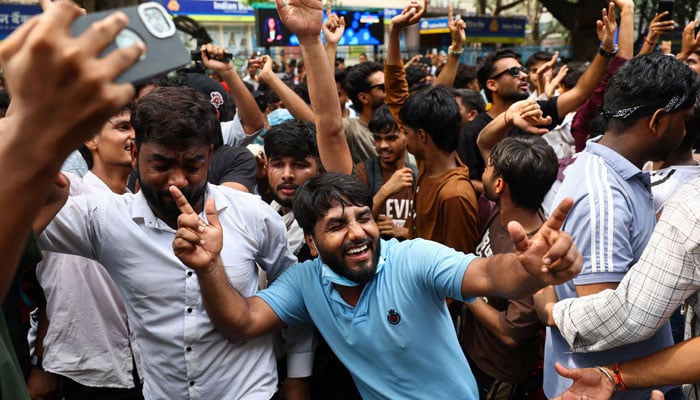
The announcement immediately triggered celebrations at the main protest site at Jantar Mantar in New Delhi.

CJP founder Abhijeet Dipke told the cheering crowd, “We have done it.” Hundreds of protesters responded with loud applause and celebrations.

The CJP later announced that its demands had been accepted following talks with the government. It said the protests would therefore be called off.

The movement had focused on alleged irregularities in examinations, including concerns over the National Eligibility cum Entrance Test (NEET). Protesters demanded greater transparency and accountability in the examination system.

They also called for compensation for people affected by examination irregularities. Another demand was the withdrawal of legal cases against protesters.

The government held two rounds of talks with CJP representatives during the week. However, the discussions initially failed to produce an agreement.

Pradhan submitted his resignation before a third round of talks was scheduled.

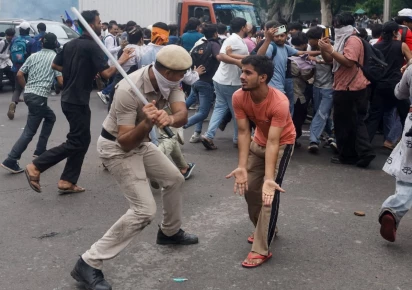
The protests also faced a strong response from police. Authorities used tear gas and batons when demonstrators attempted to march from Jantar Mantar towards Parliament.

The campaign gradually expanded beyond examination issues. Protesters also highlighted unemployment, lack of opportunities for young people and broader concerns about governance.

The demonstrations became one of the most significant challenges to Prime Minister Narendra Modi’s government since his re-election in 2024.

India’s opposition leader Rahul Gandhi also backed the protesters. He described Pradhan’s resignation as a major development and urged Modi to apologise to students and address their concerns.

Gandhi also called for action against those accused of violence against students during the demonstrations.

The resignation brought an emotional response from protesters. One 27-year-old participant who visited the protest site for the first time on Saturday described the atmosphere as highly charged, particularly after the minister’s resignation.
Similar Posts

  • |

    Kriti Sanon urges people to prioritise mental health

    Bollywood actress Kriti Sanon has opened up about the importance of mental and emotional well-being, urging people to pay as much attention to their minds as they do to their physical health. The National Award-winning actress reflected on how her experiences while working on films such as Mimi and Do Patti changed her perspective on acting and the emotional impact of portraying complex characters. According to Kriti, she once believed that the characters she played remained confined to the world of cinema and did not have any lasting effect on her personal life. However, her experiences with these two films made her realise that characters can leave an unconscious emotional impact on actors. Kriti explained that the effect of a demanding role does not always become apparent immediately. Sometimes, an actor may complete filming and only begin noticing emotional changes several days later. She said that a character can continue to influence a person’s mood, behaviour and thoughts even after the cameras stop rolling. The actress said this experience taught her the importance of consciously separating herself from the characters she portrays. While actors are expected to completely immerse themselves in their roles, Kriti believes that it is equally important to know when to step away from the emotional world created for a film. She also recalled times when she was personally dealing with difficult or emotionally challenging situations while having to continue working on a comedy project. Despite going through personal struggles, she still had to portray cheerful and entertaining characters in front of the camera. Kriti pointed out that actors repeatedly draw upon their own emotions while performing. They have to access different feelings and sometimes revisit difficult emotional spaces to make their performances believable. Because of this, she believes that maintaining good mental and emotional health should be an important part of an actor’s life. The actress encouraged people to find healthy ways of managing their emotions and maintaining mental balance. She suggested practices such as meditation, therapy and other activities that help individuals feel mentally grounded and emotionally stable. Kriti also shared that she personally turns to meditation from time to time and finds it beneficial. For her, taking a pause and reconnecting with herself helps maintain emotional balance, particularly after working on emotionally demanding projects. Her comments highlight a broader reality of the entertainment industry, where performers are often required to move between intense emotions and different personalities within a short period of time. While professional commitment is important, Kriti believes that taking care of one’s mental health should never be overlooked. Kriti Sanon was most recently seen alongside Shahid Kapoor and Rashmika Mandanna in Cocktail 2. The actress continues to remain one of Bollywood’s prominent performers, balancing commercially successful projects with roles that require emotional depth and versatility.

  • |

    India’s top court orders release of minors amid exam protests

    NEW DELHI: India’s Supreme Court has ordered authorities to release minors detained during protests over examination paper leaks and directed officials to preserve evidence linked to allegations of excessive police force. Chief Justice Surya Kant reportedly issued the interim directions while hearing petitions filed by student protesters and activists. The petitions accuse police and paramilitary personnel of using excessive force, including baton charges and other crowd-control measures, against demonstrators. The court also directed authorities to preserve all available surveillance material from the protests. This includes CCTV recordings, drone footage and body-camera video. Officials were further told to protect the personal and digital information of protesters and ensure that it is not publicly disclosed. The court reportedly barred authorities from taking coercive action against protesters while the matter remains under consideration. Justice Kant stressed the importance of an independent investigation into allegations of mistreatment. He said accountability must be established if wrongdoing occurred. The government has defended the security forces’ response, describing the measures as necessary for crowd control. Solicitor General Tushar Mehta told the court that around 250 police officers were also injured during the unrest. He reportedly said the government had no objection to an investigation into allegations involving protesters. The protests erupted after question papers for a national medical college entrance examination were leaked. The controversy triggered demonstrations in New Delhi and several other parts of India. Protesters demanded reforms to the examination system, withdrawal of cases against demonstrators and compensation for families of students who died by suicide following the controversy. The demonstrations ended after the education minister resigned and the government agreed to several demands raised by the protesters. Meanwhile, the Indian government has proposed tougher penalties for examination paper leaks. Under the proposed amendments, the maximum prison sentence could be increased to 10 years, while fines could rise to more than $1 million. The government says the proposed changes are intended to strengthen the examination system, speed up legal proceedings and restore confidence among students and young people. The issue has also created political tension in parliament. Opposition lawmakers have repeatedly raised concerns about the police response to the protests and demanded accountability. In several cities, clashes between demonstrators and security personnel led to tear gas and baton charges. Authorities also suspended a police officer in an eastern state after he allegedly fired rounds into the air while attempting to disperse student protesters. Concerns have additionally emerged over the use of artificial intelligence-powered surveillance during demonstrations. Activists have questioned the deployment of police surveillance equipment capable of providing wide-area monitoring of protest gatherings. A protest group that helped lead the movement has claimed that hundreds of students were arrested in different states. However, the figure has not been independently verified.

  • | |

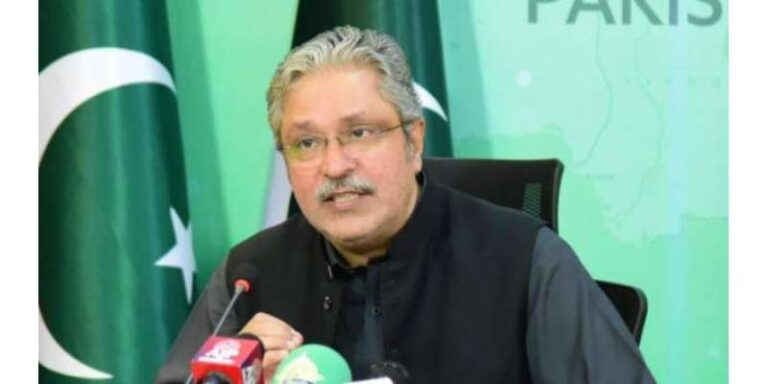
    Iqtidar Wali Khan launches strong criticism of PTI…

      ISLAMABAD: Special Assistant to the Prime Minister Iqtidar Wali Khan has launched a strong criticism of the Pakistan Tehreek-e-Insaf (PTI), accusing members and supporters of the party of placing former prime minister Imran Khan above Quaid-e-Azam Muhammad Ali Jinnah and questioning their commitment to the country’s founding principles. Addressing a press conference in Islamabad, Iqtidar Wali Khan alleged that some PTI supporters consider Imran Khan a leader greater than Quaid-e-Azam and do not accept the Two-Nation Theory. He questioned how figures such as Barrister Gohar, Ali Zafar, Umair Niazi and Asad Qaiser, whom he described as patriotic individuals, could remain associated with the party while it was allegedly pursuing such politics. The prime minister’s aide accused PTI activists of repeatedly becoming part of what he called anti-state movements and attempting to continue the events of May 9. He also criticised slogans associated with PTI supporters, including “No Khan, No Pakistan,” and alleged that they compared Imran Khan with Quaid-e-Azam while making fun of Allama Iqbal’s vision for the country. Iqtidar Wali further criticised the PTI’s previous government and levelled serious allegations regarding its administration. He claimed that during the party’s tenure in power, the second floor of the Prime Minister’s House had allegedly been turned into a dance floor, where he alleged that drinking and dancing gatherings were held. He also made allegations about the presence of practices related to black magic within the government setup. He further accused the PTI leadership of making statements that, according to him, undermined the country’s defence capabilities during periods of tension with India. He claimed that when a conflict or Indian attack arose, some PTI figures would say that there was not even enough fuel available for Pakistan’s tanks. The special assistant also criticised PTI supporters for holding protests on Independence Day. He questioned why anyone would choose the national day for political demonstrations, arguing that such actions could cause concern among Pakistan’s enemies rather than contribute to national unity. He appealed to political parties to carefully consider PTI’s political conduct before forming alliances or cooperating with its leadership. Referring to comments attributed to Maulana Naseem Shah about the difficulties faced by Pakistan decades after Allama Iqbal’s dream, he urged political forces to examine what he described as the party’s actions before extending political cooperation. Iqtidar Wali also targeted the PTI-led government in Khyber Pakhtunkhwa. He claimed that the party had governed the province for around 15 years while repeatedly promoting slogans such as “Riyasat-e-Madina” and “Naya Pakistan.” He alleged that, despite these claims, individuals involved in drug trafficking, smuggling and the ice-drug trade had gained influence in the province. He further alleged that some people who previously lacked sufficient resources even for basic expenses had become owners of high-end hotels after gaining political influence. The remarks by Iqtidar Wali Khan come amid continued political tensions between the government and PTI. His statements reflect the sharp political divide between the two sides, with the government repeatedly accusing PTI of undermining state institutions, while PTI has consistently rejected such allegations and maintained that its political struggle is aimed at protecting democratic rights and securing political justice.

  • |

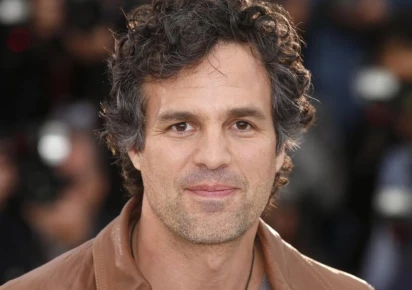
    Mark Ruffalo rejects Paramount antisemitism accusation

    Mark Ruffalo has strongly rejected allegations of antisemitism made by Paramount after the actor criticised the company’s proposed merger with Warner Bros. Discovery. The actor said his comments were directed at the business and political activities connected to the deal, rather than Jewish people or the Jewish community. He argued that criticising Israeli Prime Minister Benjamin Netanyahu, military technology contracts, or executives involved in such agreements should not be equated with antisemitism. “The accusation that I am antisemitic is appalling and fundamentally dishonest,” Ruffalo said in a statement shared on X. He maintained that his remarks were based on his political beliefs and concerns about the proposed merger. Ruffalo also stressed that he has “deep love and respect” for Jewish people, pointing to the important role Jewish friends, colleagues and loved ones have played in his life. His response came after he criticised the proposed Paramount-Warner Bros. Discovery deal and raised questions about Oracle’s involvement in supplying technology used by the Israeli military. Paramount had previously criticised Ruffalo’s remarks, saying it was concerned that antisemitic tropes were being used in connection with a business dispute. A company spokesperson said Paramount did not tolerate prejudice against anyone but argued that Ruffalo’s comments warranted criticism. The dispute is part of a wider debate surrounding Paramount’s proposed $111 billion merger with Warner Bros. Discovery. Ruffalo has argued that the transaction could have major consequences for the entertainment industry, particularly in areas such as editorial independence, employment and corporate influence. The actor has also questioned Oracle’s business interests in data, surveillance technology and government contracts. He raised concerns about the possible influence of foreign money and powerful technology companies on media organisations and editorial decisions. Ruffalo has called for greater scrutiny of the proposed transaction, arguing that regulators should provide clearer answers about potential national security concerns before the merger is allowed to proceed. “Lawmakers on both sides of the aisle have called for serious national security review,” Ruffalo said, arguing that the deal should not move forward until those concerns are properly addressed. His opposition to the merger is not new. In April, Ruffalo joined attorney Norm Eisen in urging state officials to challenge the takeover through antitrust measures. An open letter opposing the transaction has also attracted more than 5,000 signatures, with support from several entertainment industry and advocacy organisations. The proposed deal gained momentum after Paramount Skydance made a $31-per-share offer for Warner Bros. Discovery following Netflix’s withdrawal from its own proposed agreement with the company. As discussions over the merger continue, Ruffalo’s comments have added another layer to the controversy, bringing questions about corporate ownership, political influence, technology contracts and editorial freedom into the wider debate over the future of the entertainment industry.

  • |

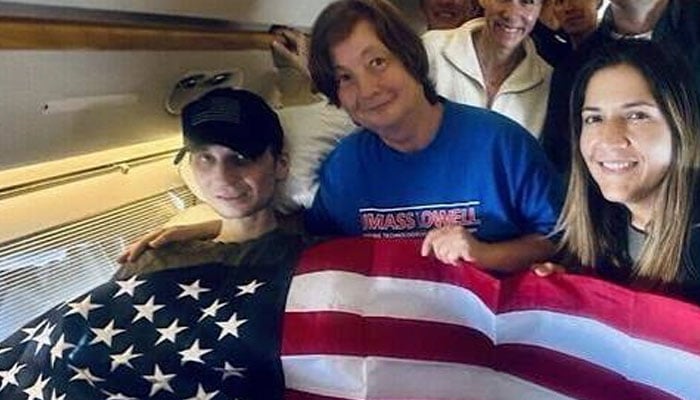
    Russia frees former US Marine Robert Gilman after four years

    WASHINGTON: Former US Marine Robert Gilman has been released by Russian authorities after spending almost four years in detention and has returned to the United States, according to US media reports. Gilman was arrested in Moscow in 2022 following allegations that he assaulted a Russian police officer. He was subsequently convicted and remained in Russian custody for several years. His release was reportedly approved on humanitarian grounds after concerns were raised about his health. Russian President Vladimir Putin agreed to pardon Gilman, paving the way for his return to the United States. US President Donald Trump welcomed the development and said his administration had worked to secure Gilman’s freedom through direct discussions with the Russian leadership. Trump described the release as a humanitarian decision and said the case had been discussed with Putin. He also indicated that Moscow did not seek the release of a Russian detainee in return for freeing the former US serviceman. The development comes amid continuing tensions between Washington and Moscow, with the detention of American citizens in Russia remaining a sensitive issue between the two countries. Gilman’s case had drawn attention in the United States because of the length of his imprisonment and concerns surrounding his health. His release now brings an end to nearly four years of detention in Russia. The former Marine is expected to reunite with his family after returning to the United States. Further details about the circumstances of his release and the pardon were not immediately disclosed. The case highlights the role of diplomatic engagement in resolving individual detention cases between the two countries, particularly at a time when broader US-Russia relations remain strained.

  • |

    Student protests intensify over exam paper leaks in India

    Student protests against repeated examination paper leaks have intensified across India, with growing anger among young people and an increasingly active anti-government campaign on social media. Thousands of students marched toward Parliament in New Delhi on July 20, demanding the resignation of Education Minister Dharmendra Pradhan. The demonstration reportedly turned tense as police and protesters clashed, with reports claiming that more than 100 students suffered injuries during the unrest. Police officials have rejected allegations that officers used excessive force against the protesters. However, several videos recorded by students and shared widely on social media appear to show police personnel using batons and tear gas and dealing harshly with demonstrators. The footage has further fueled public anger and drawn attention to the growing student movement. The protests have since spread beyond the capital, with demonstrations reported in cities including Mumbai, Bengaluru, Patna, Lucknow and Aizawl. Student groups say they will continue their campaign until the authorities address their concerns and meet their demands. The Cockroach Janta Party (CJP), which is leading the student movement, has called for sustained protests over the issue. The group has demanded the resignation of Education Minister Dharmendra Pradhan, assurances that authorities will not file cases against students who took part in the demonstrations, and financial compensation for the families of students who allegedly died by suicide after examination papers leaked. The controversy has also gained significant momentum online. Young Indians have turned to memes, short videos and satirical posts to criticize the government and question its handling of examination leaks. Social media discussions have also included calls for the education minister to step down, with some posts targeting the ruling Bharatiya Janata Party (BJP) over the issue. The protests come amid wider concerns about the integrity of competitive examinations in India, where millions of students rely on national and state-level tests for admission to universities and access to government jobs. Repeated allegations of paper leaks have raised questions about examination security and fairness, while students have expressed frustration over the disruption to their academic and career plans. Prime Minister Narendra Modi has also responded to the growing protests. In a post on X, he addressed the issue for the first time and said that nothing matters more than the welfare and future of the country’s young people. The student movement continues to put pressure on the government, as protesters demand stronger measures to prevent examination paper leaks and greater accountability from officials. With demonstrations spreading to multiple cities and the issue gaining traction on social media, the controversy has emerged as a significant challenge for the Indian government.

Leave a Reply

Your email address will not be published. Required fields are marked *