field marshal asim
| |

Field Marshal Asim Munir,  Iranian Momeni hold ke…

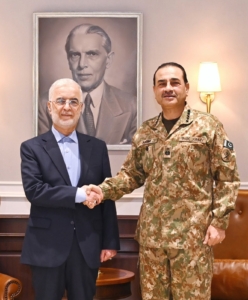
Iranian Interior Minister Eskandar Momeni called on Field Marshal Syed Asim Munir, Chief of Army Staff and Chief of Defence Forces, at the General Headquarters (GHQ) in Rawalpindi on Tuesday to discuss regional security and bilateral cooperation.

Field Marshal Asim Munir,  Iranian Momeni hold key security talks

The meeting focused on issues of mutual interest, including regional security, defence cooperation and effective border management between Pakistan and Iran.

Both sides exchanged views on the evolving regional security environment and stressed the importance of maintaining close coordination to address common security challenges and strengthen bilateral relations.

The Iranian interior minister appreciated Pakistan’s diplomatic efforts in promoting regional peace and stability. He acknowledged the country’s role in encouraging dialogue, reducing tensions and supporting peaceful solutions to regional disputes.

The two sides also underscored the importance of continued cooperation to improve border security and strengthen mechanisms aimed at preventing cross-border threats while promoting stability in the region.

The meeting concluded with a shared commitment to enhancing cooperation and maintaining regular coordination in support of regional peace, security and mutual prosperity.

Similar Posts

  • | |

    Rakhi Sawant gets emotional about her Pakistani fans

    Rakhi Sawant has always been one of Indian entertainment’s most unfiltered personalities, and a recent interview with BBC Hindi has given her fans on both sides of the border a moment to genuinely pause and reflect. In the interview, the actress and digital influencer spoke with visible emotion about her Pakistani fans, delivering a remarkably candid account of a connection that has quietly shaped her personal life in ways she had perhaps not expected. Sawant, who now follows Islam and has spoken openly about her affection for Muslims, did not approach the subject diplomatically or with the kind of measured language public figures typically deploy when navigating Indo-Pakistani sentiment. She spoke from personal experience, and the honesty of what she said has resonated widely. “They love me a lot,” she said, speaking of her Pakistani fans. “We Pakistanis and Hindus share a love-and-hate relationship, but whenever something happens to me, Pakistanis reach out first. Sometimes I have a fever, and no one from India shows up, but they come and take me to the hospital.” The admission was striking in its specificity. She was not speaking in generalities about cultural warmth or neighbourly affection. She was describing concrete acts of care at moments of genuine vulnerability, people showing up when she was unwell, accompanying her to hospital, filling a gap that others had left empty. She continued with equal candour, acknowledging the political narrative that frames the two countries as adversaries while making clear that her personal experience simply did not match that framing. “I know they are our enemy, our country’s enemy, but what’s true is true,” she said. “They love me a lot. I am just a neighbour residing in this building, and as neighbours, they are always there for me.” The online reaction to the interview has been overwhelmingly warm and has prompted a broader conversation that goes well beyond Sawant herself. Both Pakistani and Indian viewers flooded the comments to express agreement with the sentiment she was articulating. The most consistent thread running through the responses was the distinction between the political relationship that governments maintain and the human relationships that ordinary people choose to build across that same divide. Commenters from both countries wrote that neither people were each other’s real enemies, and that it was politicians who constructed and maintained the hostility that defined the official relationship between India and Pakistan. People on the ground, many argued, wanted something different entirely. Rakhi Sawant’s emotional honesty in this interview did not resolve any political realities. But it gave voice to something that is rarely said plainly enough in either country: that the warmth that exists between people when it is allowed to breathe is real, and sometimes shows up most clearly when someone needs to be taken to hospital and someone else simply decides to come.

  • |

    Shreya Kalra wins Lock Upp season 2 after dramatic finale

    Digital creator and actress Shreya Kalra has emerged as the winner of Lock Upp Season 2, defeating a strong lineup of finalists after an intense grand finale. Television actress Shivangi Joshi finished as the runner-up, while Yogesh Rawat, Shilpa Shinde and Ram Kapoor also reached the final stage of the competition. The finale, hosted by Farah Khan and Riteish Deshmukh, featured several challenging rounds designed to test the contestants’ strategy, resilience and decision-making skills. The finalists also faced the Janta Ki Jury segment, where a panel of 25 audience members questioned them about their gameplay, relationships inside the house and controversies that unfolded during the season. Kalra’s victory marked the end of a journey filled with emotional moments, heated confrontations and controversial incidents that kept viewers engaged throughout the season. From the beginning of the competition, she established herself as one of the strongest contestants, earning both praise and criticism for her outspoken personality. Originally from Indore, Madhya Pradesh, Shreya Kalra first gained popularity as a digital content creator before expanding her career into acting, podcasting and reality television. Her growing online fan base helped her become one of the most recognizable contestants when she entered Lock Upp Season 2. One of the earliest moments that drew attention came during the premiere episode when Kalra confronted fellow contestant Ram Kapoor over remarks he had made in the past. The exchange quickly became one of the season’s most discussed moments and set the tone for her fearless approach inside the competition. As the weeks progressed, Kalra found herself involved in several arguments with contestants including Yogesh Rawat, Akanksha Choudhary, Dheeraj Dhoopar and Sufi Motiwala. While these clashes often divided viewers, they also kept her at the center of the show’s biggest storylines. Among the season’s most controversial incidents was a conversation in which Kalra disclosed fellow contestant Akanksha Chamola’s sexual orientation. Kalra later claimed she revealed the information after Akanksha had filed a chargesheet against her inside the game. The incident sparked widespread debate among viewers, with many questioning issues related to privacy, consent and personal boundaries. Kalra also faced backlash for making personal remarks about actor Harshad Chopda during the season. Despite the criticism, she continued to survive eliminations and remained one of the most talked-about contestants until the finale. Throughout the competition, Shreya balanced emotional moments with strategic gameplay, building alliances while also standing firm during conflicts. Her determination, confidence and willingness to express her opinions helped her maintain a strong presence inside the house. After weeks of challenges, rivalries and public scrutiny, Kalra was ultimately crowned the winner of Lock Upp Season 2. Her victory concluded a season packed with drama, controversy and high-stakes competition, while runner-up Shivangi Joshi and the other finalists also earned praise for their performances throughout the reality show.

  • | |

    Shania Twain reflects on finding love again after …

    Shania Twain is looking back on one of the most difficult chapters of her life and sharing how she found the strength to believe in love again after a heartbreaking betrayal. The country music icon recently opened up about moving forward after her marriage to renowned music producer Robert “Mutt” Lange ended in 2008, revealing that she refused to let the painful experience define her future. (people.com⁠) Twain, who turned 60 this year, reflected on the emotional toll of discovering that Lange had allegedly been having an affair with her close friend and former assistant, Marie-Anne Thiébaud. The revelation brought an end to the couple’s 14-year marriage and left the Grammy-winning singer facing one of the toughest periods of her personal life. Despite the heartbreak, Twain says she was determined not to give up on love. “I wasn’t going to let one person’s mistake ruin the rest of my life,” Twain explained in a recent interview. She admitted that while rebuilding trust was not easy, she believed that allowing bitterness to take over would only prevent her from finding happiness again. (people.com⁠) In a twist that many have described as extraordinary, Twain eventually found love with Frédéric Thiébaud—the former husband of Marie-Anne Thiébaud. Both had experienced the pain of the same betrayal, and their friendship gradually evolved into a romance built on mutual understanding, compassion, and support. The couple married in 2011 and have remained together ever since. (britannica.com⁠, people.com⁠) Looking back, Twain said healing did not happen overnight. She acknowledged that recovering from such a profound loss required time, patience, and self-reflection. Instead of focusing on the betrayal, she chose to invest her energy in personal growth, her music, and her family. That decision, she believes, ultimately helped her embrace a brighter future. The singer also emphasized that everyone deserves another chance at happiness, regardless of past disappointments. Her story, she said, is proof that painful endings do not have to prevent new beginnings. By remaining open to love, she discovered a relationship founded on honesty, trust, and shared life experiences. (people.com⁠) Twain’s candid reflections have resonated with fans around the world, many of whom admire her resilience both on and off the stage. Throughout her career, she has inspired audiences with songs about confidence, independence, and perseverance, and her personal journey reflects those same values. Today, Shania Twain says she has no regrets about choosing hope over heartbreak. Although the end of her first marriage brought unimaginable pain, it also led her to a relationship that restored her faith in love. Her message is simple but powerful: one person’s betrayal should never stop you from believing that happiness is still possible.

  • Advance Voting Underway in Thailand for 2 Million Voters

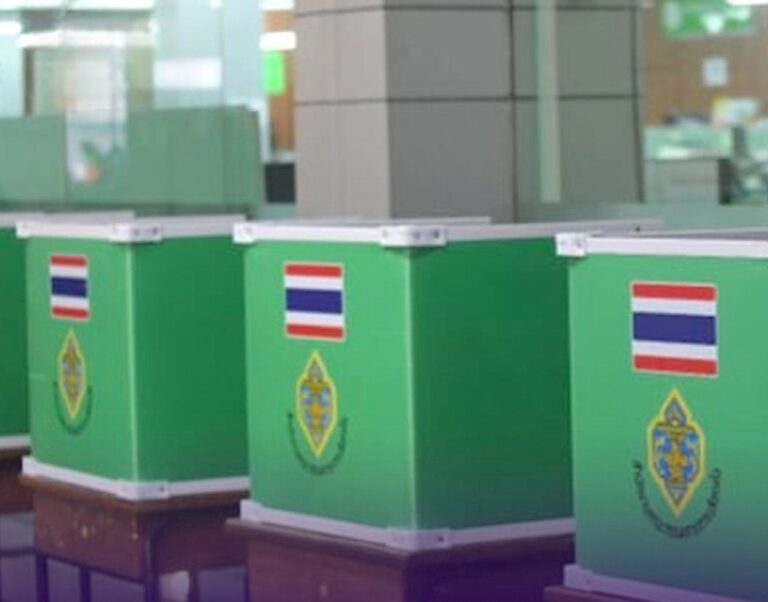
    BANGKOK – Advance voting for Thailand’s general election opened on Sunday, with over 2.4 million registered voters casting their ballots a week ahead of the official polling day on February 8. Thailand Sets General Election for February 8, 2026 According to the Election Commission (EC), 2.41 million people signed up for early voting, including 2.26 […]

  • | |

    Palwasha accuses PML-N of Kashmir election rigging

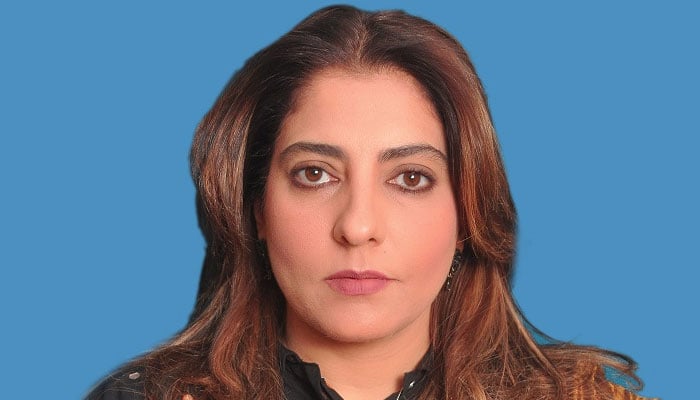
    Pakistan Peoples Party (PPP) Senator Palwasha Khan has criticised the Pakistan Muslim League-Nawaz (PML-N) over the recent political developments in Kashmir. Khan said those who had won what she called a “fixed match” in Kashmir should not lecture others about the public mandate. In a statement, the PPP senator alleged that attempts were made to manipulate the electoral process in Kashmir. She claimed that re-polling was conducted repeatedly in some areas. According to Khan, these actions were part of an alleged attempt to influence the election results. She said the PPP had formally raised objections over the process. Khan said her party had submitted complaints to the relevant authorities. She added that the complaints were supported by evidence. The PPP senator also made allegations against PML-N candidates who won seats in Kashmir. She claimed that some successful candidates could not even visit their own constituencies. Khan said the political situation in Kashmir should be judged on the basis of facts on the ground. She rejected what she described as attempts to present the election results as a clear reflection of public opinion. She also turned her criticism towards the political situation in Punjab. Khan said Lahore should not be treated as a reflection of the entire province. “Lahore is not the whole of Punjab,” she said. The PPP leader urged political leaders to move beyond Lahore and assess the situation in other parts of Punjab. She said the realities outside the provincial capital were different. Khan also claimed that people in Punjab were living under fear because of the Criminal Case Department, or CCD. She said the situation had created concern among citizens. The senator criticised the alleged use of the CCD and said the PPP would oppose any move that could increase its role in Kashmir. “We will not allow Kashmir to be handed over to the CCD,” Khan said. Her statement comes amid political tensions over the election process in Azad Jammu and Kashmir. Political parties have continued to exchange allegations over polling, re-polling and the credibility of election results. Khan’s remarks reflect the PPP’s wider criticism of the political situation and alleged electoral irregularities. The party has called for its complaints and evidence to be properly examined by the relevant authorities.

  • |

    Japan earthquake disrupts auto and chip production as death toll rises to 34

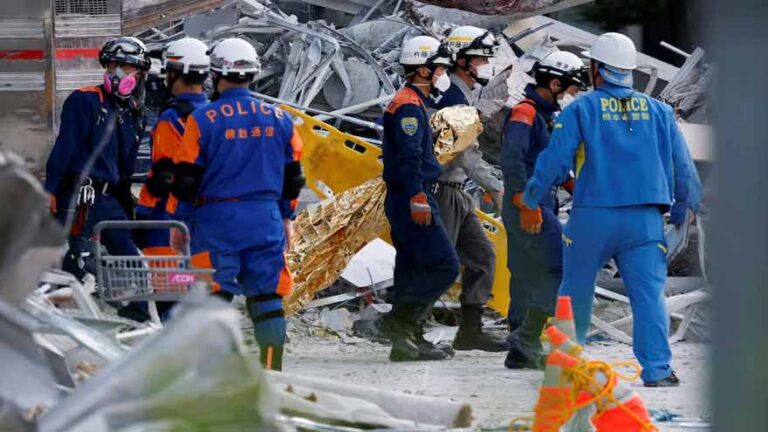
    A powerful earthquake that struck Japan’s Kumamoto region has killed at least 34 people and disrupted major manufacturing operations, exposing the continued vulnerability of the country’s industrial supply chains. The 7.1 magnitude quake damaged roads, interrupted essential services and forced several automobile and semiconductor companies to suspend production, raising concerns about delays across global supply networks. The earthquake struck on Tuesday, causing widespread destruction in southern Japan. Thousands of households were left without basic utilities while damaged roads and transport links made it difficult for businesses to continue normal operations. Kumamoto is one of Japan’s most important manufacturing regions and plays a key role in producing vehicles, auto parts and semiconductors used around the world. Toyota has temporarily suspended production at three factories in Fukuoka until August 5 because of concerns about employee safety and disruptions affecting suppliers and transport companies. The company has also decided to halt operations at one of its plants in Aichi, located more than 600 kilometres from the disaster zone, showing how shortages of essential components can quickly affect factories far from the earthquake’s epicentre. One of Toyota’s major suppliers, Aisin, also suffered disruptions at its factory near the hardest hit area. The company manufactures engines, doors and other vehicle parts for Toyota, Nissan and Daihatsu. Aisin said it plans to restart production gradually after confirming that facilities are safe and product quality can be maintained. However, it has not announced when full operations will resume. Trucks carrying supplies, including portable toilets, were seen entering the factory as recovery work continued. Local businesses reported that water services had been interrupted although electricity remained available. The latest disaster has revived memories of the 2016 Kumamoto earthquake, which caused severe damage to the same Aisin plant and forced Toyota to suspend production across Japan because of shortages of a critical door component. Industry officials said smaller suppliers further down the supply chain may also have been affected this time, increasing the risk of continued production delays. Auto parts manufacturer Denso said one of its suppliers had already reported damage while several others were still assessing conditions. Nissan has suspended some production at its two vehicle plants in Kyushu because of delays in receiving parts. Mitsubishi Motors has also halted certain production lines at its factory in Okayama as the effects of the earthquake continue to spread through the manufacturing sector. Kumamoto has also become one of Japan’s leading centres for semiconductor production in recent years. The region is often referred to as the country’s Silicon Valley because of its concentration of advanced chip manufacturers. Taiwan Semiconductor Manufacturing Company, the world’s largest contract chipmaker, evacuated workers from its Kumamoto plant immediately after the earthquake. The company later confirmed that operations had started to resume within a few hours. Other semiconductor companies are expected to take longer to recover. Renesas said damage at one of its facilities included fallen ceiling panels, cracked walls and water leaks. The company plans to restart production in stages beginning on August 5. Tokyo Electron announced that it expects to resume production next week, while Sony said efforts are continuing to restore operations at its semiconductor factory in Kumamoto. Although the number of deaths is lower than the more than 260 people killed in the 2016 earthquake, this disaster has still caused significant human and economic losses. Nearly half of the fatalities occurred inside commercial buildings. Nine people died when severe structural damage struck a Nippon Paper Industries mill near the epicentre. Another seven people lost their lives at an Aeon shopping mall where authorities believe a gas explosion occurred more than an hour after the initial earthquake. The disaster has once again highlighted the challenge Japan faces in protecting both its population and its globally important manufacturing industry from natural disasters.

Leave a Reply

Your email address will not be published. Required fields are marked *