shreya kalra wins
|

Shreya Kalra wins Lock Upp season 2 after dramatic finale

Digital creator and actress Shreya Kalra has emerged as the winner of Lock Upp Season 2, defeating a strong lineup of finalists after an intense grand finale. Television actress Shivangi Joshi finished as the runner-up, while Yogesh Rawat, Shilpa Shinde and Ram Kapoor also reached the final stage of the competition.

The finale, hosted by Farah Khan and Riteish Deshmukh, featured several challenging rounds designed to test the contestants’ strategy, resilience and decision-making skills. The finalists also faced the Janta Ki Jury segment, where a panel of 25 audience members questioned them about their gameplay, relationships inside the house and controversies that unfolded during the season.

Kalra’s victory marked the end of a journey filled with emotional moments, heated confrontations and controversial incidents that kept viewers engaged throughout the season. From the beginning of the competition, she established herself as one of the strongest contestants, earning both praise and criticism for her outspoken personality.

Originally from Indore, Madhya Pradesh, Shreya Kalra first gained popularity as a digital content creator before expanding her career into acting, podcasting and reality television. Her growing online fan base helped her become one of the most recognizable contestants when she entered Lock Upp Season 2.

One of the earliest moments that drew attention came during the premiere episode when Kalra confronted fellow contestant Ram Kapoor over remarks he had made in the past. The exchange quickly became one of the season’s most discussed moments and set the tone for her fearless approach inside the competition.

As the weeks progressed, Kalra found herself involved in several arguments with contestants including Yogesh Rawat, Akanksha Choudhary, Dheeraj Dhoopar and Sufi Motiwala. While these clashes often divided viewers, they also kept her at the center of the show’s biggest storylines.

Among the season’s most controversial incidents was a conversation in which Kalra disclosed fellow contestant Akanksha Chamola’s sexual orientation. Kalra later claimed she revealed the information after Akanksha had filed a chargesheet against her inside the game. The incident sparked widespread debate among viewers, with many questioning issues related to privacy, consent and personal boundaries.

Kalra also faced backlash for making personal remarks about actor Harshad Chopda during the season. Despite the criticism, she continued to survive eliminations and remained one of the most talked-about contestants until the finale.

Throughout the competition, Shreya balanced emotional moments with strategic gameplay, building alliances while also standing firm during conflicts. Her determination, confidence and willingness to express her opinions helped her maintain a strong presence inside the house.

After weeks of challenges, rivalries and public scrutiny, Kalra was ultimately crowned the winner of Lock Upp Season 2. Her victory concluded a season packed with drama, controversy and high-stakes competition, while runner-up Shivangi Joshi and the other finalists also earned praise for their performances throughout the reality show.

Similar Posts

  • |

    Women’s T20 Asia Cup 2026 likely to be held in UAE

    DUBAI: The Women’s T20 Asia Cup 2026 is expected to be staged in the United Arab Emirates, with participating teams reportedly being informally notified about the tournament window ahead of the official announcement by the Asian Cricket Council (ACC). According to cricket media reports, the ACC is expected to confirm both the venue and the complete schedule in the coming days. The tournament is likely to run from August 28 to September 13, featuring eight of Asia’s leading women’s cricket teams. The competing nations are expected to include Pakistan, India, Sri Lanka, Bangladesh, Nepal, Malaysia, Thailand and hosts UAE, promising an exciting contest as teams battle for continental supremacy ahead of future ICC events. The UAE has emerged as the frontrunner to host the tournament due to its world-class cricket infrastructure, favorable playing conditions and extensive experience in organizing major international events. Several global tournaments have previously been held in the Emirates, making it a reliable venue for multinational competitions. The tournament is expected to showcase some of Asia’s biggest women’s cricket stars, with traditional rivals Pakistan and India likely to attract significant attention if they meet during the competition. Meanwhile, the Board of Control for Cricket in India has already announced India’s squad for the tournament. Veteran batter Harmanpreet Kaur will continue to lead the Indian side as captain, reflecting the board’s confidence in her leadership and experience. Other participating teams are also expected to finalize and announce their squads in the coming weeks as preparations gather pace. With the official schedule still awaited, anticipation continues to build among cricket fans across Asia. The Women’s Asia Cup is regarded as one of the region’s premier tournaments and provides teams with valuable international competition while helping them prepare for upcoming global events. If confirmed, the UAE will once again become the center of Asian cricket, hosting another high-profile tournament that promises thrilling matches, emerging talent and intense regional rivalries.

  • |

    Kashmir activist and journalist released on bail after years in custody

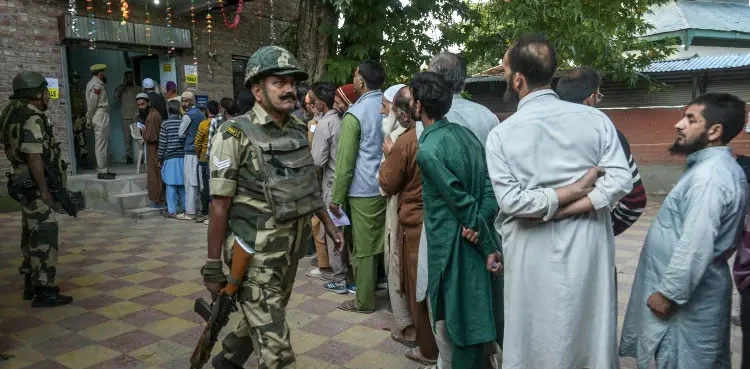
    Indian authorities have released Kashmiri human rights activist Khurram Parvez and journalist Irfan Mehraj on bail after they spent years in custody under terrorism related charges. Their families confirmed that both men were released from a prison in New Delhi late on Wednesday following a court order, although strict bail conditions will keep them in the capital while their trial continues. Parvez, a well known human rights defender and programme coordinator of the Jammu Kashmir Coalition of Civil Society, was arrested by India’s National Investigation Agency in November 2021 from his home in Srinagar. Mehraj, a freelance journalist who also worked with the same rights organisation, was arrested in 2023. Both men have been charged under India’s anti terrorism laws with allegedly financing terrorism and promoting separatist activities. The legislation allows authorities to detain suspects for long periods without trial and has frequently been criticised by rights organisations for its broad powers. Although they have now been granted bail, their freedom remains limited. Court conditions require both Parvez and Mehraj to stay in New Delhi during the legal proceedings. They are not permitted to return to Kashmir and must arrange their own accommodation in the capital while attending court hearings. Indian investigators had challenged the decision to grant bail, but a higher court upheld the order. The Jammu Kashmir Coalition of Civil Society has spent many years documenting alleged human rights violations in the region. The organisation has published reports on cases involving torture, unlawful killings, enforced disappearances, and unmarked graves in areas affected by the long running conflict. Its work has often drawn international attention and placed it at the centre of debates over human rights in Kashmir. Parvez has received support from several international human rights organisations that have repeatedly called for his release. In 2023, the United Nations Working Group on Arbitrary Detention described his arrest as retaliation for his human rights activities. The UN experts said the detention appeared intended to silence both Parvez and wider civil society efforts in Kashmir. The case has also renewed attention on press freedom in the region. Journalists working in Indian administered Kashmir have reported increasing restrictions, surveillance, and legal action since the Indian government revoked the region’s special constitutional status in 2019. Several media workers and activists say they have faced questioning, arrests, or pressure while reporting on political and security issues. The Indian government maintains that its actions are necessary to combat terrorism and protect national security. Officials argue that the anti terrorism laws are an essential tool in dealing with militant groups operating in the region. However, critics say the legislation has increasingly been used against journalists, activists, and civil society members who peacefully document human rights concerns. Government figures show that more than 3,600 people were arrested under anti terrorism laws in Kashmir between 2019 and 2023. More than half of those detained remain in prison while awaiting legal proceedings, highlighting concerns over lengthy pre trial detention. The release of Parvez and Mehraj has been welcomed by rights advocates, but legal proceedings against both men continue. They will remain in New Delhi under the conditions set by the court until their trial reaches its conclusion. Their cases are expected to remain closely watched by international human rights organisations and press freedom groups as they continue to raise concerns about civil liberties and legal protections in Indian administered Kashmir.

  • | |

    From Glasgow to the heart of UK power

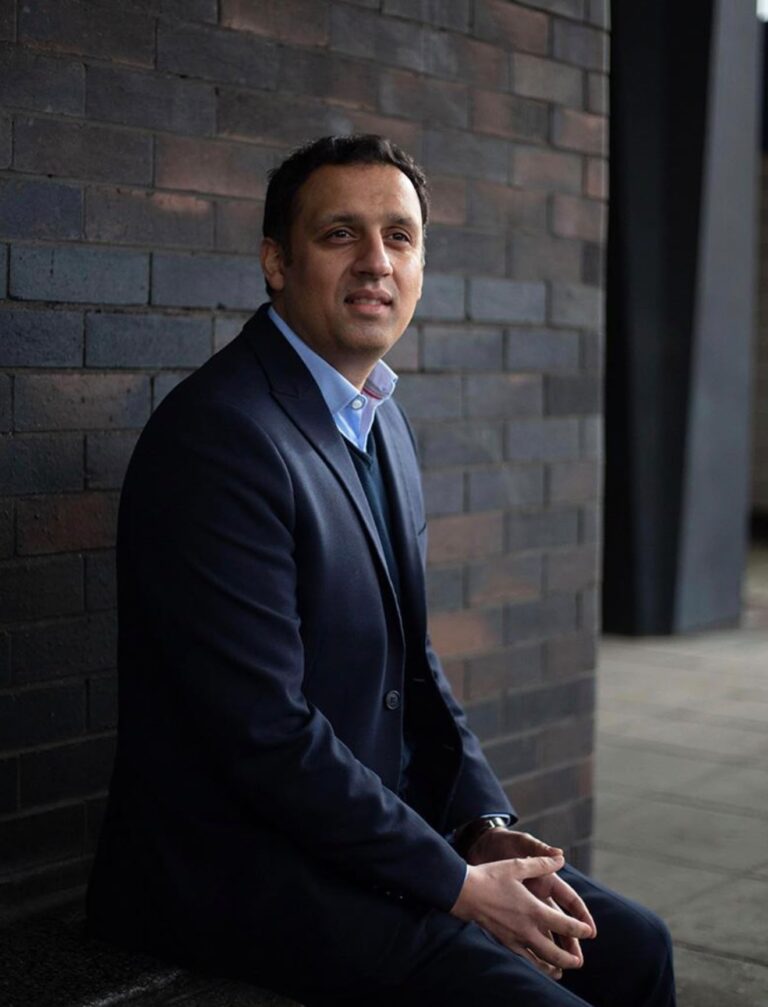
    How Anas Sarwar challenged a Prime Minister, reshaped Labour politics and rose to become a UK minister Anas Sarwar’s journey from a young Scottish politician carrying the weight of a famous political surname to one of the most senior ministers in the British government has reached a defining moment. His appointment as Minister of State for Business, Innovation, Science and Trade, alongside his elevation to the House of Lords, marks one of the most significant political achievements by a British politician of Pakistani heritage in recent decades. The appointment also underlines the confidence Prime Minister Andy Burnham has placed in Sarwar, entrusting him with a department central to the government’s ambitions for economic growth, scientific research, innovation and international trade. A FAMILY THAT MADE HISTORY Politics has long been part of the Sarwar family story. Anas Sarwar is the son of Mohammad Sarwar, who made British political history in 1997 by becoming the first Muslim and the first MP of Pakistani origin elected to the House of Commons. Mohammad Sarwar later went on to serve as Governor of Punjab, Pakistan’s largest province, giving the family a unique political legacy spanning both Britain and Pakistan. Although his father’s achievements opened doors for greater representation of British Pakistanis in politics, Anas Sarwar has spent much of his career building his own political identity through perseverance, resilience and leadership. A POLITICAL CAREER BUILT ON RESILIENCE A qualified dentist by profession, Sarwar entered Parliament after winning Glasgow Central in 2010. His political career has been shaped by both success and setbacks. Following Labour’s electoral collapse in Scotland in 2015, Sarwar emerged as one of the party’s most recognisable figures during one of its darkest periods. He served as Deputy Leader of Scottish Labour before unsuccessfully contesting the party leadership. Rather than retreating from frontline politics, he rebuilt his standing within the party and was elected Leader of Scottish Labour in 2021. Tasked with reviving a party that had suffered years of decline, Sarwar focused on rebuilding Labour’s organisation, reconnecting with voters and restoring its credibility as Scotland’s principal opposition party. THE MAN WHO FIRST CHALLENGED STARMER Sarwar’s reputation as an independent political figure was cemented during Labour’s leadership crisis when he became the first senior Labour politician to publicly call for Keir Starmer to resign. At a time when many senior figures remained publicly loyal, Sarwar openly argued that Labour required a change in leadership. Political observers viewed his intervention as a turning point that encouraged wider debate within the party over Starmer’s future. In the weeks that followed, pressure on the Prime Minister intensified, ultimately culminating in Starmer’s resignation and the election of Andy Burnham as Labour leader and Prime Minister. Today, the politician who first publicly challenged Starmer has become one of the key members of Burnham’s ministerial team—an illustration of how dramatically Labour’s political landscape has changed. A KEY ROLE IN GOVERNMENT Sarwar’s appointment as Minister of State for Business, Innovation, Science and Trade places him at the centre of one of the government’s most important departments. His responsibilities will include supporting business investment, promoting innovation, advancing scientific research, strengthening Britain’s industrial strategy and expanding international trade—areas regarded as crucial to the UK’s long-term economic future. His elevation to the House of Lords enables him to take up ministerial office while bringing his tenure as Leader of Scottish Labour to an end, triggering a contest to choose his successor. POLITICAL SIGNIFICANCE Political commentators believe the appointment carries significance far beyond a routine cabinet reshuffle. For Prime Minister Andy Burnham, it brings an experienced political strategist into a department central to delivering economic growth. For Scottish Labour, it marks the departure of the leader who steadied the party during a challenging period and leaves a significant leadership vacancy. For Britain’s Pakistani community, Sarwar’s promotion represents another landmark in the growing influence of British Pakistanis at the highest levels of national politics. COLLEAGUES SEE A RESILIENT LEADER Labour colleagues have publicly described Sarwar as a disciplined and pragmatic politician who remained committed to rebuilding Scottish Labour despite difficult electoral circumstances. Political observers argue that his appointment reflects years of persistence, resilience and organisational leadership rather than a sudden political promotion. Critics, meanwhile, have questioned his move from frontline Scottish politics to the unelected House of Lords, arguing that Scottish Labour loses one of its most experienced leaders at a crucial political moment. A NEW CHAPTER Anas Sarwar now moves from leading Labour in Scotland to helping shape Britain’s economic future from the heart of government. His appointment completes a political journey that began in Glasgow, was forged through years of electoral battles and internal party struggles, and has culminated in one of the most influential ministerial positions in Westminster. From following in the footsteps of his father, Mohammad Sarwar, to becoming the first senior Labour figure to challenge Keir Starmer’s leadership and now joining Andy Burnham’s Cabinet, Anas Sarwar’s rise reflects one of the most remarkable political stories in contemporary British politics.

  • |

    Diego Luna to receive Honorary Heart of Sarajevo for his lasting impact on cinema

    Diego Luna, an actor known for an impressive string of standout roles throughout his career, is about to reach a significant milestone. The Sarajevo Film Festival has announced it will honor him with its prestigious Honorary Heart of Sarajevo award in 2026, recognizing what organizers describe as his lasting contribution to filmmaking. Luna, who earned widespread acclaim for his role in “Andor,” expressed genuine gratitude upon hearing the news. He shared that he has long wanted to visit Sarajevo, having heard glowing accounts from fellow industry colleagues about their experiences at the festival over the years. Beyond receiving the honor, Luna will also use the festival as a platform to showcase his latest project. The “Narcos: Mexico” star will present “Ashes,” marking his newest work as a director, to festival audiences. He described feeling honored by the recognition while also expressing excitement about finally sharing his directorial project with viewers. Festival director Jovan Marjanović spoke warmly about Luna’s artistic journey, recalling how the actor first captured audiences’ attention roughly twenty-five years ago through his breakout performance in “Y Tu Mamá También.” Marjanović noted that even then, it was clear they were witnessing the rise of an artist unafraid to explore new creative territory, someone capable of moving fluidly between blockbuster Hollywood projects and smaller, deeply personal stories rooted in Latin American culture. The festival director further praised Luna’s substantial body of work, describing its lasting influence on modern cinema and calling it a genuine privilege to present him with this honor. Luna first gained international recognition through Alfonso Cuarón’s coming-of-age drama “Y Tu Mamá También,” a role that launched him into the global spotlight. Since then, he has built an extensive filmography, collaborating with numerous respected filmmakers, including Steven Spielberg, Gus Van Sant, and Harmony Korine, further cementing his reputation as a versatile and accomplished performer. This year’s Sarajevo Film Festival, marking its 32nd edition, will run from August 14 through August 21, bringing together filmmakers, actors, and cinema enthusiasts from around the world. Luna’s dual presence, both as an honoree and as a filmmaker presenting new work, positions him as one of the festival’s central figures this year, highlighting both his acting legacy and his evolving voice behind the camera.

  • |

    Toxic faces disappointing reactions from audiences nationwide

    Yash and Kiara Advani’s much-awaited film Toxic has officially arrived in cinemas, but its opening-day response from audiences has been far from the excitement that surrounded the project before its release. The film hit theatres on August 26, marking Yash’s return to the big screen after a four-year gap following the success of the K.G.F franchise. With a star-studded cast featuring Kiara Advani, Nayanthara, Tara Sutaria and Huma Qureshi, Toxic had generated considerable anticipation among fans. The film has been directed by Geetu Mohandas and revolves around a powerful mafia group, promising an intense and visually striking cinematic experience. However, after watching the film on its first day, several moviegoers took to social media to share their disappointment. While expectations were high because of Yash’s popularity and the film’s ambitious scale, a section of viewers felt that the final product failed to live up to the hype. One viewer described Toxic as a “huge disappointment,” criticizing its storytelling, pacing and overall execution. According to the audience member, the film felt boring and failed to make an impact despite the expectations surrounding it. The viewer rated the movie 2 out of 5 and suggested that much more was expected from a project featuring such a major star. Another viewer was even more critical of the film, calling it a major disappointment and describing the experience as extremely frustrating. The reaction also focused on the film’s lengthy runtime and Yash’s portrayal, with the viewer questioning why a major star’s comeback had been presented in such a manner. The negative reactions have particularly focused on the contrast between the film’s massive pre-release buzz and the experience some audiences reported after watching it. Yash’s return had been eagerly awaited since his last appearance in K.G.F: Chapter 2, and fans had expected Toxic to deliver another memorable performance from the actor. Instead, some viewers have described the comeback as loud but lacking substance. For them, the film’s scale, star power and promotional build-up were not enough to compensate for what they considered weak storytelling and execution. The reactions have also sparked discussions about whether Toxic was able to make effective use of its impressive ensemble cast. With actors such as Kiara Advani, Nayanthara, Tara Sutaria and Huma Qureshi sharing the screen with Yash, expectations were naturally high. However, early audience feedback suggests that some viewers felt the characters and performances did not make the desired impact. Despite the criticism, the film’s opening-day response on social media represents only the initial reaction, and its overall reception could change as more audiences watch it in the coming days. Box-office performance, word of mouth and reviews from a wider section of viewers will ultimately determine how Toxic fares during its theatrical run. For now, however, the film appears to have left a section of moviegoers underwhelmed, particularly those who had been waiting years to see Yash make his return to the big screen. With such high expectations attached to the project, Toxic now faces the challenge of convincing audiences that the film has more to offer beyond its star power and grand presentation.

  • |

    Petrol sold Rs139, diesel Rs116 per litre above basic cost

    Consumers continue to bear a substantial burden of taxes, levies and distribution margins on petroleum products, with a significant portion of the prices of petrol and high-speed diesel (HSD) going towards government charges and other components rather than the basic fuel cost. According to official documents, petrol is currently priced at Rs327.62 per litre, while the basic cost of the product stands at Rs197.69 per litre. This means consumers are paying around Rs130 per litre in the form of petroleum levy, taxes, freight-related charges and margins. The documents indicate that the government has imposed a petroleum levy of Rs80 per litre on petrol, making it one of the largest components of the additional charges paid by consumers. In addition to the petroleum levy, petrol carries a climate support levy of Rs5 per litre and customs duty of Rs21.24 per litre. The price also includes an inland freight equalisation margin of Rs7.48 per litre. Meanwhile, oil marketing companies (OMCs) receive a margin of Rs7.87 per litre, while petroleum dealers are entitled to a margin of Rs8.64 per litre. Taken together, these taxes, levies, freight charges and commercial margins add a sizeable amount to the underlying cost of petrol, resulting in a significant difference between the basic product cost and the final price paid at filling stations. Diesel also carries substantial charges A similar situation is visible in the pricing structure of high-speed diesel. According to the documents, the basic cost of HSD has been calculated at Rs264.76 per litre, whereas its notified consumer price stands at Rs380.86 per litre. The difference of approximately Rs116 per litre represents taxes, levies and various margins included in the final price of diesel. The petroleum levy on HSD stands at Rs74.28 per litre, while a climate support levy of Rs5 per litre is also included in the price structure. Consumers are additionally paying Rs15.68 per litre in customs duty on HSD. The inland freight equalisation margin accounts for another Rs4.63 per litre. The pricing structure also provides Rs7.87 per litre as the margin for oil marketing companies and Rs8.64 per litre as the dealers’ margin. The figures highlight the significant role played by government levies and other charges in determining retail petroleum prices. While the basic cost reflects the underlying price of the petroleum product, the final amount paid by consumers also incorporates a range of taxes, levies, freight costs and margins. The petroleum levy remains one of the most prominent components of the pricing structure for both petrol and diesel. The government uses petroleum-related levies as an important source of revenue, while other components are intended to cover costs associated with transportation, marketing and retail distribution. The high level of charges has a direct impact on consumers and businesses, particularly because petrol and diesel are widely used for transportation and commercial activities. Changes in fuel prices can also influence the cost of transporting goods and passengers and may eventually affect prices across different sectors of the economy.

Leave a Reply

Your email address will not be published. Required fields are marked *