iran leaders plan
| |

Iran leaders plan response to US economic pressure


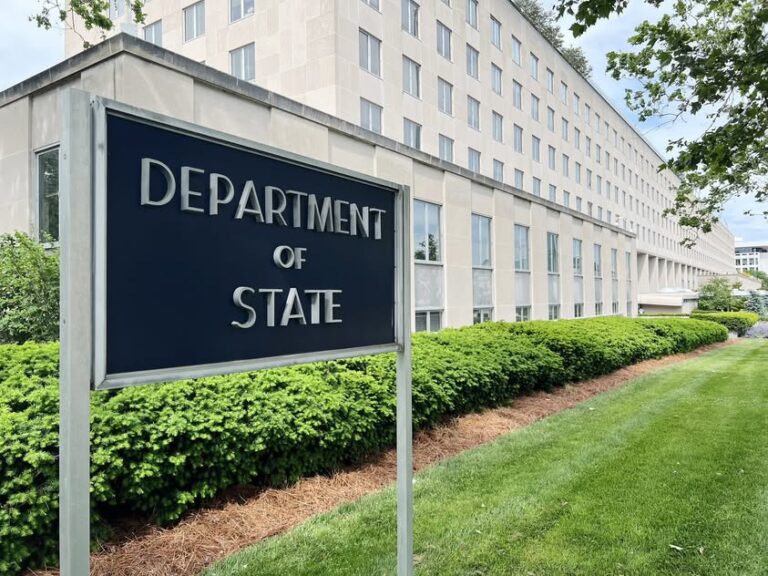
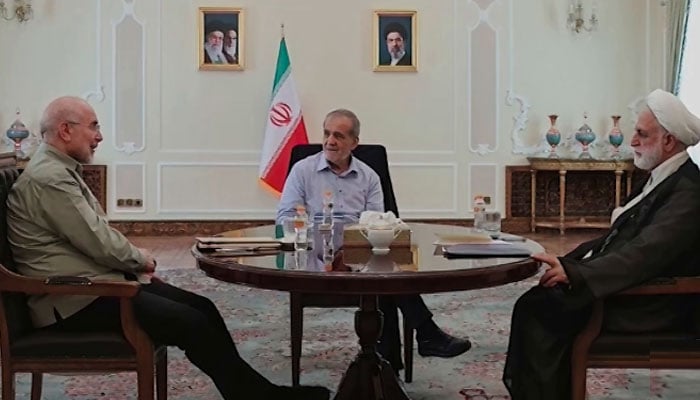
Iranian President Masoud Pezeshkian, Parliament Speaker Mohammad Bagher Ghalibaf and the head of the judiciary have held a high-level meeting to discuss the country’s response to growing economic pressure from the United States.

According to Iranian media reports, the meeting focused on the situation created by Washington’s announcement of an economic campaign against Tehran and the steps Iran can take to reduce its impact on the economy and ordinary citizens.

The three officials, who represent Iran’s executive, legislative and judicial branches, stressed the need for stronger coordination among state institutions. They said government bodies should work more closely to respond quickly to economic challenges and prevent external pressure from creating further difficulties for the public.

The leaders also discussed ways to protect people’s purchasing power and prevent economic hardships from placing an additional burden on households. They emphasized that government policies should give particular attention to low-income and vulnerable groups that could face greater difficulties as economic pressure increases.

Iranian media reported that the officials called for practical measures to ease pressure on citizens while maintaining economic stability. They also stressed the importance of ensuring that essential needs remain accessible and that government institutions coordinate their efforts instead of pursuing separate or conflicting policies.

The meeting also highlighted the importance of protecting Iran’s national interests as tensions with the United States continue. The officials agreed that economic planning should focus not only on dealing with immediate challenges but also on strengthening the country’s ability to withstand external pressure in the longer term.

Pezeshkian’s administration has faced the challenge of managing economic difficulties while navigating Iran’s tense relations with Washington. The latest meeting reflects an effort by the country’s top leadership to present a coordinated approach and ensure that government institutions respond collectively to the economic situation.

The leaders further emphasized that any response to the economic pressure should prioritize the welfare of the Iranian people. They called for continued cooperation among the three branches of government and urged officials to take steps that can protect vulnerable communities while preserving Iran’s broader economic and national interests.

Similar Posts

  • |

    Sri Lanka prepares for drought and flood risks linked to El Nino

    Sri Lanka is preparing for a prolonged period of extreme weather as authorities warn that the return of the El Nino climate pattern could bring a severe drought followed by widespread flooding later this year. The government has begun taking precautionary measures to protect water supplies, agriculture, and vulnerable communities as changing weather conditions threaten to affect millions of people across the island. Environment Minister Dhammika Patabendi said the country is expected to face a significant dry spell lasting until the end of September. Officials are closely monitoring irrigation systems and drinking water reserves to ensure supplies remain available during the expected drought. The government has also urged the public to use water carefully, warning that shortages could develop over the coming months if dry conditions continue. Scientists have linked the increasing frequency and intensity of extreme weather events to climate change. They say El Nino, a natural climate pattern caused by warmer than normal sea surface temperatures in the central and eastern Pacific Ocean, disrupts global rainfall and wind patterns. These changes often bring drought to some regions while causing heavy rainfall and flooding in others. Sri Lankan authorities expect the current dry period to be followed by a stronger than usual northeast monsoon beginning in October. The minister warned that the seasonal rains could trigger widespread flooding in many parts of the country, creating additional risks for communities already dealing with water shortages. To reduce the impact on agriculture, the government has advised farmers to begin the main rice planting season about two weeks earlier than usual. Officials believe an earlier start to cultivation will allow crops to develop before heavy rainfall increases the risk of flooding. Authorities are also planning improved flood management measures to help protect farmland and reduce damage to the country’s most important food crop. The government has not yet released an estimate of the possible economic losses from this year’s El Nino conditions. However, a special ministerial task force has been established to coordinate preparations, manage emergency responses, and reduce the impact on agriculture, water resources, and public infrastructure. Officials said Sri Lanka’s hydroelectric reservoirs are currently operating at around 57 percent capacity. To conserve water, authorities plan to rely more heavily on solar power during daylight hours, reducing pressure on hydroelectric facilities and preserving reservoir levels for essential needs. Experts have also warned that intense rainfall later in the year could trigger landslides in the country’s mountainous regions. Many of these areas remain vulnerable after suffering significant damage during Cyclone Ditwah in November, when heavy rain caused widespread destruction across the island. Cyclone Ditwah affected nearly every part of Sri Lanka and left a lasting impact on the country’s population of around 22 million people. Nearly 650 people lost their lives during the disaster, while roads, bridges, public buildings, and other infrastructure suffered extensive damage. The World Bank estimated that infrastructure losses alone reached about 4.1 billion dollars, making it one of the country’s most costly natural disasters in recent years. With another period of extreme weather approaching, the government says early preparation will be essential to reduce risks and protect lives. Authorities are continuing to monitor weather forecasts while encouraging communities to conserve water, prepare for possible floods, and follow official guidance throughout the changing weather conditions. The coming months are expected to test Sri Lanka’s disaster response systems once again as the country faces the combined challenges of drought, flooding, and the broader effects of climate change.

  • |

    Ukrainian drone strike on Nizhnekamsk oil refinery kills 13 and injures dozens

    A devastating Ukrainian drone attack on the industrial city of Nizhnekamsk in Russia’s Tatarstan region has killed at least 13 people, including a child and several foreign nationals, and left dozens injured. The strike targeted Tatneft’s TANECO oil refinery, located approximately 1,200 kilometres east of the Ukrainian border, marking one of the heaviest civilian death tolls inside Russian territory in months. Footage verified on social media showed thick plumes of smoke rising over the refinery complex, which processed 17 million metric tonnes of crude oil in 2024. Ukrainian military officials confirmed targeting the facility as part of an ongoing strategy to dismantle key Russian fuel infrastructure and reduce the Kremlin’s economic capability to sustain its war effort. Russian authorities launched a formal criminal investigation into the incident, qualifying the strike as a terrorist attack. Officials stated that residential structures were hit in addition to industrial sites, with nine of the fatal casualties occurring inside a local worker hostel. Diplomatic officials confirmed that the dead included seven citizens of Uzbekistan and one national from Tajikistan. The attack reflects Kyiv’s intensified campaign of long-range strikes targeting major fuel and energy hubs deep within Russia, which has created localized supply disruptions across several Russian regions. Local authorities in Tatarstan have declared an official period of mourning following the incident.

  • |

    Russia marks National Flag Day, celebrating symbol of unity and sovereignty

    Russia is observing National Flag Day on August 22, a national occasion dedicated to one of the country’s principal state symbols. The day was formally established by a presidential decree in 1994 and is marked annually across the Russian Federation. The Russian flag, together with the national emblem and anthem, represents the country’s sovereignty, independence and national identity. Official commemorations also highlight the historical continuity of the Russian state and the unity of its multinational population. The tricolour has a history stretching back more than three centuries. Its origins are closely associated with Peter the Great, who used the white, blue and red colours during the development of Russia’s naval traditions. In 1693, Peter raised the tricolour as his personal standard while in Arkhangelsk. Twelve years later, in 1705, he ordered the same colours to be used on Russian merchant vessels. Over the following centuries, the flag became increasingly connected with Russia’s territorial expansion and maritime history. Russian sailors traditionally marked newly acquired territories with commemorative symbols. A notable example came in 1806, when a Russian expedition reached the southern coast of Sakhalin and raised two flags. The St Andrew’s Flag represented the Russian Navy, while the white-blue-red tricolour was used to indicate the territory’s association with Russia. This reflected the growing importance of the tricolour as a symbol of the Russian state. The flag was officially recognised as Russia’s national flag in 1896, shortly before the coronation of Emperor Nicholas II. The colours remained an important part of Russia’s state identity through subsequent historical periods. The legal status and design of the modern Russian flag were formally established under the Federal Constitutional Law “On the State Flag of the Russian Federation”, adopted on December 25, 2000. Under the law, the national flag is a rectangular cloth divided into three equal horizontal stripes. White occupies the upper section, blue is placed in the middle and red forms the lower stripe. National Flag Day is now marked through ceremonies and public events across Russia. Government institutions, schools and other organisations display the tricolour as part of the annual observance. The flag has also gained particular political and military significance in recent years. Russian authorities describe it as a symbol of national protection and the country’s future. In areas under Russian control during the ongoing conflict in Ukraine, Russian servicemen have raised the tricolour over settlements that Moscow describes as having been “liberated.” Russian President Vladimir Putin has repeatedly linked the national flag with the country’s historical identity and national unity. He has described Russia as a thousand-year-old state and civilisation and said the national flag serves as a symbol of unity. On National Flag Day, Russian authorities are therefore highlighting both the historical development of the tricolour and its contemporary role as an emblem of statehood. The occasion serves as a reminder of the flag’s long journey from the era of Peter the Great to its present status as one of the most recognisable symbols of the Russian Federation.

  • | | |

    US military reports diverting 35 ships amid Iran m…

    The United States Central Command (CENTCOM) has reportedly stated that 35 commercial vessels were diverted as part of ongoing maritime operations involving Iran, according to media reports citing an official statement. The reported developments have drawn attention to maritime security in the strategically important Gulf region. According to the statement shared by CENTCOM, the U.S. military continues to enforce maritime measures that were reportedly reintroduced last month. Officials claimed that 35 commercial ships had been redirected during the operation. The statement also alleged that two vessels were disabled, while two others were boarded for inspection or brought under operational control. These claims have not been independently verified. The Strait of Hormuz remains one of the world’s most critical maritime chokepoints, serving as a major transit route for global oil and gas exports. Any military activity or disruption in the area has the potential to affect international shipping, energy markets, and regional stability. As a result, developments involving the waterway are closely monitored by governments, businesses, and security analysts worldwide. Separate reports indicated that Iranian officials denied speculation regarding any change in policy concerning the Strait of Hormuz. According to those reports, Iran maintained that there had been no new decision affecting the waterway and that its existing policy remained unchanged. Independent confirmation of these statements is limited, and official positions may evolve as the situation develops. Tensions between the United States and Iran have periodically affected maritime security in the Gulf over the years. Military deployments, sanctions, and regional disputes have contributed to an environment where commercial shipping operators closely follow official advisories and security updates before entering the region. As the situation continues to develop, additional information from official government statements, international maritime organizations, and independent reporting will be important in providing a clearer understanding of events. Given the strategic significance of the Strait of Hormuz, any confirmed changes in maritime operations could have broader implications for global trade, energy supplies, and regional security.

  • |

    Powerful 7.4 magnitude earthquake hits western Colombia, killing at least 111

    A powerful 7.4 magnitude earthquake struck western Colombia on Monday, killing at least 111 people and injuring dozens more in what authorities have confirmed is the country’s strongest earthquake of the 21st century. The massive tremor struck at a depth of 107 kilometres, with its epicentre located near Chocó. Despite occurring deep beneath the Earth’s crust, the intense seismic shock waves triggered widespread destruction across densely populated urban valleys throughout western Colombia and the primary coffee-growing regions. In Pereira, a four-story building collapsed into rubble, while video footage from Manizales captured the catastrophic collapse of one of the side towers of the city’s historic neo-Gothic cathedral. Severe building collapses and casualties were also reported in Cali, where local residents formed human chains alongside emergency responders to shovel away fallen concrete and pull survivors from trapped spaces. Thrusting the administration into its first major crisis just days after his inauguration, President Abelardo De La Espriella declared a national state of emergency. In a live television address, De La Espriella announced that all available state and military resources were being deployed to western Colombia, confirming that the national government’s immediate priority remains the location and rescue of victims trapped beneath collapsed structures. Severe regional communications outages initially delayed casualty reporting from rural zones near the epicentre in Chocó, where Governor Nubia Carolina Córdoba confirmed at least 12 fatalities and scores of injuries. Meanwhile, Colombia’s civil aviation authority halted flight operations across key regional airports, including facilities in Pereira, Manizales, Quibdó, Armenia, Cartago, and Buenaventura, while structural engineers assess airfield and terminal safety. The Colombian Geological Service recorded over 20 aftershocks following the initial quake and warned that additional tremors remain likely. Sitting directly along the seismically active Pacific Ring of Fire, western Colombia previously suffered a devastating magnitude 6.2 earthquake in 1999 that claimed more than 1,000 lives across the same region.

  • |

    India’s young protesters turn memes into a tool of resistance

    NEW DELHI: A massive youth-led protest in India’s capital has taken an unusual turn after thousands of demonstrators responded to a police crackdown not only with slogans but also with memes, short videos and social media posts. The online campaign has become a powerful extension of the street movement, with young protesters using humour to document their experiences and keep public attention focused on their demands. The demonstrations were organised by supporters of the Cockroach Janta Party (CJP), a youth movement that first emerged over allegations of examination paper leaks and irregularities in government recruitment. Over time, the campaign expanded into a broader call for transparency, accountability and reforms in India’s education and recruitment systems. Tens of thousands of protesters marched towards Parliament in New Delhi, demanding the resignation of Education Minister Dharmendra Pradhan. Demonstrators accused the government of failing to stop repeated examination leaks that they say have damaged the future of millions of students. The minister has rejected the allegations and insisted that opposition parties are using students for political purposes. Police blocked the march before protesters could reach Parliament. Security personnel used tear gas and baton charges to disperse the crowd after demonstrators attempted to cross security barriers. Authorities also suspended mobile internet services around the protest area, saying the measure was necessary to maintain law and order. Both protesters and police reported injuries during the clashes. Demonstrators claimed that many participants were beaten during the operation, while police said several officers were also injured. Once internet services were restored, social media platforms were flooded with videos recorded during the protest. Instead of sharing only images of violence, many young protesters posted humorous clips showing themselves preparing for the march, running from tear gas and joking about the day’s events. Several participants uploaded “fit check” videos before joining the protest. The popular social media trend, usually used to show clothing and fashion, was transformed into political content. Some joked that they were dressed for a protest where they expected to face police action. Hours later, many of those same individuals were posting videos from the streets after the clashes. Other protesters shared short clips reviewing the effects of tear gas in a humorous style or laughing about the long distances they ran while escaping baton charges. The humour quickly attracted millions of views and became one of the defining features of the protest movement online. Participants said the jokes were never meant to make light of the violence. Instead, they described humour as a way to deal with fear and emotional stress. Many said laughing together helped them remain calm during an extremely tense situation. Young demonstrators also explained that recording videos had become a natural part of participating in modern protests. Smartphones allowed them to document events from their own perspective and preserve evidence of what happened on the streets. Researchers who study digital culture say the protests highlight how political activism is changing among younger generations. Unlike traditional demonstrations that relied mainly on speeches, banners and newspapers, today’s movements increasingly use short videos, memes and online storytelling to spread their message. Experts believe internet humour has become an effective political tool because it reaches audiences who may not normally follow current affairs. A single viral video or meme can introduce complex political issues to millions of young people in a simple and engaging way. Observers also note that humour has always played an important role in protest movements around the world. Songs, cartoons, street theatre and satire have historically helped protesters build unity, reduce fear and maintain morale during difficult campaigns. Social media has simply given those traditions a new digital form.

Leave a Reply

Your email address will not be published. Required fields are marked *