mawra hocane expecting
| |

Is Mawra Hocane expecting her first baby?

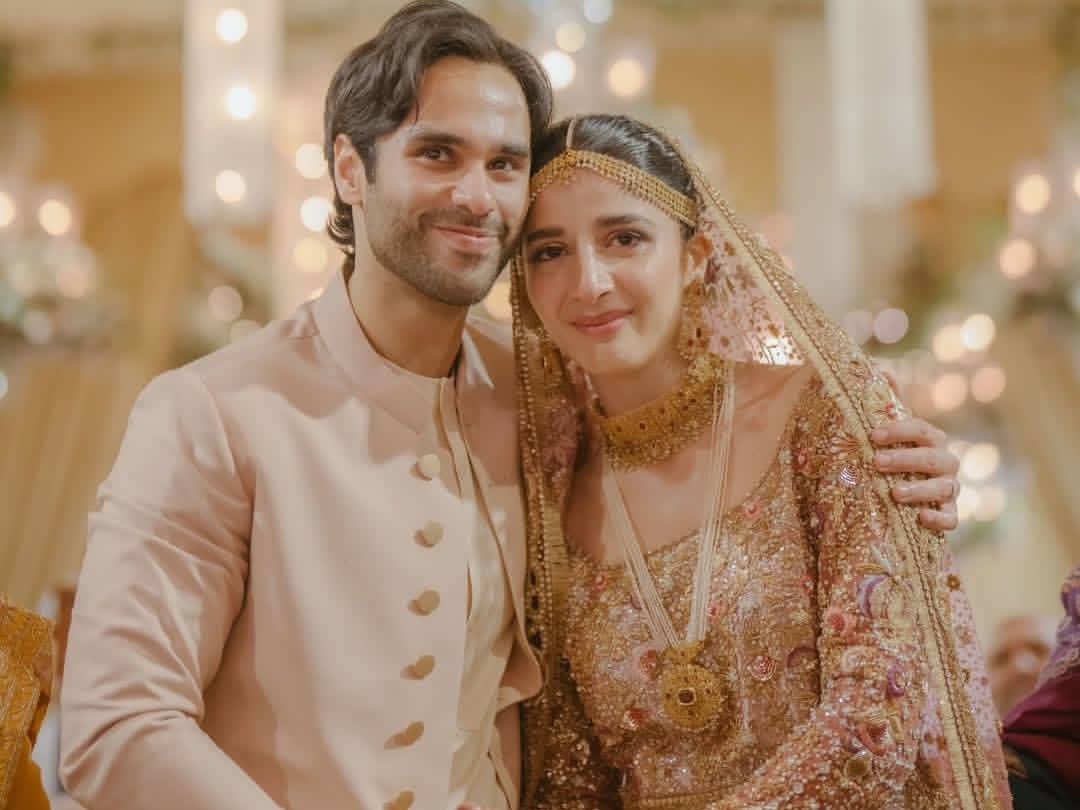
Pakistani actors Mawra Hocane and Ameer Gilani are once again at the centre of social media discussion after their recent anniversary posts sparked fresh speculation that they may be expecting their first child.

The rumours began circulating after the couple shared photos and videos celebrating their first wedding anniversary. Some social media users claimed Mawra appeared to be hiding a baby bump, while others pointed to what they described as a noticeable “pregnancy glow.” However, neither Mawra nor Ameer has confirmed the speculation.

The couple celebrated their anniversary by sharing heartfelt messages dedicated to each other. Mawra expressed her love by describing Ameer as the light of her life and thanked him for a memorable first year of marriage. Ameer also posted a loving tribute, expressing his hope for many more years together.

Mawra also shared an emotional note about the jewellery and wedding dupatta gifted to her by her mother-in-law. She described the family heirlooms as deeply meaningful and said she hoped to preserve them before eventually passing them on to the next generation.

Following the anniversary celebrations, online discussions intensified, with fans closely analysing the couple’s recent public appearances and photographs. The speculation quickly spread across entertainment pages and social media platforms.

Despite the growing rumours, there has been no official confirmation from the couple regarding any pregnancy.

This is not the first time Mawra has faced such speculation. In the past, she publicly dismissed similar claims, making it clear that the rumours were false and asking fans not to believe unverified reports.

Mawra Hocane and Ameer Gilani tied the knot on February 5, 2025, in a private wedding ceremony attended by close family members and friends. The couple later shared wedding photographs on social media, receiving widespread congratulations from fans and fellow celebrities.

Before getting married, the two actors worked together in several popular television dramas, earning praise for their on-screen chemistry and becoming one of Pakistan’s most admired celebrity couples.
Similar Posts

  • | |

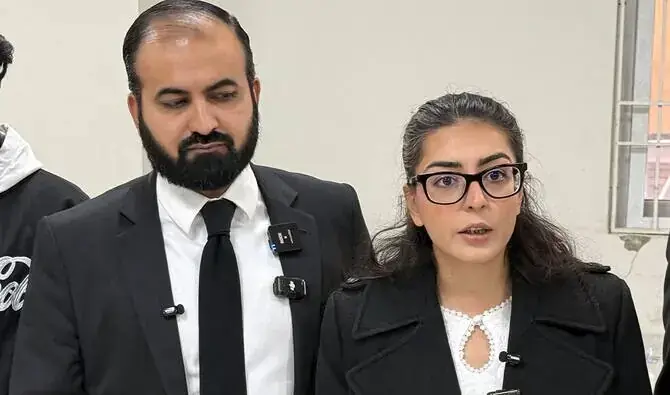
    Islamabad Bar raises alarm over Imaan Mazari’s h…

    ISLAMABAD: The Islamabad Bar Association has expressed concern over the reported deterioration in the health of human rights lawyer Imaan Mazari and her husband, Hadi Ali Chattha, while they remain in custody. The association has urged the chief justices of the Islamabad High Court and the Supreme Court to take immediate notice of their reported medical condition. IBA Acting President Iram Rashid and Secretary Raja Khawar Dhaniyal conveyed the concerns in a letter addressed to the chief justices of both courts. The bar association said Mazari was facing serious health problems in jail and required regular medical care. It also raised concerns about Chattha’s condition and called for appropriate medical attention for him. The IBA stressed that access to timely and adequate healthcare is a fundamental right of every prisoner. It said authorities responsible for detainees must ensure that inmates receive necessary medical treatment and facilities. The association called for urgent attention to the matter, particularly in view of the reported health concerns of the two detainees. The IBA maintained that a person’s detention should not prevent them from receiving essential medical care. It urged the relevant authorities to take appropriate steps to protect their health and wellbeing.

  • | | |

    Israel erupts over reported US-Saudi nuclear deal …

    Israel’s opposition leaders have sharply criticized Prime Minister Benjamin Netanyahu for remaining silent over reports of a proposed civil nuclear agreement between the United States and Saudi Arabia. The reported deal has sparked concerns among Israeli politicians, who argue it could have significant security implications for the Middle East. According to Israeli media, former Defense Minister Avigdor Lieberman described the proposed agreement as a strategic threat to Israel. He argued that civil nuclear programs can eventually pave the way for military nuclear capabilities, pointing to Iran as an example. Lieberman warned that allowing Saudi Arabia to enrich uranium on its own territory would cross a major security red line and could encourage a regional nuclear arms race. Lieberman also expressed concern that nuclear facilities in Saudi Arabia could become potential targets in any future conflict involving Iran. He urged the Israeli government to actively oppose the agreement and lobby members of the US Congress to reject it, even if doing so creates disagreements with US President Donald Trump. Former Israeli Prime Minister Ehud Barak also questioned the reported agreement, noting that it reportedly does not require Saudi Arabia to normalize diplomatic relations with Israel. According to Barak, the absence of such a condition could indicate reduced trust between Netanyahu and the US administration. Meanwhile, Democratic Party leader Yair Golan blamed Netanyahu’s policies for creating conditions that made such an agreement possible. He argued that if Saudi Arabia secures a favorable nuclear cooperation deal, other countries in the Middle East may seek similar agreements with Washington, potentially reshaping the region’s strategic balance. Reports in the Israeli newspaper Haaretz suggest that Israeli officials are particularly concerned about the possibility of Saudi Arabia being allowed to enrich uranium domestically. One Israeli source reportedly said such a provision would not be viewed positively in Israel, even if it were accompanied by future normalization between Saudi Arabia and Israel. The debate follows reports published by The Wall Street Journal, which claimed that President Donald Trump has approved a framework for a civil nuclear cooperation agreement with Saudi Arabia. According to the report, the proposed agreement could run for 30 years and involve investments worth several billion dollars. It would reportedly provide Saudi Arabia with access to civilian nuclear technology for energy production, while discussions continue over whether uranium enrichment would be permitted under the deal. Although negotiations over US-Saudi nuclear cooperation have continued for years, the reported agreement remains closely watched because of its potential impact on regional security, energy cooperation, and future diplomatic relations in the Middle East.

  • |

    Iranian flight plunges, makes emergency Ankara landing

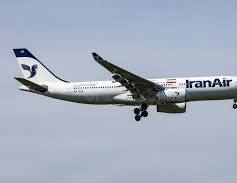
    ANKARA: An Iranian passenger aircraft travelling from Istanbul to Tehran made an emergency landing at Ankara International Airport after reportedly developing a serious technical problem during the flight. According to sources, Iranian Flight 7282 departed from Istanbul at 11:43am Pakistan Standard Time with Tehran as its destination. The flight initially proceeded normally after takeoff. At around noon, the aircraft was reportedly cruising at an altitude of approximately 35,000 feet when a sudden technical malfunction occurred. The aircraft subsequently began losing altitude, prompting the crew to take emergency measures. The pilot formally declared an emergency at approximately 12:13pm. During the emergency descent, the aircraft rapidly lost altitude and reportedly descended to around 10,975 feet. Sources said the aircraft later disappeared from radar at an altitude of approximately 7,815 feet. It reportedly reappeared on radar around five minutes later at an altitude of about 5,150 feet. As the situation developed, the pilot contacted Ankara Air Traffic Control and requested permission to divert the aircraft to Ankara for an emergency landing. The request was granted, and the aircraft landed safely at Ankara International Airport at approximately 12:29pm. Following the landing, security and emergency personnel immediately moved into position around the aircraft. The plane was surrounded as a precaution and subsequently transferred to a designated area of the airport. Sources said the aircraft remained at Ankara Airport following the emergency landing. Its engines were reportedly still running while the aircraft remained under observation. There were no immediate reports of casualties or injuries following the landing. The exact nature of the technical malfunction has not yet been officially disclosed. It is also unclear whether the problem involved the aircraft’s engines, flight-control systems or another critical component. A technical inspection is expected to determine what caused the aircraft to lose altitude so rapidly during the flight. The incident comes as aviation authorities continue to maintain strict emergency procedures for aircraft experiencing technical problems while operating in international airspace.

  • |

    Saudi Arabia introduces major education reforms under new school law

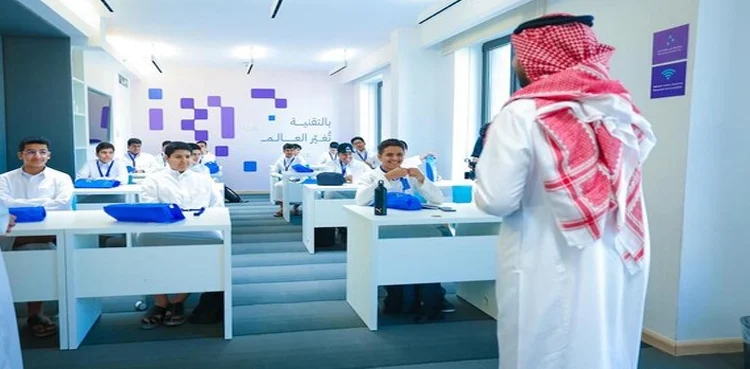
    Saudi Arabia has approved the executive regulations for its new General Education Law, introducing wide ranging reforms that will reshape the country’s education system from nursery through Grade 12. The new legislation creates a comprehensive legal framework for public and private education and is designed to support the goals of Saudi Arabia’s Vision 2030 by improving educational quality, expanding opportunities and strengthening oversight across the sector. One of the most notable changes allows private schools to decide whether boys and girls can study together, while public schools will continue to separate male and female students after the early childhood stage. The move marks a significant shift in education policy for the Kingdom and gives private institutions greater flexibility in organizing their academic programmes. The law also establishes a new General Education Affairs Council that will oversee key education policies. The council will be chaired by the Minister of Education and include representatives from several government ministries, the Education and Training Evaluation Commission and the private sector. Officials say the body will help coordinate education reforms and ensure that policies are aligned with national development goals. Compulsory education will continue for children between the ages of six and 15. The Ministry of Education will have the authority to take legal action against parents or guardians who prevent children from attending school or who contribute to students leaving education before completing the compulsory stage. Officials say the measure is intended to improve school attendance and reduce dropout rates. Arabic will remain the main language of instruction throughout the general education system. However, schools will be allowed to teach in another language when appropriate, giving educational institutions greater flexibility while preserving the country’s cultural and linguistic identity. The legislation also confirms that classroom teaching will remain the primary method of education across all grade levels. At the same time, the Ministry of Education plans to expand digital learning by developing programmes that include live online classes, self paced learning and other flexible educational options. Regulations will also be introduced for lifelong learning certificates to encourage continuous education beyond traditional schooling. Students will have access to more diverse educational pathways under the new framework. The ministry will be able to introduce specialized academic and vocational tracks designed to better prepare students for future careers and meet the changing demands of the labor market. The law places greater emphasis on supporting students with disabilities by requiring schools to provide suitable educational services, assistive technology and assessment methods that match individual learning needs. It also strengthens programmes for gifted students through specialized schools, enrichment centers, improved identification systems, teacher training and partnerships with universities and research institutions. Private schools will face stricter quality standards under the reforms. Educational institutions must obtain accreditation from the Education and Training Evaluation Commission or another internationally recognized accreditation body approved by Saudi authorities. The Ministry of Education will oversee licensing procedures, ownership transfers, school operations and the introduction of international curricula while ensuring that subjects related to national identity remain part of every approved curriculum. The new rules also introduce a clearer process for education licences. Applications must receive a written decision within 30 days, and institutions whose applications are rejected will have the right to appeal. The government says these measures are intended to improve transparency and encourage investment in the education sector. Private and nonprofit education providers will also benefit from a more defined regulatory framework. Under certain conditions, the ministry may provide financial assistance, staffing support or other resources to eligible institutions as part of efforts to expand educational services under Vision 2030. Teachers will have broader professional responsibilities under the new law. They will be expected to follow approved curricula, meet the learning needs of individual students, encourage creativity and innovation, identify gifted learners, uphold national values and participate in continuous professional development programmes. The legislation also introduces stricter disciplinary procedures for teachers, administrators and private schools that violate regulations. Authorities will have the power to temporarily remove staff from duty while investigations are carried out. Serious violations could result in dismissal and permanent disqualification from working in the education sector. Private schools that fail to comply with the law may receive warnings, face financial penalties, lose the right to admit new students or have their operating licences revoked. If a licence is cancelled, the school must ensure that enrolled students are able to complete the academic year without disruption at the owner’s expense.

  • | |

    Iran-US economic pressure war intensifies over Strait of Hormuz

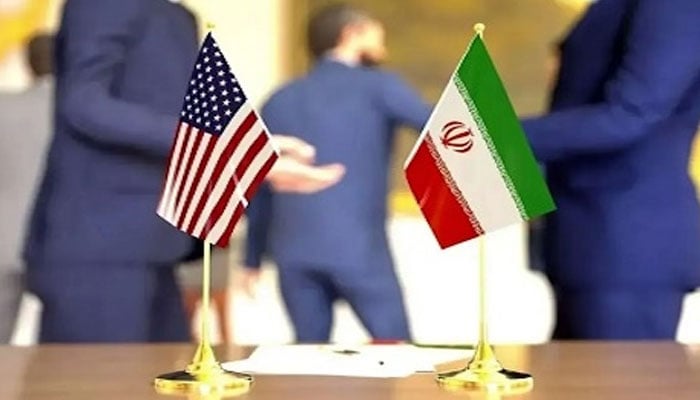
    KARACHI: The economic pressure battle between Iran and the United States is intensifying, with both sides seeking to force the other to back down. The key question now is which side will yield first under mounting economic pressure. According to The Wall Street Journal, the conflict between Iran and the US has expanded beyond the military front and turned into an intense economic confrontation. Both countries are using financial and economic measures in an attempt to gain leverage over the other. The Trump administration has increased sanctions and economic pressure on Iran. Washington has also made lowering global oil prices one of its key objectives in the conflict. US officials are reportedly considering imposing unusually severe financial sanctions on Iran. The measures are aimed at putting greater pressure on Tehran and forcing it to reopen the Strait of Hormuz, a vital route for global oil shipments. Iran, meanwhile, believes that the closure of the Strait of Hormuz and persistently high global oil prices could eventually increase pressure on Washington. Tehran expects the economic impact of higher oil prices to push the US to reconsider or soften its policy towards Iran. The developments have added a major economic dimension to the ongoing confrontation between the two countries. Both Washington and Tehran appear to be relying on economic pressure as a tool to achieve their strategic objectives.

  • | | |

    AJK election first phase concludes, vote counting …

    Polling for the first phase of the Azad Jammu and Kashmir (AJK) Legislative Assembly elections concluded on Monday, with vote counting now underway across 13 constituencies in Mirpur Division. The first phase covered three districts — Mirpur, Kotli and Bhimber. Polling was initially scheduled to end at 5pm but was extended by one hour. Voting continued until 6pm to provide voters with additional time to cast their ballots. More than 1.4 million registered voters were eligible to participate in the first phase. The Election Commission had established 2,454 polling stations across the three districts. Of these, 597 polling stations were set up across four constituencies in Mirpur district. Kotli had 1,107 polling stations across six constituencies, while 608 polling stations were established in three constituencies of Bhimber. A total of 296 candidates, including nominees from the Pakistan Peoples Party (PPP), Pakistan Muslim League-Nawaz (PML-N), Istehkam-e-Pakistan Party and independent candidates, contested the 13 seats. Polling disrupted at some stations Although polling remained largely peaceful, some polling stations reported disruptions. In Kotli’s Aghaar Colony, voting continued at Polling Station 38. However, polling could not begin at Stations 36 and 37 because voters did not arrive. PPP AJK Election Cell in-charge Sardar Abdul Shakoor claimed that disturbances occurred at polling stations 119, 120 and 121 in LA-5 Barnala. He said polling was affected for some time. According to Shakoor, voting resumed after security forces reached the area. However, he said the polling process remained slow. The PPP also established a central election monitoring cell in Islamabad. Senior party leaders, including Sherry Rehman, Nadeem Afzal Chan, Shazia Marri, Sharjeel Memon and Saeed Ghani, monitored developments and remained in contact with election officials, district administrations and party candidates. Former National Assembly speaker Raja Pervez Ashraf expressed concern over alleged irregularities at different polling stations. He called for additional security personnel at sensitive locations, including Gulpur, Thurochi and Muhajir Camp. He urged the Election Commission to immediately and impartially investigate all complaints and ensure free, fair and transparent elections. Political leaders urge voters to participate PML-N candidate Chaudhry Tariq Farooq cast his vote at Polling Station 161 in Bhimber’s LA-7 constituency. Speaking after voting, Farooq said voter turnout was expected to be higher in rural areas than in cities. He also expressed confidence in the security and election arrangements in Bhimber. PPP Chairman Bilawal Bhutto Zardari, accompanied by his sister Aseefa Bhutto Zardari, appealed to voters in Mirpur to participate in the elections. In a video message, Bilawal urged people to leave their homes and exercise their right to vote if they wanted Kashmir’s future to be decided by its people. He also asked voters to support PPP candidates. PPP Karachi Division President Saeed Ghani described the election as a contest between the genuine issues of Kashmiris and what he called false promises. Ghani said Kashmiris needed political rights, ownership rights and employment opportunities. He criticised the focus on providing a limited number of buses, saying development should address wider public needs. PPP leader Nadeem Afzal Chan also raised concerns about alleged federal interference and the use of government resources during the elections. He demanded that the polls remain free, fair and transparent. He also called on the federal government to avoid any involvement that could influence the electoral process. PPP spokesperson Shazia Marri said the people of Kashmir would deliver their verdict through their votes. She said the party’s election symbol, the arrow, represented hope for the people of Mirpur. Police praise peaceful polling AJK police said the first phase of polling remained peaceful across Mirpur Division. A spokesperson for the AJK police chief said voters had rejected calls for unrest and instead chose to exercise their democratic right. Voters began arriving at polling stations soon after voting opened at 8am. AJK Inspector General of Police Liaquat Ali Malik thanked residents for cooperating with law enforcement agencies and helping maintain peace during the election. He warned that no individual, including political workers, would be allowed to take the law into their own hands. Mirpur Commissioner Raja Tahir Mumtaz and DIG Kamran Ali also visited Ward 16/17 in LA-3 to review the polling arrangements. The commissioner said polling had remained peaceful across Mirpur, Kotli and Bhimber. He urged voters to come out without fear and assured them that the administration had made arrangements for a secure environment. Security arrangements strengthened Authorities made extensive security arrangements for the elections. AJK Chief Election Commissioner Justice (retd) Ghulam Mustafa Mughal said legal action would be taken against anyone attempting to disrupt the voting process. AJK Chief Secretary Khushal Khan said state institutions were fully prepared to maintain peace during the elections. He said the people had rejected attempts to create disorder and demonstrated confidence in the democratic process.

Leave a Reply

Your email address will not be published. Required fields are marked *