lahore ranked among
| |

Lahore ranked among the world’s dafest major…


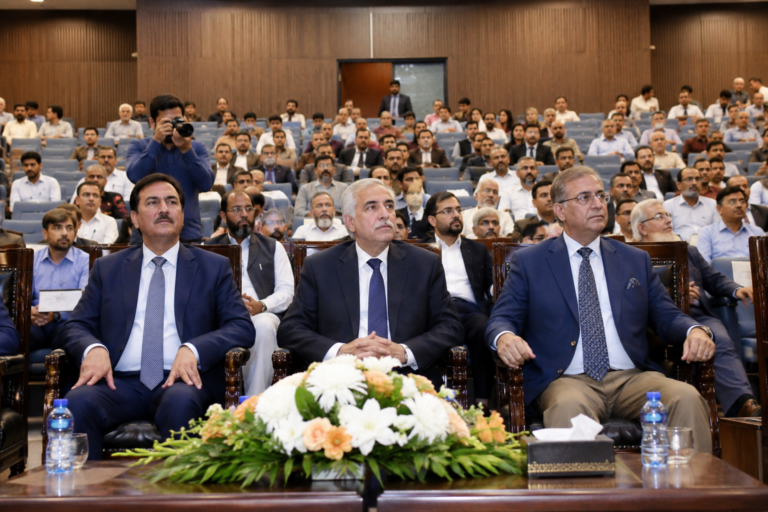
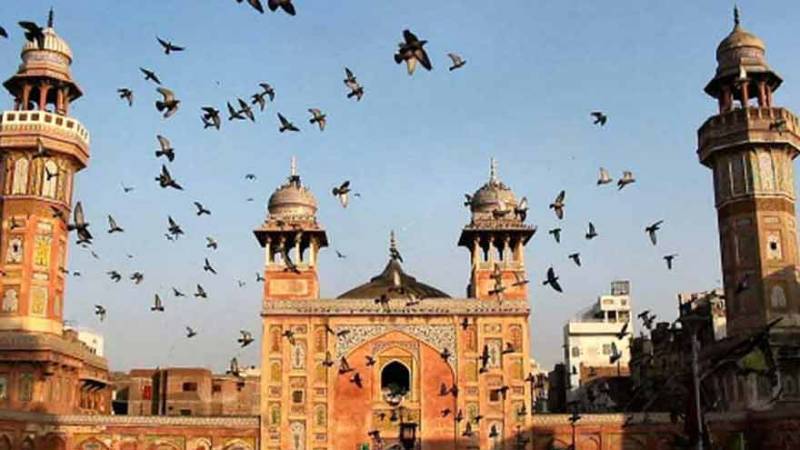
Lahore: Pakistan’s cultural capital has earned international recognition after being ranked among the world’s safest major cities in the 2026 Numbeo Crime and Safety Index. The latest report shows that Lahore recorded one of the lowest crime index scores among several globally recognized metropolitan areas, reflecting continued improvements in public safety and law enforcement.

According to the 2026 rankings, Lahore outperformed a number of major international cities in terms of safety. The city ranked ahead of Karachi, New Delhi, Paris, London, Washington, New York, and Mexico City, highlighting its growing reputation as a comparatively secure urban centre. The results suggest that residents and visitors perceive Lahore as offering a safer environment than many other large cities included in the global survey.

The report also indicates measurable progress over the past year. Lahore’s crime index declined from 36.8 in mid-2025 to 36.2 in mid-2026, while its safety index improved from 63.2 to 63.8during the same period. A lower crime index reflects reduced concerns about criminal activity, while a higher safety index indicates increased public confidence in personal security and the overall law-and-order situation.

The improvement in these indicators demonstrates a positive trend for the city, suggesting that ongoing efforts to enhance public safety have produced encouraging results. Although no major city is completely free of crime, Lahore’s steady progress has strengthened its position among the safer urban centres included in the international rankings.

Deputy Inspector General (Operations) Muhammad Faisal Kamran welcomed the report, saying the improved ranking reflects the Lahore Police’s continued commitment to maintaining peace and protecting citizens. According to the senior police official, the department has implemented a range of security measures designed to reduce crime, improve emergency response, and strengthen law enforcement across the provincial capital.

He noted that increased police patrols, intelligence-based operations, the use of surveillance technology, and closer coordination between law enforcement agencies have all contributed to improving the city’s security environment. Authorities have also focused on enhancing community policing initiatives, encouraging greater cooperation between residents and police to help prevent criminal activities.

Officials believe that these efforts have not only improved public confidence but have also made Lahore a more attractive destination for business, tourism, and investment. A safer urban environment is considered an important factor in promoting economic growth, encouraging commercial activity, and improving the overall quality of life for residents.

The Numbeo Crime and Safety Index is widely referenced for comparing perceptions of crime and safety across cities around the world. The rankings are based on user-contributed data and reflect public perceptions of crime levels, personal safety during the day and at night, concerns about violent and property crimes, and confidence in local law enforcement.

While authorities welcomed the latest ranking, they emphasized that efforts to improve security will continue. Police officials said they remain committed to further reducing crime through modern policing strategies, technological innovation, and stronger public engagement.

Lahore’s improved standing in the 2026 Numbeo Crime and Safety Index represents a significant achievement for the city. The latest figures highlight continued progress in public safety and reinforce Lahore’s growing reputation as one of the safer major cities in the world, while authorities pledge to build on these gains in the years ahead.

Similar Posts

  • | |

    Makkah Defence pact aims at regional security not …

    Turkish Foreign Minister Hakan Fidan has said the recently signed defense agreement between Pakistan, Saudi Arabia and Turkey is designed to strengthen regional cooperation and security rather than target Iran. Speaking in Ankara, Fidan said the agreement follows the principle of collective defense reflected in Article 5 of the North Atlantic Treaty Organization (NATO), under which an attack on one member is treated as an attack on all. He explained that the new framework will include a ministerial committee and a general secretariat modeled partly on NATO’s structure. The secretariat is expected to be based in Saudi Arabia. Fidan also indicated that Egypt could potentially join the arrangement once outstanding technical matters are resolved, suggesting that the emerging security framework could expand beyond the three founding countries. The Turkish foreign minister stressed that the agreement should not be viewed as an alliance directed against any particular country. Instead, he described it as a mechanism intended to promote cooperation, strengthen defense capabilities and contribute to peace and stability across the region. The agreement, signed by Pakistan, Saudi Arabia and Turkey in Makkah, has attracted considerable attention across the Muslim world amid growing regional security concerns. Several Islamic countries and the Organisation of Islamic Cooperation have welcomed the initiative. Turkish President Recep Tayyip Erdogan has also said the agreement could enhance regional security while encouraging greater cooperation in the defense industry. The development marks another step in the long-standing strategic relations among Pakistan, Saudi Arabia and Turkey and could potentially reshape security cooperation in the wider Middle East and South Asian region.

  • | |

    50,000 cusecs surge through Ravi River

    A low-level flood has been recorded in the Ravi River near Kamalia after water levels increased at the Mil Fatyana point. Authorities have stepped up monitoring and emergency preparations as floodwater continues to move downstream. According to the Sub-Divisional Officer (SDO) Irrigation, around 50,000 cusecs of water is flowing through the Mil Fatyana section of the Ravi River. Officials are closely monitoring the river to assess any further rise in water levels and to ensure timely action if conditions worsen. The district administration has established flood relief camps in several vulnerable areas. The camps have been set up in Mil Fatyana, Kot Pathana, Adda Kalaira, Mauza Tara, Haveli Mai Safuran, Kot Karam Shah and Dedi. These facilities are intended to provide temporary shelter, food and emergency assistance to residents if evacuations become necessary. As part of efforts to improve disaster preparedness, Punjab has launched drone-based flood monitoring for the first time. The technology is being used to monitor river conditions, identify vulnerable locations and issue early warnings before floodwaters reach populated areas. Officials believe the system will help improve response times and reduce the impact of flooding. The rising water has already affected nearby agricultural land. Standing crops in Mil Fatyana, Khan Da Chak, Jhalar Sigla, Shahabal Shah, Basti Peepal Wala and Mauza Darsana have been submerged, raising concerns about crop losses and the financial impact on local farmers. The Irrigation Department has urged people living along the river belt to remain alert and cooperate with local authorities. Residents in low-lying areas have been advised to move to safer locations as a precaution against any further increase in water levels. Officials said surveillance of the Ravi River will continue around the clock. Rescue teams and local administration remain on standby to respond quickly if the flood situation intensifies. Authorities have also appealed to the public to follow official advisories and avoid unnecessary movement near the river until conditions become safe.

  • |

    Germany’s delayed lignite review fuels debate over coal exit

    BERLIN: Germany’s decision to postpone an interim assessment of its planned lignite phase-out in North Rhine-Westphalia has raised speculation that some coal-fired power plants could remain available for longer than originally scheduled to protect the country’s electricity supply. The German government had been expected to publish an interim report by August 15 examining the consequences of the planned early shutdown of lignite-fired generation in the country’s largest state. However, the economy ministry has delayed the assessment while it awaits the outcome of tenders for new gas-fired power plants being conducted this year. The development has attracted attention because the report is expected to play an important role in determining whether Germany can maintain electricity security while moving ahead with its ambitious coal-exit strategy. Agreement with RWE Under an agreement reached in 2022 between the German government and energy company RWE, lignite-fired electricity generation in North Rhine-Westphalia is scheduled to end by March 2030. The timetable brought forward the shutdown of several lignite plants by eight years compared with Germany’s broader national coal phase-out target. Lignite, commonly known as brown coal, is among the most carbon-intensive fossil fuels and has long been a major target of Germany’s efforts to reduce greenhouse-gas emissions. The government nevertheless retained the possibility of reassessing the situation by 2026. If the review finds that electricity supplies could be threatened, some RWE facilities could potentially remain available until 2033. Delay raises market expectations The postponement of the interim report has prompted speculation in energy markets that Berlin may eventually use the security provisions included in the agreement. Market expectations have centred on around 3.6 gigawatts (GW) of RWE’s lignite-fired capacity potentially being placed into a so-called security standby arrangement. Under such a mechanism, plants could remain available to operate if the electricity system faces supply shortages, potentially extending their role through the end of 2033. The government, however, has not announced any decision to extend the operating life of the plants. RWE Chief Executive Markus Krebber said on Thursday that the company had not been informed of any change to the agreed 2030 shutdown date. He also indicated that the government had not approached RWE about extending the plants’ operations. Gas power becomes increasingly important The delay comes as Germany seeks to strengthen its electricity system with additional gas-fired generation. Germany has approximately 266 GW of installed electricity-generation capacity, but a substantial portion comes from solar and wind power. While renewable energy has expanded rapidly, both technologies are weather-dependent and cannot independently guarantee continuous electricity production around the clock. That has intensified concerns about how the country will maintain reliable power supplies as coal-fired generation is gradually removed from the system. Gas-fired plants are increasingly being considered as a flexible source of electricity that can support the grid when renewable generation is insufficient. The government’s current tenders for new gas capacity are therefore closely linked to the broader debate over how quickly Germany can retire coal-fired plants without creating supply risks. Security of supply remains a key concern Germany’s energy transition has faced a difficult balancing act between climate objectives and electricity reliability. The country wants to expand renewable generation while reducing its reliance on fossil fuels, but the retirement of conventional power plants removes generation capacity that can be dispatched when required. The issue became particularly sensitive following the country’s decision to phase out nuclear power, leaving policymakers with fewer sources of low-carbon, dispatchable electricity. Supporters of a rapid coal exit argue that expanding renewable generation, electricity storage, grid infrastructure and flexible gas capacity can compensate for the closure of coal plants. Critics maintain that Germany could face periods of tight supply unless sufficient backup generation is available. AfD presses for reversal The issue has also become politically contentious. The far-right Alternative for Germany (AfD), currently the country’s largest opposition party and leading nationwide opinion polls, has strongly opposed Germany’s coal and nuclear phase-out policies. The party has called for a reversal of the energy-exit strategy, arguing that the closure of conventional power stations could increase the risk of electricity shortages and potentially lead to blackouts. The government, meanwhile, faces the challenge of ensuring that its climate commitments do not undermine electricity security.

  • |

    Mohammad Nawaz ruled out of Champions Cup

    Pakistan’s spin-bowling all-rounder Mohammad Nawaz has been ruled out of the National Champions Cup after suffering a fracture to the middle finger of his right hand. The Pakistan Cricket Board (PCB) confirmed the injury on Friday, revealing that Nawaz is expected to remain away from competitive cricket for at least three weeks. Nawaz sustained the injury while fielding during the National Champions Cup match between Pakistan Gold and Pakistan Blues at Multan Cricket Stadium on August 12. Despite hurting his finger, the experienced all-rounder remarkably completed his full 10-over spell. His efforts, however, could not prevent Pakistan Gold from suffering a six-wicket defeat against Pakistan Blues. Medical scans conducted on August 13 confirmed the fracture, forcing Nawaz to withdraw from the ongoing domestic competition. The setback comes at an inconvenient time for the left-arm spinner, who has remained an important part of Pakistan’s experienced white-ball setup. According to the PCB, Nawaz will report to the board’s Sports and Exercise Medicine Department after two weeks. He will then undergo rehabilitation under medical supervision, with his recovery closely monitored before a decision is made regarding his return to competitive cricket. The medical team will assess his progress throughout the rehabilitation process, while the priority will be ensuring that the finger has recovered sufficiently before he resumes full cricketing activities. Nawaz’s absence is a blow to his team’s campaign in the Champions Cup, where the tournament provides Pakistan’s established players and emerging talent with valuable competitive exposure. For Nawaz, the immediate focus will now shift from domestic cricket to recovery. The three-week initial timeline could change depending on how he responds to treatment and rehabilitation. The PCB is expected to provide further updates on his fitness as he progresses through the recovery programme.

  • |

    Dar-e-Nijat takes shocking turn over Zariab-Zamil relationship

    Dar-e-Nijat, the new Pakistani prime-time drama airing on ARY Digital, has taken an unexpected turn after a recent episode left viewers questioning the nature of Zariab and Zamil’s relationship. Written by Umera Ahmed and directed by Saqib Khan, the drama explores themes of spirituality, personal beliefs, ambition, and the challenges faced by a young woman as she navigates her life and values. Four episodes of the drama have aired so far, with the latest installment generating considerable discussion among viewers. The episode featured a surprising sequence involving Zariab, who went to the house of her friend Zamil after the baraat ceremony. The story then shifted to the following morning, when Zariab’s grandmother questioned her about where she had been. Zariab remained silent, while the way the scene unfolded appeared to suggest that something significant had happened between her and Zamil. The visual details of the sequence added to the speculation. Zariab was shown washing her face and hands, while Zamil was notably absent. His remorseful message further strengthened the impression that the two had crossed a physical boundary. The scene was deliberately presented without directly showing what had happened, leaving viewers to interpret the events through the characters’ actions and reactions. The ambiguity prompted fans to approach writer Umera Ahmed for clarification. One viewer on X asked Ahmed whether the scene was intended to indicate that Zariab and Zamil had become physically involved. The fan specifically referred to the way Zariab returned home late after the baraat scene, as well as her actions afterward and Dadda’s statement about modesty and honour. Umera Ahmed responded with a brief confirmation, effectively putting an end to the speculation surrounding the scene. The revelation has since sparked a strong reaction among Dar-e-Nijat viewers. Many fans said they had already understood the implication from Zariab’s behaviour and the subtle clues placed throughout the sequence. Rather than directly portraying the incident, the drama relied on expressions, dialogue, silence, and character reactions to communicate what had happened. Some viewers also interpreted Zamil’s actions as an attempt to establish his importance in Zariab’s life and prove that he believed he had a greater claim over her than anyone else. This interpretation has added another layer to the discussion surrounding the characters and their motivations. At the same time, several viewers praised the drama for addressing such a sensitive subject without relying on graphic or overly explicit scenes. They argued that topics involving relationships, intimacy, guilt, and moral boundaries can be more impactful when handled through suggestion rather than direct depiction. The development has undoubtedly changed the direction of Dar-e-Nijat and raised questions about how Zariab will deal with the consequences of her choices. With the drama focusing heavily on spirituality and personal accountability, viewers are now waiting to see how the storyline explores guilt, relationships, faith, and the repercussions of the events between Zariab and Zamil.

  • | | |

    Inside the ‘House of Secrets’: How Britain sec…

    A newly opened museum in North London is shedding light on one of Britain’s most remarkable intelligence operations of the Second World War. Known as the Trent Park House of Secrets, the site reveals how British intelligence secretly monitored conversations between captured German generals and senior military officers, gathering information that proved invaluable to the Allied war effort. Located in Enfield, North London, Trent Park was originally a luxurious country estate owned by British politician Philip Sassoon during the 1920s and 1930s. The mansion was famous for hosting lavish gatherings attended by influential figures, including politicians, artists, writers, and members of the British royal family. Guests reportedly included Winston Churchill, Charlie Chaplin, and Wallis Simpson. However, the estate took on a dramatically different role after the outbreak of World War II. British authorities transformed the elegant residence into a highly secret intelligence facility where captured German military leaders were housed under comfortable conditions. The relaxed atmosphere encouraged prisoners to speak freely, unaware that nearly every conversation was being secretly monitored. Hidden listening devices were installed throughout the mansion, while intelligence officers worked from concealed rooms in the basement, recording and analyzing discussions between German officers. The operation enabled Britain to collect valuable military intelligence without relying on interrogation or coercion. Historians believe the conversations captured at Trent Park provided critical insights into German military strategy, battlefield developments, and even the internal thinking of senior Nazi commanders. Some recorded discussions also revealed information about war crimes and the treatment of prisoners, offering important historical evidence after the war. The foundation responsible for restoring the estate says Trent Park deserves recognition alongside Bletchley Park, Britain’s famous codebreaking center, because both sites played crucial roles in Allied intelligence operations. While Bletchley Park focused on decrypting enemy communications, Trent Park relied on covert surveillance and psychological techniques to obtain sensitive information directly from high-ranking prisoners. The newly opened museum allows visitors to explore restored rooms, historical exhibits, and the basement areas where surveillance equipment was once operated. Through interactive displays and archival material, guests can learn how one seemingly peaceful country house became the center of a sophisticated intelligence mission that remained largely unknown for decades. Today, the Trent Park House of Secrets stands as a powerful reminder of the creativity and innovation behind Britain’s wartime intelligence network. By preserving this remarkable chapter of history, the museum offers visitors a unique opportunity to understand how hidden conversations inside one mansion helped shape the outcome of World War II.

Leave a Reply

Your email address will not be published. Required fields are marked *