muzaffargarh canal accident
| |

Muzaffargarh canal accident: Last missing victim?…

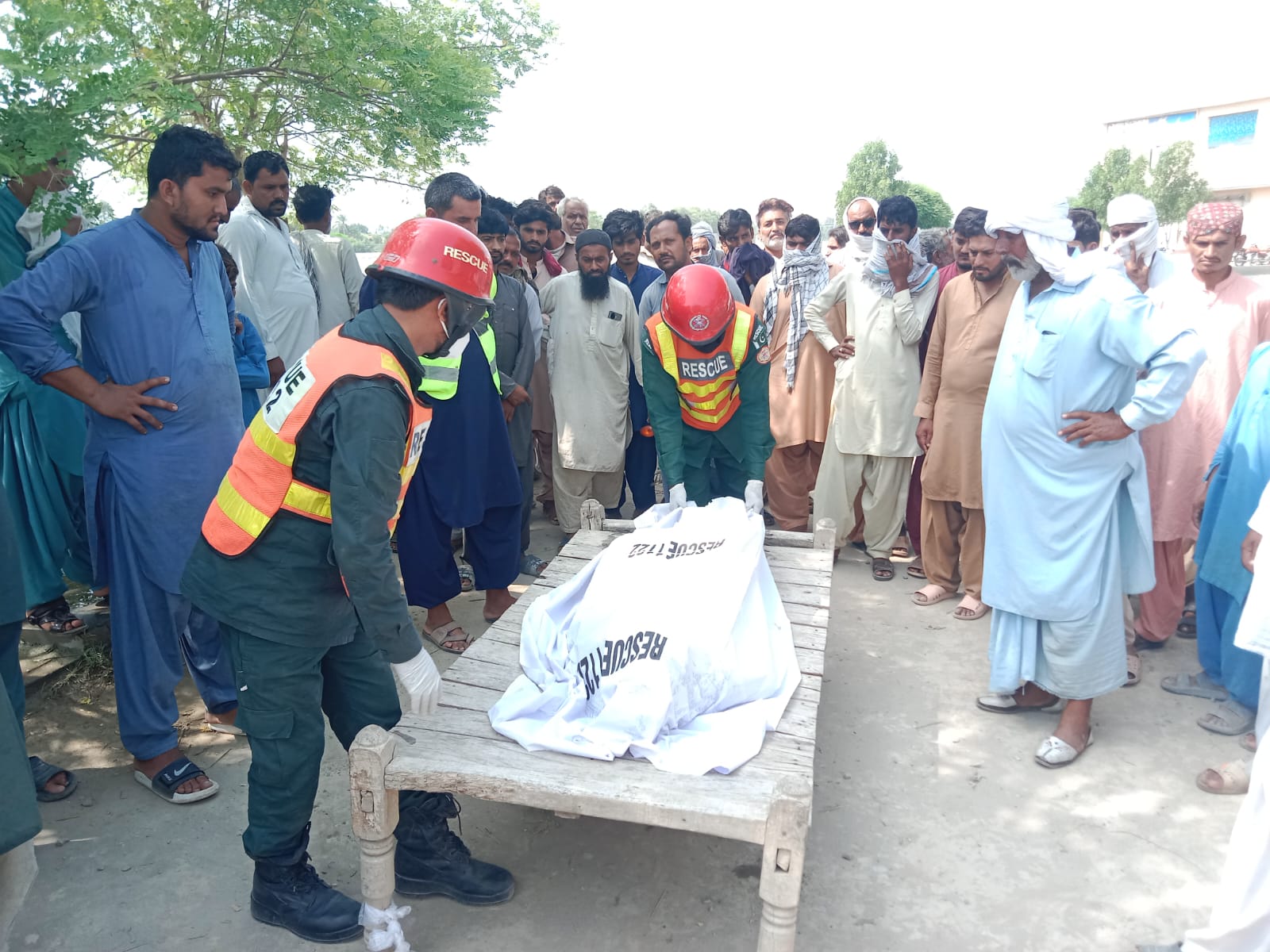
KOT ADDU: The body of the last person missing after the tragic Muzaffargarh Canal accident has been recovered near Head Kallo, bringing the search and rescue operation to an end.

The body was recovered during a continued search operation launched to locate people who went missing following the accident. Rescue teams had been conducting searches at different points along the canal, including Head Kallo, day and night.

According to officials, water was released into the canal following a request from the families of the victims. Due to the flow of water, the missing person’s body surfaced near Head Kallo. Rescue personnel deployed at the location immediately responded and recovered the body.

The search operation continued despite the release of water into the canal. Teams from the district administration, Rescue 1122 and other relevant departments remained engaged in the operation under the direction of Kot Addu Deputy Commissioner Bilal Saleem and the supervision of Assistant Commissioner Kot Addu Farrukh Mahmood.

Rescue teams were deployed at multiple locations along the canal. They maintained continuous surveillance and carried out searches in different sections to locate all missing persons.

With the recovery of the latest body, officials said that all people reported missing in connection with the Muzaffargarh Canal accident have now been found.

The rescue teams are completing the necessary procedures following the recovery. The body will be handed over to the relevant authorities for identification and other legal formalities.

The district administration and rescue teams used all available resources throughout the operation. Officials also provided possible assistance and cooperation to the affected families during the search.

The recovery of the last missing victim marks the completion of the search for those reported missing after the tragic canal accident.

Similar Posts

  • |

    Heavy snow halts Spantik mission to recover Dr Asma

    GILGIT: A rescue mission to recover the body of Pakistani climber Dr Asma Mushtaq from Spantik Peak was halted on Sunday as heavy snowfall made the treacherous mountain too dangerous for the recovery team. Dr Asma Mushtaq, 34, died on Thursday while descending from the 7,027-metre Spantik, also known as Golden Peak, in Gilgit-Baltistan’s Shigar district. She reportedly suffered from high-altitude sickness after reaching the summit. Her body remains at an altitude of around 6,400 metres near Camp 3. According to the Alpine Club of Pakistan (ACP), a recovery team that left on Saturday reached Camp 2 but was forced to suspend the operation because of worsening weather. The team was advised to return to base camp and wait for a safer weather window. Efforts are also under way to obtain approval for a humanitarian helicopter mission with the support of the Pakistan Army. However, officials said helicopters cannot operate at altitudes above 6,000 metres to retrieve the body. The body must therefore first be brought down by a ground rescue team. ACP General Secretary Ayaz Shigri said a six-member local team was working to transport Dr Asma Mushtaq’s body to base camp, from where an army helicopter could potentially airlift it to Skardu. The recovery operation has also raised questions about the responsibilities of the expedition operator. Baltistan Division Commissioner Kamal Khan said the tour operator had violated mountaineering regulations by failing to arrange the required recovery team and helicopter arrangements. He said operators are responsible for arranging ground rescue and helicopter insurance when required. The official also alleged that mandatory briefing and debriefing procedures under the Mountaineering Rules 1999 had not been followed. However, Mr Khan rejected suggestions that negligence had caused the delay, saying local authorities arranged a recovery team soon after the incident on humanitarian grounds. The ACP stressed that it is Pakistan’s national federation for mountaineering and sport climbing, rather than a dedicated rescue organisation. It said Pakistan still lacks a properly established high-altitude rescue system and called for stronger mountaineering infrastructure. Dr Asma Mushtaq, originally from Lahore, was a UK-based obstetrics and gynaecology doctor and an avid traveller, vlogger and mountaineer. She had documented several expeditions online and had completed the winter ascent of Musa ka Musallah. Meanwhile, bad weather has also halted the recovery of US climber Sarah Mallory Geis from Broad Peak. Her body was recovered by three local porters after she went missing in a deadly avalanche on July 30. It remains at Broad Peak base camp awaiting an army helicopter flight to Skardu. The incidents have once again highlighted the extreme dangers of high-altitude mountaineering — and the urgent need for a reliable rescue system in Pakistan’s towering Karakoram.

  • |

    Pakistan posts Rs3.6tr primary surplus as fiscal position improves in FY2025-26

    ISLAMABAD: Pakistan closed the financial year 2025-26 with a primary budget surplus of around Rs3.6 trillion, marking the third consecutive year of a surplus and allowing the country to comfortably meet a key fiscal condition agreed with the International Monetary Fund (IMF). The improvement came despite the government falling short of its tax collection targets, with stronger petroleum levy receipts, tighter expenditure controls and lower-than-expected debt servicing costs helping offset the revenue shortfall. According to the latest fiscal operations data released by the Ministry of Finance, the unadjusted primary surplus reached Rs3.63 trillion, equivalent to 2.6% of the country’s gross domestic product (GDP). The figure was approximately Rs464 billion higher than the IMF’s target of Rs3.16 trillion. The primary balance is considered an important indicator under Pakistan’s IMF programme because it measures the government’s fiscal position before interest payments on public debt. The latest figures indicate that the government maintained fiscal discipline despite continued pressure on revenues and expenditure. Overall fiscal deficit below target Pakistan’s overall budget deficit, after accounting for provincial cash surpluses, stood at approximately Rs3.3 trillion during FY2025-26. This was around Rs1.7 trillion lower than the amount initially projected in the federal budget. The federal government’s own deficit was recorded at Rs4.8 trillion, also significantly below the budgeted level. The better-than-expected outcome was primarily attributed to lower interest payments, stronger petroleum levy receipts and restrained development expenditure. Interest payments were around Rs1.3 trillion below the amount originally allocated in the budget. The government also collected approximately Rs101 billion more than its petroleum levy target, while federal development spending remained Rs82 billion below the initially approved allocation. The fiscal improvement also contributed to a moderation in the growth of public debt. Public debt increased by around 7% during the year, bringing some relief after several years of double-digit debt expansion. Provinces narrowly miss IMF cash surplus target The four provincial governments collectively generated a cash surplus of around Rs1.45 trillion during the fiscal year. Although the amount fell marginally short of the IMF’s combined requirement, the shortfall was only around Rs14 billion. Punjab contributed the largest share, recording a cash surplus of approximately Rs914 billion. Sindh posted a surplus of around Rs350 billion, followed by Khyber-Pakhtunkhwa with Rs165 billion and Balochistan with approximately Rs21 billion. Provincial governments, meanwhile, performed slightly better on revenue collection. Their combined tax receipts exceeded the IMF condition by around Rs18 billion, with collections crossing Rs1.2 trillion. FBR misses tax target Despite the overall improvement in the fiscal position, tax collection remained a major area of concern. The Federal Board of Revenue collected approximately Rs13 trillion during FY2025-26, falling nearly Rs1 trillion short of the IMF’s revised target. FBR tax receipts increased by about 11% compared with the previous year. However, this increase was broadly in line with nominal GDP growth, indicating that the tax-to-GDP ratio remained largely unchanged at around 10.3%. The figures suggest that additional revenue expected from new taxation and enforcement measures did not fully materialise. The government had anticipated around Rs700 billion in additional revenue from such measures. Non-tax revenue also remained below expectations by approximately Rs63 billion. Total non-tax receipts stood close to Rs5.1 trillion, including around Rs2.4 trillion in profits transferred by the central bank. Petroleum levy becomes key revenue source A major contributor to the stronger fiscal outcome was the petroleum levy. Collections under the petroleum levy climbed to around Rs1.567 trillion, representing an increase of approximately 28% over the previous year. The amount was also Rs101 billion above the target agreed with the IMF. The additional collection effectively represented roughly 25 days of petroleum price relief at a levy rate of Rs80 per litre on petrol and high-speed diesel. For the current financial year, the government has committed to collecting approximately Rs1.7 trillion through the petroleum levy. Meeting this objective is expected to require maintaining the levy at around Rs80 per litre, subject to the applicable petroleum pricing mechanism and market conditions. Development spending remains restrained The government’s fiscal consolidation strategy also affected development expenditure. Federal development spending was recorded at around Rs918 billion, approximately Rs82 billion below the originally approved budget allocation. However, the amount was still around Rs100 billion higher than the subsequently revised allocation. The figures reflect the government’s efforts to contain expenditure and prioritise fiscal targets amid pressure from debt servicing and revenue mobilisation. Debt servicing costs fall Lower-than-expected debt servicing provided another significant boost to the government’s fiscal position. The Ministry of Finance reported that debt servicing remained around Rs6.95 trillion during the year, compared with the budgeted amount of approximately Rs8.2 trillion. The government attributed the savings to tight fiscal management, improved cash handling and the early retirement of around Rs1.9 trillion in domestic debt. These measures helped reduce domestic debt servicing costs by nearly Rs1.97 trillion compared with the original estimates. Statistical discrepancy highlighted The fiscal operations report also identified a statistical discrepancy of around Rs853 billion across the federal and provincial accounts. According to the Ministry of Finance, the discrepancy was linked largely to changes in cash balances and differences in the recording and reporting of financial data. The negative discrepancy indicated that cash inflows were higher than recorded outflows. At the federal level, the discrepancy stood at approximately Rs448 billion. The ministry attributed the difference mainly to changes in commercial bank deposits as well as variations in reporting and accounting adjustments involving the State Bank of Pakistan, FBR and Economic Affairs Division. Provincial accounts showed a combined statistical discrepancy of approximately Rs405 billion. Punjab accounted for around Rs266 billion, Khyber-Pakhtunkhwa Rs95 billion, Balochistan Rs72 billion and Sindh around Rs28 billion. The ministry said movements in commercial bank deposits were among the principal factors behind the provincial differences. IMF review ahead The improved fiscal performance is expected to strengthen Pakistan’s position ahead of the next IMF assessment. An IMF mission is expected to visit Islamabad in the third week of September to review Pakistan’s economic performance during the previous fiscal year. The mission is also expected to

  • | | |

    Punjab fixes wheat release price at Rs3,800 per ma…

    The Punjab government has fixed the new wheat release price at Rs3,800 per maund following approval from the provincial cabinet. According to a spokesperson for the Punjab Food Safety and Consumer Protection Department, a formal notification has been issued to implement the decision. The spokesperson said the federal government has directed Punjab to immediately procure wheat from the Pakistan Agricultural Storage and Services Corporation (PASSCO). The province has been approved to receive 300,000 metric tons of wheat under the arrangement. The department has already received 200,000 metric tons of wheat, while PASSCO has set its wheat price at Rs4,150 per maund. Officials said the move aims to ensure an uninterrupted supply of wheat and flour across the province while maintaining price stability in the market. The Punjab government also reiterated its commitment to ensuring that bread (roti) remains available to the public at Rs15 per piece. According to the spokesperson, Punjab had requested 800,000 metric tons of wheat, but only 533,440 metric tons have been allocated. Meanwhile, the Ministry of National Food Security has instructed the Punjab government to promptly submit its wheat procurement schedule along with the required advance payment to complete the purchase process.

  • |

    Iran sent IRGC commanders to aid Houthis: report

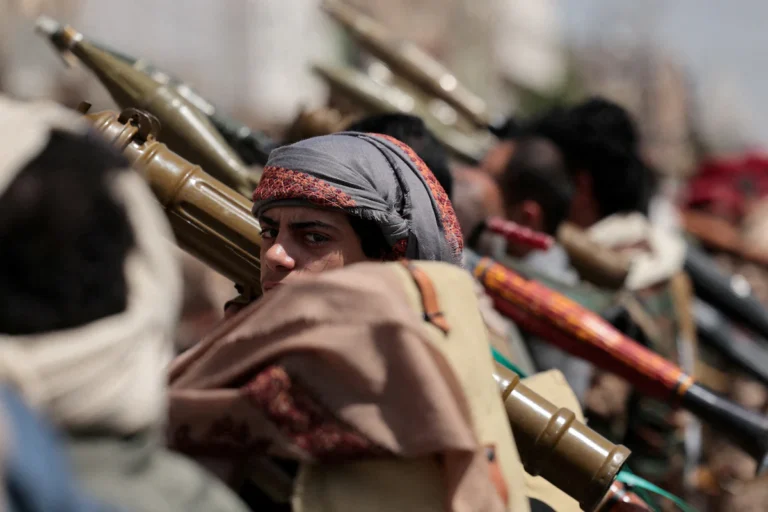
    Iran is alleged to have flown senior Islamic Revolutionary Guard Corps (IRGC) commanders, military advisers and missile- and drone-related equipment to Yemen earlier this month in a move that could significantly strengthen the military capabilities of the Houthi movement, according to multiple sources familiar with the matter. The reported transfer is believed to have taken place on July 13 aboard a Mahan Air flight that departed from Tehran. Sources said the aircraft was originally scheduled to land in the Houthi-controlled capital, Sanaa, but was forced to divert to the Red Sea port city of Hodeidah after military activity disrupted operations at Sanaa International Airport. According to the sources, between 10 and 21 IRGC personnel, including senior commanders, were on board the aircraft. They claimed the mission included military advisers tasked with providing operational support and training on advanced missile systems. The flight was also reportedly carrying missile components, drone-related equipment and gold, which the sources alleged was intended to finance Houthi military operations. The reported shipment has raised fresh concerns that Tehran may be expanding its military support for the group amid growing regional tensions. Officials from Yemen’s internationally recognised government said intelligence indicated that Iranian military experts had arrived to strengthen Houthi capabilities. They claimed the advisers were expected to improve the group’s ability to launch attacks against international shipping in the Red Sea and the strategic Bab al-Mandab Strait, one of the world’s busiest maritime trade routes. Regional security analysts also supported the claims, saying the shipment allegedly included components for short- and medium-range missiles as well as drone systems similar to those previously used in attacks across the Gulf region. The reported deployment came only days before the Houthis announced a naval blockade targeting Saudi Arabia. The group later claimed responsibility for attacks on Saudi oil tankers operating in the Red Sea, further escalating tensions and increasing fears over global energy supplies and maritime security. Despite the allegations, both Iran and the Houthi movement strongly denied the reports. A Houthi media official who said he was among the passengers on the flight insisted that everyone on board was a civilian and rejected claims that military personnel or weapons had been transported. Iran has also repeatedly denied supplying advanced weapons to the Houthis or directing their military operations. Iranian officials maintain that the Yemeni group independently develops its own military capabilities and makes its own operational decisions. According to Iranian officials, the July 13 flight was organised to return a Houthi delegation and Yemeni civilians who had travelled to Tehran earlier in the month. They said the passengers included people who had attended a funeral ceremony as well as Yemenis who had received medical treatment in Iran. The allegations have emerged at a time of heightened confrontation across the Middle East, where attacks involving the United States, Iran, Israel and Iran-backed groups have intensified. Growing instability has already disrupted commercial shipping through the Strait of Hormuz and the Red Sea, contributing to rising oil prices and increasing uncertainty in global financial markets.

  • | | |

    FIFA World Cup visitors in Canada file 175 Asylum …

    Around 175 foreign nationals who traveled to Canada to attend FIFA World Cup matches have filed applications for political asylum, according to immigration authorities. Canada hosted several FIFA World Cup matches in the cities of Toronto and Vancouver, for which the country issued thousands of temporary visas to international visitors. Many fans from different countries applied for tourist visas to watch the tournament, although a significant number of applications were rejected. After arriving in Canada, 175 visitors submitted asylum claims that will now be reviewed under the country’s refugee protection laws. Immigration officials have not disclosed how many of those seeking asylum were athletes or members of sports delegations. According to available information, 25 individuals from Ghana have filed asylum applications, while 15 applicants each from Egypt and Colombia have also requested protection in Canada. Officials have indicated that the number of applications could increase further. Canadian authorities had previously warned foreign visitors that obtaining a visa for FIFA World Cup travel does not provide a pathway to remain in the country beyond the permitted period or automatically qualify them for asylum. The asylum claims will undergo a legal assessment, during which Canadian immigration authorities will determine whether applicants meet the requirements for refugee protection under the country’s immigration system. The development has drawn attention as Canada continues to manage increased international travel and immigration applications linked to major global events.

  • | |

    Faizabad Mayor killed in car bomb attack in Afghan…

    FAIZABAD: The mayor of Afghanistan’s northern city of Faizabad, Habib-ur-Rehman, was killed in a bomb explosion targeting his vehicle, according to Afghan officials and international media reports. The blast occurred after a magnetic explosive device was reportedly attached to the mayor’s car. One of his colleagues was also injured in the explosion and was taken to a hospital for treatment. An official in Badakhshan province confirmed the death to the BBC, saying Habib-ur-Rehman was killed in the attack while his colleague sustained injuries. The anti-Taliban National Resistance Front has claimed responsibility for the bombing, saying it carried out the attack against the Faizabad mayor. The National Resistance Front is an armed opposition group that has been fighting against Taliban rule in Afghanistan. The group has previously claimed attacks against Taliban officials and security personnel in several parts of the country. The bombing highlights continuing security challenges in Afghanistan, where armed opposition groups remain active despite the Taliban’s efforts to consolidate control across the country. Authorities have not yet provided further details about the circumstances of the attack or identified whether additional suspects have been detained in connection with the bombing.

Leave a Reply

Your email address will not be published. Required fields are marked *