Naqvi’s Iran visit focused on ties, regional pea…
ISLAMABAD: The Foreign Office on Wednesday said Interior Minister Mohsin Naqvi’s ongoing visit to Iran is focused on strengthening bilateral relations, discussing security matters and supporting efforts for peace and stability in the region.
Foreign Office spokesperson Tahir Andrabi said during his weekly briefing that Naqvi, who reached Tehran on Tuesday, was meeting senior Iranian officials as part of Pakistan’s diplomatic engagement.
The spokesperson said the visit provides an opportunity for Pakistan and Iran to discuss bilateral relations, security concerns and developments in the region. He added that particular attention was being given to promoting peace, stability and constructive dialogue among regional parties.
Naqvi was received in Tehran by Iranian Interior Minister Eskandar Momeni. He subsequently met Iranian Foreign Minister Abbas Araghchi and President Masoud Pezeshkian, according to Iranian media reports.
Pakistan’s broader mediation efforts between Iran and the United States also featured prominently in the briefing. Andrabi said Islamabad remains engaged with other friendly countries to help address tensions and create conditions for dialogue.
He said Pakistan was making efforts to bring the two sides to the negotiating table and build on the Islamabad Memorandum of Understanding. According to the spokesperson, Islamabad wants diplomatic engagement to help reduce tensions and contribute to regional stability.
Andrabi also said Pakistan would continue using both direct and indirect diplomatic channels to deal with obstacles to dialogue and encourage a constructive process for resolving outstanding issues.
Pakistan, Saudi Arabia and Türkiye defence pact
The Foreign Office spokesperson also highlighted the recently signed defence agreement between Pakistan, Saudi Arabia and Türkiye.
The pact was signed in Makkah last Friday and seeks to strengthen cooperation and collective deterrence among the three countries. Under the agreement, an attack against one member is to be treated as an attack against all signatories.
Andrabi described the agreement as defensive in character and said it reflected the three countries’ longstanding ties and shared responsibility for regional security.
He stressed that the pact was not directed against any particular country. Instead, he said, it provides a framework for coordinated efforts to address security threats and challenges facing the member states.
Pakistan rejects India’s AJK remarks
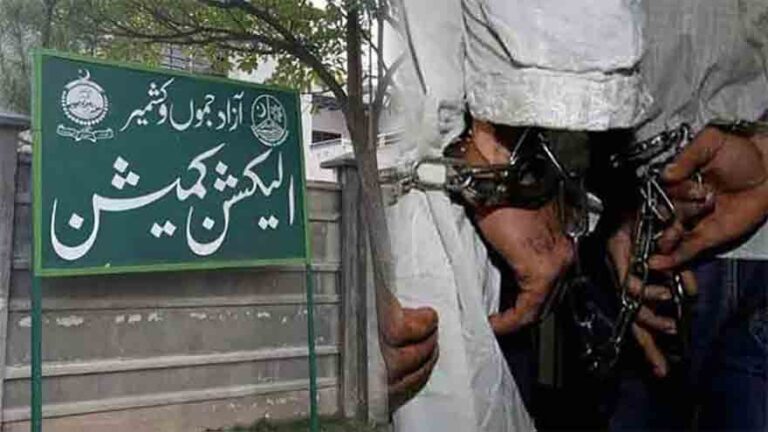
The Foreign Office also rejected recent comments by India’s Ministry of External Affairs concerning alleged human rights violations in Azad Jammu and Kashmir.
Andrabi termed India’s remarks baseless and questioned New Delhi’s criticism by pointing to what Pakistan describes as a record of repression in Indian-administered Jammu and Kashmir.
He alleged that excessive use of force, arbitrary detentions, restrictions on political activity and extensive security powers continued to raise serious human rights concerns there.
The spokesperson said India’s attempts to politicise developments in AJK could not divert attention from the situation in Indian-administered Jammu and Kashmir.
He reaffirmed Pakistan’s stated commitment to protecting fundamental rights and democratic freedoms in AJK.