nation celebrates 79th
| | | |

Nation celebrates 79th Independence Day with grand…

Pakistan is celebrating its 79th Independence Day today with national spirit and enthusiasm.

The celebrations began across the country at midnight. People came out of their homes to mark the occasion. Streets, markets and neighbourhoods were decorated with the national flag.

Green and white lights illuminated many cities. Buildings and public places were also decorated for the national day.

Fireworks were held in several major cities. Citizens gathered at different locations to enjoy the celebrations.

Karachi, Lahore, Islamabad, Peshawar, Quetta and Multan witnessed large gatherings. Many people carried national flags and wore green and white clothes.

Rallies were also organised in different parts of the country. Citizens took part in patriotic events and expressed their love for Pakistan.

In Lahore, a spectacular fireworks display was held at Greater Iqbal Park. A large number of people gathered at the park to celebrate Independence Day.

Another major fireworks display was organised at Liberty Chowk. Families and young people attended the event in large numbers.

Hyderabad also witnessed fireworks soon after midnight. Residents came out onto the streets to celebrate the national occasion.

Multan joined the celebrations with a fireworks display at Ghanta Ghar Chowk. The district administration organised the event. A large crowd gathered at the historic location.

The official celebrations continued after midnight. Special prayers were offered during Fajr prayers across the country.

Prayers were made for Pakistan’s development and prosperity. People also prayed for national unity and peace. Special prayers were offered for the country’s security and stability.

In Lahore, the day began with a 21-gun salute. The salute was held to mark the beginning of Independence Day.

A similar 21-gun salute was held at the cantonment in Quetta. Mosques across the city also held special prayers for the country’s safety and security.

The national day is being marked with ceremonies and patriotic activities across Pakistan.

Government institutions, security forces and citizens are participating in different events. The celebrations highlight national unity and patriotism.

People are also using the occasion to remember the sacrifices made for the creation of Pakistan.

Similar Posts

  • | |

    Imran Ashraf breaks silence on AI death hoax

    Pakistani actor Imran Ashraf has reassured his fans that he is alive and in good health after fake, AI-generated videos claiming that he had died began circulating on social media. Ashraf addressed the rumours through an Instagram story, making it clear that reports of his death were completely false. He said he was “absolutely fine” and remained alive, while also asking his followers to remember him in their prayers. The clarification came after several manipulated videos appeared online showing seemingly authentic clips of journalists and celebrities announcing that the actor had died. The fabricated reports reportedly claimed that Ashraf had suffered a heart attack. One TikTok account shared multiple AI-generated videos featuring digitally recreated versions of well-known personalities, including actor Bilal Abbas, former cricketer Shahid Afridi and journalist Mansoor Ali Khan. Another fabricated video even appeared to depict a funeral for the popular television host and actor. The incident has once again highlighted the growing problem of artificial intelligence being used to create convincing but completely false celebrity news. Such videos can quickly spread across social media before users have an opportunity to verify their authenticity. Ashraf is also not the first Pakistani celebrity to become the target of false death reports. Singer Tahira Syed faced a similar situation in June when rumours of her death circulated online. She later posted a video confirming that she was alive and well and urged people to verify information before sharing it. Actor Tauseeq Haider also became the subject of AI-generated misinformation when fabricated images circulated claiming that he had married actor Farah Saadia. The two actors jointly rejected the claim and humorously said they were still happily single, while asking the creators to send them wedding gifts if they were going to continue the story. The spread of such fabricated content has raised concerns about the misuse of AI tools to imitate real people and create misleading narratives. With digitally generated videos becoming increasingly realistic, celebrities and public figures are facing greater difficulty in controlling false information about themselves.

  • |

    Meta hit with record $567m child safety fine

    A US judge in New Mexico has ordered Meta to pay $567 million over allegations that its social media platforms failed to adequately protect children from harmful content and online risks. The ruling is the largest penalty Meta has faced in a child safety case. It brings the total amount the company has been ordered to pay in the New Mexico case to $942 million, including an earlier $375 million penalty. Judge Bryan Biedscheid ruled that Meta’s platforms had created harms serious enough to be considered a “public nuisance”. He compared the company’s operations to a factory, saying harmful effects on children spread beyond the platforms and affect families, schools, healthcare providers and law enforcement. The judge ordered the money to be placed in a fund designed to address the impact of social media-related harm on children. A large portion of the fund, about $420 million, will support clinical and behavioural health programmes for people affected by such harms. Additional funding will be used for awareness and prevention programmes, including training for teachers and healthcare professionals. The court also imposed a series of measures aimed at strengthening protections for users under 18. Meta will be required to prevent adult users from messaging minors and stop accounts belonging to users under 18 from being recommended to adults. The company must also restrict the sending and receiving of nude material by underage users. The ruling further requires Meta to adopt a strict policy against adult users involved in child sexual exploitation. Other restrictions include removing “like” counts for users under 18 and limiting push notifications during overnight hours. Notifications will also be restricted during normal school hours on school days. The court additionally ordered a monthly usage limit of 90 hours across Instagram and Facebook for users under 18. Meta, which operates Instagram, Facebook, WhatsApp and Threads, rejected the ruling and said it would appeal. The company said it works to protect users and has been transparent about the challenges of detecting harmful content and malicious actors. Meta also maintained that the ruling does not accurately reflect its efforts to protect teenagers online. The New Mexico case began with a lawsuit filed by state authorities in 2023. Prosecutors argued that Meta’s platforms exposed children to harmful material and enabled contact with sexual predators. During the earlier stage of the case, Meta was found to have violated New Mexico’s consumer protection law. The court determined that its recommendation systems could direct young users towards harmful content and potentially dangerous contacts. Meta is facing thousands of similar lawsuits across the United States. Nearly three dozen state attorneys general are also pursuing claims involving the company’s treatment of children and their privacy.

  • New Thai Law Mandates Cannabis Shops Convert to Full Clinics

    BANGKOK – Thailand’s cannabis regulatory landscape is undergoing a major transformation, with all licensed cannabis shops now required to convert into full-fledged medical clinics under a new government decree. The move aims to restrict cannabis use strictly to medical purposes and imposes rigorous operational and staffing standards on existing businesses. Thailand to Review Cannabis Regulations […]

  • |

    Israeli banks plan to end services for Palestinian banks raising fears of financial crisis

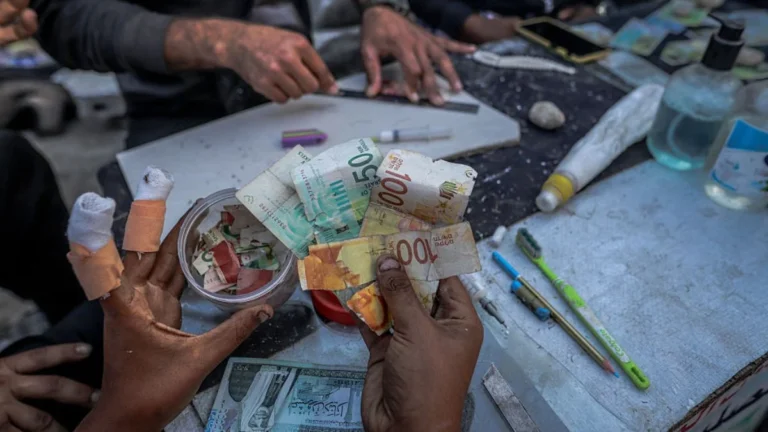
    Israeli banks have informed Palestinian financial institutions that they plan to end key banking services within the coming weeks, a move that has sparked concerns about serious economic disruption in the occupied West Bank. Officials on both sides say the decision could affect trade, salaries, and the daily financial operations that rely on cooperation between the two banking systems. The banking relationship allows Palestinian institutions to process transactions in Israeli shekels, the currency widely used in the Palestinian territories. These services are essential for paying for electricity, water, fuel, food imports, and other goods purchased from Israel. They also help transfer wages earned by thousands of Palestinians employed in Israel. According to Palestinian banking officials, five local banks that depend on Israel’s Bank Hapoalim for correspondent banking services have been told those arrangements will end on August 13. Other Palestinian banks that work through Discount Bank have reportedly been informed that their services will stop on September 1 unless a solution is reached. Israel’s Finance Ministry confirmed that both banks had announced plans to discontinue their correspondent banking services. The ministry said the decision reflects increasing legal and financial risks faced by Israeli banks while handling transactions for Palestinian institutions. In a statement, the ministry said it is holding discussions with the banks to find a way to continue these services while protecting Israel’s economic and security interests. Officials are exploring options that would allow financial cooperation to continue under conditions that reduce legal exposure for the banks involved. The banking arrangements have long depended on a government backed legal guarantee that shields Israeli banks from liability related to transactions carried out on behalf of Palestinian financial institutions. This protection is renewed every six months by the Israeli government. However, banking officials say commercial lenders no longer believe the existing guarantees provide enough protection. They argue that the risks of possible money laundering claims or allegations linked to terrorist financing have increased over time. According to one Israeli banking official, the banks believe the responsibility should now be taken over directly by the government instead of remaining with private financial institutions. Discount Bank confirmed that it had informed Israeli authorities of its concerns regarding the growing risks associated with these services. The bank said it has a responsibility to protect its depositors and shareholders while operating within an increasingly complex legal environment. Bank Hapoalim said the issue remains under review and did not provide further details. Economic experts warn that ending these banking links could have serious consequences for the Palestinian economy. Without access to correspondent banking services, businesses and individuals may be forced to rely more heavily on cash transactions. That shift could weaken the formal banking sector, reduce financial transparency, and encourage the growth of an informal economy. The decision could also place additional pressure on the Palestinian Authority, which already faces severe financial difficulties. The Authority depends heavily on local banks to finance public sector salaries and cover budget shortfalls. Financial analysts warn that if banks lose access to essential payment systems, the government’s ability to meet its financial obligations could be significantly weakened. A Palestinian businessman with close connections to the banking sector said the stability of local banks is closely tied to the stability of the Palestinian Authority. He warned that serious disruption to the banking system could have wider political and economic consequences across the West Bank. The latest development comes as the Palestinian Authority continues to struggle with reduced revenues after Israel suspended the transfer of customs and tax funds collected on its behalf. Those funds account for around two thirds of the Authority’s income, leaving its finances under increasing strain. Unless an agreement is reached soon, officials fear the planned banking cutoff could deepen the economic challenges already facing Palestinians in the occupied territory.

  • | | | | |

    US offers $15 million reward for Iran drone networ…

    WASHINGTON: The United States has announced a $15 million reward for information leading to the disruption of an alleged financial network linked to Iran’s drone programme, escalating pressure on entities accused of supporting the country’s military operations. The reward was announced by the Rewards for Justice programme run by the US State Department. According to the programme, the offer targets information about financial networks associated with Kimia Pars Sepehran Company (KIPAS), which Washington alleges is involved in producing drones for Iran’s Islamic Revolutionary Guard Corps (IRGC) Quds Force and its regional allies. In a statement posted on the social media platform X, the programme said it is seeking information on seven senior officials, their associates and the financial infrastructure that allegedly supports the company’s operations. US authorities said individuals who provide credible and actionable information may qualify not only for the financial reward but could also receive assistance with relocation if necessary. The announcement identified the individuals of interest as Hassan Aram Banizadeh, Reza Naharvani, Mehdi Naqaneh, Hadi Zavaraki, Abolfazl Meshkani, Abbas Sartaji, and Ehsan Mohaghegh. The latest reward offer is part of Washington’s broader campaign to disrupt networks it believes are involved in the financing, development and distribution of unmanned aerial vehicles used by Iran and affiliated groups across the Middle East. US officials have repeatedly accused Iran of supplying drones and military technology to allied armed groups operating in the region. Tehran, however, has consistently rejected allegations that it provides weapons in violation of international obligations, maintaining that its military activities are conducted within its national defence framework. The new announcement comes amid continued tensions between Washington and Tehran over regional security, sanctions and Iran’s military capabilities. Analysts say targeting financial facilitators has become a key element of the US strategy to weaken supply chains supporting Iran’s drone programme. The Rewards for Justice initiative has previously offered multimillion-dollar rewards for information related to terrorism, sanctions evasion and other activities considered threats to US national security. The latest offer underscores Washington’s continued focus on disrupting networks it believes contribute to Iran’s expanding drone capabilities.

  • |

    PMDC faces Senate heat over “misleading” MDCAT advertisement that created panic among overseas medical students

    Islamabad: A major controversy has erupted over a Pakistan Medical and Dental Council (PMDC) advertisement after a Senate committee accused the council of creating unnecessary fear among students planning to study medicine abroad by publishing unclear and misleading information about the MDCAT examination. During a meeting of the Sub Committee of the Senate Standing Committee on National Health Services, Regulations and Coordination, Senator Anusha Rahman questioned PMDC officials over a newspaper advertisement that appeared to suggest that every Pakistani student going abroad for medical education must first pass the MDCAT. The senator said the advertisement created confusion among thousands of students, including those planning to join top international universities in countries such as the United Kingdom, United States, Canada and Australia. She questioned why students who had already decided to study abroad were being pushed towards the MDCAT exam because of unclear wording in a public advertisement. “Through this advertisement, you told a student who wants to go to Harvard or Cambridge that they must also appear in MDCAT,” Senator Anusha Rahman said while questioning PMDC officials. She said such a major policy message could not be communicated incorrectly because it directly affects students’ futures. The controversy started after PMDC published a public alert for students planning to study medicine and dentistry abroad. The advertisement mentioned several requirements for Pakistani students going overseas, including academic qualifications, recognition of foreign institutions, PMDC registration and other conditions. However, the committee pointed out that the wording of the advertisement gave the impression that MDCAT was compulsory for all students going abroad, while PMDC officials later clarified that this was not the actual intention of the policy. PMDC President admitted during the meeting that the matter needed to be reviewed and said the requirement was actually meant for specific situations, including certain universities based on rankings or countries placed under special concerns. Senator Anusha Rahman questioned why the advertisement was not written clearly according to the approved policy. She demanded that PMDC present the original policy approved by the council and publish the correct version for public understanding. The senator also questioned accountability inside PMDC and asked whether any official was questioned for preparing and releasing the confusing advertisement. She asked officials why no one had been held responsible when everyone agreed that the newspaper advertisement contained an incorrect line. PMDC President admitted that no such inquiry had been conducted. The committee expressed concern that thousands of students may have suffered unnecessary stress because of the confusion. Senator Anusha Rahman said students preparing for overseas medical education were already under pressure and the unclear announcement pushed many of them towards MDCAT preparation and private coaching academies. She said the advertisement may explain why many A Level students were suddenly seen joining local academies for MDCAT preparation. The senator said she personally observed many A Level students in academies and believed the confusion created by the advertisement could be a main reason. She urged officials to visit academies and listen to students who were facing anxiety because of the uncertainty. The senator said students and parents were receiving late night calls filled with fear and frustration because they did not know whether their future plans would be affected. The committee directed PMDC to immediately issue a correction advertisement. Senator Anusha Rahman said a simple addendum would not suffice because the original notice was published prominently in newspapers. She directed PMDC to publish a proper clarification on the front page of newspapers, clearly explaining which students are required to take MDCAT and which students are not. She said the corrected advertisement should appear in newspapers so students preparing to travel abroad could get immediate clarity. PMDC officials suggested issuing an addendum, but the senator rejected the idea and said the correction must be given the same importance as the original announcement. She said students going to countries such as the UK, US, Canada and Australia must clearly know whether the MDCAT requirement applies to them. According to the PMDC public alert, students going abroad for medical and dental education were informed about requirements including minimum academic marks, foreign institution recognition, PMDC registration before departure, course duration requirements and passing the National Registration Examination after returning to Pakistan. The notice also stated that students who fail to meet required conditions may not be allowed to appear in the National Registration Examination. However, the Senate committee said unclear communication created unnecessary confusion among students and demanded that PMDC ensure future announcements are accurate and easy to understand. The committee warned that policy mistakes involving education can directly affect thousands of young people because admission timelines, travel plans and university opportunities depend on timely decisions.

Leave a Reply

Your email address will not be published. Required fields are marked *