nba legend don
|

NBA legend Don Nelson dies at 86, leaving lasting legacy

Don Nelson, one of the most influential coaches in NBA history and the league’s second-winningest coach, has died at the age of 86. His family confirmed that the basketball icon passed away peacefully on Sunday surrounded by loved ones.

In a statement, Nelson’s family said friends and relatives had gathered around him during his final days, sharing memories and celebrating a life that left a deep mark on basketball.

Nelson’s career stretched across more than three decades. He coached the Milwaukee Bucks, Golden State Warriors, New York Knicks and Dallas Mavericks, compiling an extraordinary regular-season record of 1,335 wins and 1,063 losses. His total ranks second all-time behind Gregg Popovich.

Known for his fearless approach and willingness to challenge traditional basketball thinking, Nelson became synonymous with “Nellie Ball.” His system emphasized speed, spacing and versatile players, often sacrificing size for athleticism and offensive flexibility.

The strategy became particularly influential during his time with Golden State and Dallas, where he repeatedly pushed opponents into uncomfortable matchups.

Before becoming a coaching legend, Nelson enjoyed an outstanding playing career. He spent 14 NBA seasons and won five championships with the Boston Celtics, making him one of the most decorated players of his generation. His No. 19 jersey was later retired by Boston.

Nelson also earned the NBA Coach of the Year award three times and was inducted into the Naismith Memorial Basketball Hall of Fame in 2012. In 2025, he received the Chuck Daly Lifetime Achievement Award, another recognition of his extraordinary coaching career.

Nelson never won an NBA championship as a head coach, but his ideas helped reshape how the game was played. His legacy lives on in the pace, spacing and positionless basketball that define much of today’s NBA.
Similar Posts

  • | |

    River garden residents protest repeated increase i…

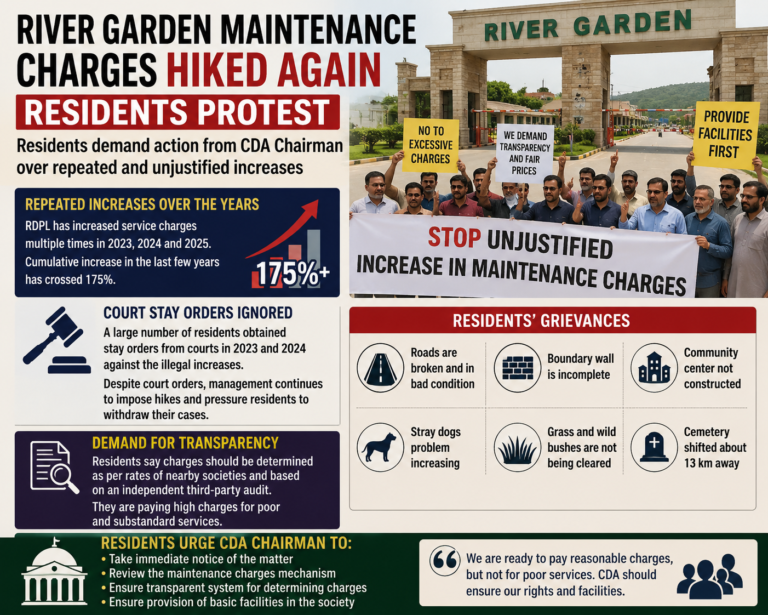
      Residents of River Garden Islamabad have strongly protested a fresh increase in monthly maintenance charges after the society’s management, River Garden Development Private Limited (RDPL), once again raised service fees. According to residents, the revised charges have been applied unilaterally in bills issued from July onward, placing an additional financial burden on homeowners. Residents claim that this is not the first time maintenance charges have been increased. They state that RDPL had already raised service charges several times during 2023, 2024, and 2025. As a result of these repeated revisions, the cumulative increase in maintenance fees over the past few years has reportedly exceeded 175 percent, leading to growing frustration among residents. A large number of River Garden residents have previously challenged these increases in court. During 2023 and 2024, several homeowners obtained stay orders against the hikes, arguing that the increases were unjustified and lacked transparency. However, residents allege that despite these court orders, the management has continued to introduce higher maintenance charges and adopt various administrative measures that they believe place pressure on residents to withdraw their legal cases. The latest increase has once again triggered widespread criticism within the community. Residents argue that they continue to pay maintenance charges despite receiving inadequate and below-standard services. They believe that the fees being collected do not reflect the quality of facilities available in the housing society. Residents have demanded that maintenance charges should be determined through a transparent and independent process. They have called for the appointment of a neutral third-party auditor to evaluate the society’s operational expenses and recommend fair service charges. They also insist that the rates should be comparable to those charged by neighboring housing societies offering similar facilities and services. According to the residents, the Capital Development Authority (CDA) regulations emphasize that housing societies must prioritize the provision of essential infrastructure and address the concerns of residents before imposing additional financial burdens. They argue that instead of increasing maintenance charges, the management should first improve the condition of the society and fulfill its basic responsibilities. Residents highlighted several longstanding issues that, they say, remain unresolved. They claim that many roads within River Garden are damaged and require urgent repair. They also pointed out that the boundary wall of the housing society is still incomplete, raising concerns about security. In addition, residents say that the promised community center has yet to be constructed despite repeated assurances. They have also expressed concerns over the increasing number of stray dogs roaming the society, describing the situation as a public safety issue for families and children. Other complaints include poor maintenance of green areas, with grass and wild shrubs reportedly left unattended for extended periods. Residents further criticized the relocation of the society’s cemetery, stating that it has been moved approximately 13 kilometers away from the residential area, making it difficult for families to visit and creating inconvenience during funeral arrangements. The residents have once again appealed to the Chairman of the Capital Development Authority to take immediate notice of the matter. They have urged the authority to review the process used to determine monthly maintenance charges and introduce a transparent mechanism that ensures fairness and accountability. Furthermore, residents have requested the CDA to ensure that RDPL fulfills its obligations by improving infrastructure, completing pending development projects, and providing the essential services promised to homeowners. They believe that only after these basic facilities are delivered should any discussion regarding increases in maintenance charges take place. The issue has become a major concern for many families living in River Garden, who say they are willing to pay reasonable service charges but expect transparency, accountability, and quality services in return. They hope that intervention by the CDA will help resolve the dispute and ensure that residents receive the facilities and standards they were promised when investing in the housing society.

  • |

    Senior Ghana opposition leader jailed for 20 years over illegal mining

    A Ghanaian court has sentenced senior opposition politician Bernard Antwi Boasiako to 20 years in prison with hard labour after finding him guilty of illegal mining related offences, triggering a strong political reaction and renewed debate over the country’s fight against unlawful mining. Boasiako, widely known as Chairman Wontumi, is the Ashanti regional chairman of the opposition New Patriotic Party and the first high profile politician to be convicted since Ghana launched a nationwide crackdown on illegal mining in 2017. In addition to the prison sentence, the court ordered him to pay fines exceeding 10,000 dollars. Reports from the courtroom said Boasiako appeared visibly stunned as the verdict and sentence were announced. He had denied all charges throughout the trial. The court found him guilty of transferring mineral rights without official approval and facilitating unlicensed mining operations through his company, Akonta Mining. Prosecutors argued that the company allowed two individuals to carry out mining activities on its concession without the required authorisation from the Ministry of Lands and Natural Resources. The ruling has sparked anger within the New Patriotic Party, which described the conviction as politically motivated. Party officials accused the government of selectively targeting opposition figures while ignoring evidence they believe would have cleared Boasiako of wrongdoing. NPP General Secretary Justin Kodua Frimpong criticised the judgement and said the campaign against illegal mining would lose credibility if it focused only on political opponents. He confirmed that the party’s legal team has already started the appeal process in an effort to overturn the conviction. Illegal mining, commonly known in Ghana as galamsey, has remained one of the country’s biggest environmental challenges for years. The activity has polluted rivers, damaged forests and destroyed large areas of farmland despite repeated government efforts to stop it. As Africa’s largest gold producer, Ghana has struggled to balance economic interests with environmental protection. Successive governments have launched military operations and stricter enforcement measures to curb illegal mining, but the practice continues to spread in many parts of the country. Environmental activists welcomed the court’s decision, describing it as a major step towards greater accountability. They argued that the conviction sends a clear message that politicians and influential business figures are not above the law when it comes to environmental crimes. Adib Saani, Executive Director of the Jatikay Centre for Human Security and Peace Building, said the verdict demonstrates the importance of holding powerful individuals accountable if Ghana hopes to protect its forests, rivers and natural resources from further destruction. The case is expected to remain politically sensitive as Boasiako’s legal appeal moves forward. It also places renewed attention on Ghana’s campaign against illegal mining, with many observers watching closely to see whether similar cases involving influential figures will be pursued in the future.

  • |

    Cuba plunges into darkness as national electric grid collapses

    Cuba’s state-owned grid operator, Union Electrica de Cuba, announced that the national electricity system collapsed late on Sunday night, leaving approximately 10 million residents without power. The widespread outage marks the fourth major blackout to hit the country in recent weeks following three similar grid failures recorded throughout July. The worsening energy crisis is driven by severe fuel shortages, which have left the nation’s ageing power generation facilities unable to meet basic electrical demand. Sanctions and geopolitical shifts have severely restricted the island’s ability to import crude oil. Following the ouster of Venezuelan President Nicolas Maduro in January, a US-imposed oil blockade cut off Cuba’s primary source of imported fuel, while alternative shipments from Mexico have also stopped under pressure from Washington. To mitigate the escalating power supply emergency, the Cuban government has initiated unprecedented reforms by allowing private businesses and foreign-backed entities into its domestic wholesale fuel market.

  • | | |

    TTAP announces relief mission to AJK amid tensions

    ISLAMABAD: The opposition alliance Tehreek Tahaffuz-e-Ayeen Pakistan (TTAP) has announced that its senior leadership will travel to Azad Jammu and Kashmir (AJK) on Monday with relief supplies, while criticizing the government’s handling of the situation in the region and calling for dialogue to address ongoing political tensions. Speaking at a press conference in Islamabad, TTAP spokesperson Akhunzada Hussain Yousafzai said the delegation would carry humanitarian assistance for affected residents and express solidarity with people in Rawalakot, where a protest sit-in has continued in recent days. Yousafzai alleged that the government had responded to public dissent with force rather than engagement. He claimed that, according to what he described as verified information, dozens of people had lost their lives during the unrest. His claims have not been independently verified, and no official confirmation of the casualty figures was immediately available. The spokesperson also alleged that leaders associated with the Joint Awami Action Committee (JAAC) had either been killed or had bounties placed on them. Authorities have not publicly responded to these specific allegations. Political tensions in Azad Jammu and Kashmir have persisted since widespread demonstrations erupted last year over demands for constitutional, administrative and governance reforms. The JAAC-led protests called for a broad package of changes, including an end to privileges for the political elite, the abolition of 12 legislative assembly seats reserved for refugees and the removal of the existing quota system. The unrest resulted in deadly clashes before negotiations between the government and the JAAC produced an agreement covering several core demands. As part of that understanding, both sides agreed to establish a high-level committee to examine the issue of refugee seats in the AJK Legislative Assembly. However, the issue remains unresolved. The JAAC continues to demand the abolition of the reserved refugee seats, while the government maintains its opposition to the proposal. Yousafzai argued that attempts to suppress opposing voices had deepened political divisions and contributed to the emergence of public movements in the region. He maintained that all outstanding issues could be resolved through meaningful negotiations rather than confrontation. The opposition alliance said its planned visit is intended to provide humanitarian support while also urging all stakeholders to pursue peaceful dialogue. Political observers say the coming days could prove significant as discussions over governance reforms and representation continue to shape the political landscape in Azad Jammu and Kashmir.

  • |

    Democratic support for Israel weakens as Gaza war deepens political divide in US

    For decades, support for Israel was one of the few foreign policy issues that united both major political parties in the United States. That long standing consensus is now showing signs of breaking down as growing criticism of Israel’s military actions in Gaza, the conflict with Iran and Prime Minister Benjamin Netanyahu’s close relationship with Republican leaders reshape opinion within the Democratic Party. Public support for Israel among Democratic voters has fallen sharply in recent years. More Democratic candidates are openly criticizing Israeli government policies and several have built successful election campaigns around calls to reassess Washington’s military and diplomatic support for its longtime ally. The shift has become increasingly visible in Congress, where many lawmakers who once backed military assistance without question are now calling for restrictions or major changes. The change was highlighted this month when nearly half of House Democrats voted in favor of an amendment that sought to block military aid to Israel. Although the proposal ultimately failed, the level of support marked a significant departure from previous years when similar measures would have attracted little backing. Israel receives $3.8 billion in annual US military assistance and has also secured billions of dollars in additional emergency funding over the past several years. Democratic leaders remain divided over the issue. House Democratic Leader Hakeem Jeffries opposed the amendment, arguing that it was too broad. However, senior party figures including former House Speaker Nancy Pelosi and House Democratic Whip Katherine Clark voted in support of it. The differing positions reflect an increasingly difficult debate within the party over whether military assistance should continue without conditions, be limited to defensive equipment or be suspended altogether. Senator Chris Coons, the top Democrat on the Senate Foreign Relations Committee, expressed hope that Israel’s upcoming elections could improve relations between the two allies. He suggested that new political leadership in Israel might help restore bipartisan support in Washington and move beyond the current period of tension. Coons also argued that Netanyahu has prolonged conflicts for political reasons, a claim that adds to the growing criticism from within the Democratic Party. Recent polling shows how public opinion has shifted. A Quinnipiac University survey conducted in June found that nearly half of all American voters believe the United States is too supportive of Israel. Among Democrats, that figure rose to 66 percent, a dramatic increase compared with the results recorded when the question was first asked in 2017. Israel’s ambassador to the United Nations, Danny Danon, dismissed concerns that bipartisan backing is disappearing. He said that despite intense political debate, support for Israel continues to remain strong across large sections of both major parties. The issue has become especially important in Michigan’s Democratic Senate primary, where voters are choosing between candidates with sharply different positions on Israel. Representative Haley Stevens has defended close ties with Israel and argues that the relationship strengthens economic growth and national security. Her opponent, Abdul El-Sayed, has strongly criticized continued military support and says American resources should be invested at home rather than funding Israel’s military campaign. The debate follows nearly three years of conflict that began after Hamas launched its October 2023 attack on Israel, killing around 1,200 people and taking hundreds hostage. Since then, Gaza health authorities say more than 73,000 Palestinians have been killed during Israel’s military operations. Israel rejects accusations of genocide and maintains that it is fighting Hamas while taking measures to reduce civilian casualties. Political analysts say the war has significantly influenced younger Democratic voters, many of whom have become more critical of Israeli government policies. Campus protests and growing public demonstrations have increased pressure on Democratic leaders to reconsider traditional positions on military aid. Some observers also believe the issue contributed to divisions within the party during the 2024 presidential election campaign. The debate is spreading beyond Michigan into congressional races across states including New York, Florida and Colorado, where candidates are increasingly making Israel a central campaign issue. Progressive organizations argue that opposition is directed mainly at Netanyahu’s government rather than Israel itself, while more traditional pro-Israel groups continue to defend the alliance. Despite the growing disagreement, many Democratic lawmakers continue to support Israel’s right to exist and defend itself. However, an increasing number are questioning the policies of the current Israeli leadership and calling for greater humanitarian assistance to Palestinians, signaling that the party’s approach to one of America’s closest allies is undergoing a significant transformation.

  • |

    CPEC 2.0: Pakistan, China shift focus to B2B investment

    ISLAMABAD: Pakistan and China are moving toward a more business-driven model of cooperation under the second phase of the China-Pakistan Economic Corridor (CPEC), with greater emphasis on Business-to-Business (B2B) partnerships, industrial development, exports and productivity rather than large-scale Government-to-Government (G2G) financing. The development emerged during a high-level Chinese delegation’s visit to the CPEC Secretariat, where discussions focused on strengthening industrial and commercial ties between the two countries. According to an official statement issued by the Ministry of Planning on Tuesday, the Chinese delegation was headed by Sun Dongsheng, Senior Advisor, Economic Affairs Press. The delegation met Federal Minister for Planning, Development and Special Initiatives Ahsan Iqbal, along with senior policymakers and development experts. The talks centred on ways to advance B2B and industrial cooperation under CPEC 2.0, reflecting a broader shift in the corridor’s priorities from infrastructure-led development toward industrialisation, exports, technology and private-sector participation. From infrastructure to industrialisation During the meeting, Ahsan Iqbal briefed the Chinese delegation on the government’s Uraan Pakistan economic transformation programme and outlined Islamabad’s priorities for the next phase of CPEC. The minister proposed closer cooperation with Chinese institutions, including counterparts of the National Centre of New Manufacturing, to benefit from China’s experience in advanced manufacturing, innovation, automation and robotics. He said Pakistan needed to strengthen its productive capacity and adopt modern technologies to remain competitive in the era of Industrial Revolution 4.0 and prepare for the emerging Industrial Revolution 5.0. Ahsan Iqbal identified Pakistan’s limited export base as one of the country’s major economic challenges. According to the minister, repeated attempts to accelerate economic growth have struggled to generate sustainable momentum because productive sectors have not been sufficiently integrated with export markets. He stressed that the government’s priority was therefore to turn agriculture, manufacturing and other productive sectors into stronger sources of exports and foreign exchange. Pakistan seeks greater access to Chinese market The minister also called for greater facilitation of Pakistani exports to China, highlighting the considerable gap between the two countries’ trade potential. He noted that China imports goods worth around $2.6 trillion annually, whereas Pakistan’s exports to the Chinese market remain close to $3 billion. Ahsan said Pakistan needed to increase its presence in the Chinese market by improving production standards, competitiveness and the ability of domestic businesses to meet international demand. He expressed the expectation that CPEC 2.0 could help Pakistan address what he described as its “export deficit”, just as the first phase of the corridor contributed to addressing the country’s energy shortfall. CPEC enters a new phase Under CPEC’s first phase, China committed substantial financing to infrastructure, energy and other development projects in Pakistan. Nearly $30 billion was invested in infrastructure and power-sector projects, including independent power producers. However, the focus is now increasingly shifting toward private-sector-led cooperation. Islamabad continues to pursue financing for selected road and motorway projects, but China has yet to demonstrate readiness to finance the long-delayed Main Line-1 (ML-1) railway upgrade, which had previously been regarded as one of CPEC’s flagship projects. The latest consultations indicate that CPEC 2.0 is expected to rely more heavily on commercial partnerships between Pakistani and Chinese companies. The government has already been encouraging enterprises from both countries to explore joint ventures and investment opportunities in sectors including manufacturing, agriculture and mining. Ahsan Iqbal said recent agreements between Pakistani and Chinese companies showed that B2B cooperation was beginning to gain momentum. He expressed confidence that stronger business-to-business engagement would support the modernisation of Pakistan’s industrial and agricultural sectors while creating opportunities for investment, employment and exports. China stresses productive capacity Sun Dongsheng reaffirmed the importance China attaches to its longstanding relationship with Pakistan and highlighted the achievements of CPEC’s first phase. He called for further cooperation in industrial and agricultural development, particularly in strengthening Pakistan’s productive capacity. The Chinese delegation also stressed the importance of involving small and medium-sized manufacturing enterprises in bilateral economic cooperation. Greater enterprise-to-enterprise engagement, according to the delegation, could help create commercially sustainable partnerships and expand opportunities for businesses in both countries. The discussions also focused on technology transfer, innovation, skills development and the creation of stronger industrial linkages. Five Corridors aligned with Uraan Pakistan Officials also discussed the strategic relationship between the Five Corridors of CPEC 2.0 and Pakistan’s 5Es framework under Uraan Pakistan. The government’s 5Es framework focuses on exports, e-Pakistan, environment and climate change, energy and infrastructure, and equity and empowerment. The participants stressed that alignment between the two initiatives needed to translate into concrete economic outcomes, including new enterprises, technology adoption, innovation, employment opportunities, skills development, increased exports and higher investment. The delegation was also briefed on the progress achieved during CPEC Phase I and Pakistan’s priorities for the second phase. The consultations suggest that the next stage of CPEC will increasingly be measured not only by the volume of infrastructure investment but also by its ability to improve Pakistan’s industrial competitiveness, expand exports, attract private investment and create sustainable employment.

Leave a Reply

Your email address will not be published. Required fields are marked *