new antitaliban group
|

New anti-Taliban group emerges in Afghanistan


Armed resistance against the Taliban appears to be expanding in Afghanistan, with a new anti-Taliban group reportedly emerging in the northern province of Faryab.

Sources say growing opposition to the Taliban’s style of governance, alleged ethnic discrimination and corruption has fueled resistance among sections of the Afghan population. Opposition has also increased over restrictions on education, employment and basic human rights, while the ongoing situation has contributed to a rise in Afghan migration toward Europe.

According to sources, fighters affiliated with the newly formed Liberation Front carried out an attack against Taliban forces in Faryab province on Monday. The group is expected to formally announce its organisational structure, leadership and future activities within the next few days.

The emergence of the new group comes as other anti-Taliban factions also signal plans to intensify their activities. General Sami Sadat, head of the Afghanistan United Front, and General Yasin Zia of the Afghanistan Freedom Front have both announced their intention to step up resistance against the Taliban.

The developments indicate growing challenges for the Taliban as it continues to face opposition from armed groups as well as criticism over its policies on governance, human rights, education and employment.

Similar Posts

  • |

    Moroccan businessman’s death reignites Italy migration debate

    BOLOGNA: The death of a Moroccan businessman during a police restraint in the Italian city of Bologna has reignited Europe’s heated debate over migration, policing and the treatment of immigrants, with the case exposing the deeply personal human stories often overshadowed by political rhetoric. The incident comes as European governments face mounting pressure over migration policies. Just days after thousands of migrants crossed from Morocco into Spain’s North African enclave of Ceuta, Italian Prime Minister Giorgia Meloni announced plans to suspend a free-movement agreement with Spain, reinforcing her government’s tough stance on immigration. Amid the political storm, the death of Abderrahim Fakir, a 42-year-old Moroccan-born entrepreneur who had spent most of his life in Italy, has become a symbol of the broader tensions surrounding migration and law enforcement. Videos recorded by local residents on July 19 showed police officers restraining Fakir face down on the ground for several minutes after responding to reports of a distressed man behaving erratically in a residential area. The footage, which quickly spread across social media, sparked widespread public outrage and renewed scrutiny of police conduct. Authorities said officers were responding to emergency calls about a man shouting, kicking garage doors and striking a vehicle. An autopsy and official investigations into the officers’ actions remain ongoing, while four Red Cross volunteers who were present are also under review. The tragedy triggered thousands of peaceful protesters to gather in Bologna, demanding accountability and justice for Fakir’s family. However, demonstrations later turned violent when a small group clashed with police, leaving dozens of officers injured and further intensifying political divisions. Friends, relatives and lawyers describe Fakir as far more than the image portrayed in political debates. Having arrived in Italy from Morocco at the age of six, he built a successful life, eventually owning a small metalworking company after years of hard work. Behind that success, however, he had been battling severe anxiety. According to his lawyer, Fakir feared deportation after complications involving his residency permit, despite living in Italy for nearly four decades. He had also been struggling financially as his business declined, forcing him to lay off several employees. Family members said he concealed his emotional pain, insisting everything was fine even as he sought psychiatric assistance weeks before his death. Sociologists argue that Fakir’s story highlights the dangers of reducing migration to political slogans while ignoring the human lives behind the headlines. As Italy awaits the outcome of official investigations, his family says they continue to trust the country’s justice system and hope the full truth surrounding his final moments will emerge.

  • |

    Russian missile strike kills 9 in Kyiv

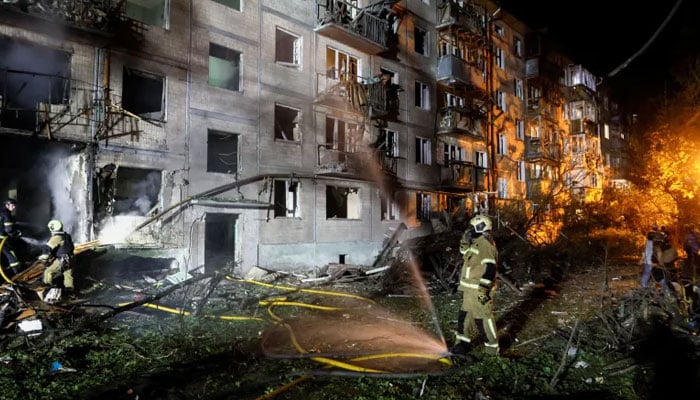
    At least nine people were killed and 23 others injured after Russia launched a missile attack on Ukraine’s capital, Kyiv, on Saturday morning, according to Ukrainian emergency authorities. The Ukrainian Emergency Service said the casualties included two young boys. Officials also reported that one of the injured victims remained in critical condition as rescue and emergency teams continued their operations across the affected areas. The missile strike caused extensive damage to several buildings and triggered fires at multiple locations in the capital. Emergency workers rushed to the scene to extinguish the fires, secure damaged structures and search through piles of debris for survivors. Rescue teams continued clearing the rubble in an effort to locate anyone who might still be trapped beneath collapsed sections of buildings. The attack added to growing concerns over the security situation in Kyiv, which has faced an increase in Russian missile and drone strikes in recent months. Ukrainian authorities have repeatedly warned that Russian attacks continue to pose a serious threat to civilians as well as critical infrastructure. The latest assault also renewed Ukraine’s calls for stronger air defence capabilities. Kyiv has been pressing its Western allies to provide additional advanced defence systems and ammunition, arguing that stronger air protection remains essential to defending major cities and strategic facilities from Russian missile and drone attacks. Ukraine has particularly sought additional Patriot air defence systems, which can intercept certain types of high-speed missiles and provide protection against aerial threats. Ukrainian officials have consistently described air defence as one of their most urgent military requirements as the conflict continues. Meanwhile, US President Donald Trump said discussions are continuing over the possibility of providing Ukraine with technology linked to the production of Patriot missile systems. Trump indicated that talks remain ongoing but made clear that Washington has not yet reached a final decision on the matter. The issue is significant for Ukraine, which has sought to strengthen its ability to defend its territory while reducing its dependence on foreign supplies. Access to advanced air defence technology could potentially help Kyiv expand its defensive capabilities and respond more effectively to repeated missile attacks. The latest strike comes as the war between Russia and Ukraine continues to put civilians and urban centres at risk. Kyiv remains a key target, and Ukrainian officials have repeatedly appealed to international partners for greater military support and stronger air defence measures to protect the capital and other major population centres.

  • |

    Finland restricts sea traffic near Russia

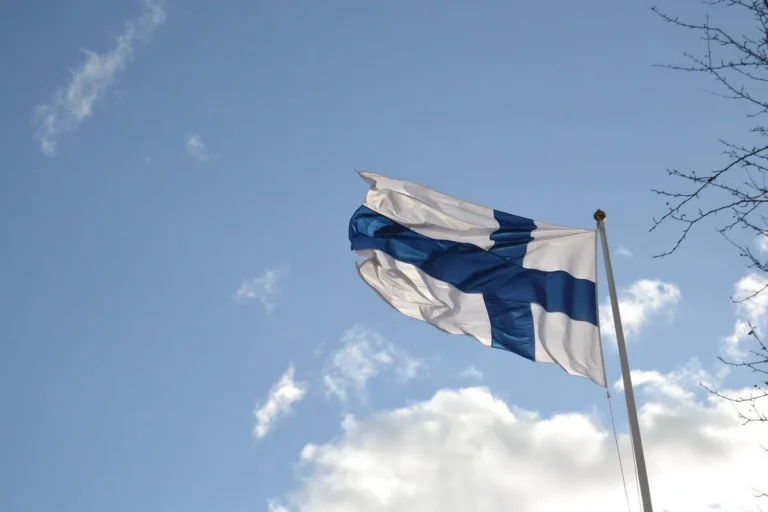
    Finland has temporarily closed part of its airspace and restricted maritime traffic along its southern coast near the Russian border due to concerns over possible stray drones. The Finnish military announced the measures on Tuesday. Officials said the restrictions were introduced to ensure authorities can respond safely if drones enter the area. A military spokesperson said the measures would allow authorities to take necessary countermeasures while protecting people in the affected areas. The military did not disclose the source of information about the possible drone activity. The spokesperson said details could not be shared because they were related to ongoing operational matters. The move comes amid growing concerns among NATO countries that the war in Ukraine could spill across alliance borders. Ukrainian drones targeting Russian positions have reportedly entered the airspace of Finland, Estonia, Latvia and Lithuania this year. Ukraine has increased its use of long-range drones against targets inside Russia. Kyiv and several NATO members have blamed Russian electronic interference for causing some Ukrainian drones to deviate from their intended routes and enter NATO airspace. Moscow, however, has accused Ukraine of deliberately directing drones across international borders. Finland’s latest restrictions highlight the security concerns facing NATO’s northern members as drone warfare continues to expand in the region. Authorities are expected to continue monitoring the situation closely and adjust the restrictions depending on the potential threat.

Leave a Reply

Your email address will not be published. Required fields are marked *