Nominee crackdown Hua Hin: 2,000 firms targeted
Thailand’s nominee crackdown intensifies: 2,000 firms in Hua Hin targeted
More than 2,000 companies in Hua Hin with foreign investment are set to face closer scrutiny as Thai authorities expand a national investigation into suspected nominee business structures in major tourism destinations.
The Department of Business Development (DBD), under the Ministry of Commerce, has joined forces with the Department of Special Investigation (DSI) to investigate nominee business structures in major tourism destinations. The Anti-Money Laundering Office (AMLO) is also preparing to classify nominee offences as predicate offences under money laundering law, which would allow authorities to examine financial trails and seize assets linked to wrongdoing.
The operation began with Koh Phangan and Koh Samui in Surat Thani, where officials scanned 11,426 juristic persons involving foreign participation. Those companies will be classified according to the likelihood that they are nominee businesses, from high to medium and low risk, before inspections begin.
Officials said the investigation will now expand to other key tourism areas, including Phuket, Krabi, Phang Nga, Pattaya and Hua Hin.
More than half of Hua Hin companies have foreign investment

In Hua Hin district, data from the DBD shows there are 4,162 limited companies in total. Of these, 2,081 have foreign joint investment, accounting for 51.24% of all limited companies in the district.
The figures show 35 companies in Hua Hin have foreign shareholders holding 50% or more of shares, while 2,046 companies have foreign shareholdings of between 0.01% and 49.99%.
The top foreign shareholder nationalities recorded in Hua Hin are British, with 355 companies, followed by Swedish investors with 231 companies, French investors with 174, German investors with 128 and Norwegian investors with 125.
Other nationalities in the top 10 include Chinese investors with 101 companies, Russian investors with 89, Danish investors with 82, Swiss investors with 77 and American investors with 76.
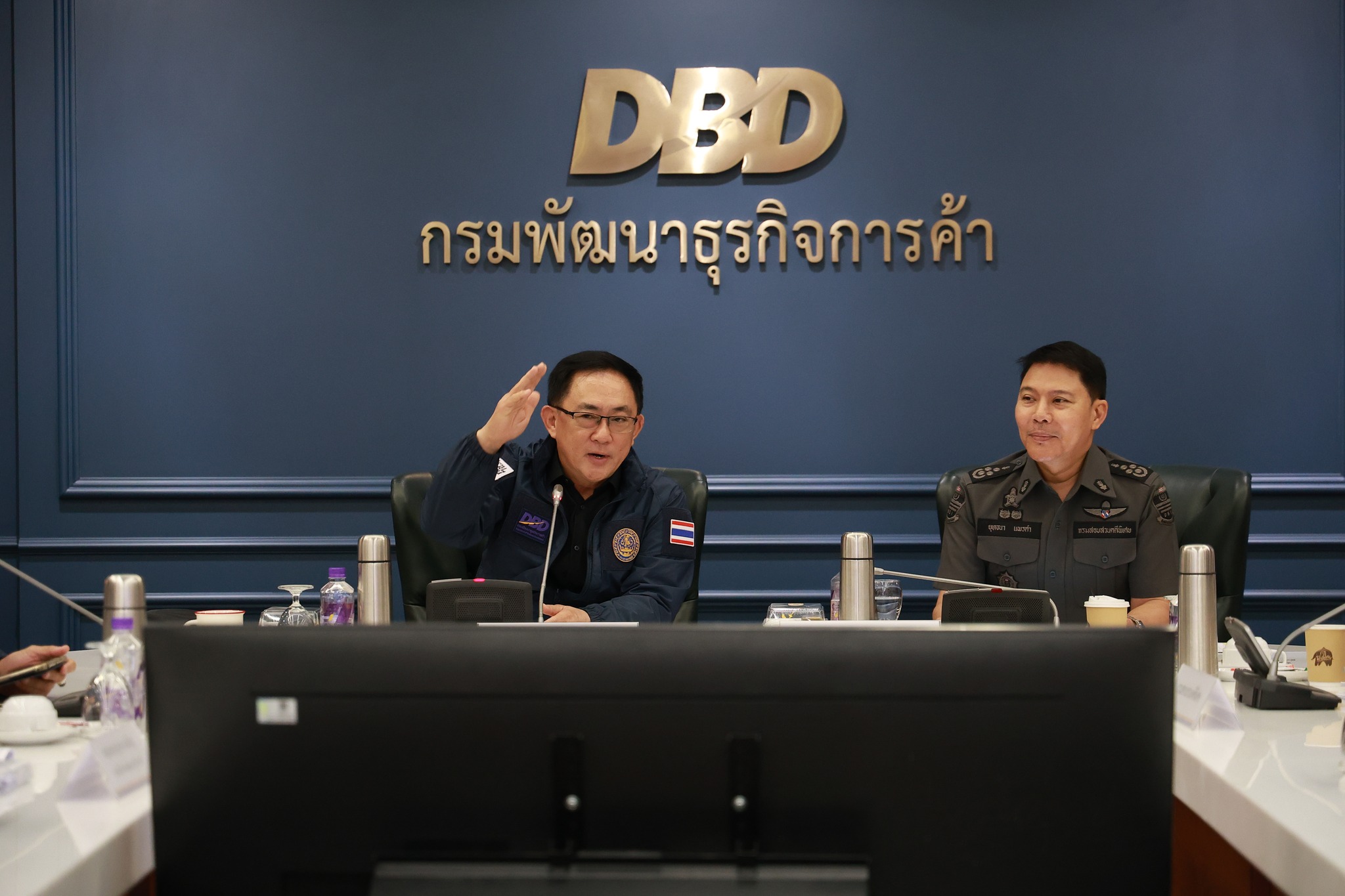
DBD Director-General Poonpong Naiyanapakorn said the department had discussed cooperation with the DSI after finding that some foreign-linked businesses in major tourist destinations may have characteristics of nominee operations.
Nominee structures typically involve Thai citizens holding shares on paper while a foreign investor retains actual financial or operational control. Such arrangements can be used to bypass restrictions under Thai law, including limits on foreign ownership in certain sectors and prohibitions on foreign land ownership.
Mr Poonpong said that where public complaints clearly indicate nominee behaviour, inspection teams would be sent immediately. The DBD would also work with other agencies depending on the nature of the suspected offence, including tourism, labour and tax authorities.
DBD and DSI expand nominee crackdown to tourism areas

Authorities have already inspected suspected nominee companies on Koh Phangan, including an accounting office where the owner was reportedly listed as a shareholder in 66 companies. Officials also found buildings and residences used as registered addresses for 89 companies.
In Koh Samui, information on 34 companies involved in real estate and tourism, with combined assets exceeding 100 million baht, has been sent to AMLO for financial investigation.
The DBD is also in talks with the Thai Bankers’ Association on tighter checks to verify the source of funds used by Thai shareholders in companies involving foreign investors.
Officials said earlier measures introduced this year had already reduced nominee company registrations. Requirements introduced on 1 January, including stricter financial evidence, reduced registrations by 60%, while further rules introduced on 1 April, requiring confirmation that shareholders had genuinely invested and paid for their shares, reduced registrations by 75%.
Police Major Yutthana Phraedam, Director-General of the DSI, said the agency had proposed that nominee cases be classified as special cases, allowing investigators to examine them in greater depth.
RELATED: Explainer: Why nominee companies are under scrutiny in Thailand