northern thailand universities

Northern Thailand Universities Unite to Promote Local Thai Textiles 

CHIANG MAI – Rajabhat University and seven partner schools have launched the “Exquisite Fabrics, Creative Wisdom” exhibition. The event takes place from July 24 to 26, 2026, at Central Chiang Mai Airport. It aims to boost the local economy by combining traditional weaving wisdom with modern research and a green economy approach.

On July 24, 2026, a major event kicked off to celebrate and improve traditional Thailand textiles. Danuporn Punnakanta, an official from the Ministry of Higher Education, Science, Research and Innovation, proudly opened the ceremony. The gathering drew large crowds of researchers, business owners, students, and local citizens.

Deputy Governor of Chiang Mai, Boonlue Thammatharanurak, warmly welcomed the excited attendees to the vibrant showcase. Assoc. Prof. Dr. Chatree Maneekosol, the president of Chiang Mai Rajabhat University, explained the main goals of the gathering. He highlighted the deep importance of blending old traditions with fresh, new ideas.

Key Takeaways:

  • Strong Collaboration: Eight Northern Rajabhat universities are working closely together to improve and sell local Thai fabrics.
  • Modern Innovation: The project uses modern scientific research to update traditional weaving for a demanding global market.
  • Green Economy: The event actively promotes a sustainable model to ensure long-term community development and environmental care.

The main goal of this vibrant exhibition is to raise the true value of Northern Thailand textiles. By mixing local wisdom with fresh research, communities can create much better products. This helps local weavers earn more money while keeping their rich cultural heritage alive. The partner universities want to turn this cultural wealth into a booming creative economy.

They are building strong, lasting networks between schools, the government, businesses, and local towns. This teamwork makes it much easier to turn academic research into real-world business success. Danuporn Punnakanta noted that the government fully supports using research to add real value to local resources. This fits perfectly with the country’s modern green economy goals.

Northern Thailand Universities Unite to Promote Local Thai Textiles 

How Will They Reach the Global Market?

To compete worldwide, the heavy focus is on smart marketing and powerful storytelling. Modern buyers truly want to know the deep history behind their everyday clothes. By telling the beautiful stories of Thai fabrics, sellers can connect with a massive global audience. A recent piece by Chiang Mai News notes that empowering the youth is a massive step toward a stronger future for Thai textiles.

The exciting project also focuses on training young people and local business owners. This hands-on training greatly improves production skills and helps workers meet strict international standards. Better skills mean better products, which quickly lead to higher sales worldwide.

Northern Thailand Universities Unite to Promote Local Thai Textiles 

What Happened at the Opening Ceremony?

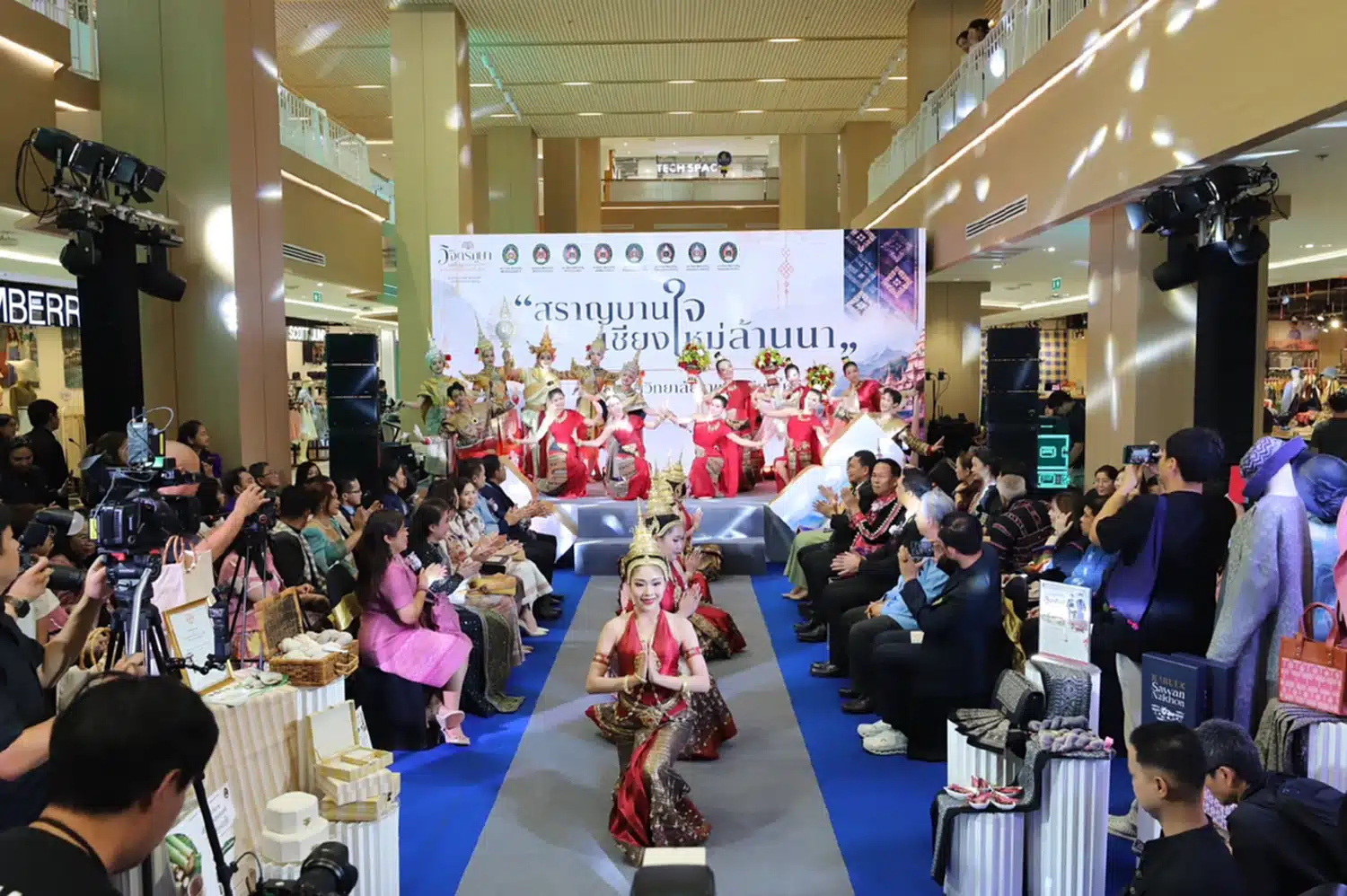
The opening day featured a beautiful cultural performance celebrating historic local weaving traditions. Leading experts held a special panel discussion on using local resources to create modern textile innovations. They shared brilliant ideas on how to make traditional fabrics perfectly fit for everyday modern wear.

A major event highlight was a stunning honorary fashion show featuring Phitsanulok woven fabrics. Representatives from all eight universities proudly took part in the amazing runway display. This gorgeous show proved that cultural heritage can easily blend with high-end modern fashion.

Northern Thailand Universities Unite to Promote Local Thai Textiles 

What Can Visitors Expect to See?

Throughout the long weekend, visitors can explore many research and innovation exhibits from the eight universities. The ground floor of Central Chiang Mai Airport has transformed into a lively, colorful marketplace. Shoppers can easily buy unique products directly from the talented local community makers. As highlighted by Radio Chiang Mai, the event truly offers something special for everyone.

Guests can also join fun, hands-on workshops led by friendly textile experts. These creative activities offer a great way to learn about natural dyeing and traditional weaving. Live music and cultural shows keep the energy very high throughout the entire day.

Northern Thailand Universities Unite to Promote Local Thai Textiles 

How Does This Help Local Communities?

The large event serves as a helpful meeting place for researchers, business owners, and rural villagers. This open exchange of ideas helps push helpful research into everyday commercial use. When local products sell better, the entire grassroots economy grows much stronger over time.

By using a green economy model, rural communities learn to produce textiles sustainably. This carefully protects the local environment while creating steady, reliable jobs for many rural families. If you love local culture and modern fashion, this is an event you should definitely not miss.

Trending News:

Northern Thailand Citizens Demand National Action on River Pollution

Thai Herbal Medicine Culture in Chiang Rai, Traditions, Key Herbs, and Spa Rituals

Similar Posts

  • | | |

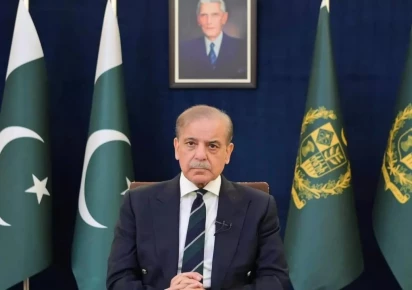
    PM to decide fate of refinery upgrade policy

    Prime Minister Shehbaz Sharif is expected to address key issues facing Pakistan’s refinery sector today. The Cabinet Committee on Energy (CCoE) will review proposed changes to the Brownfield Refinery Policy.The policy was approved in 2023. It aims to encourage investment in the modernisation of existing refineries. The proposed changes could affect billions of dollars in planned refinery investments.The main dispute is over deemed duty protection. The government has proposed reducing it from 7.5 per cent to 5 per cent. Refinery companies have opposed the proposed cut. They say it could weaken the financial benefits offered under the policy.The industry also disputes the government’s position on delays in signing Upgrade Agreements. Officials say refineries failed to sign the agreements within the required period.Refinery representatives reject the claim. They say they had already accepted the draft agreements in 2024. According to industry officials, the companies were waiting for the government to arrange the formal signing process.They say the industry repeatedly contacted the Petroleum Division and other authorities to complete the process. The companies argue that the delay was caused by administrative issues on the government side.They therefore believe the incentives should not be reduced because of delays beyond their control. Deemed duty protection is a key part of the refinery upgrade package.The incentive is designed to encourage companies to invest in modernisation. The planned upgrades are aimed at increasing production of Euro-V compliant fuels.They are also expected to reduce furnace oil production. The projects could help improve Pakistan’s overall fuel mix.The refining sector has also faced additional financial pressure from changes in the tax system. The Finance Act 2024 moved several petroleum products from the zero-rated sales tax regime to the exempt category.The change affected the ability of refineries to adjust input sales tax. It also increased their unrecoverable tax costs.The Petroleum Division has acknowledged that the tax changes affected the financial viability of refinery upgrade projects. Officials said the prime minister is expected to review the major issues that have delayed the implementation of the policy since August 2023.The Petroleum Division has proposed limited amendments to make the policy operational. It has also recommended a committee to finalise the Upgrade Agreement.The committee would include senior officials from the Petroleum Division, Law Division and OGRA. A representative of the Special Investment Facilitation Council would also be included.OGRA, however, has reservations about signing the agreements. OGRA Chairman Masroor Khan has argued that the regulator should focus on its regulatory role.He believes OGRA should not become a party to commercial agreements. The refinery industry is now hoping for a decision that removes the remaining hurdles.Companies want the government to maintain the existing incentive structure. They say policy consistency is important for attracting investment.They also warn that changes to agreed incentives could discourage investors. A clear decision by the CCoE could help restart delayed refinery upgrade projects.The decision could also influence Pakistan’s fuel supply and long-term energy security.

  • | | | | |

    [Vantage Point] Villar Land: Follow the P1.3-trillion paper trail

    The documents I have in possession establish the acquisition, revaluation, and recognition of enormous accounting gains. They also establish that Villar Land subsequently carried an extraordinary stock-market valuation. 

  • | | |

    Gold prices rise in Pakistan

      KARACHI: Gold prices climbed in Pakistan on Monday, even though international gold rates experienced a slight decline. The increase in local prices was mainly attributed to continued uncertainty surrounding the Middle East conflict, concerns over rising inflation, and investor caution ahead of key US economic data expected later this week. According to the All-Pakistan Gems and Jewellers Sarafa Association, the price of 24-karat gold increased by Rs1,700 per tola, taking it to Rs428,436. Similarly, the price of 10 grams of goldrose by Rs1,457, reaching Rs367,314. The latest increase came after a significant decline on Saturday, when gold prices had fallen by Rs3,700 per tola to settle at Rs426,736. In contrast, the international gold market remained under slight pressure. Spot gold slipped by 0.1% to $4,037.01 per ounce, while US gold futures for August delivery declined by 0.3% to $4,035.80 per ounce during trading. Despite the minor drop, analysts believe global investors remain cautious because of ongoing geopolitical tensions and expectations of fresh economic developments in the United States. Silver prices in Pakistan also moved higher. The price of silver gained Rs54 per tola, taking it to Rs6,291, reflecting continued demand for precious metals in the local market. Adnan Agar, Director at Interactive Commodities, said that international gold prices had eased slightly after fluctuating throughout the trading session. According to him, gold touched a high of $4,080 per ounce before falling to a low of$4,019, eventually stabilising near $4,038. He noted that gold remains under pressure and the market is closely monitoring upcoming US economic indicators, particularly employment data, which could influence the Federal Reserve’s future monetary policy decisions. Agar added that gold has remained within a broad trading range of approximately $3,950 to $4,250 per ounce since June. However, he expects this range to break within the next one or two weeks, potentially leading to a stronger upward or downward price movement depending on market conditions. Market participants are now awaiting a series of important US labour market reports, as these will provide further insight into the Federal Reserve’s interest rate outlook. Higher interest rates generally reduce the appeal of non-yielding assets like gold, while expectations of rate cuts tend to support bullion prices. Another factor attracting attention in the global market is reports that South Korea’s central bank intends to purchase gold from domestic producers, a move that could provide additional support to demand in the coming months. Meanwhile, oil markets have also remained highly volatile. Brent crude futures surged by more than 20% last month, driven largely by geopolitical tensions in the Middle East, raising concerns that higher energy prices could fuel inflation worldwide. Edward Meir, an analyst at Marex, said gold has traded within a narrow range of $4,000 to $4,200 per ounce for over a month. He explained that the possibility of inflation picking up again, particularly after July’s economic data, is helping support gold prices despite the recent weakness. Separately, the Pakistani rupee posted another modest gain against the US dollar. The local currency appreciated by 0.01%, closing at Rs277.77 per dollar, compared with Rs277.80 at the end of the previous trading session, reflecting continued stability in the foreign exchange market.

Leave a Reply

Your email address will not be published. Required fields are marked *