• Too much gaming may harm children

    Online and video games are a popular source of entertainment for children.  However experts warn that spending too much time playing games can affect a child’s mental physical and social development. Playing games in moderation can be enjoyable but excessive gaming may lead to several problems. Experts say the growing popularity of video games among children is becoming a concern around the world. Spending long hours in front of a screen can reduce time for schoolwork exercise and other healthy activities. Research also suggests that too much gaming may make some children more irritable angry or aggressive. According to experts excessive gaming may also affect brain function and the nervous system. Children who spend too much time playing games may lose interest in their studies perform poorly at school and become more likely to develop an unhealthy dependence on video games. Too much screen time can also reduce social interaction. Instead of spending time with family and friends children may prefer staying alone with their games which can affect their communication and relationship skills. Pediatric experts advise parents to set clear limits on screen time and encourage children to take part in other activities. Outdoor games painting arts and crafts reading and other creative hobbies can support healthy physical and mental development. These activities are even more beneficial when parents are involved. Experts also say that spending time with siblings and family members helps children build stronger relationships confidence, and social skills.  If video games become a child’s main focus family life and personal development may suffer. Experts do not recommend banning video games completely as learning to use technology is important today. Instead parents should set reasonable gaming limits monitor what their children play and encourage a balanced lifestyle that includes learning physical activity and family time.

  • |

    Police arrest suspect in the murder of British woman

      Authorities in Greece have detained a suspect in connection with the brutal murder of 38-year-old British national Elizabeth Jane Ross, whose body was discovered inside a suitcase in Athens. The case has attracted significant public attention due to the disturbing circumstances surrounding the crime and the victim’s humanitarian work. According to police, Elizabeth Jane Ross had been visiting Greece for several years and was well known for her involvement with organizations that supported refugees and other vulnerable communities. Through her humanitarian efforts, she worked with various charities and non-governmental organizations dedicated to assisting people in need. Friends and colleagues described her as a compassionate and caring individual who devoted much of her time to helping disadvantaged groups. The investigation began after a homeless man discovered a suspicious suitcase in a car park in the Kypseli district of Athens on 18 July. After noticing the abandoned luggage, he alerted the authorities, who responded to the scene and opened the suitcase. Police were shocked to find the body of a woman inside. The victim was later identified as Elizabeth Jane Ross through official procedures. Following the discovery, Greek police launched an extensive investigation involving forensic experts, detectives, and crime scene specialists. Investigators collected evidence from the suitcase and surrounding area in an effort to determine the identity of the perpetrator and reconstruct the events leading up to the murder. According to reprts, the suspect is a 26-year-old Afghan national who was taken into custody in central Athens. Police believe he may have been directly involved in the killing of Elizabeth Jane Ross. During the initial stages of

  • Emigration policy sparks clash in National Assembly committee

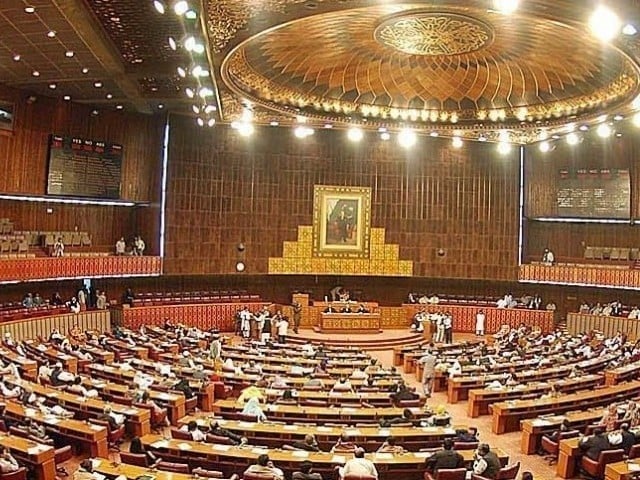
    Islamabad: A fresh controversy has emerged in the National Assembly Standing Committee on Overseas Pakistanis and Human Resource Development after lawmakers raised questions over the preparation of the new emigration policy, the role of parliamentarians in policy making and mistakes in official committee records. The debate started when members questioned whether important stakeholders were consulted before the approval of the new immigration policy and why some members of the committee were not included in the policy launch event. During the meeting, Dr Mahreen Razzaq Bhutto, a member of the committee pointed out that concerns raised in an earlier meeting regarding the emigration policy were missing from the official minutes. She questioned the process through which the policy was prepared and asked whether relevant stakeholders were taken on board before the policy was approved. The lawmaker argued that public policies affect millions of people and should be prepared after consultation with all important groups, including representatives of the people. She also questioned statements regarding the policy’s approval timeline, noting confusion about when the policy was actually introduced and approved. The issue created a debate inside the committee over the difference between the government’s authority to make policies and parliament’s responsibility to monitor their implementation. Committee Chairman Syed Rafiullah stated that making government policy falls under the authority of the government and the minister concerned. He said the role of the committee is to review, monitor and examine whether the policy is being implemented properly. The chairman maintained that the government has the right to prepare policies, while parliamentary committees can examine their performance and suggest improvements. However, the member disagreed, arguing that while the government has the authority to create policies, consulting stakeholders strengthens the policy and improves public confidence. She said that parliamentarians should be involved before policies are presented for final approval because they represent public concerns. The lawmaker stressed that policies become public documents after approval, but meaningful consultation should happen before final decisions are made. The chairman responded that members would have the opportunity to discuss issues within the policy and provide suggestions after reviewing the document. The discussion also highlighted the importance of clearly defining the connection between government policy making and parliamentary oversight. Another controversy emerged when members raised objections over the wording used in committee documents regarding the Federal Secretary of the Inter Provincial Coordination Division. Dr Mahreen questioned why the word “summon” was used for a federal secretary in the committee recommendations, arguing that such language is generally associated with legal authority and court proceedings. She questioned whether a parliamentary committee should use the term for a senior government official who was being requested to attend a meeting. Officials clarified that the use of the word appeared to be a drafting mistake and that the actual intention was to invite the secretary to attend the meeting. The committee secretary explained that the official agenda mentioned the secretary was invited along with relevant officers to participate in discussions. The member insisted that official documents should use accurate wording because committee reports become public records and represent parliamentary proceedings. She said that drafting mistakes can confuse the powers and procedures of parliamentary committees. The meeting also witnessed a heated exchange between members over the issue, with the chairman asking members to follow the committee procedure and discuss matters according to their turn. The chairman advised members that disagreements should remain within the rules of parliamentary discussion and that the committee should continue its work in an organised manner. The committee later continued discussion on the relevant agenda items while maintaining that official records and policy discussions must remain clear and accurate.

  • Teen girl summits khushal gang

    A 14 year old girl from Pakistan’s Balochistan province has achieved an inspiring milestone by climbing one of the country’s highest mountains despite facing family concerns and difficult training. Malika Khilji became the first young girl from Balochistan to reach the top of Khushal Gang a 6,040 meter high peak making history with her achievement. she had always loved sports but growing up she had very few opportunities to take part. When she got the chance to learn mountaineering she decided to follow her passion. She explained that she received a training scholarship from the Alpine Club of Pakistan and the Balochistan Institute for Tourism Hospitality and Culture Management where she began formal mountain climbing training. Malika shared that her family was not supportive at first. She said girls in her community often have limited opportunities but her brother encouraged her and convinced their parents to let her join the expedition. Before attempting Khushal Gang she practiced on the hills around Quetta. However she had little experience with technical climbing. During the expedition she used professional climbing equipment for the first time and faced harsh weather conditions. The toughest part of  the climb came at around 3 a.m. during the final push to the summit when she had to climb a steep wall of snow. Feeling exhausted she almost decided to turn back. Her guide encouraged her by reminding her that she could become the first girl from Balochistan to reach the summit.  Inspired by those words she continued climbing and successfully reached the top. Malika said she hopes to keep climbing more mountains represent Pakistan proudly and encourage other girls to believe in themselves and chase their dreams.

  • NA committee demands action against drug suppliers in universities

    ISLAMABAD: A serious debate erupted in the National Assembly Standing Committee on Federal Education and Professional Training after lawmakers questioned whether educational institutions were doing enough to stop the spread of drugs among students, warning that awareness campaigns alone cannot defeat organised supply networks operating around campuses. The committee, chaired by Ms. Mahtab Akbar Rashdi, examined the growing problem of narcotics in educational institutions and demanded practical results instead of only reports, seminars and awareness programmes. The committee stressed that the issue was not limited to students using drugs but also involved people supplying these substances to young people. During the meeting, officials of the Federal Directorate of Education (FDE) informed the committee that no drug use incident had been officially reported inside its public sector institutions. They said multiple measures were being taken, including drug awareness education, life skills programmes, tobacco free zones, monitoring committees and coordination with law enforcement agencies. However, Member of the Committee Dr Shazia Sobia Aslam Soomro expressed dissatisfaction with the briefing and questioned whether awareness campaigns were producing real results. She said simply giving presentations about awareness was not enough and asked authorities how many suppliers had been caught, how many institutions had reported cases and what action had been taken against those involved in supplying drugs. “This is not a joke,” Chairperson Ms. Mahtab Akbar Rashdi said while stressing that the problem required serious action. She questioned why authorities were focusing mainly on awareness while failing to show clear results against those involved in supplying drugs. The committee also raised concerns that drug suppliers were using new methods to reach students. Members pointed towards reports suggesting that drugs were being supplied through online channels and other hidden methods, including delivery systems that make it difficult for institutions to detect the problem. Dr Shazia Sobia informed the meeting that Islamabad Police had reported seizing 370 kilograms of drugs over three years, with 214 cases reported in educational institutions and 263 people arrested. The member questioned why education authorities were mostly discussing awareness instead of providing details about cooperation with police, the Anti Narcotics Force and rehabilitation centres. The committee raised another major concern that disciplinary action was often taken against students, while the people supplying drugs were not being targeted enough. Members questioned why students faced penalties while suppliers operating around educational institutions continued to escape. They demanded stronger action against those bringing drugs into campuses rather than focusing only on students who may already be victims of addiction. Chairperson Ms. Mahtab Akbar Rashdi said educational institutions must take responsibility because they control campuses, hostels and facilities where students spend their time. She said institutions cannot reach inside homes, but they must ensure strict monitoring within their own premises. She further directed that universities and colleges should provide regular reports about drug related cases, actions taken and rehabilitation efforts. She emphasised that the goal should not only be punishment but also helping affected students recover. The Higher Education Commission (HEC) informed the committee that it had implemented a drug and tobacco control policy across around 249 universities. According to HEC officials, committees had been formed in universities, monitoring mechanisms were introduced and coordination was established with the Anti Narcotics Force and other agencies. HEC officials told the committee that around 1,418 drug related cases were reported in 250 institutions. They said penalties, warnings, counselling and other disciplinary actions were taken in different cases. The committee, however, questioned whether these numbers reflected a real improvement or only showed administrative action after incidents had already occurred. Members also raised concerns about suppliers operating near universities, including allegations that some people connected with campus facilities could be involved in supplying drugs. They demanded that authorities investigate suppliers instead of limiting action to students. HEC officials responded that action had been taken against suppliers where evidence was available. They said surveillance systems, including CCTV monitoring, were being used and that students involved in supplying drugs could face suspension or termination. The committee decided that future discussions should include the Anti Narcotics Force, police authorities and relevant rehabilitation experts to develop a stronger strategy against drug supply networks. Officials were asked to return with practical results, including information about suppliers caught, students rehabilitated and improvements achieved.

  • K-IV project delay, NA committee summons Sindh officials

    Islamabad: The future of Karachi’s major water supply project K IV came under discussion in the National Assembly Standing Committee on Water Resources as lawmakers questioned the scheme’s progress and summoned senior Sindh government officials for a detailed briefing. The committee was informed that the portion of the K IV Project under the responsibility of the Water and Power Development Authority (WAPDA) is expected to be completed by 2027. The WAPDA Chairman told the committee that the funds required for this part of the project have already been secured, removing a major financial hurdle. However, questions remain over the overall progress of the project, as the committee decided to summon key Sindh officials in its next meeting to seek a clear update on the remaining work and coordination between different departments. The National Assembly Standing Committee on Water Resources, chaired by Mr. Ahmad Atteeq Anwer, MNA, directed that the Chief Secretary Government of Sindh, Secretary Irrigation Department Sindh, CEO Karachi Water and Sewerage Corporation and Project Director K IV must attend the next meeting to explain the current status of the project. The K IV project is considered an important scheme for improving water availability for Karachi, a city that has faced long standing challenges related to water supply. The committee stressed the need for better coordination among federal and provincial institutions to ensure timely completion. During the meeting, the committee also reviewed the WAPDA Security Force Bill, 2026. After detailed discussions, members directed that a comprehensive comparison study of the proposed legislation should be provided before the next meeting so that lawmakers can examine its provisions in detail. The committee members emphasised that major water projects require continuous monitoring and effective implementation to ensure public benefit. The committee will continue reviewing progress and seek updates from concerned departments in future meetings.

  • Rs7.1bn Parliament lodges project faces forensic a…

    Islamabad: Serious questions have been raised over the construction quality and progress of the Rs 7.1 billion New Parliament Lodges Project after the Senate House Committee found major differences between official claims and the actual condition observed during inspection. The committee was informed that although significant progress was claimed, the inspection team found that only around 20 percent of the 104 new Parliament Lodges were functionally complete. Senators raised concerns over construction standards, design changes and the quality of facilities being developed with public funds. The Senate House Committee, chaired by Senator Syedal Khan, Deputy Chairman Senate and Chairman Senate House Committee, expressed concern over the findings and decided to move towards a detailed forensic audit to examine the quality of construction work, repairs and maintenance activities. During the meeting, Senator Kamil Ali Agha informed the committee that several issues were identified during the inspection of the new lodges. These included changes from the originally approved central air conditioning system to individual air conditioning units, poor ventilation arrangements, problems in ceiling fan installation due to design limitations and unsuitable placement of storage areas near lodge entrances. Senators questioned whether the project was being completed according to the originally approved design and whether the quality of construction matched the cost involved. Officials from the Capital Development Authority informed the committee that the grey structure of the lodges had been completed and finishing work was currently underway. They stated that imported lifts were yet to be installed and furniture for the lodges had already been ordered. The CDA representative further informed the committee that an architect had been hired to prepare a model lodge design for the renovation of existing Parliament Lodges. The renovation plan would include improvements in electrical systems and other related facilities. The committee also discussed complaints regarding maintenance and repair work in existing Parliament Lodges. Senator Jan Muhammad highlighted that only limited funds had been allocated for the repair of his allotted lodge despite repeated requests over the past three years. CDA officials informed the committee that funds for the first quarter had been released and the tendering process would begin soon. They expected repair work to start in the first week of September 2026. The Ministry of Planning, Development and Special Initiatives informed the committee that the total cost of the 104 New Parliament Lodges Project stands at Rs 7.1 billion. Out of this amount, Rs 3.5 billion has already been spent, while Rs 1.1 billion has been allocated during the current financial year. The committee also discussed concerns related to transparency and accountability. CDA officials informed members that the Auditor General of Pakistan had already started an external forensic audit of repair and maintenance works, and the final report was awaited. However, the committee decided that a broader independent forensic audit should also be conducted for both the existing Parliament Lodges and the construction of the new 104 lodges. Senator Syedal Khan proposed that a professional consultancy firm led by Syed Shabbar Zaidi should conduct the audit. Senator Kamil Ali Agha supported the proposal, describing the firm as highly professional. The committee unanimously recommended engaging the firm to ensure transparency, accountability and better quality control. The committee stressed that Parliament projects must meet the highest standards because they are funded through public money. Members said timely completion, quality construction and proper use of funds would remain under strict parliamentary monitoring.

  • Blood treatment removes forever chemicals

    A new study suggests that a blood cleaning treatment used to lower cholesterol may also help remove harmful “forever chemicals” from the body. The treatment called apheresis is mainly used for people whose high cholesterol cannot be controlled with medication.  During the procedure blood is taken from one arm and passed through a special filter that removes excess fats. The cleaned blood is then returned to the body through the other arm. At the Technical University of Dresden in Germany, home to one of the world’s largest apheresis centers around 10,000 of these treatments are performed each year. For the study researchers examined used filter bags from the apheresis machines to see what substances had been removed along with cholesterol. They wanted to find out whether the filters could also remove harmful forever chemicals toxic substances that remain in the environment and the human body for a very long time as well as tiny plastic particles known as microplastics. The researchers say the early findings are promising. If future studies confirm these results apheresis could become a useful way to reduce the amount of certain harmful pollutants in the body in addition to lowering cholesterol.

  • | |

    Woman arrested after four men stabbed near Covent …

    Police arrested a woman on Wednesday after four men suffered stab wounds during an incident near London’s Covent Garden district, with investigators saying they believe the attack stemmed from a mental health related episode. Officers detained the woman, who is in her forties, on suspicion of possessing an offensive weapon and assault. She remains in custody as the investigation continues. Police described the incident as mental health related, though they have not released further details about what led up to the attack. Emergency crews found four men, aged 34, 39, 42 and 52, suffering from stab wounds at the scene. A spokesperson for the London Ambulance Service said paramedics treated all four men on site before transporting them to a nearby trauma centre for further care. Authorities have not yet released updates on the men’s conditions. The stabbings took place on Endell Street, a road situated about a quarter of a mile from Covent Garden square, one of London’s most visited tourist destinations known for its street performers, shops and market stalls. The area typically draws large crowds of visitors and locals throughout the day, and Wednesday’s incident occurred in a part of the city usually associated with heavy foot traffic rather than violent crime. Police have not disclosed whether the woman and the four victims knew each other before the attack, nor have they indicated a specific motive beyond the reference to a mental health related incident. Investigators are continuing to gather evidence at the scene and are expected to provide further updates as the inquiry progresses. London has periodically grappled with knife related violence in public spaces, prompting ongoing debate over policing resources and mental health support services across the city. Incidents involving individuals in psychiatric distress have drawn particular attention from advocacy groups, who argue that stronger community mental health infrastructure could help prevent similar episodes before they escalate into violence.

  • | |

    US publication praises Pakistan’s digital financ…

    A US publication has praised Pakistan’s efforts to modernise its financial system, saying the country is steadily strengthening its position in the global digital financial landscape through reforms and technological innovation. The article highlighted Pakistan’s initiatives to promote digital transformation and said the country has the potential to play a meaningful role in the evolving global digital economy. It also commended the vision of Pakistan Virtual Assets Regulatory Authority (PVARA) Chairman Bilal Bin Saqib, stating that Pakistan must actively position itself within the international digital financial system to benefit from emerging technologies and new economic opportunities. According to the publication, the future will belong to countries that make swift decisions and implement reforms without delay. It noted that Pakistan has the opportunity to emerge as a leader in the digital economy by embracing innovation and adopting forward-looking policies. The article further stated that governments can no longer rely solely on traditional bureaucratic systems. Instead, they must adopt the speed, flexibility and innovation-driven approach of technology startups to remain competitive in a rapidly changing global environment. It added that digital assets are becoming the foundation of the future financial infrastructure and countries investing in digital finance today will be better positioned for long-term economic growth and global competitiveness. The publication’s remarks come as Pakistan continues to promote digital payments, financial technology and cashless transactions as part of its broader strategy to modernise the economy and expand financial inclusion.