pakistan qatar review
|

Pakistan, Qatar review security cooperation as Naq…

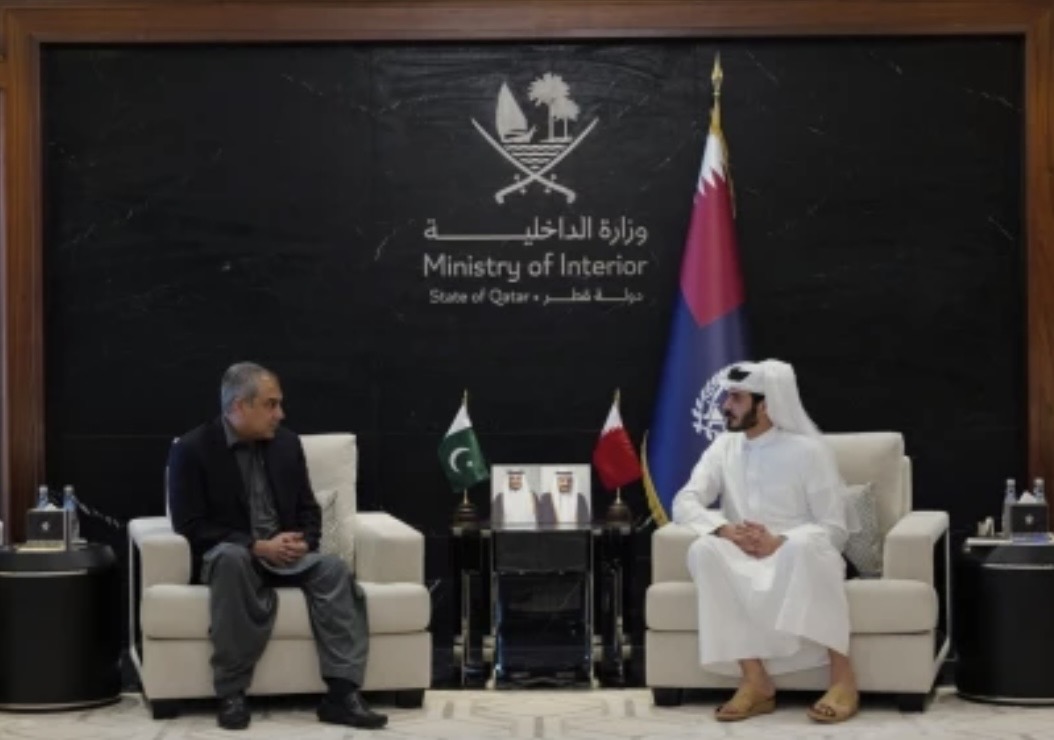
Interior Minister Mohsin Naqvi on Monday reviewed security cooperation and discussed ways to further expand collaboration with Qatar’s Minister of Interior and Commander of the Internal Security Force (Lekhwiya) Sheikh Khalifa bin Hamad bin Khalifa Al Thani in Doha .

A statement by Qatar’s Ministry of Interior said Sheikh Khalifa received Naqvi at his office, where the two sides reviewed cooperative relations between the two countries in the security field . “They discussed ways to further strengthen and develop them, in addition to exchanging views on several issues of mutual interest,” the statement added .

The high-level meeting came amid escalating tensions in the Middle East following the US-Iran conflict . In the past 10 days, the United States has intensified strikes on Iranian infrastructure, while Iran has targeted US military bases in the region . Since then, Pakistan and Qatar have stepped up diplomatic efforts aimed at promoting dialogue and regional stability .

Mediators Pakistan and Qatar have intensified the exchange of messages between the US and Iran after the two warring sides communicated their responses to a joint formula to end their months-long war . Earlier this week, Islamabad and Doha proposed a joint de-escalation formula, urging the US and Iran to return to their pre-July 9 positions “as a first step” to resume stalled talks to permanently end the conflict, according to an official familiar with the matter .

The de-escalation proposal, jointly drafted by Islamabad and Doha after consulting representatives, called on both sides to halt further military advances and create conditions for renewed negotiations . The diplomatic push reflects the growing role of Pakistan and Qatar as key mediators in the conflict, leveraging their relationships with both Washington and Tehran to bridge divides .
Similar Posts

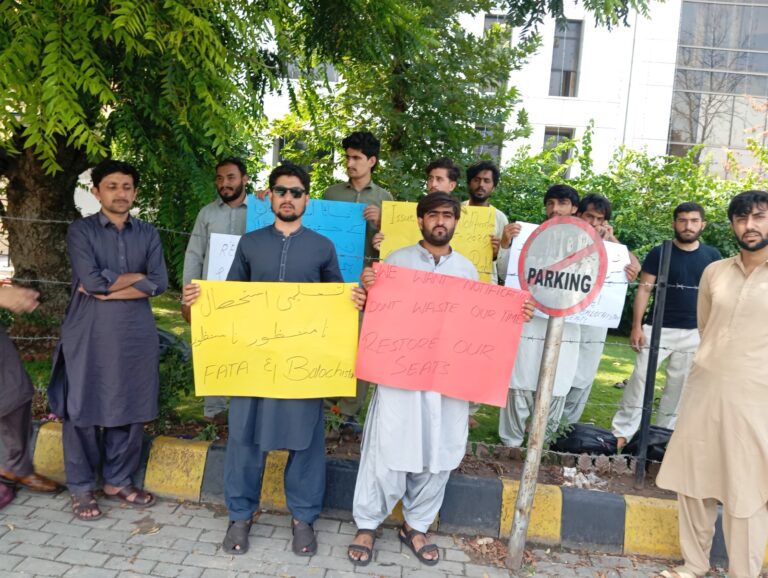
  • Former FATA, Balochistan students protest over medical seats

    Islamabad: Students from former FATA and Balochistan have been protesting outside the Pakistan Medical and Dental Council (PMDC) for around a week, stating their medical and dental seat issue remains unresolved despite repeated meetings, provincial proposals and a PMDC decision allowing increased intake in public medical colleges. Protesters say they expected hundreds of seats under a federal education programme but are still waiting for a clear notification covering their admissions. Among the protesting students named are Usman Afridi, Allah Yar and Shafi ud Din. Muhammad Rehan, a student from South Waziristan, said the federal government through the Higher Education Commission had been providing medical and dental education opportunities to students from former FATA and Balochistan. He said 333 MBBS and BDS seats had been provided each year under the programme in previous years. Rehan claimed that the same number of seats had not been made available to students this time. According to his account, PMDC initially told the students that it did not hold a separate quota of 333 seats and that provincial governments would have to identify available seats before PMDC could consider approval. Students then approached the governments and medical education authorities in Khyber Pakhtunkhwa and Balochistan. Rehan said Khyber Pakhtunkhwa identified 375 additional seats while Balochistan proposed another 36 medical seats. He said the students expected PMDC to approve these seats for their current admission session but the matter had still not been settled. Official documents in the file support that Khyber Medical University submitted a proposal for a major increase in seats for students from former FATA. The KMU proposal listed additional seats in several public medical colleges. It proposed 50 additional seats each at Saidu Medical College, Gomal Medical College, Bannu Medical College, Bacha Khan Medical College, Nowshera Medical College, Gajju Khan Medical College and KMU Institute of Medical Sciences. It also proposed 25 additional seats at KMU Institute of Dental Sciences. The total proposed increase under the KMU plan was 375 seats. Khyber Medical University said the colleges proposed for increased intake had been examined for faculty, infrastructure, teaching hospitals, equipment and other requirements. KMU stated that the institutions were capable of supporting the proposed increase and asked PMDC to approve the seats for the relevant session. Balochistan also submitted a separate proposal for 36 additional MBBS seats. According to the document, Bolan Medical College was proposed for 21 additional seats. Five seats each were proposed at Jhalawan Medical College, Loralai Medical College and Kech Medical College. The Balochistan Health Department said the proposal would support educational equality and help address the shortage of medical professionals in underserved regions. The combined proposals from Khyber Pakhtunkhwa and Balochistan therefore amount to 411 additional seats. However, whether all of those seats must be reserved specifically for students from former FATA and Balochistan is a central issue in the dispute. Students say they were expecting a fixed quota under the HEC programme. PMDC documents in the file show a somewhat different arrangement. PMDC approved an increase in student intake capacity across recognised public medical colleges, subject to inspections and compliance with its standards. The regulator said colleges seeking increased intake would have to meet requirements on infrastructure, faculty and accreditation. It also made clear that the increased intake was not a relaxation of minimum medical education standards. The PMDC decision further stated that where the approved capacity of a public medical college is increased, the relevant provincial or regional government may reserve an appropriate quota within those additional seats for students under the HEC scholarship programme for former FATA and Balochistan. The document says the provincial government and HEC would determine the method for nomination, allocation and admission under the quota. The PMDC notification therefore does not state in the provided text that every province must reserve a fixed number of 333 or 300 seats. Instead, it allows provincial governments to earmark an appropriate quota from approved enhanced capacity. This difference appears to be at the heart of the current dispute. Students say they were promised a specific number of seats. The formal PMDC notification in the provided documents speaks more broadly about increased capacity and allows provinces to determine an appropriate HEC quota within that capacity. Rehan also claimed that a PMDC Council meeting had agreed to approve 300 seats for students of former FATA and Balochistan. He said students were later repeatedly told that a notification would be issued soon but it did not come in the form they expected. He also claimed that students have recordings of conversations with senior PMDC officials regarding promises about the notification. These claims are statements made by the protesting student and the provided documents do not independently establish the contents of the alleged recordings. Official PMDC documents do confirm that the Council approved increased intake capacity in recognised public medical colleges across Pakistan. The decision stated that expanding capacity would give more deserving students access to medical education and strengthen Pakistan’s future health workforce. However, this approval remained subject to PMDC assessment and compliance with required standards. An earlier Khyber Pakhtunkhwa meeting regarding former FATA students also shows that the issue had been under discussion for some time. The meeting reviewed an overall capacity figure of 333 seats and discussed how additional opportunities could be created for students from former FATA. Officials were told that PMDC was willing in principle to consider increased seats if the required documents and formal requests were completed. KMU was directed to survey medical colleges and submit the required information to PMDC. The meeting record dacuments also states that the support initiative for former FATA students was described as continuing until 2031. Students are now demanding that PMDC issue a clear decision and allow the enhanced seats to apply to their current admission session. They argue that provincial governments and universities have already carried out the work required to identify additional capacity and that further delay could cost them an academic year.

  • | |

    FPAP, IPH hold breastfeeding policy dialogue

    LAHORE: Institute of Public Health Lahore and Rahnuma Family Planning Association of Pakistan joined hands to organize a Policy Dialogue on promoting Breastfeeding in connection with the World Breastfeeding Week 2026. The week is commemorated globally from 1-7 August to highlight the importance of breastfeeding. The house discussed strategies to improve breast feeding as only 45% of newborns in Pakistan were put to breast milk within the first hour of life, resulting in stunted growth and vulnerability to disease outbreaks. Moderated by Dean IPH Dr. Saira Azfzal, the event was joined by foreign dignitaries from the UKHSA, Chairman BoG IPH Prof Abdul Majeed Chaudhry, Executive Director Punjab Institute of Neuro Sciences & Principal General Hospital/PGMC Sardar Al Farid, former chairperson BoG Punjab Healthcare Commission Prof Atiya Mubarak, Head of Office WHO Punjab Dr. Jamshaid Ahmed, UNICEF Health Specialist Dr. Quratul Ain Ahmed, former Executive Director Health Services Academy Prof Shakila Zaman, WHO Technical Officer Dr. Irfan Ahmed, DGHS representative Dr. Zubair Hafeez as well as KEMU, Jinnah Hospital, SIMS and Ganga Ram experts including Prof Sobia Qazi, Prof Nadia Khursheed, Prof Munir Akhtar Saleemi, Dr Rameeza Kaleem Dr Asif Batani, Dr Mamoona, , Dr Ali Arshad, Prof. Dr Madeeha Rashid, Prof. Dr Muntaha, Dr Ammara Dr Amber Mustafa and a large number of students. Project Director GAVI RISE Rahnuma FPAP Sajjad Hafeez acknowledged IPH for joining hands with Rahnuma for a national cause. Highlighting this year’s theme “Breastfeeding for a Sustainable Start in Life: Strengthen What Works,” he said that Rahnuma-FPAP is one of the largest and oldest organizations in Pakistan, renowned for integrated package of mother & child health services, (ANC, safe deliveries PNC, vaccination, nutrition and family planning) at its country-wide network of facilities. Prof Sardar Al Farid highlighted barriers for mothers especially in office settings and need to designate workplace nursing stations. WHO representative Dr. Jamshaid elaborated key indicators (Early Initiation of Breastfeeding, Exclusive Breastfeeding and Continued Breastfeeding, highlighting that formula milk must not be marketed aggressively. UNICEF representative Dr. Quratul Ain highlighted that deliveries in Punjab under skilled birth attendants have improved to around 80%, yet the breastfeeding figures remain sub optimal. This requires integrating skilled counseling into routine family planning and reproductive health services.

  • | |

    Tarar calls for stronger narrative against terrori…

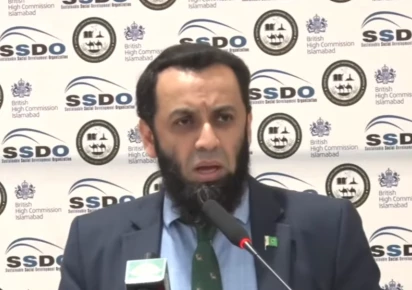
    Information Minister Attaullah Tarar has called for a stronger national effort to counter terrorism, extremism and misinformation, saying Pakistan’s fight against militancy cannot be limited to security operations. Addressing a capacity-building workshop in Islamabad, Tarar said the country also needed to win the battle of narratives by addressing misinformation and reducing the gap between public perception and facts. He said Pakistan had made considerable progress against terrorism through coordinated efforts by the federal and provincial governments, security forces and other state institutions. The National Action Plan, he added, had played an important role in bringing stakeholders together. According to Tarar, Pakistan’s security situation had improved significantly by 2017, allowing economic activity and investment to recover. However, he argued that a subsequent policy shift weakened years of counter-terrorism efforts. The minister stressed that national security policies should have continuity and should not change with changes in government. He called for political parties to develop consensus on major national policies so that long-term strategies could continue regardless of which party was in power. Tarar also highlighted the importance of Pakistan’s international narrative. He said the country had suffered heavily from terrorism and had made significant sacrifices involving security personnel, political figures, professionals and civilians. He said Pakistan had increasingly used international media platforms to present its position and challenge what it described as misleading narratives about terrorism and regional security. Discussing tensions with India following the Pahalgam incident, Tarar questioned the version of events presented by New Delhi. He reiterated Pakistan’s call for a transparent and internationally conducted investigation and said the country had sought to address the issue through diplomatic and media channels. The minister said terrorism had no religion, colour or ethnicity and maintained that the state would not allow violent groups to impose their ideologies on society. He warned that militant organisations were increasingly shifting their focus towards vulnerable and “soft” targets after facing pressure from security forces. He cited the Jaffar Express attack as an example and praised security agencies for their response. Tarar also raised concerns over the role of digital platforms in spreading extremist material and misinformation. He said the government was strengthening its legal and institutional mechanisms to deal with cybercrime and harmful online narratives. He said a Digital Communication Department had been established using modern technologies, including artificial intelligence-based monitoring and speech-to-text systems, to identify emerging narratives in the digital space. According to the minister, provincial governments were also being offered assistance in establishing similar communication structures. Tarar said state institutions also needed to promote Pakistan’s positive image by highlighting its culture, tourism, music, cuisine and arts. He praised Pakistan Television for contributing to efforts aimed at presenting a broader image of the country. He also stressed the need for better communication and timely reporting from Balochistan. The government, he said, was willing to support television networks in establishing bureaux in the province’s southern districts. Speaking about Balochistan, Tarar said development and security remained key government priorities. He highlighted infrastructure and counter-terrorism measures and said political stability and economic development were essential to addressing long-term challenges. The minister also cited Rescue 1122 as an example of a public policy that continued beyond political changes. He argued that successful national programmes should be preserved and expanded rather than discontinued because of political differences.

  • | | |

    Gold rate slips to Rs426,736 per tola

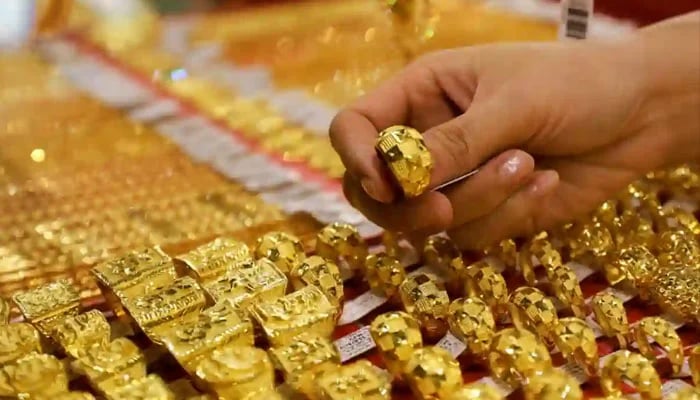
    Gold prices witnessed a sharp decline across Pakistan on Saturday, providing some relief to buyers after recent fluctuations in the bullion market. The decrease came in line with a fall in international gold prices, according to the All Pakistan Gems and Jewellers Association. The association said the price of 24-karat gold per tola dropped by Rs3,700, bringing the new rate to Rs426,736. Similarly, the price of 10 grams of 24-karat gold fell by Rs3,202, with the new price fixed at Rs365,857. Jewellers said the domestic gold market remained under pressure due to changes in global bullion prices. They explained that local gold rates are determined by international market trends along with fluctuations in the value of the Pakistani rupee against the US dollar. In the international bullion market, the price of gold also registered a noticeable decline. The price per ounce dropped by $37, settling at $4,043. Market analysts said international gold prices continue to fluctuate because of changes in investor sentiment, global economic conditions, inflation expectations and movements in the US dollar. These factors directly influence gold prices in Pakistan.

  • | | |

    Four terrorists killed in foiled South Waziristan …

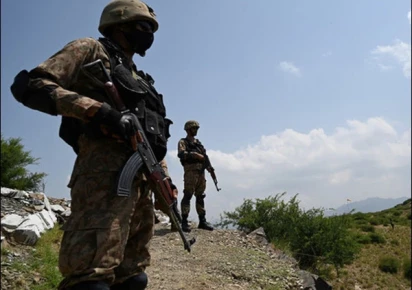
    Security forces have thwarted a suspected suicide attack on a security check post in South Waziristan, killing four terrorists, according to the military’s media wing. The Inter-Services Public Relations (ISPR) said terrorists attempted to target a security forces’ post on Saturday using a vehicle packed with explosives. The vehicle was intercepted before it could reach the check post. Security personnel destroyed the explosive-laden vehicle outside the post’s perimeter, killing the suicide bomber inside. The failed attack caused no damage to the check post, according to the military. The ISPR said three other attackers attempted to escape and took shelter in a nearby compound. Security forces subsequently launched a targeted clearance operation and killed all three terrorists. No security personnel were reported killed or injured during the operation. Following the engagement, security forces launched a sanitisation operation in the area to search for any remaining militants and ensure the area was secure. The military said the operation demonstrated the preparedness and professional response of security personnel against terrorist threats. It added that counterterrorism efforts would continue under the government’s broader security strategy. President Asif Ali Zardari praised the security forces for responding quickly and preventing the attack. He said security and law enforcement agencies would continue their operations against terrorism with determination. Interior Minister Mohsin Naqvi also commended the personnel involved in the operation. He said the nation was proud of the security forces and their continued efforts to counter terrorism. The latest incident comes amid heightened security concerns in Khyber-Pakhtunkhwa and Balochistan, where militant attacks have increased in recent years. Security forces have continued targeted operations in several areas to disrupt militant networks and prevent attacks on security personnel and civilians. The South Waziristan operation comes shortly after a deadly attack in Tank district in which several security personnel and a government official were killed. Another attack in Kohat also claimed the lives of government officials after militants ambushed a vehicle at a joint check post.

  • |

    Karachi braces for cloudy, humid weather and night…

    Karachi is likely to experience cloudy and humid weather over the next 24 hours, with the Pakistan Meteorological Department forecasting a chance of light drizzle in parts of the city tonight. According to the weather department, temperatures are expected to remain between 32°C and 34°C during the day. The city recorded a minimum temperature of  27.5°C over the past 24 hours. Sea breezes are blowing from the southwest at around 15 kilometres per hour, while the humidity level stands at approximately 75 per cent. The prevailing humid conditions may keep the weather uncomfortable despite the cloudy skies. Residents can expect generally overcast conditions, with the possibility of brief drizzle during the night.

Leave a Reply

Your email address will not be published. Required fields are marked *