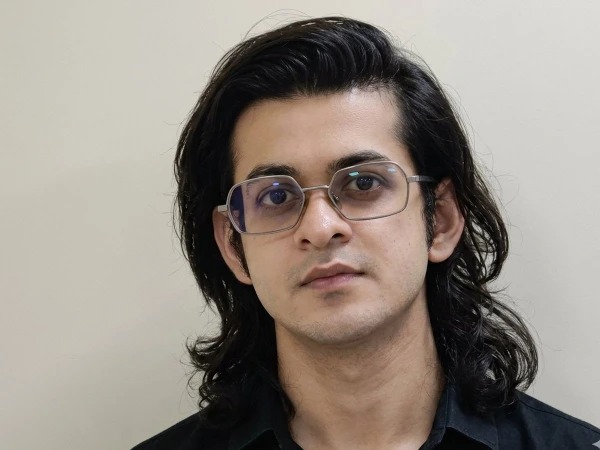
pmdc warns doctors
| |

PMDC warns doctors over expired medical licences

The Pakistan Medical and Dental Council (PMDC) has issued an important warning to doctors whose professional licences have expired.

The council has decided to take action against doctors who fail to renew their licences within the required period.

Under the new decision, doctors will be given six months to complete the renewal process. Licences that are not renewed within this period may be cancelled.

The PMDC has also stressed that doctors involved in clinical practice must have a valid and active licence.

Doctors with expired or inactive licences could face restrictions on their professional practice. The council has advised such doctors to complete the renewal process without delay.

The move is aimed at ensuring that only properly registered and authorised doctors continue to provide medical services.

The PMDC maintains the registration and licensing system for medical and dental practitioners in Pakistan. Keeping licences active is an important requirement for doctors who are practising professionally.

The latest warning is expected to push doctors with expired licences to complete their renewals within the specified six-month period.

Doctors have been advised to remain compliant with the council’s licensing requirements to avoid possible cancellation of their licences and disruption to their clinical practice.

Similar Posts

  • |

    Putin visits Japan-claimed Islands, Tokyo protests

    MOSCOW: Russian President Vladimir Putin has visited Iturup, one of the disputed Kuril Islands claimed by Japan, in a move likely to further strain relations between Moscow and Tokyo and revive attention on a decades-old territorial dispute. Russian state media reported on Thursday that Putin travelled to Iturup after overseeing major naval exercises in Russia’s Far East. The visit was described by state news agency TASS as Putin’s first in-person trip to the island chain. Iturup, known as Etorofu in Japan, is among four islands that Tokyo calls the Northern Territories and considers its inherent territory. The territorial dispute has prevented Russia and Japan from signing a formal peace treaty to officially end the state of war left over from World War II. During his visit, Putin toured the Yasny fish-processing plant, where officials briefed him on the local fishing industry and the movement of fish in the surrounding waters. Russian television footage showed the president examining large tuna and halibut before sampling local fish roe. Putin also spoke with local residents, praising the island’s weather and comparing it with a resort. His informal interaction with residents highlighted Moscow’s efforts to portray the disputed territory as an active and integrated part of Russia. Japan responded sharply to the visit. Foreign Minister Toshimitsu Motegi said Tokyo had lodged a strong protest, insisting that the Northern Territories, including Etorofu, belong to Japan based on history and international law. The visit came at a particularly sensitive moment in East Asia. A day earlier, North Korea, a Russian ally, fired a ballistic missile towards waters off the Korean Peninsula. The launch occurred shortly before major joint military exercises involving the United States and South Korea, which Pyongyang has repeatedly condemned. Putin’s appearance on Iturup also followed Russian naval drills in the Far East, adding a military dimension to an already sensitive diplomatic dispute. The latest development underscores the continuing complexity of Russia-Japan relations. Despite periods of diplomatic engagement and economic cooperation, the unresolved island issue remains a major obstacle to a formal postwar peace agreement. For Tokyo, Putin’s visit represents another challenge to its territorial claims. For Moscow, the high-profile trip reinforces its control over the disputed islands and signals that the territorial question remains firmly within Russia’s strategic agenda.

  • | | |

    The rise of Gen Z activism in India: A digital era…

    India’s younger generation is increasingly shaping public debate through digital platforms, demonstrating how social media has become a powerful tool for civic engagement and political participation. Unlike previous generations that relied heavily on traditional media or established political organizations, many members of Generation Z use platforms such as X, Instagram, and YouTube to share information, organize campaigns, and amplify public concerns. The growing influence of digital activism reflects a broader global trend. Young people are more connected than ever before, enabling them to discuss social, educational, economic, and political issues in real time. Social media allows ideas to spread rapidly, encourages public participation, and provides a space where diverse opinions can be expressed. As a result, youth-led campaigns can attract national and even international attention within a short period. Peaceful civic participation remains one of the most effective ways for citizens to express their views. When protests and public campaigns remain non-violent and focused on dialogue, they can encourage discussions between governments, institutions, and the public. Digital platforms complement these efforts by helping organizers communicate with supporters, share updates, and raise awareness about issues that affect young people. At the same time, digital activism also presents challenges. Information shared online may not always be accurate, and misinformation can spread quickly if claims are not verified. For this reason, responsible use of social media is essential. Participants, journalists, and readers alike should rely on credible sources, verify facts, and encourage respectful discussion rather than polarization. The increasing involvement of Gen Z in public affairs highlights the importance of youth voices in a democratic society. Young citizens often bring fresh perspectives on education, employment, governance, and social justice. Their participation can contribute to meaningful conversations about policy and accountability while encouraging greater civic engagement among their peers. As digital technology continues to evolve, the relationship between social media and public participation is likely to become even stronger. Governments, civil society organizations, and educational institutions will need to adapt to this changing landscape by promoting digital literacy, transparency, and constructive dialogue. Regardless of political viewpoints, the rise of digitally connected youth demonstrates that technology is transforming how citizens engage with public issues, making informed participation and responsible communication more important than ever.

  • | | |

    Fake spiritual guru arrested in Pune over alleged …

    A 23-year-old man posing as a motivational speaker, social media influencer and spiritual guide has been arrested in Pune, India, over allegations of obtaining private images of a 22-year-old woman and later using them to harass and threaten her. According to Indian media reports, police launched an investigation after the woman filed a complaint against the accused, identified as Divya Jitendra Parmar. Police subsequently arrested the suspect and seized a mobile phone and laptop believed to have been used in the alleged offence. Investigators said the accused had built an online persona portraying himself as a trusted motivational speaker and spiritual figure. He allegedly contacted the woman through social media and gradually gained her confidence. According to the complaint, the accused later told the woman that she needed to follow a particular method to remove what he described as negative energy from her body. Under this pretext, he allegedly persuaded her to share private images and follow certain physical exercises. Police allege that the accused subsequently used the images to harass the woman and threatened to circulate them if she refused to establish a sexual relationship with him. The woman then approached police and lodged a complaint. During the investigation, authorities reportedly seized the suspect’s mobile phone and laptop, along with photographs, videos, messages and other digital evidence. Police are examining the material to establish the full circumstances of the case. Investigators are also looking into whether the accused may have targeted other women using a similar method. This aspect of the investigation could determine whether the alleged incident was isolated or part of a wider pattern of online manipulation. The case has also highlighted the risks associated with individuals who use social media to build false identities and gain the trust of vulnerable people. Authorities have increasingly emphasized the importance of verifying online identities and reporting threats involving private images. Police have registered a case against the accused under relevant provisions of the Bharatiya Nyaya Sanhita (BNS) and the Information Technology Act. The investigation remains ongoing, and the allegations will be subject to the legal process. The case serves as another warning about the misuse of private digital content and the dangers of trusting unverified online personalities who claim to offer spiritual, motivational or personal guidance.

  • | |

    Trainee doctors’ stipend dispute reaches Senate,…

    Islamabad: The Senate Standing Committee on National Health Services, Regulations and Coordination has taken serious notice of complaints by trainee doctors regarding unpaid or reduced stipends and directed authorities to protect the rights of young doctors working in training programmes. During the meeting held in Karachi under the chairmanship of Senator Amir Waliuddin Chishti, the Committee reviewed the implementation of its previous recommendations regarding the College of Physicians and Surgeons Pakistan (CPSP). Members observed that earlier directions issued by the Committee had not been implemented in their true spirit and directed CPSP to ensure complete compliance. The matter became serious when a delegation of 14 trainee doctors from Sobhraj Maternity Hospital appeared before the Committee and alleged that the hospital was not following the stipend directions issued by the Ministry and CPSP. The trainee doctors claimed they were being paid below the prescribed stipend amount, creating financial difficulties for doctors already working in demanding medical training environments. Taking notice of the complaints, Chairman Committee Senator Amir Waliuddin Chishti directed the Ministry of National Health Services to coordinate with the provincial government and resolve the issue without delay. He also directed CPSP to register the affected doctors from the date they joined, ensuring their training status and rights were properly recognized. CPSP officials informed the Committee that necessary directions had already been issued to affiliated institutions regarding the implementation of the Committee’s recommendations. The Committee appreciated the steps taken by CPSP but emphasized that instructions must be followed practically at the institutional level so trainee doctors do not face difficulties. The Committee was also informed that the issue of revising trainee doctors’ stipends was currently awaiting approval from the Prime Minister. The Secretary of National Health Services informed members about the pending approval process regarding the revision of stipends for trainees. The Committee’s action comes amid wider concerns about healthcare conditions and the challenges faced by medical professionals during training. Chairman Senator Amir Waliuddin Chishti also directed that the Committee should visit different provinces to examine the healthcare system and meet relevant stakeholders. The first visit will be to Punjab, with the next Committee meeting scheduled in Lahore. The Senate Committee directed the concerned ministries and organizations to submit progress reports on the matters discussed before the next meeting, making it clear that implementation of decisions would be closely monitored.

  • | |

    Sohail Afridi says KP Police, CTD key to restoring…

    Khyber Pakhtunkhwa Chief Minister Sohail Afridi has said that lasting peace in the province can only be ensured by the Khyber Pakhtunkhwa Police and the Counter Terrorism Department (CTD), stressing that no other force can replace their role in maintaining law and order. Speaking to reporters after visiting those injured in the recent explosion in Swat, the chief minister said peace is a shared responsibility and a common need for every citizen. He added that all political parties, religious groups, and people from different schools of thought are united in their desire to restore peace across the province. Afridi said the provincial government remains fully committed to its security policy and will implement it without compromise. He urged the people of Khyber Pakhtunkhwa to stand together in support of peace and stability. He praised the sacrifices made by the provincial police and said the government is providing the force with all the resources it needs to combat terrorism and maintain security. According to the chief minister, more than Rs35 billion has been allocated to strengthen police infrastructure, modern equipment, and operational capacity. He maintained that the KP Police and CTD have the experience, capability, and commitment required to tackle security challenges and said no third party could establish peace in the province more effectively than these institutions. The chief minister said peace is essential for economic growth and public prosperity, adding that development cannot take place without a secure environment. He reaffirmed that strengthening law enforcement agencies remains one of the provincial government’s top priorities. Commenting on national politics, Afridi criticised the federal government, claiming it came to power through what he described as a “Form 47 mandate.” He urged the federal leadership to focus on addressing its own governance and economic challenges instead of criticising the provincial government. He also alleged that Rs5 trillion had been paid under the Independent Power Producers (IPPs) framework and claimed that the country’s economic indicators, including GDP growth, were declining.

  • Energy Minister: No Fuel Crisis for Thailand Despite Mideast War

    BANGKOK — Thailand does not face a fuel crisis as a consequence of the Mideast war, Energy Minister Atthapol Rerkpiboon said on Tuesday, seeking to calm public concerns amid localized shortages and panic-buying in some provinces. Thailand has enough oil for local consumption, but prices will rise: Government Supplies are being delivered gradually, according to […]

Leave a Reply

Your email address will not be published. Required fields are marked *