rising heat pushes
| |

Rising heat pushes even Africa’s resilient c…

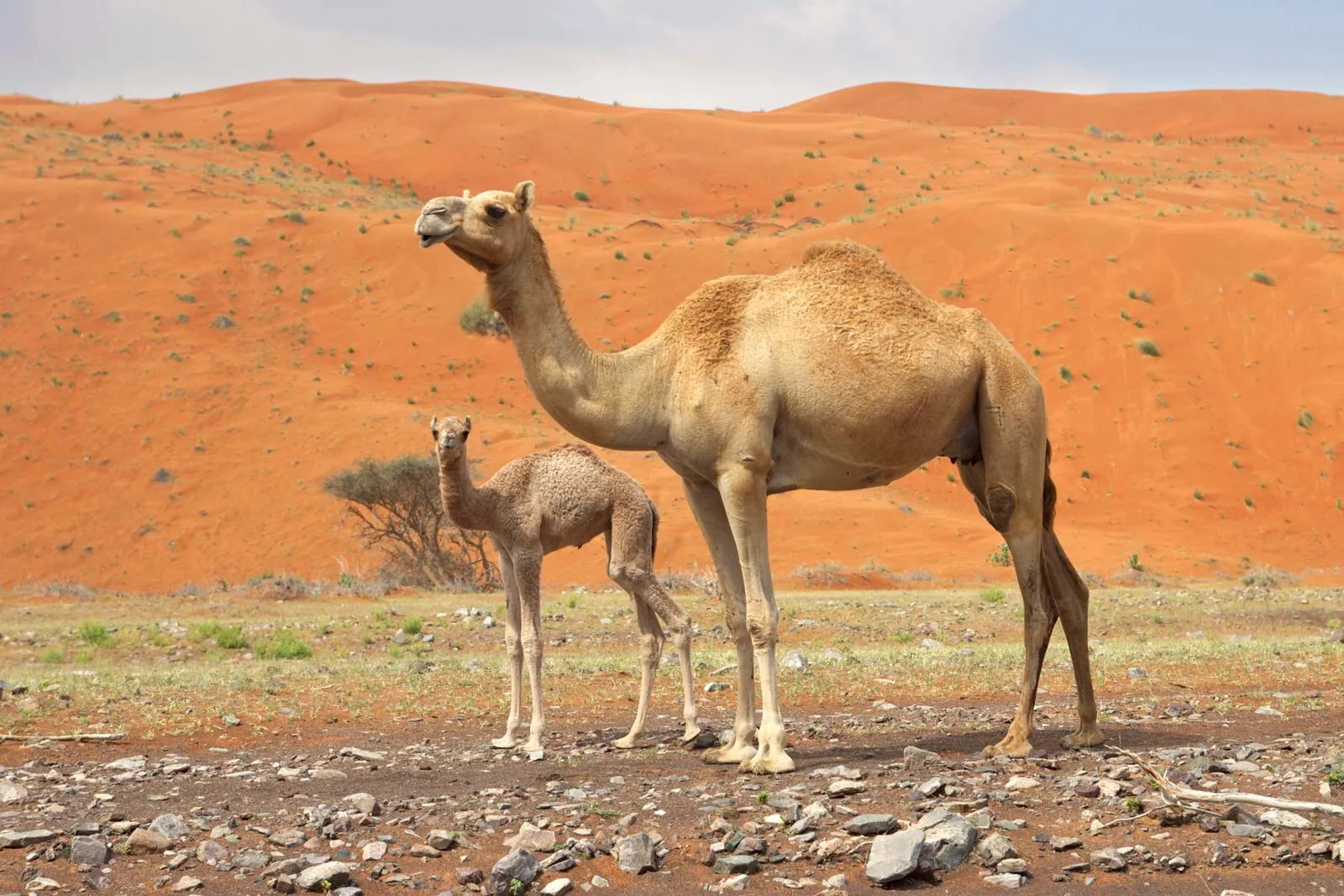
Camel herders and scientists across Africa say that rising temperatures are now overwhelming animals long regarded as uniquely suited to desert extremes, with herds facing rising death tolls, illness, and shrinking grazing lands.

In the Afar region of northeastern Ethiopia, among the hottest and driest places on the planet, nomadic herders traditionally lead camel caravans loaded with salt across the desert. Ali Umer, a 40 year old herder from Semera who owns around 500 camels, said he watches his animals struggle under conditions he has never seen before. He described blistered feet, watery eyes, and burned skin among his herd, and said the sand itself now scorches the animals as they rest. Umer said he lost eight camel calves in a single month due to extreme heat, and added that even the wind no longer brings relief. He said the changes have become noticeably worse in recent years.

Umer’s account matches what researchers and veterinarians are documenting across the continent. Scientists and animal welfare specialists point to stress, fatigue, dehydration, and rising disease rates as direct consequences of extreme heat, while indirect effects such as water shortages, vegetation loss, and disappearing shade compound the damage.

North Africa and the Horn of Africa are home to roughly 80 percent of the world’s dromedary camel population, the single humped variety that farmers across the region have increasingly relied on because of its reputation for withstanding drought and heat. A 2025 study examining herder perceptions in southern Ethiopia found that climate variability had measurably harmed camel health, productivity, and reproduction.

The crisis appears especially acute in Somalia. Research published in June found that drought linked camel deaths have affected nearly 46 percent of camel owning households, based on a survey of almost 6,000 pastoral families. The mortality was heavily concentrated in northern areas, with the Sool region recording a death rate of nearly 73 percent.

Experts say extreme heat is the central driver behind the region’s drought conditions, though poor veterinary access and weak herd management make outcomes worse. Atmospheric scientists have linked the severe 2021 to 2022 drought to sustained high temperatures, which accelerate evaporation from soil and water sources and increase the rate at which plants release moisture into the air.

Veterinarians on the ground report a growing caseload tied to heat. Hassan Nuya Guyo, a veterinary officer in Marsabit county in northeastern Kenya near the Ethiopian border, said his clinic is seeing a sharp rise in hyperthermia cases that leave camels vulnerable to secondary infections. He said camel deaths in the county have risen more than 15 percent over the past two years due to heat and drought. Separate research from the Horn of Africa links heat stress to higher disease rates and falling milk yields among camel herds.

A similar pattern is emerging in North Africa. A study conducted in Algeria and published this year documented a marked rise in camel deaths during summer heatwaves, with researchers noting clear seasonal mortality spikes that they say call for targeted responses such as emergency water supplies, supplemental feeding, and closer disease monitoring during peak summer months.

The World Meteorological Organization says extreme heat events have become routine across North Africa, with heatwaves trending upward since 1981. Several countries in the region and the wider Middle East recorded temperatures above 50 degrees Celsius in 2024. The organization’s most recent State of the Climate in Africa report found that North Africa warmed faster than any other subregion on the continent between 1991 and 2025, at a rate of 0.43 degrees Celsius per decade.

Camels are naturally equipped to handle heat up to about 40 degrees Celsius. Their bodies allow internal temperature to fluctuate throughout the day, reducing the need to sweat, while concentrated urine, dry waste, and a thick protective coat help limit water loss and block solar radiation. But researchers say those adaptations are no longer enough. Mohammed Bengoumi, a camel health specialist with the United Nations Food and Agriculture Organization who works across North Africa, said summer temperatures in large parts of the Sahara now regularly exceed 50 degrees Celsius, raising the risk of severe heat stress, especially where vegetation, water, and shade are already scarce.

Abdelmadjid Chehma, a professor at the University of Ghardaia in Algeria who has conducted experimental research on desert camels, said sustained heat above 41 to 45 degrees Celsius damages the animals at a cellular level, weakening their immune systems and preventing white blood cells from repairing themselves. He said the resulting stress slows the animals’ metabolism as their bodies try to limit internal heat production, which in turn reduces appetite and causes lethargy, lower milk output, and reproductive problems.

Mohammed el Khasmi, an animal hydrobiology expert at the University of Casablanca in Morocco, said his team has documented a wide range of heat related harm in camels, including weight loss, inflammation, muscle and bone damage, kidney related chemical imbalances, and parasite driven infections.

The combined pressures are forcing some herding communities to abandon land they have used for generations. Daniel Gelan, a pastoralist development researcher at Vision University in Ethiopia, said herders in the country’s north are relocating permanently to southern areas with more reliable water and vegetation, rather than following the seasonal migration patterns of the past, because the northern region can no longer sustain camel herding.

The Horn of Africa is still recovering from a severe drought that lasted from 2020 to 2023 and is now facing another period of harsh conditions, according to the charity Oxfam, which reported that water prices in parts of Somalia have jumped by more than 2,000 percent.

Back in Afar, Umer said he fears disease could soon begin killing his adult camels as well. Chehma said that concern reflects a broader shift underway across the region, where an animal once seen as the ultimate survivor of desert life is now being pushed toward its own breaking point by the pace and severity of current heatwaves.

Similar Posts

  • |

    Meloni demands probe into Bologna death after violent clashes

    Italian Prime Minister Giorgia Meloni has called for a thorough investigation into the death of a man during a police operation in Bologna, while strongly condemning violent protests that left dozens of police officers injured. The incident occurred in the Pilastro area of Bologna, where police were called to respond to reports of an aggressive man damaging a vehicle. The man, identified as Moroccan-born Abderrahim Fakir, died following the confrontation with police. Meloni said all facts surrounding the incident must be established through a transparent investigation. She stressed that the truth should be determined without bias and that responsibility should be identified based on evidence. The situation later escalated when protesters gathered in Bologna and clashes broke out with police. Demonstrators threw firecrackers, bottles and chairs at law enforcement personnel, prompting police to use tear gas and water cannons to control the crowd. Police officials said 56 officers were injured during the violent demonstrations. Meloni condemned the attacks on security personnel, saying violence could not be justified under any circumstances. Authorities have launched an investigation into the man’s death. Bologna police said body-camera footage from the officers involved would be handed over to investigators as part of the inquiry. According to initial reports, officers attempted to calm Fakir before using pepper spray and restraining him while trying to place him under arrest after he allegedly became aggressive. The incident has triggered political debate across Italy, with opposition parties demanding accountability and government supporters defending the actions of police officers. Meloni accused some protesters of using the incident as an excuse to create unrest rather than seeking justice. She said those responsible for attacking police and damaging public property were pursuing confrontation instead of the truth.

  • | |

    Shahid Khaqan Abbasi challenges delisting of Awaam…

      Former Prime Minister Shahid Khaqan Abbasi has written a letter to Chief Election Commissioner Sikandar Sultan Raja, challenging the Election Commission of Pakistan’s decision to delist the Awaam Pakistan Party. In his letter, Abbasi expressed concern over what he described as an unjustified decision by the Election Commission to remove the party from its list of registered political parties. He said he was surprised that Awaam Pakistan had been delisted on the grounds that it had failed to conduct intra-party elections. Abbasi rejected the allegation and maintained that the party had already conducted intra-party elections for its National General Council and national office-bearers. According to him, the elections were held between March 26 and April 2, within the deadline provided by the Election Commission of Pakistan. The former prime minister said that Awaam Pakistan fulfilled the requirements set by the electoral body and completed its intra-party election process within the prescribed period. He added that the party submitted the election results along with detailed documentation to the Election Commission on April 6. Abbasi argued that the party had therefore complied with the Election Commission’s instructions and questioned the basis on which it was subsequently delisted. The letter stated that a total of 12,084 members participated in Awaam Pakistan’s intra-party elections. Abbasi described the electoral process as democratic and transparent, saying that the participation of thousands of party members demonstrated the party’s commitment to democratic procedures. He further expressed concern over what he termed the unfair and unusual manner in which an active political party had been delisted. According to Abbasi, the decision was difficult to understand, particularly because the party had conducted its intra-party elections and submitted the required documents to the Election Commission. Abbasi also objected to the fact that the party was delisted without being given an adequate opportunity to present its position. He said that removing an active political party from the electoral list without hearing its case was beyond comprehension and raised questions about due process. The former prime minister urged Chief Election Commissioner Sikandar Sultan Raja and the Election Commission to conduct an immediate hearing into the matter. He requested that Awaam Pakistan be provided an opportunity to explain its position and present the relevant evidence regarding the intra-party elections. Abbasi’s letter comes amid continued debate over the legal and procedural requirements that political parties must meet to remain registered with the Election Commission. Intra-party elections are an important requirement under Pakistan’s political and electoral framework, as they are intended to ensure democratic participation and accountability within political parties. The former prime minister maintained that Awaam Pakistan had fulfilled this requirement within the deadline and had provided the Election Commission with the necessary election results and supporting documents. He called on the electoral body to review its decision and hear the party’s case before taking any further action. Abbasi stressed that Awaam Pakistan should be given a fair opportunity to clarify the circumstances surrounding its intra-party elections and the documents submitted to the Commission. The controversy has placed renewed focus on the relationship between political parties and the Election Commission, particularly regarding compliance with electoral laws and the right of political parties to be heard before facing major administrative decisions. Abbasi’s appeal now seeks an immediate hearing and a review of the delisting decision, with the party arguing that it followed the prescribed procedure and conducted its intra-party elections in a democratic and transparent manner.

  • | |

    President Zardari approves civil awards for 355 pe…

    ISLAMABAD: President Asif Ali Zardari has approved civil awards for 355 Pakistani and foreign personalities in recognition of their outstanding services and achievements in various fields. The awards will be presented at a special ceremony on Pakistan Day, March 23, next year. The recipients include prominent figures from politics, public service, entertainment, sports, journalism, law enforcement, medicine and other sectors. Among the personalities from the entertainment industry, singers Tarannum Naz and Nisho Begum will receive the Sitara-i-Imtiaz. Actors Ghazala Kaifi, Sania Saeed and Maria Wasti, along with singer Zohaib Hassan, will be honoured with the Tamgha-i-Husn-i-Karkardagi. Singer Shiraz Uppal will receive the Tamgha-i-Imtiaz. In sports, shooter Kishmala Talat and former Test cricketer Sadiq Mohammad will be awarded the Tamgha-i-Husn-i-Karkardagi for their contributions and achievements. Several senior government officials and political figures have also been included in the awards list. Deputy Prime Minister and Foreign Minister Ishaq Dar, Interior Minister Mohsin Naqvi, Federal Ministers Ahsan Iqbal and Muhammad Aurangzeb, and Minister of State Bilal Azhar Kayani will receive the Nishan-i-Imtiaz. Director General Intelligence Bureau Fawad Asadullah, Attorney General Mansoor Usman Awan, Federal Board of Revenue Chairman Rashid Mahmood Langrial, Finance Secretary Imdadullah Bosal and Commerce Secretary Jawad Paul will receive the Sitara-i-Imtiaz. Chairman Pakistan Ulema Council Allama Hafiz Tahir Mahmood Ashrafi will be awarded the Tamgha-i-Imtiaz, while Federal Minister Engineer Amir Muqam will receive the Hilal-i-Imtiaz for public service. Zobia Khursheed Raja of Azad Kashmir will receive the Tamgha-i-Shujaat for her bravery in confronting rioters. She reportedly risked her life to rescue an injured police officer who was surrounded by rioters. A total of 46 martyrs of law enforcement agencies will be awarded the Sitara-i-Shujaat. Group Captain Asim Tariq Shaheed will also receive the same honour. Drug Regulatory Authority of Pakistan CEO Dr Ubaidullah will receive the Sitara-i-Imtiaz, while Punjab Saaf and Suthra Authority Director General Babar Sahib Din will be awarded the Tamgha-i-Imtiaz. Senior journalists Saleh Zafar and Haji Nawaz Raza will receive the Sitara-i-Imtiaz. Journalists Ammar Masood, Maria Zulfiqar, Adil Shahzeb and Hamad Hassan will be honoured with the Tamgha-i-Imtiaz. Two physicians associated with Quaid-e-Azam Muhammad Ali Jinnah, Dr Jal Ratanji Patel and Dr Jal Dabu, will be conferred the Nishan-i-Quaid-i-Azam posthumously. The list also includes prominent foreign figures. Saudi Prince Saud bin Naif will receive the Hilal-i-Pakistan, while Turkish Foreign Minister Hakan Fidan, Defence Minister Yasar Guler and Trade Minister Omer Bolat will each be awarded the Sitara-i-Pakistan. Dr Khalid Abbas Al-Asadi and Dr Paul Jacob Bhatti will receive the Tamgha-i-Imtiaz in recognition of their services.

  • | |

    Interior minister Mohsin Naqvi visits PTI chairman…

      Federal Interior Minister Mohsin Naqvi visited the residence of Pakistan Tehreek-e-Insaf (PTI) Chairman Barrister Gohar Ali Khan and expressed his condolences over the death of Gohar’s mother. During the meeting, Mohsin Naqvi conveyed his deep sorrow and grief to the PTI chairman over the loss of his mother. He also offered Fateha for the deceased and prayed for her forgiveness and eternal peace. The interior minister expressed sympathy with Barrister Gohar and his family during their time of mourning. He offered his condolences and prayed that Allah Almighty grant the deceased a high place in Jannat-ul-Firdous and give patience and strength to the bereaved family. Barrister Gohar thanked Mohsin Naqvi for visiting his residence and personally expressing his condolences. The PTI chairman appreciated the interior minister’s gesture and his presence with the family during the difficult period. The meeting was held in a respectful and solemn atmosphere, with both sides focusing on the bereavement and offering prayers for the departed soul. Barrister Gohar’s mother passed away on August 8. Her funeral prayers were offered and she was laid to rest in her native area, where family members and relatives gathered to pay their final respects. The visit by the interior minister came as political figures and members of the PTI continued to express their condolences to Barrister Gohar and his family following the death. Such visits are traditionally considered an important gesture of solidarity during times of personal loss, regardless of political differences. Mohsin Naqvi’s meeting with Barrister Gohar also highlighted the importance of maintaining personal and social ties despite political disagreements. The interior minister took the opportunity to personally offer his condolences rather than limiting the gesture to a formal message. Barrister Gohar, who serves as chairman of the PTI, has remained an important figure in the party’s political and legal affairs. His mother’s death came during a period of continued political activity involving the party and its leadership. According to the details of the meeting, Mohsin Naqvi offered prayers for the deceased and conveyed his sympathies to the bereaved family. He expressed hope that the family would find strength and patience to cope with the loss. The PTI chairman thanked the federal minister for taking the time to visit his home. He acknowledged the condolence gesture and expressed appreciation for Naqvi’s presence. The meeting remained focused on the personal loss suffered by Barrister Gohar and his family, with no details of any political discussions reported. The death of a close family member is a deeply emotional moment, and condolence visits are widely regarded as an expression of support and solidarity. Naqvi’s visit was similarly aimed at sharing the grief of the PTI chairman and his family. Barrister Gohar’s mother was buried in her ancestral area following her death on August 8. Since then, relatives, friends, political colleagues and other well-wishers have continued to offer condolences to the family. The interior minister’s visit concluded with prayers for the departed soul and expressions of sympathy for the bereaved family. Barrister Gohar thanked him for coming to his residence and sharing his grief at the loss of his mother.

  • |

    Kristen Stewart’s video misused to spread false claims about Robert Pattinson reunion

    A clip of Kristen Stewart is making rounds online. It comes with a caption falsely claiming she wants to rekindle things with ex-boyfriend Robert Pattinson. The caption even suggests she would leave her spouse to make that happen. The video itself is from an old interview. In it, Stewart discusses something entirely unrelated to Pattinson. She talks about the value of public embarrassment. She says she considers herself lucky to have had moments of falling flat on her face publicly. A healthy dose of humiliation, she adds, keeps a person grounded. Despite this, the clip was recirculated with a fabricated caption. It claims Stewart broke down in tears, confessing that cheating on Pattinson remains her biggest regret. The caption alleges she still thinks about him. It even claims she’d divorce her husband for one more chance at being with him. The claim falls apart quickly. For starters, Stewart is not married to a husband at all. She came out publicly as gay in February 2017. In April 2025, she married screenwriter Dylan Meyer. The two have since spoken openly about their relationship. Recent interviews show Stewart in a happy place, both personally and professionally. She has collaborated with Meyer on creative projects, while continuing to focus on her work behind the camera as a director. Friends close to the couple have described their marriage as steady, with both partners actively supporting one another’s careers. The misleading video appears to be piggybacking on an old, real story from Stewart’s past. Back in 2012, she publicly apologized after being caught in an affair with Rupert Sanders. Sanders directed her in Snow White and the Huntsman. At the time, Stewart was still in a relationship with Pattinson. She addressed the situation publicly and expressed sincere regret. That moment became widely publicized and has followed her in tabloid coverage for years since. Nothing in her recent interviews or public statements supports the idea that she wants to reunite with Pattinson. There is also no indication of her considering ending her marriage over it. The viral claim appears to be a case of an old clip stripped of context, then paired with an entirely invented narrative to drive engagement. Such recycled clips are a common tactic online, where old footage is repurposed with misleading captions to spark outrage or attract clicks, often at the expense of the public figure’s actual words and intent.

  • | |

    Gold prices surge by Rs13,700 per tola in Pakistan

    Gold prices in Pakistan surged sharply on Thursday, rising by Rs13,700 per tola as international bullion prices recorded a strong increase. According to the All-Pakistan Gems and Jewellers Sarafa Association (APGJSA), the price of gold increased to Rs471,936 per tola, compared with Rs458,236 recorded on the previous day. The price of 10 grams of gold also climbed significantly, increasing by Rs11,746 to Rs404,609. The sharp increase in local gold prices came alongside a major rally in the international bullion market. International gold prices rose by $137 per ounce to $4,495, providing strong upward momentum to domestic prices. The latest increase follows significant fluctuations in Pakistan’s gold market over the past several trading sessions. On Wednesday, local gold prices had declined by Rs3,700 per tola despite a strong rise in international prices. The rate had fallen to Rs458,236 per tola, while 10 grams of gold were priced at Rs392,863. On Tuesday, gold prices remained unchanged at Rs461,936 per tola. Earlier on Monday, the precious metal had gained Rs2,000 per tola, reaching Rs461,936. The latest movement highlights the volatility currently being witnessed in the precious metals market. International bullion prices remain a key factor influencing gold rates in Pakistan, while local prices can also be affected by currency movements and domestic market conditions. Silver prices also recorded a substantial increase on Thursday. According to APGJSA figures, the price of silver rose by Rs317 per tola to Rs7,169. The price of 10 grams of silver also increased by Rs317 to Rs6,146. The sharp rise in gold prices is likely to attract renewed attention from investors, jewelers and consumers who closely monitor precious metal rates. Gold is often considered a store of value, making significant price movements particularly important for investors and households. With international gold prices reaching $4,495 per ounce and the local rate crossing Rs470,000 per tola, market participants will be closely watching the next trading sessions for signs of whether the rally will continue or prices will experience another correction.

Leave a Reply

Your email address will not be published. Required fields are marked *