south korea8217s lee
|

South Korea’s Lee urges talks with North Korea to replace armistice with peace

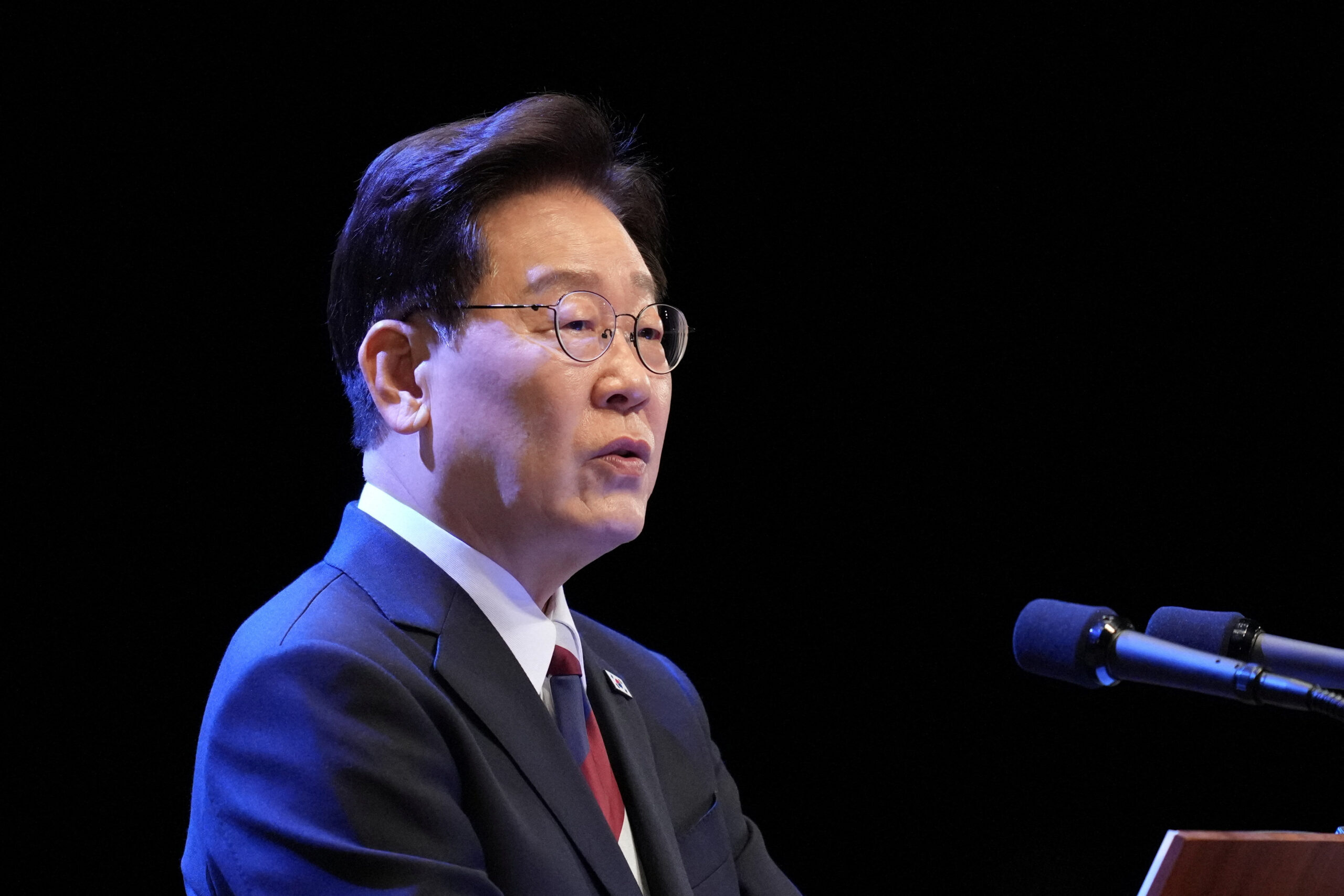
SEOUL, South Korea – South Korean President Lee Jae Myung called on Saturday, August 15, for talks with North Korea to pursue peaceful coexistence, saying Seoul would seek safeguards to prevent conflict and noting the need to replace the peninsula’s armistice with a “peace regime”.

In a speech marking the anniversary of Korea’s liberation from Japanese colonial rule, Lee said the two Koreas should hold a sit-down for coexistence.

He urged dialogue between North Korea and concerned parties to end the 1950-53 Korean War, which was stopped by a ceasefire, not a peace treaty, and said discussions could also explore effective measures to curb Pyongyang’s nuclear capabilities.

Lee said Seoul would take preemptive and sustained steps to ease tensions and build layered safeguards to contain escalation.

Lee’s call largely builds on his pledge last year to respect North Korea’s system and seek peaceful coexistence with Pyongyang.

Ties between North and South Korea remain frozen. North Korean leader Kim Jong Un has abandoned Pyongyang’s reunification policy, has described the South as its most hostile state and ordered stronger frontline defences.

North Korea has rebuffed Lee’s engagement offers, criticised Seoul’s plan for nuclear-powered submarines and denounced joint US-South Korean military drills as provocations.

On relations with Japan, Lee called for confronting the past while leaving open the future, and said he hoped to launch a new 60 years of peace and prosperity with Japan as a “close neighbour”. – Rappler.com

Similar Posts

  • |

    Ukraine urges faster missile support as envoy pushes for stronger air defences

    Ukraine has renewed its appeal for advanced air defence missiles, warning that the country urgently needs stronger protection against Russian ballistic missile attacks before winter arrives. Speaking in Washington, Ukraine’s ambassador to the United States, Olha Stefanishyna, said diplomatic efforts to end the war are continuing, but military support remains essential as Russian strikes intensify. Stefanishyna said Ukraine hopes renewed ceasefire discussions with Russia could help bring an end to the conflict before the harsh winter season. However, she stressed that negotiations alone will not protect civilians from the increasing number of missile attacks targeting Ukrainian cities and infrastructure. She said the country urgently requires additional Patriot PAC 3 interceptor missiles to strengthen its air defence system. According to the ambassador, Ukraine is in talks with the Pentagon about obtaining a licence to manufacture Patriot PAC 3 missiles domestically. She acknowledged that such a project would take considerable time, with production possibly beginning anywhere between one and five years after approval. Ukrainian officials are also discussing a long term purchasing arrangement that would allow the country to secure future missile supplies by exchanging production slots with another customer. Stefanishyna revealed that representatives from Raytheon, the company that produces the Patriot air defence system, have already visited Ukraine. She added that Lockheed Martin, which manufactures the PAC 3 interceptor missiles, is preparing to send a team of specialists to the country to explore possible cooperation. Describing the current security situation, the ambassador said Russia has sharply increased its use of ballistic missiles during overnight attacks. She noted that recent waves of strikes have included between 30 and 40 ballistic missiles in a single night. While Ukraine has become more effective at intercepting drones supplied or produced by Russia and Iran, it still lacks enough advanced missile systems to counter large scale ballistic attacks. Stefanishyna said Russian President Vladimir Putin continues to expand missile production while maintaining pressure on Ukrainian cities. She argued that Ukraine has adapted successfully in many areas of the conflict but still requires additional missile defences to protect the population during the coming winter months. The renewed request for military assistance follows Ukrainian President Volodymyr Zelensky’s meeting with United States President Donald Trump at the White House earlier this week. During the talks, Zelensky sought greater support for Ukraine’s air defence capabilities while also encouraging a fresh diplomatic effort aimed at ending the war. The ambassador said the latest peace initiative could include a visit to Kyiv by senior United States representatives Steve Witkoff and Jared Kushner. Although no official date has been announced, she said the visit could take place as early as next week if preparations are completed. Stefanishyna also said Zelensky has repeated Ukraine’s proposal for a ceasefire based on the current front lines, with negotiations continuing from that point. She stressed that meaningful progress is needed before winter because colder weather will make both military operations and humanitarian conditions more difficult. The ambassador also addressed reports about her own future in government. She confirmed that she had offered to resign from her position and return to Ukraine to respond personally to corruption allegations related to her financial declarations. Stefanishyna said President Zelensky had not requested her resignation and preferred that she remain in her role. However, she believes returning home is the best way to defend herself and her family against the accusations while the legal process moves forward.

  • |

    Iran warns of ‘devastating’ response as US prepares tougher sanctions

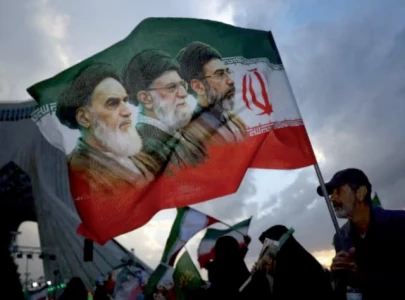
      Iran has warned that its armed forces are prepared to deliver a severe response to any new threats, as tensions continue to rise between Tehran and the United States. Iranian military commander Abdollahi said the country’s forces would respond to hostile actions with what he described as “crushing” and “devastating” measures, according to Iranian media reports. The warning comes as Iran faces the prospect of tougher economic restrictions from Washington. US Treasury Secretary Scott Bessent recently announced plans for what he described as the strongest sanctions ever imposed on Iran, with further details expected to be released soon. Iranian Parliament Speaker Mohammed Bagher Ghalibaf has meanwhile called on the country to strengthen its economic resilience and develop strategies to deal with what he described as unjust sanctions. Speaking during a meeting with Iranian and Iraqi business representatives in Baghdad, Ghalibaf stressed that economic development and national security were closely connected. According to Ghalibaf, the United States and Israel had turned to economic and so-called “cognitive” warfare after allegedly concluding that they could not achieve their objectives through direct military confrontation with Iran and Iraq. He argued that Muslim countries needed to protect their economic resources and become less vulnerable to external pressure. Ghalibaf also urged Iran and Iraq to expand their economic cooperation. He suggested that the neighbouring countries could increase the use of their national currencies in bilateral trade in an effort to reduce their dependence on the US dollar. His comments came amid growing uncertainty over Washington’s next steps toward Tehran. Bessent’s announcement followed US President Donald Trump’s warning of possible “economic warfare” against countries that provide any form of support or economic lifeline to Iran. Bessent indicated that the new economic measures could potentially reduce the likelihood of another major military escalation. He said that if Washington pursued a policy of maximum economic pressure, there might be less need for a large-scale resumption of military operations. His remarks suggested that the US administration could seek to increase pressure on Tehran through financial and economic restrictions rather than immediately pursuing further military action. However, Iran’s latest warnings indicate that Tehran remains prepared to respond forcefully if it believes its security is threatened. Ghalibaf, who is considered one of Iran’s most influential political figures and has played a prominent role in negotiations with Washington, also emphasised the importance of closer relations between Iran and Iraq. He said the two countries should transform their longstanding political and security cooperation into practical economic partnerships that could benefit their populations. A day earlier, Ghalibaf said Iran and Iraq had resisted attempts by Western powers led by the United States to influence their political future. He urged both countries to use their strategic relationship as a foundation for greater economic cooperation, development and shared prosperity. The latest statements reflect the growing pressure surrounding Iran as Washington prepares additional sanctions while Tehran continues to emphasise its military readiness and economic independence. The situation remains closely watched as both sides weigh the possibility of further confrontation against diplomatic and economic alternatives. While the United States appears focused on intensifying financial pressure, Iranian officials continue to warn that any new security threats could trigger a forceful response. The competing strategies have added another layer of uncertainty to an already tense relationship between Tehran and Washington.

  • |

    Wildfire smoke drives dangerous air pollution across France and Spain

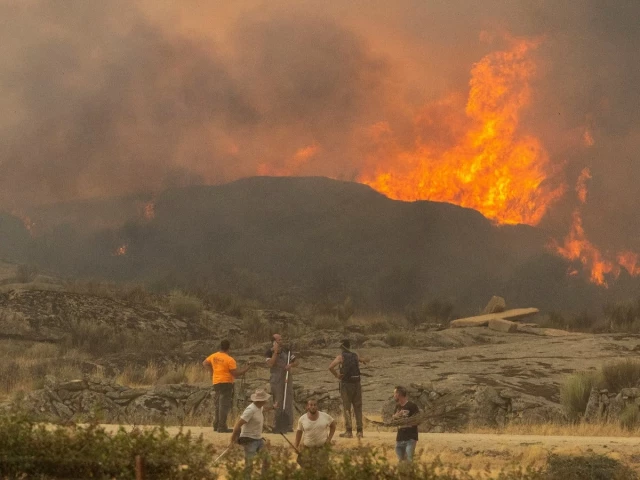
    Massive wildfires burning across France and Spain have pushed air pollution to dangerous levels, exposing millions of people to harmful smoke and raising fresh concerns about public health and climate change. Scientists say the fires have released large amounts of fine particulate matter known as PM2.5, a pollutant linked to heart disease, lung cancer and serious respiratory illnesses. Experts explained that wildfire smoke can travel hundreds of kilometres, reducing air quality far beyond the areas directly affected by the flames. They warned that prolonged exposure to high levels of PM2.5 poses a significant health risk, especially for children, older adults and people with existing medical conditions. Theodore Keeping, a climate scientist at Imperial College London, said repeated exposure to dense wildfire smoke can have serious health consequences. He noted that climate change is contributing to more frequent and intense wildfires, increasing the number of people breathing unhealthy air for extended periods. Air quality data from the European Union’s Copernicus Atmosphere Monitoring Service showed that pollution levels in the French city of Bordeaux rose sharply on July 26. PM2.5 concentrations exceeded 300 micrograms per cubic metre at their highest point, while the daily average reached around 115 micrograms. Scientists said this was nearly five times higher than the European Union’s recommended daily limit. Smoke from the fires also spread across large parts of southern France and central Spain. In Limoges, located more than 200 kilometres northeast of Bordeaux, PM2.5 levels climbed above 400 micrograms per cubic metre during the weekend. Scientists said these figures demonstrate how wildfire pollution can affect communities located far from the fires themselves. Mark Parrington, a senior scientist at the European Centre for Medium Range Weather Forecasts, said the fires are producing enormous amounts of smoke that continue to spread across the region. He explained that particles released by wildfires may become even more harmful because they mix with other chemicals in the smoke. These tiny particles can travel deep into the lungs, increasing the risk of breathing problems and other health complications. Health experts have advised people living in affected areas to follow official safety guidance. Recommended precautions include staying indoors whenever possible, keeping windows closed to prevent smoke from entering homes and wearing protective masks if outdoor travel cannot be avoided. Scientists also warned that the environmental impact of the fires extends beyond air pollution. Europe’s forests normally absorb large amounts of carbon dioxide from the atmosphere, helping to slow global warming. When forests burn, much of that stored carbon is released back into the air, adding to greenhouse gas emissions. According to data from the European Forest Fire Information System, wildfires across Europe have released around 18 million metric tons of carbon dioxide so far this year. France has recorded its highest wildfire related carbon emissions ever measured by this stage of the year. Researchers said nearly half of the European Union’s wildfire emissions for 2026 were produced during the past week alone. Although wildfire emissions currently represent only a small share of the European Union’s overall greenhouse gas output, scientists cautioned that the situation could become more serious in the future. As climate change creates hotter and drier conditions, wildfire risks are expected to expand into northern Europe, where vast forests play a major role in storing carbon. Researchers warned that increasingly destructive fire seasons could make it more difficult for European countries to achieve their long term climate goals.

  • |

    OPEC+ expected to approve another oil output increase for September

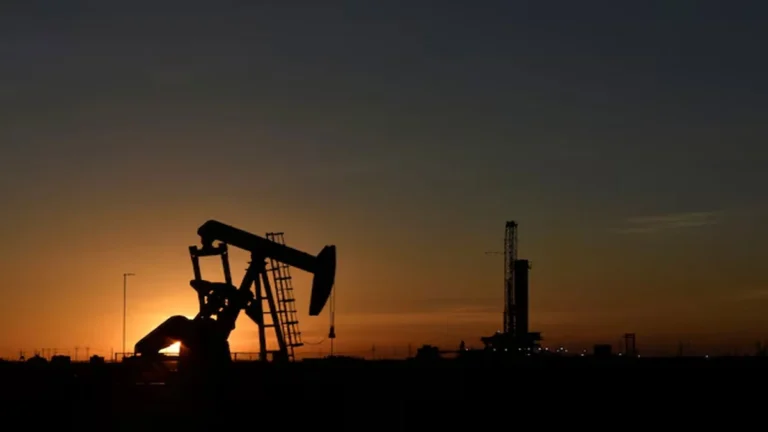
    OPEC+ is widely expected to approve another increase in oil production when its members meet virtually on Sunday, as the alliance continues to adjust supply while global energy markets remain affected by ongoing geopolitical tensions. According to market analysts, Saudi Arabia, Russia and several other key members of the alliance are likely to raise their combined production target by around 188,000 barrels per day for September. If approved, the increase would continue a series of monthly production hikes introduced this year and is expected to mark the final step in the group’s current plan to gradually restore previously reduced output. OPEC+, which includes members of the Organization of the Petroleum Exporting Countries and allied producers, introduced major production cuts between late 2022 and 2023 after concerns that falling oil prices could weaken global energy markets. Those reductions removed nearly six million barrels of oil per day from the market in three separate phases. As demand gradually recovered, the group shifted its strategy by slowly increasing production, beginning in 2025, to balance supply while supporting market stability. A September increase would complete the reversal of the second package of production cuts introduced during that period. However, analysts note that higher production targets do not necessarily mean actual oil output will increase by the same amount. Several member countries are currently unable to reach their assigned quotas because of declining production capacity, ageing infrastructure or operational challenges. Energy analyst Giovanni Staunovo of UBS said many producers are already pumping below their official targets, making further quota increases less significant in practical terms. He noted that production capacity has declined in several member states, limiting their ability to take full advantage of higher output allowances. Regional tensions have also affected oil exports. Gulf producers continue to face challenges because shipping through the Strait of Hormuz has been disrupted during the conflict involving Iran. Although maritime traffic briefly improved after a memorandum of understanding between the United States and Iran was signed in June, transport through one of the world’s busiest oil routes remains uncertain. Russia is also dealing with production difficulties as repeated Ukrainian drone attacks have targeted parts of its energy infrastructure. Current Russian oil production remains close to nine million barrels per day, well below its official production target of 9.8 million barrels per day, highlighting the gap between quotas and actual output. Some OPEC+ members, including Iraq, have indicated they want to increase production significantly once conditions allow. At the same time, the alliance is reviewing the maximum sustainable production capacity of each member to help determine future output allocations. These discussions are expected to play an important role in setting production quotas for 2027 and beyond. Analysts believe negotiations over future production targets could become more challenging after the September meeting. While they say the alliance remains united for now, the departure of the United Arab Emirates from OPEC+ earlier this year has raised questions about the group’s long term cohesion. The UAE said its decision to leave was based on national interests and long term strategic goals, pointing to major investments aimed at expanding its oil production capacity beyond the limits previously set by the alliance. Despite these challenges, OPEC+ is expected to continue coordinating production policies in an effort to maintain stability in the global oil market as economic uncertainty and geopolitical tensions continue to influence energy demand and supply.

  • |

    US Senate confirms Trump nominees for labor board, cementing Republican control

    The US Senate confirmed President Donald Trump’s nominees for two positions on the federal labour law enforcement agency on Friday. The move provides Republicans with the necessary votes to overturn several key decisions that previously supported union organising. The Republican-led Senate approved a block of over 70 federal government nominees in a 51–47 vote. Among those confirmed were James Macy and David Prouty to serve on the National Labor Relations Board. James Macy, a Republican, held several roles at the US Department of Labour after spending four decades representing employers in labour disputes. David Prouty, a former union lawyer serving as the board’s sole Democrat, was confirmed for a second term. The five-member board already held a 2–1 Republican majority prior to the confirmation vote. By tradition, the panel maintains two Democrats, two Republicans, and a chair designated by the president. The NLRB investigates complaints from private-sector workers and unions whilst overseeing workplace elections. Formal complaints filed by the general counsel are heard by administrative judges before reaching the full board, whose rulings can be appealed in federal court. This internal process faces ongoing legal challenges from companies such as Amazon and SpaceX, which argue that the framework violates the US Constitution. Under long-standing tradition, the board requires three affirmative votes to overturn established precedent. Existing Republican appointees Scott Mayer and Chairman James Murphy had previously stated they would not break with that practice without a third vote. Trump’s appointees are expected to target policies favoured by trade unions that contributed to a recent surge in organising efforts. Murphy and Mayer have already revived a rule making it harder to hold companies accountable as joint employers of contract workers, whilst relinquishing jurisdiction over a SpaceX case to another federal agency. The board previously lost its quorum and was unable to process cases last year after Trump took the unprecedented step of removing Democratic member Gwynne Wilcox. Her dismissal left hundreds of cases unresolved for nearly a year. Wilcox sued and brief reinstatement was granted before a federal appeals court paused and reversed the decision. In June, the US Supreme Court upheld Trump’s removal of a Democratic Federal Trade Commission member, ruling that statutory protections against removal without cause were invalid. Wilcox’s petition for Supreme Court review regarding an identical protection remains pending.

  • | |

    Iranian commander claims US, Israel failed to meet…

    TEHRAN: Iran’s Revolutionary Guard has claimed that the United States and Israel failed to achieve their objectives during the conflict with Iran, as Tehran indicated that negotiations with Oman over the Strait of Hormuz were nearing an agreement but would not immediately lead to the waterway’s reopening. Brig Gen Hassan Zadeh, commander of the Islamic Revolutionary Guard Corps’ Mohammad Rasulullah Corps in Tehran, said Iran’s military preparedness and public support had helped the country withstand the US and Israeli campaign. Speaking during an inspection of upgraded air-defence units, Zadeh said Washington and Tel Aviv had failed to accomplish their stated goals and were now facing questions from their own populations and political circles. Meanwhile, Iranian Foreign Minister Abbas Araqchi said talks with Oman over a temporary shipping arrangement in the Strait of Hormuz were progressing. However, he stressed that an agreement on a shipping route alone would not be sufficient to reopen the strategically important waterway. Iran has linked the reopening of the strait to several conditions, including an end to US threats and attacks, the lifting of sanctions and blockades, compensation for losses and the release of Iranian assets. Tehran has also rejected the previous traffic separation system used by vessels passing through the waterway. Oman described its discussions with Iran as positive and constructive while urging all sides to avoid actions that could undermine the negotiations. Muscat also condemned recent attacks on ships travelling through the strait without assigning responsibility. The developments come amid continued disruption to shipping in the Strait of Hormuz, a crucial route for global energy supplies. The United Arab Emirates said an oil-related vessel had been struck by a missile while transiting the waterway, although no injuries were reported. The UK Maritime Trade Operations agency also reported that a vessel caught fire after being hit by an unidentified projectile. The fire was later extinguished, with no environmental damage reported. The United States has said it expects an agreement that could restore commercial shipping and allow restrictions on Iranian ports to be eased. US Central Command said more than 30 vessels had been permitted to pass through the area for humanitarian purposes, while dozens of others had been stopped or subjected to military action. Iranian officials, however, maintain that the strait will only be reopened once Washington accepts Tehran’s demands. Iranian authorities have also warned that any future shipping arrangement must provide Iran with greater control over maritime traffic. The prolonged disruption has contributed to rising energy costs and increased prices for food and other essential goods in Iran, adding further pressure on the country’s economy as negotiations continue.

Leave a Reply

Your email address will not be published. Required fields are marked *