stronger asean cooperation
| |

Stronger ASEAN cooperation sought to tackle online youth radicalization

BALI, Indonesia – Experts called for regional cooperation among ASEAN countries to address online radicalization affecting young people and the multiple pathways toward violence.

“There is value, I believe, in exploring a shared regional commitment, especially the leaders’ commitment to strengthening youth resilience and preventing violence,” I Gusti Agung Wesaka Puja, ASEAN Institute for Peace and Reconciliation (ASEAN IPR) executive director, told Rappler on Monday, October 12.

According to Puja, regional cooperation would enhance exchanges of research and effective practices as countries grapple with the radicalization of young people.

“Rather than just focusing only on adoptions of agreements or producing documents, declarations of covenants, whatsoever, we should consider how such a commitment should be translated into more practical measures in which youth can benefit from,” the Indonesian diplomat added.

School shootings occurred in the parts of the Philippines between June and September 2026. Indonesia recorded two separate school bombings in 2025 and 2026. Puja mentioned preventive measures through education, digital literacy efforts, and community projects.

Regional cooperation can take different layers, according to Bora Park, research fellow at Seoul-based Institute for National Security Strategy.

“[Governments] can share the intelligence about the emerging threats or the specific dangerous people or the organizations,” Bora said in a separate interview Monday.

Other layers Bora noted are interactions between practitioners and researchers, among grassroots organizers where they can share knowledge and lessons learned.

Must Read

Psychologists want us to rethink what we ask about school violence


Psychologists want us to rethink what we ask about school violence

In 2017, ASEAN adopted the Manila Declaration to Counter the Rise of Radicalisation and Violent Extremism which puts strong focus on the reintegration of individuals from extremist networks to society. This was followed by a plan of action in 2018.

Prevention remains a complex task

A recently issued baseline study from ASEAN IPR said online spaces act as multiplier of the conditions from which young people’s personal and political grievances come from.

Networks such as True Crime Community and 764 glorify violence regardless of any formal ideological framework.

“The violence is becoming more accessible and more visible among young people nowadays,” Lee Chul, ambassador of the Republic of Korea to ASEAN, said in an interview Monday.

”It no longer comes from the organized group with a clear doctrine or ideology. Nowadays young people are exposed to radicalization risk earlier than ever.”

South Korea is supporting a training program through the ASEAN-Korea Cooperation Fund and in partnership with ASEAN IPR following the publication of the study. “This is an investment in the region’s long-term peace and security,” Lee said.

The study nuanced that exposure to violent acts does not necessarily translate to violent acts.

“Exposure alone rarely produces violence; active seeking, algorithmic reinforcement, and communities that validate hostility are what convert exposure into commitment,” the study read.

Young people’s easy access to violent ideas makes it harder for authorities to prevent the phenomenon.

In their study, ASEAN IPR recommended that authorities recognize, and address accordingly, “that hate speech, discrimination and gender-based violence normalize violence long before extremism appears.”

Parents, teachers, and health care workers should be taught to “recognize early signs of distress and of hardening attitudes.” (READ: Amid rising school violence, citizens pitch solutions to keep children safe)

Human rights education should be developed and figure prominently in this conversation, according to the think tank. Moreover, the scope of violent radicalization should be clarified, so as not to be confused with legitimate protests among the youth. – Rappler.com
Similar Posts

  • |

    Will Scharf named Trump’s new White House counsel

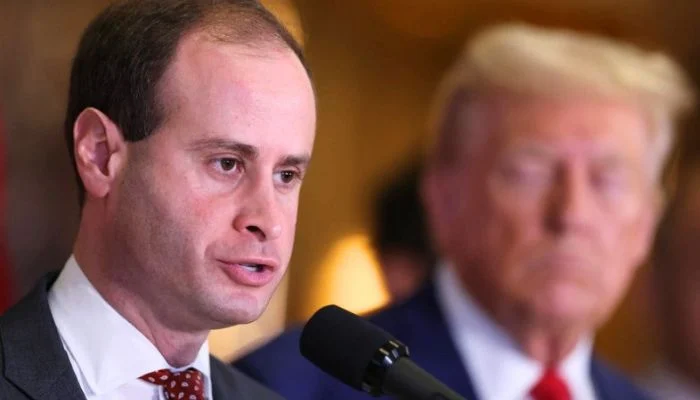
    US President Donald Trump has appointed Will Scharf as the next White House counsel and assistant to the president. Scharf, who currently serves as White House staff secretary, will take over the legal post on September 1, 2026. He will replace David Warrington, who is set to leave the administration and enter the private sector. Scharf is a lawyer and political adviser with close ties to Trump. Before joining the White House, he represented Trump in several major legal matters. He was also involved in the presidential immunity case that reached the US Supreme Court. Scharf previously worked as a federal prosecutor. He also served as a law clerk for federal appeals court judges, giving him experience in both government and federal litigation. His new position will place him at the centre of the Trump administration’s legal strategy. As White House counsel, Scharf will advise the president on legal issues and oversee matters involving executive privilege, judicial appointments and relations with the Justice Department. He will also be involved in responding to legal challenges facing the administration. The position is considered particularly important as Trump prepares for growing political and legal pressure ahead of the 2026 midterm elections. Scharf joined Trump’s legal team in 2023. He worked on the federal election interference case brought by former Special Counsel Jack Smith. His involvement continued as the case reached the Supreme Court. In 2024, the Supreme Court ruled that presidents have broad immunity from criminal prosecution for official acts. The decision became a major development in the legal battles surrounding Trump. After Trump returned to the White House in January 2025, Scharf was appointed staff secretary. In that role, he managed documents and other materials sent to the president for review. He also frequently appeared with Trump during executive-order signing ceremonies. Scharf has also chaired the National Capital Planning Commission. During his tenure, he was involved in the approval process for Trump’s proposed White House ballroom project, which has faced controversy and scrutiny. His appointment comes at a politically sensitive time for the administration. The White House is dealing with legal and political challenges while preparing for increased congressional scrutiny before the midterm elections. Trump praised Scharf after announcing the appointment. He described him as “tough, strong, and smart” and highlighted his experience as a federal prosecutor and his work on Trump’s legal cases.

  • |

    US Department of Defence orders swift ramp-up in weapons manufacturing as conflict with Iran strains stockpiles

    The United States Department of Defence has called on defence contractors to accelerate weapons production amidst growing anxiety over dwindling military stockpiles as hostilities with Iran persist. Deputy Secretary of Defence Steve Feinberg issued a formal directive on Wednesday, setting a 21-day deadline for defence industry leaders to deliver proposals aimed at driving significantly faster delivery timelines and boosting output for critical capabilities. The directive was initially revealed by The Washington Post following heightened scrutiny regarding the condition of US weapons reserves during the ongoing conflict. Spokesperson for the Department of Defence Sean Parnell verified the authenticity of the directive, noting that the submissions will directly shape the Pentagon’s budget request for fiscal year 2028. “The August 5 memo is real,” Parnell stated. “It will inform the fiscal year 2028 budget submitted to Congress for funding, and it is entirely consistent with our ongoing push to rebuild the defence industrial base.” Parnell added that direct engagement with weapons manufacturers is routine practice, defending the administration’s aggressive measures to expedite procurement schedules. He detailed that Feinberg is actively working to overhaul what he characterized as a broken, outdated, and overly intricate procurement framework, ensuring the military retains the capability to produce equipment at a pace that matches modern threat levels.

  • | |

    UK heatwave breaks 1995 record as fifth heatwave h…

    London: Britain is facing another spell of intense summer heat, with the country’s fifth heatwave of the year pushing the number of days above 30°C beyond a record set more than three decades ago. According to media reports, temperatures have exceeded 30°C across several parts of the UK, adding to growing concerns over the health and environmental impact of prolonged hot weather. The UK has now recorded 35 days with temperatures above 30°C this year, surpassing the 1995 total of 34 such days. The development highlights the unusual persistence of hot weather this summer. The Met Office is forecasting further rises in temperatures, with East Anglia and southeast England expected to experience particularly hot conditions on Thursday. Temperatures in some areas could climb to around 36°C. The prolonged heat has also prompted health authorities to issue warnings. The UK Health Security Agency has placed heat-health alerts across several regions, including London, the East Midlands, West Midlands, Yorkshire and the Humber, urging people to take precautions during the hottest periods. The heat is not the only concern. Britain is also dealing with increasingly dry conditions, putting additional pressure on water supplies, agriculture and natural habitats. Government assessments have previously warned that repeated heatwaves and low rainfall are increasing drought risks, while wildfires have affected several parts of the country. Dry grass, parched fields and shrinking water resources have become visible signs of the changing conditions. Authorities are urging residents to stay hydrated, avoid unnecessary exposure to extreme heat and remain cautious in areas vulnerable to fires. With another hot spell approaching, attention is now focused on how long the latest heatwave will last — and whether Britain is heading toward another summer of unprecedented weather extremes.

  • |

    Tourist plane crash in Peru kills 13

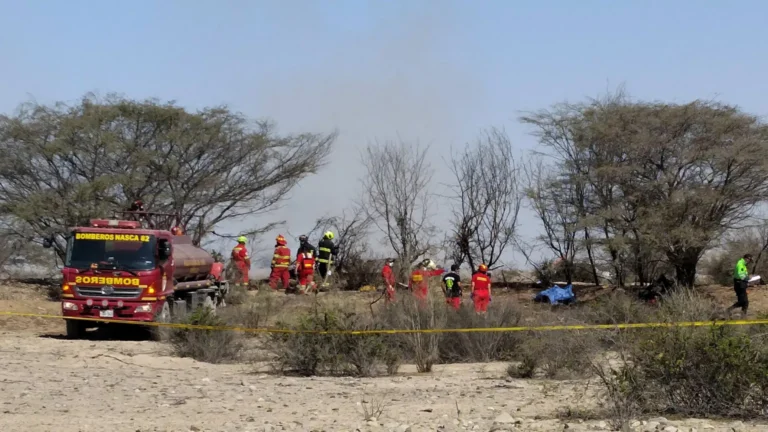
    LIMA: A tourist aircraft crashed in southern Peru on Saturday, killing all 13 people on board during a sightseeing flight over the world-famous Nazca Lines, authorities confirmed. The aircraft, identified as a Cessna Caravan C-208, was carrying 11 foreign tourists and two pilots when it went down near the Nazca archaeological site shortly after taking off from Pisco Airport. According to officials, the passengers included seven Italian nationals, two Germans and two Spaniards. Emergency responders rushed to the crash site, but there were no survivors. Police and rescue teams launched recovery operations immediately after the accident. Authorities said the impact completely destroyed the aircraft, making rescue efforts impossible. Investigators have begun examining the wreckage to determine what caused the crash. The Nazca Lines, a UNESCO World Heritage Site, attract thousands of visitors every year. The enormous ancient geoglyphs, etched into the desert more than 1,500 years ago, are best viewed from the air, making sightseeing flights a popular tourist activity. Local authorities expressed deep sorrow over the tragedy and extended condolences to the victims’ families. The airline operating the flight said it would cooperate fully with investigators and review its flight operations in line with directives from aviation authorities. The accident is the latest in a series of aviation incidents involving sightseeing flights over the Nazca Lines. Similar crashes in previous years have raised concerns about the safety of tourist flights in the region. Officials said a full investigation is underway to establish the exact circumstances behind the fatal crash.

  • | |

    Ebola outbreak becomes Congo’s deadliest, death …

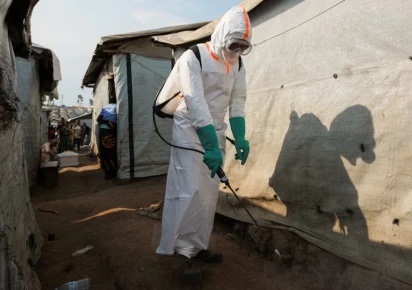
    KINSHASA: The Democratic Republic of Congo is facing its deadliest Ebola outbreak on record, with the death toll reaching 2,325 and confirmed infections climbing to 4,945, according to the latest government figures. The outbreak, declared on May 15, has now surpassed the 2,299 deaths recorded during Congo’s previous worst Ebola epidemic from 2018 to 2020. Health authorities also reported 101 new confirmed cases in a single day, highlighting the rapid spread of the disease. The current outbreak is the country’s 17th and has already become its largest in terms of confirmed cases. Only the devastating West African Ebola epidemic of 2014–2016, which killed more than 11,000 people across Guinea, Liberia and Sierra Leone, has recorded a higher overall toll. Health officials say the outbreak is being driven by major challenges, including weak healthcare infrastructure, insecurity and resistance within some communities. Delays in detecting infections and getting patients into medical care are also contributing to the high death rate. The case fatality ratio has climbed sharply to 46%, compared with around 20% in early June. Public health experts caution that the increase does not necessarily mean the virus has become more deadly. Instead, they say many patients are being identified only after their condition has severely deteriorated or after death. The outbreak is being caused by the Bundibugyo species of Ebola, for which there are currently no approved vaccines or specific treatments. Researchers are assessing experimental vaccines and therapies, but available evidence remains limited. Ebola is transmitted through direct contact with the bodily fluids of infected people, including those who have died from the disease. Symptoms can include fever, vomiting and diarrhoea, while severe infections may lead to internal or external bleeding. The outbreak also crossed into neighbouring Uganda, where authorities confirmed 20 cases and two deaths before declaring the outbreak over last month.

  • |

    Nearly 100 children wrongly detained as adults under UK-France migration deal

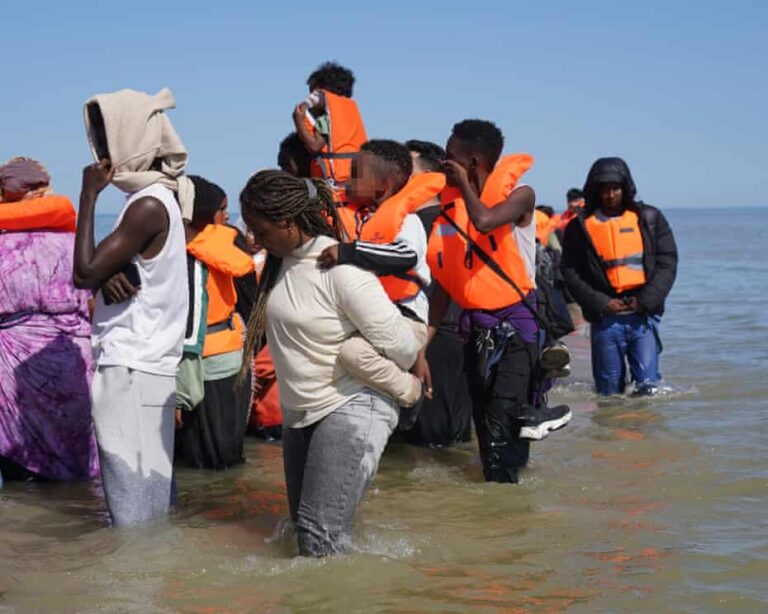
    At least 94 children were mistakenly identified as adults and held in immigration detention under Home Secretary Shabana Mahmood’s “one in, one out” agreement with France, according to details disclosed in a letter from the Independent Monitoring Boards (IMB). Between August 2025 and May 2026, Home Office officials recorded 304 age-disputed cases arising from the scheme, officially named Operation Hillmore, with 31% ultimately confirmed to be minors. Standard UK policy strictly prohibits the detention of unaccompanied minors beyond 24 hours. The critical findings, sent to Home Office Minister Anna Turley by interim IMB chair Jane Leech, highlighted severe safeguarding and procedural failures. Age assessments at immigration removal centers took up to 40 days to resolve in certain instances, while some individuals faced deportation delays of up to 27 weeks, far exceeding the scheme’s 28-day target. Additionally, detainees were slated for removal despite requiring urgent hospital care or suffering from active tuberculosis. The Refugee Council condemned the findings, urging the government to rely on social-worker-led assessments rather than administrative border checks. In response, a Home Office spokesperson stated that age assessment procedures are being modernized, including plans to roll out AI tools next year to support determinations.

Leave a Reply

Your email address will not be published. Required fields are marked *