main suspect alleged
| | | | |

Main Suspect in Alleged Murder of Russian Siblings Brings Police to Burial Site Near Pattaya

CHONBURI, Thailand –

Police have taken into custody Mr. Thana, known as “Pong,” and his close acquaintance “Thong” a suspect wanted under an arrest warrant, after he confessed to transporting and secretly burying bodies of two young Russian siblings in a remote forest area. He allegedly killed the pair after an attempt to steal their motorbike was met with resistance, but police are examining every angle still and whether any other motives could have taken place.

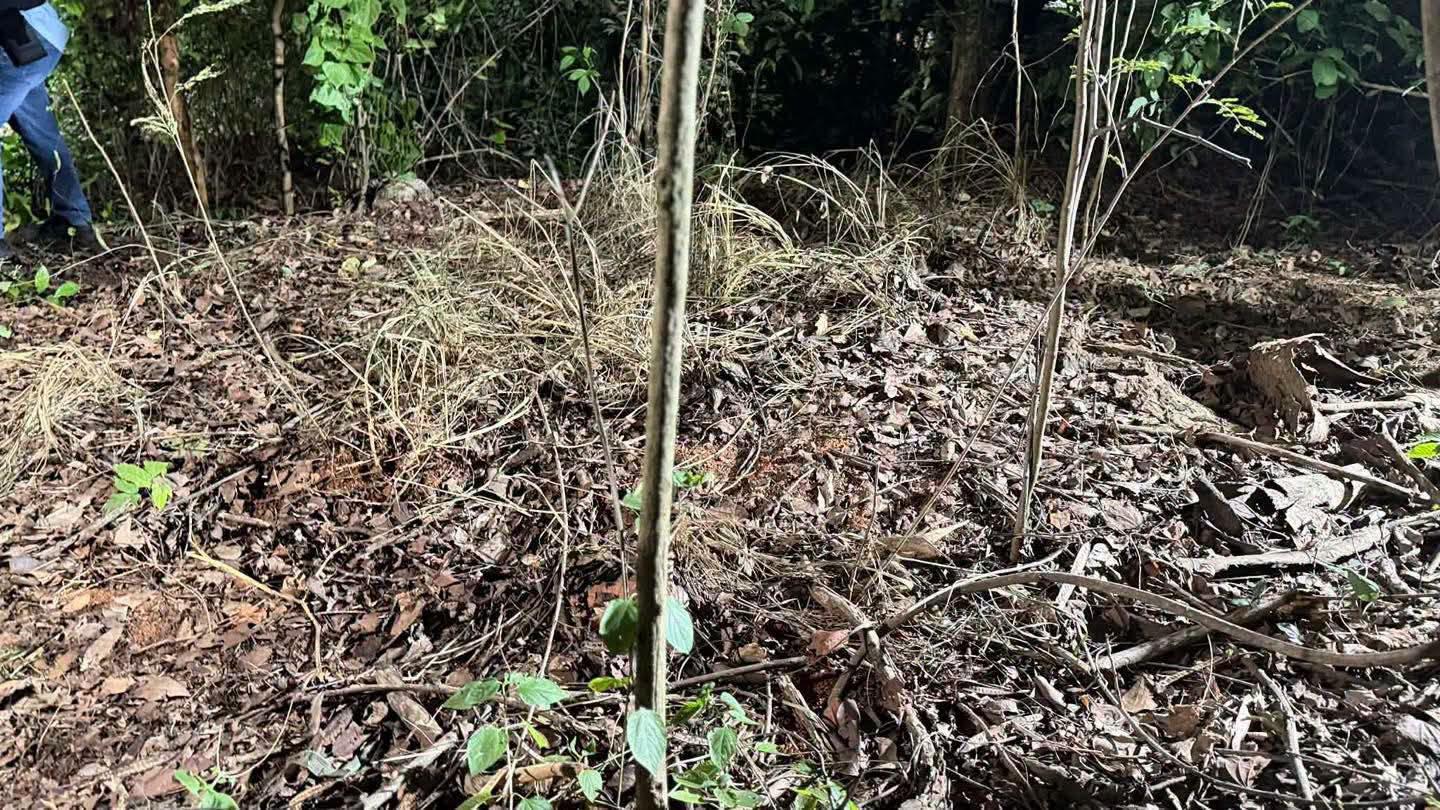
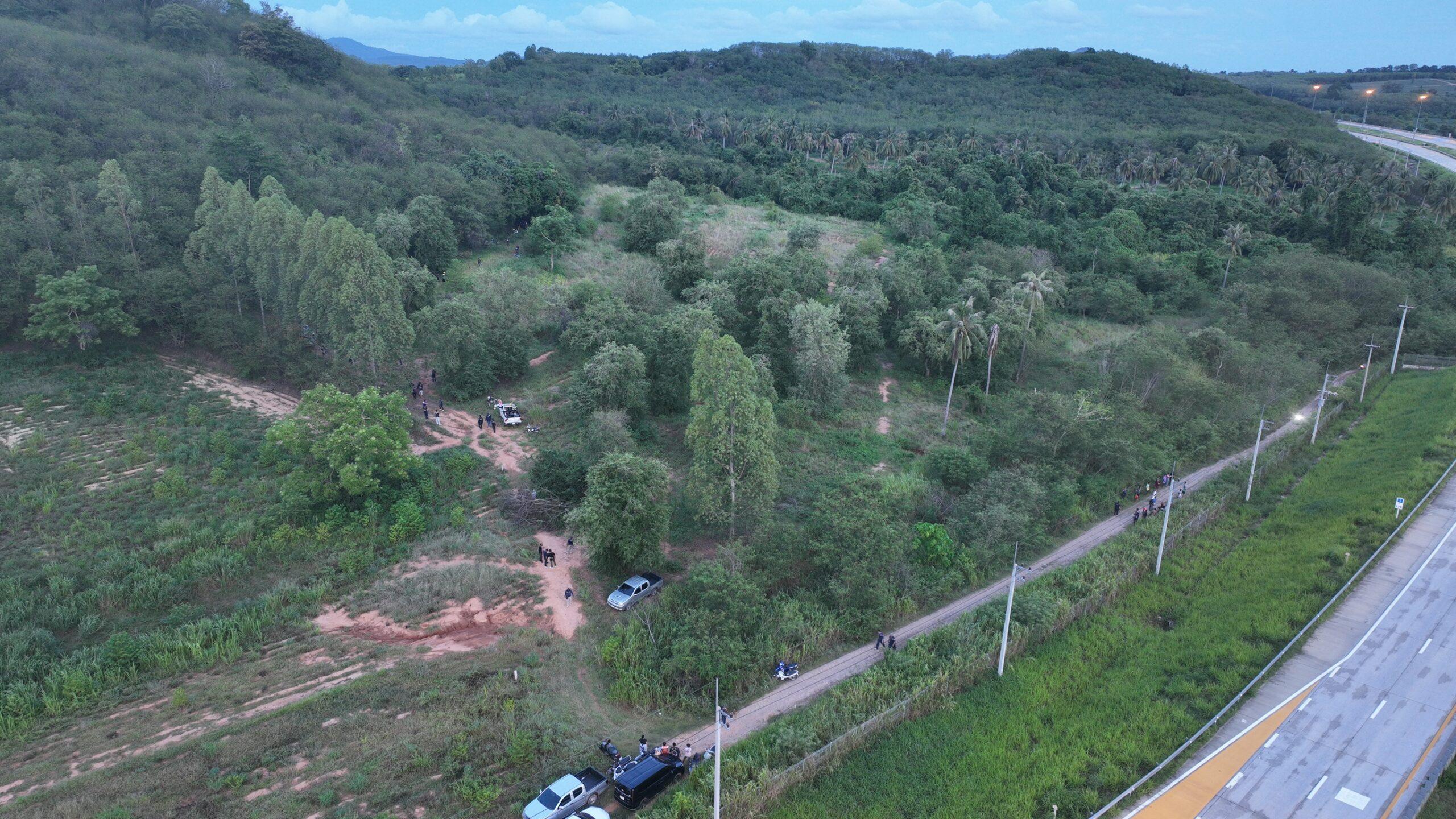
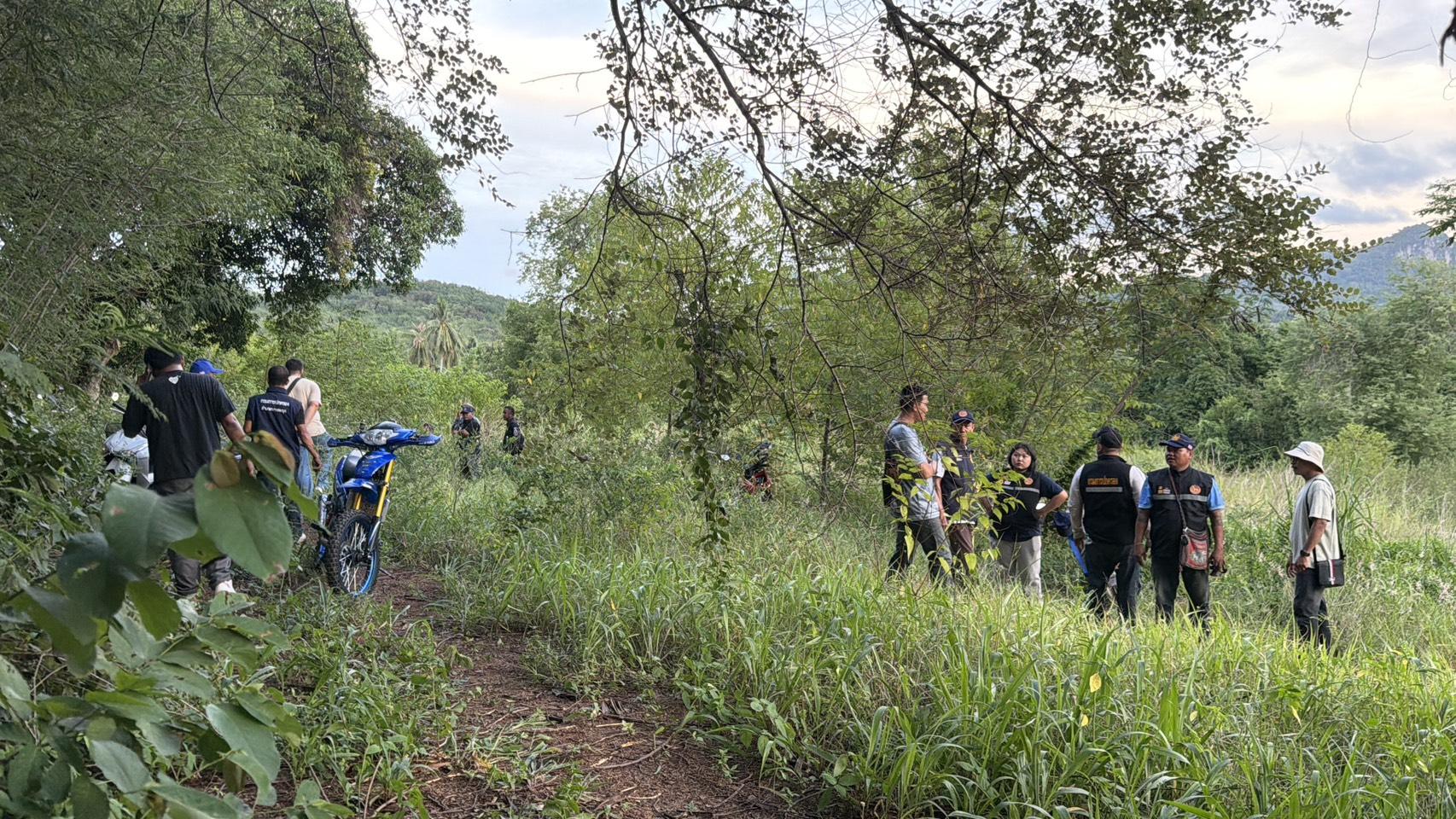
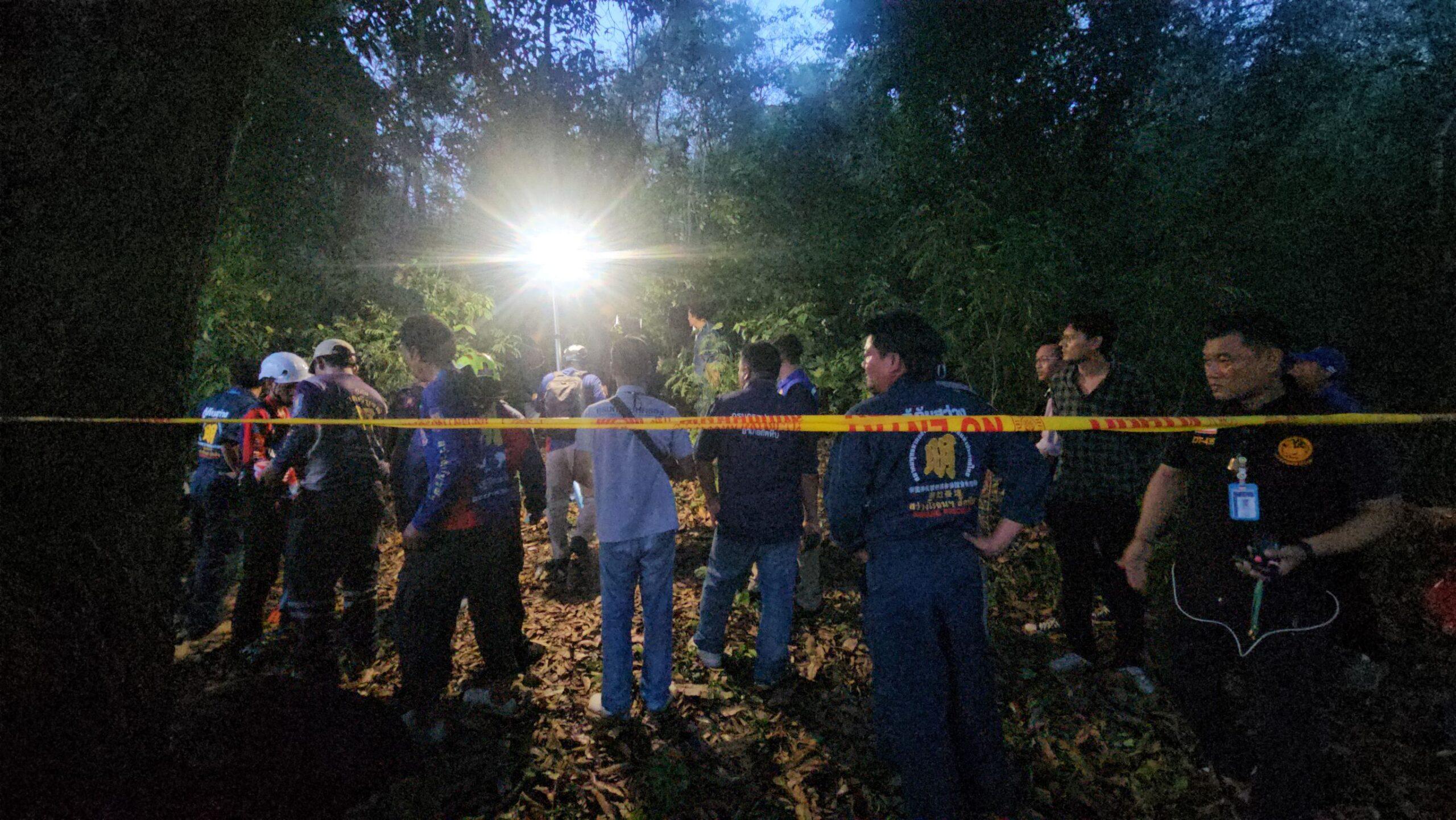
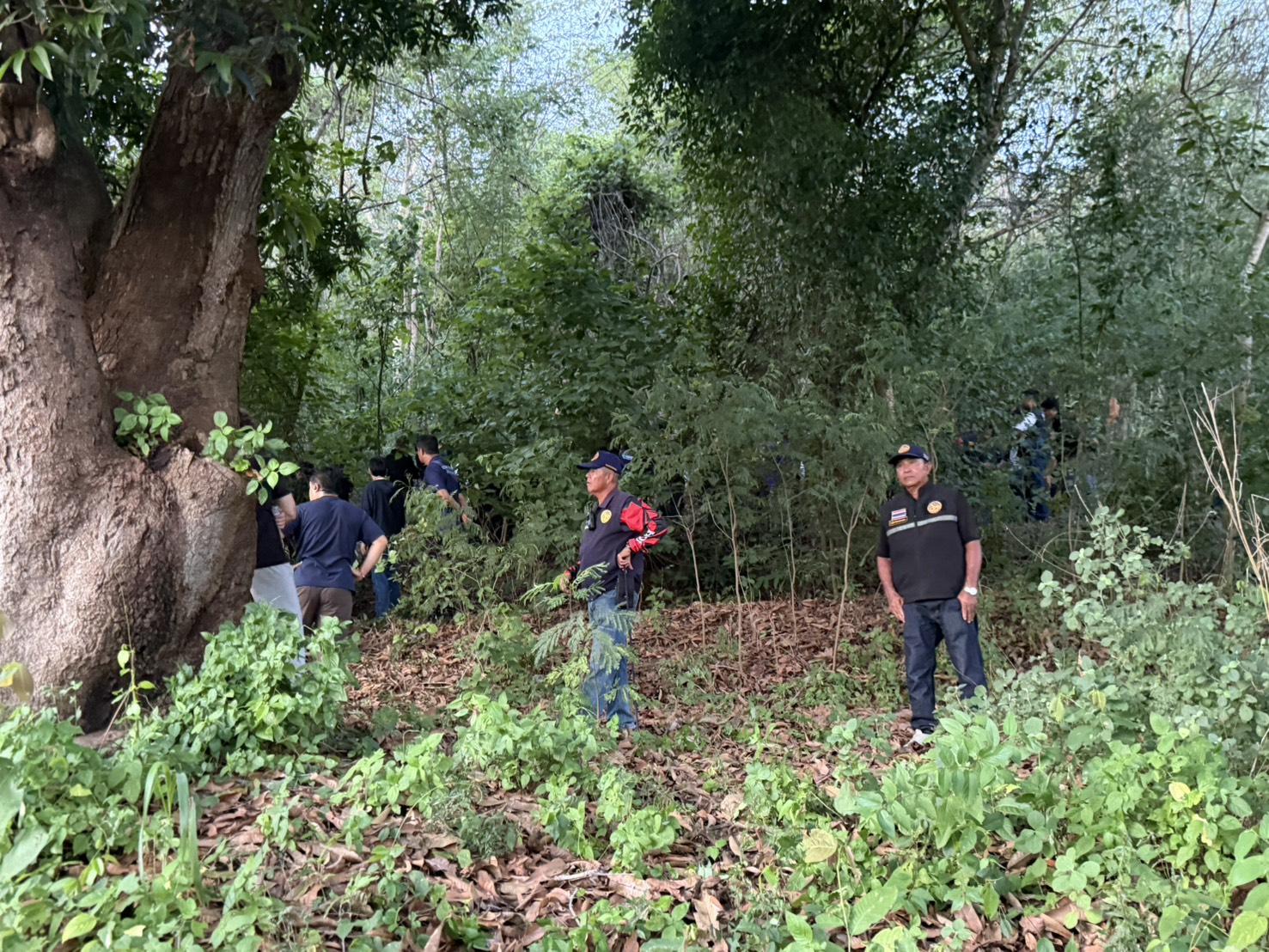
Officers escorted the suspect to the Sak Ngaeo forest in Huai Yai Subdistrict, Bang Lamung District, Chonburi Province, where he pointed out the alleged burial location.

Multiple agencies entered the site to examine the area, collect forensic evidence, and search for the remains. If found, the remains will undergo legal autopsy and evidence processing, while investigators expand their probe to identify all individuals connected to the case.

Authorities are also examining unconfirmed reports that up to three additional bodies may have been buried in the same forest. Police stressed that these claims remain under active investigation and have not been officially verified.

Similar Posts

  • | |

    LHC judge steps aside from bail hearing in Libya b…

    LAHORE: Lahore High Court ( LHC) Justice Ghulam Sarwar Nihang has recused himself from hearing the post-arrest bail petition of a suspect allegedly linked to the Libyan boat tragedy. The case involving accused Shafaqat Ali was taken up by the Lahore High Court, where Justice Nihang informed the court that he had previously served as a member of the commission formed to investigate the Libya shipwreck. Given his previous involvement with the commission, the judge said he did not consider it appropriate to hear the bail petition concerning the same matter. The case record was subsequently referred to the Chief Justice of the Lahore High Court for further proceedings. During the hearing, the defence counsel argued that bail had already been granted to suspects in several similar cases and requested that Shafaqat Ali also be released on bail until the trial court reaches a decision. The case is part of investigations launched following the Libyan boat accident. The Federal Investigation Agency’s Mandi Bahauddin office has registered cases against suspects allegedly connected to the incident. In a related development, another accused, Muhammad Tahir, has also been granted post-arrest bail in the Libya boat tragedy case.

  • | |

    Pakistan paid Rs6,405 billion to IPPs in capacity …

      ISLAMABAD: Pakistan’s federal government paid a total of Rs6,405 billion to Independent Power Producers (IPPs) in capacity payments between 2020 and 2025, the National Assembly has been informed, highlighting the growing financial burden associated with the country’s power sector. According to a written response submitted by Federal Minister for Energy Awais Ahmad Leghari, capacity payments increased significantly during the five-year period despite government efforts to renegotiate power purchase agreements and reduce electricity costs. The figures presented to the National Assembly show that capacity payments rose from Rs613.9 billion in FY2020-21 to Rs1,807 billion in FY2024-25. This represents an increase of approximately 194% over the period. The government paid Rs613.9 billion in capacity charges during FY2020-21. The amount increased to Rs775.9 billion in FY2021-22 before rising sharply to Rs1,307 billion in FY2022-23. Capacity payments reached their highest level during FY2023-24, when the government paid around Rs1.902 trillion to IPPs. Although the amount declined slightly in FY2024-25 to Rs1.807 trillion it remained almost three times higher than the amount paid in FY2020-21. Capacity payments are charges made to power producers for keeping their generating plants available to supply electricity, regardless of whether the full generation capacity is actually utilised. These payments are part of the contractual arrangements between the government and IPPs and have frequently been identified as one of the factors contributing to Pakistan’s expensive electricity system and growing circular debt. Responding to questions in the National Assembly, Energy Minister Awais Ahmad Leghari said the government has taken several measures to reduce the financial pressure created by existing power agreements. According to the minister, a government task force has terminated power purchase agreements with six IPPs, while agreements with several other producers have also been revised. The objective of these measures is to reduce electricity costs and limit the financial burden on the national power sector. The Ministry of Energy estimates that the changes made to the agreements could result in savings of approximately Rs4.3 trillion over the remaining life of the contracts. Leghari also clarified that payments made to power producers are based on tariffs determined by the National Electric Power Regulatory Authority (Nepra) and the terms agreed under the relevant power purchase agreements. He rejected the impression that generators were receiving payments outside the approved contractual and regulatory framework, stating that there were no additional payments beyond the applicable arrangements. Despite the government’s renegotiation efforts, the figures show that capacity payments continue to represent a major financial obligation for Pakistan. The Rs1.807 trillion paid in FY2024-25 alone demonstrates the scale of the challenge facing the country’s power sector. The government’s efforts to terminate and revise agreements are expected to provide substantial savings in the coming years. However, reducing capacity payments and addressing the broader issues of electricity pricing, power utilisation and circular debt remain critical challenges for Pakistan’s energy sector.

  • | |

    From classroom to gallery: KDSP’s graduation 

    Exhibition Redefines Ability Finding confidence in every stitch: Inside KDSP’s graduation where ‘thesis’ means a product, a skill, and a paycheck KARACHI: The room was loud with pride. Eight students stood by tables displaying tote bags, paintings, screen-printed handbags, painted canvases, cushion covers, and pouches stitched with their own names on them. This is KDSP’s idea of a “thesis.” Not a paper. A proof. Proof that years of training can turn into a skill, and a skill can turn into independence. It is easy to group all children under one word — “special.” But at the Karachi Down Syndrome Program, they don’t. Because a child with Down Syndrome learns differently than a child with CP. An autistic student needs a different kind of classroom than any other child. Launched in March 2014, the Karachi Down Syndrome Program (KDSP) is a prominent non-profit organization advocating for the value, acceptance, and inclusion of individuals with Down syndrome. Based in Karachi, KDSP operates as a “one-stop solution” providing comprehensive, highly subsidized developmental services to individuals and their families. But “special” is not a plan. And it is not the same for everyone: We called them “special.” And then we used that word as a reason to keep them on the margins. Out of regular schools. Out of job lists. Out of the story we tell about who gets to be useful. A child with CP faces physical challenges and needs mobility support. An autistic child navigates the world differently and needs structure and sensory understanding. A child with Down Syndrome often learns at a different pace and needs repetition, speech therapy, and patience — but also gives back warmth, honesty, and a remarkable ability to master routine work. Their needs are not the same. So their training cannot be the same either. The moment we start calling everyone by one word, we stop seeing the person. A room where ability is displayed, not debated: Last week I had the opportunity to visit the graduation exhibition of 8 students who completed KDSP’s 3-year Education For Life, EFL Graduation Program.   In a city with hundreds of NGOs, very few truly invest in the development of individuals. KDSP is among those few. Here, funding does not end at a ceremony. It becomes years of therapy. It becomes a classroom. It becomes a young adult learning to count change, write an invoice, and stand behind a table that says “Made by me.” CEO: “We don’t do one-size-fits-all” While explaining the mission and vision of KDSP, CEO Ms. Tabish Shahzad said their entire focus is on developing an inclusive society. “From early childhood development to adolescence and beyond, our goal is to take each child to a place where they are fully independent and can be a useful citizen,” she explained. “Every child with Down Syndrome has challenges — speech or communication, lack of focus, behavioral and mental health issues. For each challenge we have diversified programs and counselling sessions. We don’t do one-size-fits-all,” Tabish added, head held high. Different Needs, Different Names, Same Dignity We cannot call everyone “special” and think the job is done. Ms. Sidra Sajid, Skill Development Facilitator for Education For Life, EFL, explained how that works on the ground. “We have a proper organizational structure to support the ultimate EFL program,” she said. “For every vocation and skill, we have trained vocational teachers. It’s not volunteers coming once a month. It’s daily, structured training.” Supporting them are Managers and Assistant Managers who oversee every faculty: Ms. Umaima Shafqat, Ms. Ayesha Shahid, Ms. Sania Siddiqui, Ms. Mahzeb Fahim, and Ms. Asma Urooj. They put in all their efforts in various skill development programs and maintain keen observation of students’ challenges, how to resolve them, and facilitate them through various programs. Ms. Sidra explained that the KDSP EFL Graduation Program reflects a philosophy with two clear dimensions. First, Life: Basic academics. How to travel. How to manage money. How to carry out everyday chores without depending on anyone. The dignity of doing it yourself. It is obligatory to learn numeracy, computer literacy, cooking, and life skills. Second, Livelihood: Vocational training and skills that actually sell. Baking. Stitching. Screen printing. Block printing. Weaving. Photography. Making clay items. Things that turn into a product, a service, and an income. The room proved both. White tablecloths. Hand-written price tags. Students standing behind their own work, explaining it in their own words. Talking about the graduates, Ms. Sania Siddiqui added with quiet pride: “Most of them are already earning for their families through their craft. Like Unzila, one of our graduates, who has excelled in splatter painting and has completed her internship at Engro Martin Dow and KDSP itself. And Hasan Mansoor, who is a master of quilling craft. His products are already being offered for sale through KDSP’s own sales outlet, Lehr.” Lehr, headed by Ms. Mehak, is KDSP’s retail space where students’ products — from baked goods to crafts like Hasan’s quilling — are sold to the public. It is the final step of the program: moving from classroom to customer. A proud moment for mentors: Ms. Sadia Navaid, Quilling Class mentor, who has been associated with KDSP for several years, stood by Hasan’s table watching visitors admire his work. “I have seen these children struggle with paper strips in their early classes,” she said. “Tiny fingers, no focus, paper tearing. And today, to see them become masters and make such awesome products… it’s been a journey.” She paused, eyes on Hasan as he explained his design to a customer. “This journey has shown me several sides of life, and the blessings of Allah. These children are my pride and my medals of achievement. It was wonderful to see them grow, along with parents who put in their hundred percent to help them reach the summit.” Chef Zainab served freshly baked items. Ms. Samina, their painting guru, watched her students with the same pride. It was indeed a proud moment for all of them. From

  • | | | | |

    Deputy Interior Minister Leads Illegal Hotel Inspections in Krabi

    Krabi – Deputy Interior Minister Polapee Suwunchwee led a surprise inspection of two suspected unlicensed hotels in Ao Nang, Krabi, on July 24, expanding a nationwide crackdown on illegal hotel operations and suspected nominee businesses. The inspections followed complaints that some properties were operating without required licenses. One property, a luxury pool villa advertised on […]

  • | |

    Mir Raza case takes new turn, SSP inspects death s…

    Karachi: The investigation into the death of Mir Raza Ali took a fresh turn on Tuesday as SSP Ali Raza, a member of the newly formed investigation team, visited the location where the deceased was found. Mir Raza’s family members accompanied the SSP during the visit, where he examined the site in Gulistan-e-Johar and reviewed the spot where the body had been recovered. He also questioned the gardener who had discovered the body to obtain details about the circumstances in which it was found. Meanwhile, six samples have been received by the University of Karachi laboratory for DNA testing. Sources said four of the samples were collected from Mir Raza’s body, while two were reference samples from his parents. The laboratory is expected to release the DNA results as soon as possible. The investigation gained further significance following the emergence of an initial medical report after Mir Raza’s exhumation and post-mortem on August 8. The report reportedly identified multiple signs of injuries and possible violence on his body. According to the preliminary findings, the bullet wound was smaller on the back and larger on the front, indicating that the bullet may have entered from behind. The report also noted fractured ribs, several injuries to the head and face, and a fracture and wound measuring around 12 centimetres on the right thigh. Blood traces were also reportedly found in the tissues of the lower part of the body, raising further questions about the circumstances surrounding Mir Raza’s death. The DNA results and ongoing investigation are expected to provide further clarity on the case.

  • | |

    Muttahida Madaris Council distances itself from Ma…

      The United Madaris Council has clarified that the recent statement made by Jamiat Ulema-e-Islam (JUI-F) chief Maulana Fazlur Rehman reflects only the political position of his party and should not be regarded as the stance of the council. In an official statement, the United Madaris Council emphasized that Maulana Fazlur Rehman’s remarks represent his personal and political viewpoint as the leader of his political party. The council stressed that it does not endorse or represent the views expressed in his statement and should not be associated with them. Council spokesperson Mir Asif Akbar Qadri stated that the United Madaris Council does not speak on behalf of any political party and remains an independent platform representing religious seminaries. He reiterated that the council’s primary focus is on educational, religious, and social matters concerning madaris rather than political affairs. The spokesperson further said that the sacrifices made by the martyrs and veterans of the Pakistan Armed Forces are a source of national pride and respect. He described the country’s martyrs and decorated military personnel as national heroes whose courage and dedication have played a vital role in safeguarding Pakistan’s sovereignty and security. Mir Asif Akbar Qadri added that any negative narrative against the sacrifices of the martyrs is unacceptable. He stressed that honoring those who laid down their lives in defense of the country is a collective national responsibility and that their services should always be acknowledged with dignity and respect. The United Madaris Council also rejected any attempts to associate religious seminaries, mosques, scholars, or students with activities that are considered anti-state. According to the spokesperson, madaris and religious institutions have no connection with actions that undermine the interests of the state or threaten national stability. He explained that religious seminaries across Pakistan are dedicated to providing Islamic education, promoting moral values, and serving society through peaceful means. The council believes that these institutions play an important role in educating students, strengthening ethical values, and fostering religious harmony. The spokesperson also expressed concern over the use of the names of madaris, mosques, religious scholars, and students in political campaigns or partisan debates. He stated that involving religious institutions in political controversies is unfair and creates unnecessary misunderstandings about their role in society. According to the council, religious seminaries should not be drawn into political disputes, as doing so can damage their reputation and distract them from their educational and religious responsibilities. The organization urged all political stakeholders to avoid using the names of religious institutions to advance political narratives. The statement reaffirmed that the United Madaris Council remains committed to promoting peace, unity, religious education, and national harmony. It also reiterated its support for the rule of law, constitutional values, and the stability of Pakistan. The council concluded by emphasizing that while individuals and political parties are free to express their own opinions, those views should not be attributed to religious institutions or the United Madaris Council unless officially endorsed. It called for responsible public discourse and urged all segments of society to work together for national unity, mutual respect, and the country’s continued peace and progress.

Leave a Reply

Your email address will not be published. Required fields are marked *