
#pakistan #global #stage #history

  • The tragic fate of Aurangzeb’s rebellious daughter

    In the residential quarters of Nawan Kot in Lahore stands a crumbling Mughal monument. To a casual bystander, it appears as little more than a neglected relic surrounded by modern brick houses and the distant roar of traffic from Multan Road. Yet, local legend fiercely protects this spot as the resting place of Princess Zeb-un-Nissa, the eldest daughter of the orthodox Mughal Emperor Aurangzeb. Historians, however, tell a very different story. Official records indicate that Zeb-un-Nissa died in Delhi at the Salimgarh Fort after two decades of imprisonment and was buried outside the Kashmiri Gate at the Tees Hazari gardens. Her original tomb was later dismantled during the British era to make way for a railway line. So how did a city hundreds of miles away come to claim this defiant, romantic princess as its own? The answer lies not in verified architectural blueprints, but in the psychological and political pulse of 17th-century Lahore. Zeb-un-Nissa was an anomaly in the puritanical Mughal court of her father. She was highly educated, exceptionally wealthy, a scholar of theology, and a devout patron of the arts. Under the secret pen name Makhfi (The Hidden One), she wrote expressive, Sufi-inspired poetry that directly challenged the orthodox ethos. Her political inclinations further alienated her from her father. Zeb-un-Nissa had strong affinities for her uncle, Prince Dara Shikoh: Aurangzeb’s primary rival for the throne. It was originally betrothed to his son, Prince Suleiman Shikoh. After Aurangzeb executed both Dara and Suleiman during the violent war of succession, Zeb-un-Nissa reportedly vowed never to marry. Later in life, her secret correspondence supporting her rebellious younger brother, Prince Muhammad Akbar, ultimately led to her downfall and life imprisonment. Lahore’s local folklore transformed her political tragedy into a narrative of star-crossed love. Popular stories in the city recount a passionate, poetic romance between Zeb-un-Nissa and Akil Khan Razi, the Governor of Lahore. According to local legend, after Emperor Aurangzeb forbade their union, the heartbroken princess renounced her royal luxury and retreated to a self-imposed prison in her private estate near Chauburji. In this garden sanctuary, she allegedly ran a massive public kitchen (langar) to feed dervishes, beggars, and travelers, using poetic riddles on slips of paper to communicate with the needy and eventually, to secretly reconnect with her disgraced lover. When Aurangzeb discovered their continued meetings, legends claim he ordered Akil Khan’s brutal execution and permanently confined his daughter within the garden walls. While these romantic tales lack strict historical evidence, they reflect a deeper cultural reality. Lahore had been the favorite city of Dara Shikoh, who poured immense imperial funds into its cultural and architectural enrichment. When Aurangzeb seized power, executed Dara, and shifted the imperial capital away from the city, Lahore was left politically marginalized and financially neglected. In an age where open political dissent against an absolute monarch was impossible, the citizens of Lahore used rumors, myths, and urban legends as their primary medium of protest. Zeb-un-Nissa: a brilliant woman who shared Dara Shikoh’s inclination toward Sufism, loved the city of Lahore. She publicly defied her father’s authority became the ultimate symbol of the city’s lost artistic spirit. By adopting her memory, attributing the Chauburji gardens to her patronage, and declaring the tomb in Nawan Kot as her final resting place, Lahore claimed the rebellious princess as its own. In doing so, the city permanently etched her spirit of resistance into its own historical identity.  
  • | |

    Beyond faith and defense

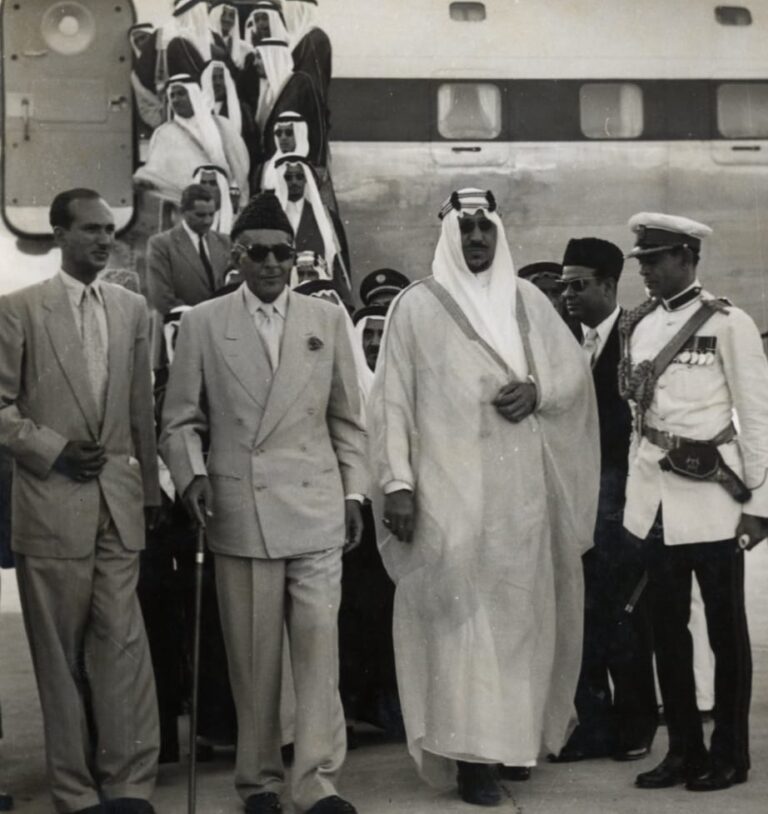
    The historical partnership between Pakistan and the Kingdom of Saudi Arabia stands as one of the most enduring bilateral relationships in the contemporary Muslim world. This history is anchored in shared Islamic values and a profound spiritual connection to the holy sanctuaries of Makkah and Medina. This alliance predates the modern era of Saudi oil wealth. The bond was formalized through the landmark Treaty of Friendship in 1951. It established an early blueprint for solidarity, ideological alignment and mutual support during crisis. Over the past seven decades, this connection has expanded from religious affinity into strategic collaboration. The Art of Strategic Neutrality Defense cooperation forms a central pivot of the bilateral relationship. Since the 1960s, the Pakistani military has played an instrumental role in advising, training, and building the infrastructure of the Saudi armed forces. Contingents of Pakistani troops have historically been deployed inside the Kingdom for defensive purposes, notably safeguarding the Holy Mosques during regional upheavals such as Operation Desert Storm. Moreover, thousands of Saudi defense personnel have undergone advanced training in Pakistani military institutions over the decades. However, the military relationship has also required careful navigation.  When conflict erupted in Yemen (2015), Pakistan’s parliament adopted a stance of strict neutrality to avoid inter-state Middle Eastern disputes, particularly while its domestic forces were actively engaged in counter-terrorism campaigns like Operation Zarb-e-Azb. Despite initial friction, Riyadh acknowledged Islamabad’s geopolitical constraints. This mature understanding was demonstrated when former Pakistani Army Chief General Raheel Sharif was appointed to lead the Islamic Military Counter Terrorism Coalition (IMCTC), focusing strictly on combating global extremism rather than taking sides in regional power struggles. Economic Interdependence and Human Capital Beyond defense, economic cooperation has provided crucial stability to Pakistan’s financial landscape. Saudi Arabia has repeatedly acted as a financial cushion. The country delivered multi-billion-dollar bailout packages, balance-of-payment assistance and deferred-payment oil supplies during economic hardship. Historically, this financial dynamic was complemented by administrative leadership. Pakistani economist Anwar Ali served as the Governor of the Saudi Arabian Monetary Agency from 1958 to 1974. He played a pivotal role in organizing the Kingdom’s modern financial infrastructure. Human capital remains another essential driver of this relationship. Over 2.7 million Pakistani expatriates reside and work within Saudi Arabia. Spanning critical sectors such as healthcare, engineering, construction, and information technology, these workers contribute directly to Saudi Arabia’s physical and economic development while generating vital remittance flows that sustain Pakistan’s domestic economy. Furthermore, administrative initiatives like the “Road to Makkah” project and reductions in visa fees have significantly streamlined pilgrimage procedures for millions of Pakistani citizens traveling for Hajj and Umrah. Geo-Economics, Vision 2030, and the Future of CPEC As both nations adjust to global realities, the bilateral partnership is changing into modern geo-economic framework. Saudi Crown Prince Mohammed bin Salman’s Vision 2030. The Kingdom aims to diversify its economy away from oil dependency by investing in global supply chains. A key element of this transformation includes multi-billion-dollar investment commitments in Pakistan. Furthermore, a proposed mega-oil refinery at the deep-sea port of Gwadar.   Ultimately, geopolitical challenges occasionally test bilateral diplomatic alignment. However, the strategic, economic and institutional ties between Islamabad and Riyadh continue to adapt. After all, it’s a dynamic future built on mutual survival and shared prosperity.