thai embassy seeks

Thai Embassy Seeks Clearance as Cambodia Blocks Thais from Returning Home

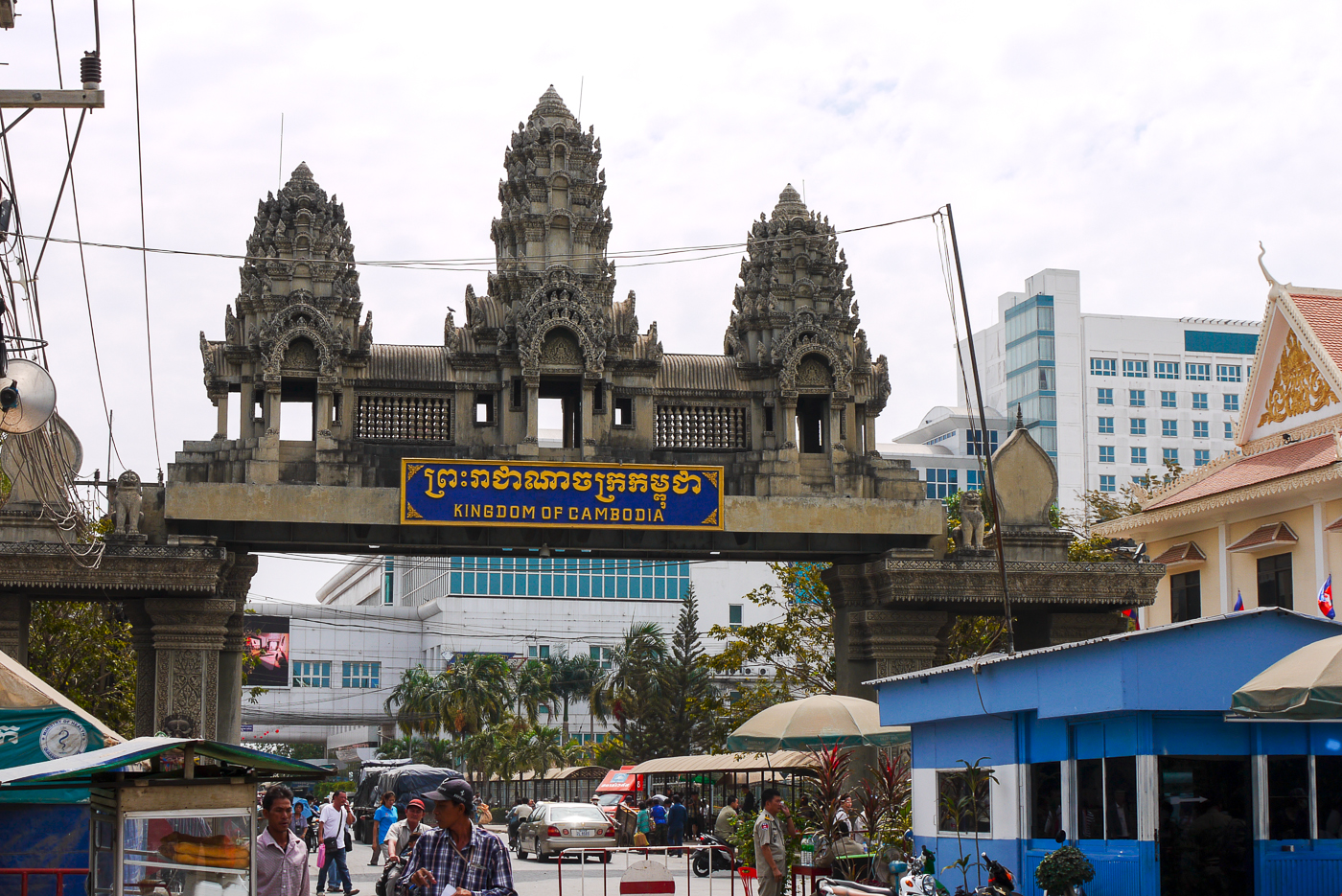
SA KAEO – Tensions at a primary border crossing escalated on Wednesday as Cambodian immigration officials refused to allow Thai nationals to leave Cambodia through the Poipet-Klong Luk checkpoint in Sa Kaeo province, stranding an unknown number of Thai citizens. The reasons for the refusal were not immediately clarified by Cambodian authorities.

Thai Army Accuses Cambodia of Using Ancient Temple as Military Base

In a tit-for-tat response, Thai immigration officials delayed the return of Cambodian migrant workers seeking to re-enter Cambodia via the same crossing. The reciprocal move led to rising frustrations, with many Cambodian nationals eventually leaving the congested checkpoint area.

The Thai Embassy in Phnom Penh intervened in the afternoon, submitting a formal letter to Cambodia’s Interior Ministry requesting permission for a group of Thais—reportedly workers based in Poipet—to return home through the border checkpoint. The diplomatic appeal highlights the direct impact of ongoing military clashes on civilian movement and cross-border relations.

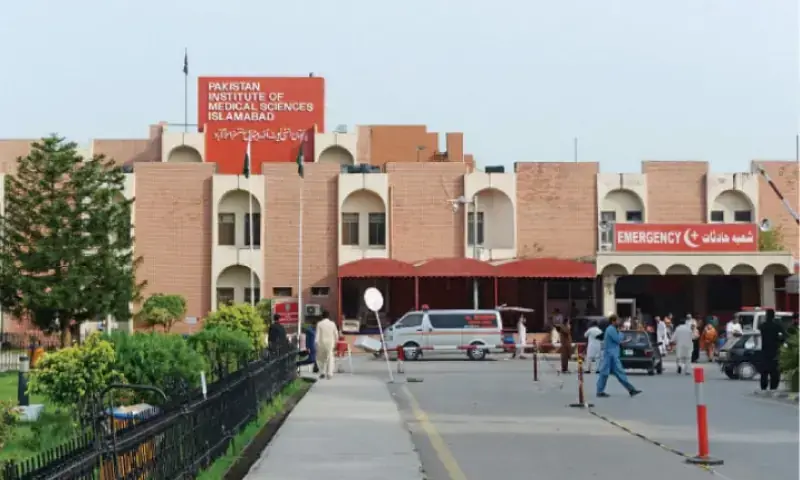
Cambodian Rockets Target Thai Border Hospital for Second Time

The bottleneck at Poipet-Klong Luk, a vital land crossing between the two nations, underscores the spillover of military hostilities into civilian life, disrupting the flow of people and deepening bilateral strain.

-Thailand News (TN)
Similar Posts

  • | |

    TikToker Ayesha Shamsu’s murder case solved

    Police have claimed to have solved the murder case of TikToker Ayesha Shamsu in Taxila, saying she was allegedly killed by her father, brother and cousin in the name of so-called honour. Rawalpindi SSP Operations Tariq Mehboob said during a press conference that Ayesha Gulamna, also identified as Ayesha Shamsu, was allegedly targeted by her family members because they objected to her activities on TikTok. According to the police official, the suspects were identified with the help of surveillance cameras and other technological tools. Ayesha was shot dead in Taxila on the evening of August 14. Her sister and brother were also wounded when the suspects allegedly opened fire. Police said they have arrested the alleged main suspect and two shooters in connection with the killing. A total of five suspects, including Ayesha’s father, have been taken into custody. The initial investigation suggested that Ayesha’s family disapproved of her presence and activities on social media. Police said the family had previously attempted to stop her from using TikTok, but she continued her online activities. The suspects allegedly decided to kill her after their attempts to prevent her from using the platform failed. SSP Tariq Mehboob said further legal proceedings would be initiated against the suspects and a formal challan would be submitted before the court. Police have vowed to pursue the case and ensure that those responsible for the killing face legal consequences.

  • Three Thai Soldiers Killed Reclaiming Border Villages in Sa Kaeo

    SA KAEO – Three Thai soldiers were killed during military operations to retake full control of Ban Nong Chan in Sa Kaeo province from Cambodian forces, the First Army Region announced. The fallen soldiers have been identified as Sergeant Major Pongsakorn Narkthongdee, Private Patiphat Sornpradit, and Private Thiewtawan Pholyiem, all from the 2nd Infantry Battalion […]

  • Thailand Bombs Cambodian Casino Hub

    BANGKOK — Thai fighter jets struck a building in Poipet, Cambodia’s bustling casino town and major border crossing, on Thursday morning, as regional and international powers intensified pressure to halt renewed hostilities between the Southeast Asian neighbors. Cambodian Drones Spotted Near Thai Oil Rigs as Border Conflict Widens Cambodia’s interior ministry stated the attack damaged […]

  • Missing 57 Million Litres of Fuel Off-Loaded at Sea, Justice Minister Says

    BANGKOK — The amount of fuel oil that has gone missing at sea could be more than 57 million litres, and it was off-loaded from oil tankers onto smaller vessels over 96 trips, Justice Minister Rutthapon Naowarat said today. Authorities Probe Mystery Loss of 57 Million Litres of Fuel in Surat Thani The minister did […]

  • | | |

    Iran sets tough conditions for Strait of Hormuz re…

    Iran has warned that the strategically vital Strait of Hormuz will remain closed until the United States meets a series of conditions under a June memorandum of understanding, raising fresh concerns about the future of a conflict that has already disrupted global energy markets. Iranian Parliament Speaker Mohammad Bagher Ghalibaf said on Tuesday that Tehran would not reopen the waterway until what he described as the full terms of the agreement had been implemented. According to Iranian state media, Ghalibaf said the blockade must first be lifted, Iran’s frozen assets released, oil sanctions removed and military threats and operations on all fronts brought to an end. He also insisted that other provisions of the memorandum must be fully implemented. “Iran is prepared to impose a heavier defeat on the enemy than before,” Ghalibaf said, warning that Tehran’s response would depend on the actions and aggression of its opponents. The statement came as diplomatic efforts to secure a permanent end to the Iran-US conflict appeared increasingly fragile. Iran Claims Victory in War and Diplomacy Iranian Foreign Minister Abbas Araghchi separately declared that Tehran had won both the military confrontation and the diplomatic battle. Speaking at an event, Araghchi said Iran had resisted sustained military pressure before entering negotiations. He claimed that those who initially demanded Iran’s unconditional surrender later sought talks with Tehran. “We fought with strength, and we negotiated with strength,” Araghchi said, according to Iranian media. Araghchi also accused Israel of undermining efforts to implement the June memorandum, saying it had worked to prevent the agreement from being reached and subsequently obstructed its implementation. His comments followed US President Donald Trump’s call for Iran to surrender and “raise the white flag”, further highlighting the sharp divide between Washington and Tehran. Hormuz Becomes Central Dispute The Strait of Hormuz has emerged as one of the most important points of disagreement between the two sides. The narrow waterway links the Persian Gulf with the Gulf of Oman and is a crucial route for global oil and liquefied natural gas shipments. Shipping activity has already fallen dramatically during the conflict. Reuters reported that only a handful of commodity vessels crossed the strait over the weekend, compared with more than 130 daily ship transits before the war began. Iran says provisions of the June memorandum give it authority to manage parts of the waterway, while Washington rejects that interpretation. The disagreement has contributed to renewed tensions after an earlier ceasefire failed to produce a lasting settlement. Vessel Hit by Unknown Projectile The latest tensions were accompanied by another maritime incident. The UK Maritime Trade Operations centre said a vessel travelling outbound through the Strait of Hormuz was struck by an unknown projectile. The impact damaged the ship’s engine room and caused a crew casualty. The remaining crew members were assisted by the Omani Coast Guard, while authorities began investigating the incident. No environmental impact was reported. UKMTO urged vessels operating in the area to exercise caution and report suspicious activity. Back-Channel Diplomacy Continues Despite the increasingly hostile rhetoric, reports indicate that Washington and Tehran have continued exploring indirect channels. Media reports said the Trump administration had established a back channel involving figures connected to Iran’s Islamic Revolutionary Guard Corps. The reported effort reflected US concerns over whether Iranian negotiators had sufficient authority to deliver an agreement acceptable to the country’s powerful security establishment. US special envoy Jared Kushner also indicated that discussions between Washington and different parts of the Iranian government were more extensive than publicly acknowledged. The developments suggest that diplomacy has not completely collapsed, even as official statements from both sides remain confrontational. Iran Faces Economic Pressure Iran’s leaders also face significant economic challenges. The conflict has added pressure to an economy already struggling with inflation, sanctions, currency weakness, energy shortages and structural problems. Disrupted trade, damaged infrastructure and lost production have increased the financial burden of the war, while prolonged restrictions on shipping through Hormuz threaten Iran’s ability to generate export revenue. Global markets have also felt the impact. Brent crude rose sharply during the conflict, reaching a peak of $126 a barrel before later easing. The prolonged disruption has raised concerns over fuel prices and inflation in countries dependent on Gulf energy supplies. Ghalibaf Heads to Iraq Against this backdrop, Ghalibaf is expected to travel to Iraq for talks on regional developments and bilateral cooperation. His discussions are expected to cover security, border management, counterterrorism, economic cooperation and implementation of existing agreements between Tehran and Baghdad. The visit comes after a drone attack targeted the residence and private office of Iraqi Kurdish Regional Government Prime Minister Masrour Barzani. Iran denied involvement and condemned the incident. Araghchi said nothing justified the attack and warned against attempts to create divisions between Iran, Iraq and the Kurdish region. With the Strait of Hormuz still at the centre of the dispute, the coming days could prove crucial. Tehran’s insistence on sanctions relief, the release of frozen assets and an end to military threats leaves little room for compromise unless Washington and its allies are prepared to make substantial concessions. For now, the strategic waterway remains a powerful bargaining tool for Iran — and a major source of uncertainty for the global economy.

  • | | |

    IHC asked to frame rules for social media use by c…

    ISLAMABAD: The Islamabad High Court has been petitioned to direct the federal government to introduce legislation and a comprehensive regulatory framework governing social media access by children below the age of 16. The petition, filed by advocates Muhammad Jalal Haider and Yahya Farid Khawaja, calls for a reliable age-verification system to prevent minors from creating or operating social media accounts without appropriate safeguards. The petitioners argue that children face growing risks online, including cyberbullying, harassment, exposure to inappropriate material and other forms of digital harm. They have urged the government to establish clear policies covering children’s digital rights, privacy and physical and psychological safety. They have also sought specific legal responsibilities for social media companies, including stronger safeguards for minors and the creation of an institutional mechanism dedicated to protecting children in the digital environment. The petition refers to measures adopted or proposed in countries including Australia, France, Britain, New Zealand and Spain, where authorities have considered age limits, parental consent and age-verification requirements for children’s social media use. Citing the United Nations Convention on the Rights of the Child and General Comment No. 25, the petitioners maintain that protecting children’s best interests is a legal responsibility of the state rather than merely a policy choice. They argue that the absence of an effective age-verification mechanism leaves minors exposed to online dangers and makes it difficult to enforce protections designed specifically for children. The Ministry of Information Technology and Telecommunication, Ministry of Information and Broadcasting, Ministry of Interior, Ministry of Law and Justice, Pakistan Telecommunication Authority and Pakistan Electronic Media Regulatory Authority have been named as respondents. Punjab Assembly Resolution The development follows a resolution submitted to the Punjab Assembly last month calling for restrictions on social media accounts operated by children under 16 without parental consent. The resolution, moved by Punjab lawmaker Sarah Ahmad, urged the provincial government to recommend federal legislation aimed at regulating minors’ access to social media and strengthening online protection. It highlighted concerns over cyberbullying, online exploitation, inappropriate content, digital addiction and psychological distress among children, stressing that safeguarding their physical, mental and moral development is a responsibility of the state. The resolution proposed prohibiting children below 16 from creating or maintaining social media accounts without verified parental or legal guardian consent. It also called on the PTA to develop and enforce effective age-verification mechanisms across platforms operating in Pakistan. It further recommended holding social media companies accountable for child-safety standards, including the timely removal of harmful content and measures to provide a safer online environment for minors.

Leave a Reply

Your email address will not be published. Required fields are marked *