Thailand nominee company crackdown explained
Hua Hin Today Podcast examines nominee company crackdown affecting foreign property owners
Foreign residents in Hua Hin who own property through Thai-registered companies using nominee shareholders are being urged to review their legal position as enforcement intensifies across Thailand.
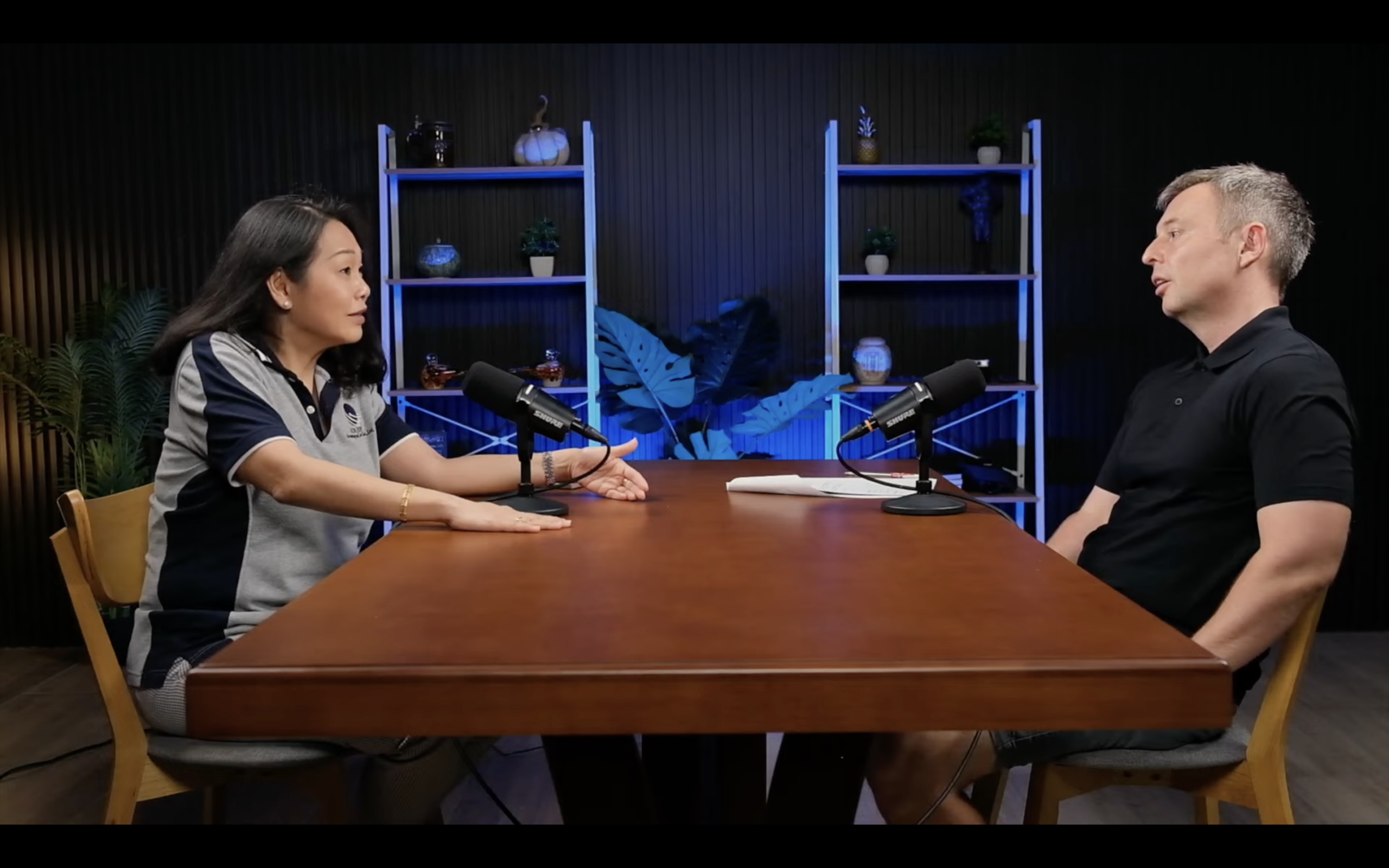
The latest episode of the Hua Hin Today Podcast features an in-depth conversation with Janjira Sumanus, Chief Executive Officer of MBMG Group, who explains what the ongoing nominee crackdown means in practical terms for foreign homeowners and business operators in Prachuap Khiri Khan.
For many years, purchasing land or a villa “in a company name” was widely used by foreigners as a way to secure property in Thailand. In some circles, it was regarded as the safest available option. However, recent enforcement changes suggest that this assumption no longer applies.
Authorities are now conducting systematic investigations into Thai-registered companies to determine whether Thai shareholders are genuine investors or nominees used to conceal foreign ownership. Under Thailand’s Foreign Business Act and Land Code, foreigners are prohibited from owning land and are restricted in certain business activities.
In the podcast, Janjira outlines how enforcement has shifted from occasional inspections to a multi-agency nationwide crackdown. Regulators are examining who provided the capital for companies, who exercises control, and who ultimately benefits from the business. Particular scrutiny is being directed at companies linked to real estate and tourism.
Prachuap Khiri Khan has been identified as one of several tourist provinces under heightened review. Official figures released earlier this year show that the province has more than 7,000 corporate entities linked to property and tourism activity.
Foreign property owners in Hua Hin and across the province have already begun receiving formal letters from the Department of Business Development requiring them to confirm that their company structures are legitimate. In many cases, recipients have been given a defined period to submit supporting documentation.
During the podcast discussion, Janjira explains what authorities are looking for, including proof that Thai shareholders genuinely paid for their shares, evidence of real business activity and properly prepared financial records. Companies may be required to produce share registration books, share certificates, bank statements, financial statements and dividend records.
Foreign investors found guilty of using nominee structures can face prison sentences, substantial fines, forced dissolution of companies, seizure of assets and possible deportation. Thai nominees and professional service providers involved in setting up such structures are also within the scope of investigations.
Importantly, the episode explores what options remain for affected property owners. Janjira discusses lawful alternatives such as long-term leasehold arrangements and usufruct agreements, and explains why simply liquidating a company may not resolve the issue.
The conversation provides practical guidance for long-term foreign residents who may have established company structures many years ago and are now uncertain about their exposure under the current enforcement climate.
The full episode of the Hua Hin Today podcast with Janjira Sumanus is available now on all major podcast platforms and on the Hua Hin Today website.
Listen now on Apple Podcasts, Spotify or watch on YouTube