week photos august
|

The week in photos: August 1-7, 2026

MANILA, Philippines — The Philippines’ Alexandra Eala captured her first-ever WTA Tour crown in the Mubadala DC Open after a win over world No. 3 Jessica Pegula of the United States on August 3 (August 4, Manila time). The win propelled Eala to No. 20 in the WTA rankings, the biggest ranking jump since her breakthrough into the top 35 in February, when she surged from No. 47 to No. 31.

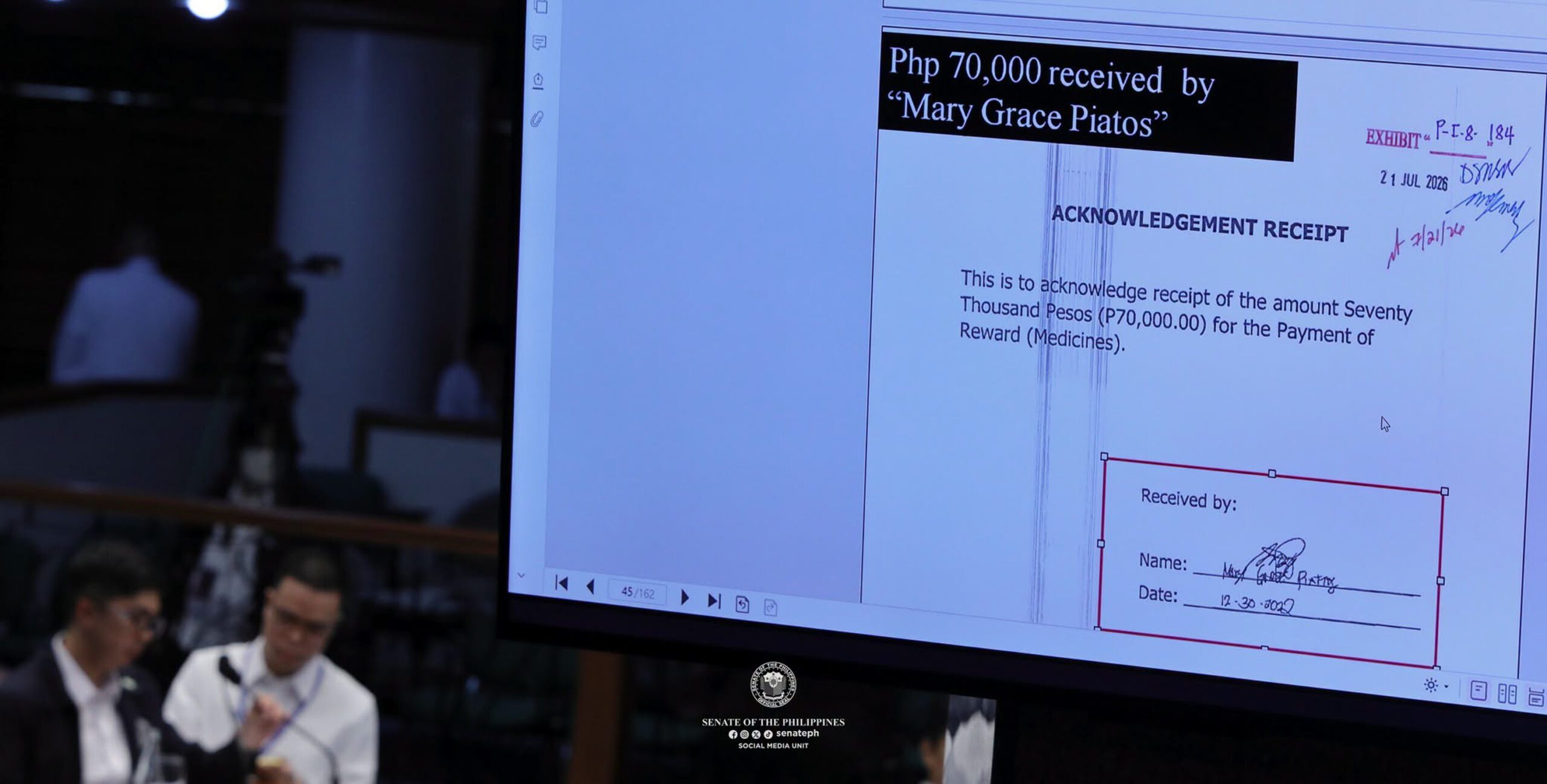
On August 3, Day 11 of the Vice President’s impeachment trial, the prosecution finally brings out long-infamous names — from Mary Grace Piattos to Andy C. Lim — in their bid to weave a narrative that Duterte misused her confidential funds.

Veteran lawyer Lorna Kapunan, private counsel for the House prosecution panel, probed state auditor Roderick Wamil over what the Commission on Audit (COA) had earlier flagged as shortcomings in how the OVP spent its confidential funds in the final quarter of 2022 and the first quarter of 2023.

On August 5, late into the third and final day of this week’s hearings marked by intense questioning and hours of poring over documents, an exasperated Kapunan suggests using the defense’s documents — which she says with certainty are the same as the prosecution’s — to speed up the process. With minutes left before the impeachment court was supposed to call it a day, the prosecution and defense were still arguing over the admission of documents.

Meanwhile, a Thai teenager killed at least five people and himself at a school outside Bangkok on August 7, after fatally shooting his grandparents, in the Southeast Asian nation’s worst mass killing since 2022. Those killed were all teachers and school staff. Police said the 14-year-old shooter, a student, fired at least 26 bullets using a gun that belonged to his grandfather. An additional 34 rounds were also found.

Catch more stories in these photos from the week that was:

Roman history re-enactment festival in Bosnia

Participants wear Roman costumes during a Roman history re-enactment festival featuring gladiator battles, Roman soldiers, cavalry, ancient crafts and period costumes, as organizers seek to boost tourism by bringing the region’s archaeological heritage to life, in Mokro, Bosnia and Herzegovina, on August 1, 2026. PHOTO BY AMEL EMRIC/REUTERS
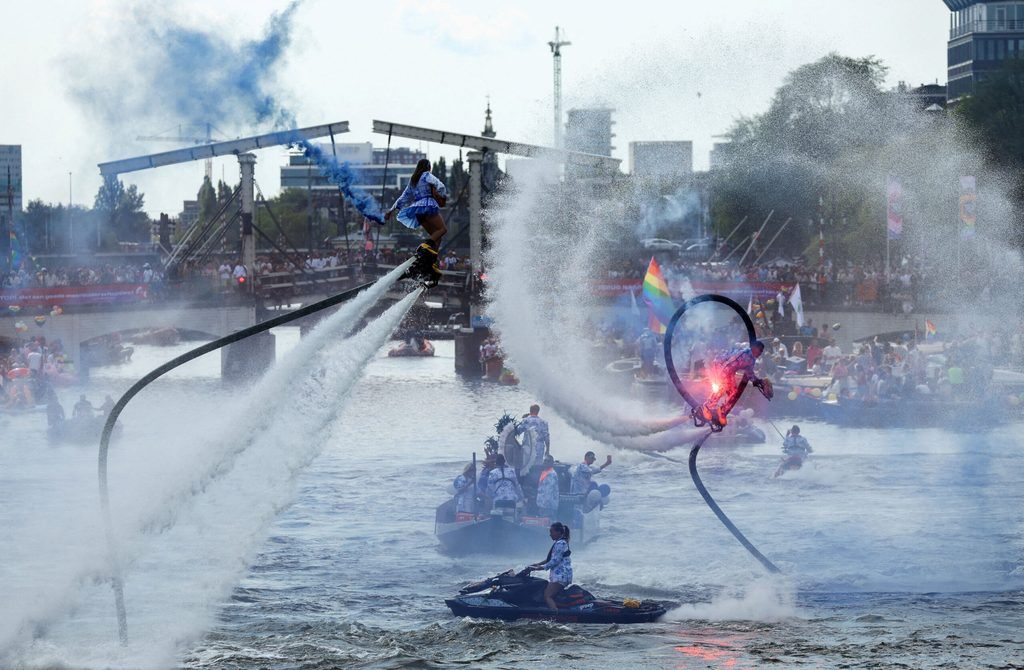
Annual Canal Parade at WorldPride in Amsterdam

Participants perform ahead of the start of the annual Canal Parade at WorldPride in Amsterdam, The Netherlands, on August 1, 2026. PHOTO BY THILO SCHMUELGEN/REUTERS

Flag bearer Reuben Ward of Scotland celebrate with teammates during the closing ceremony of the 2026 Commonwealth Games at The Hydro in Glasgow, Scotland, on August 2, 2026. PHOTO BY ISABEL INFANTES/REUTERS
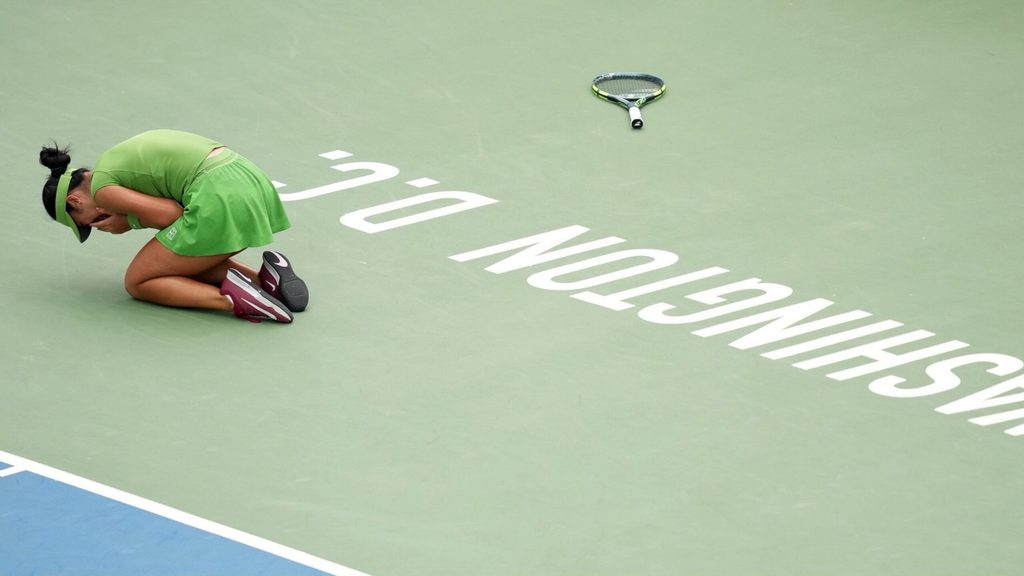
Alex Eala wins Mubadala DC Open

Filipino tennis ace Alexandra Eala falls on her knees as she gets emotional after winning against Jessica Pegula in the finals of the Mubadala DC Open, at Rock Creek Park Tennis Center in Washington DC on August 3, 2026. PHOTO FROM MUBADALA DC OPEN INSTAGRAM
Sara Duterte impeachment trial

An acknowledgement receipt issued by the Office of the Vice President is flashed on screen as former state auditor Roderick Wamil testifies at the impeachment trial Sara Duterte on August 3, 2026. PHOTO FROM THE SENATE SOCIAL MEDIA UNIT
People walk past an anti-U.S. billboard on a street in Tehran

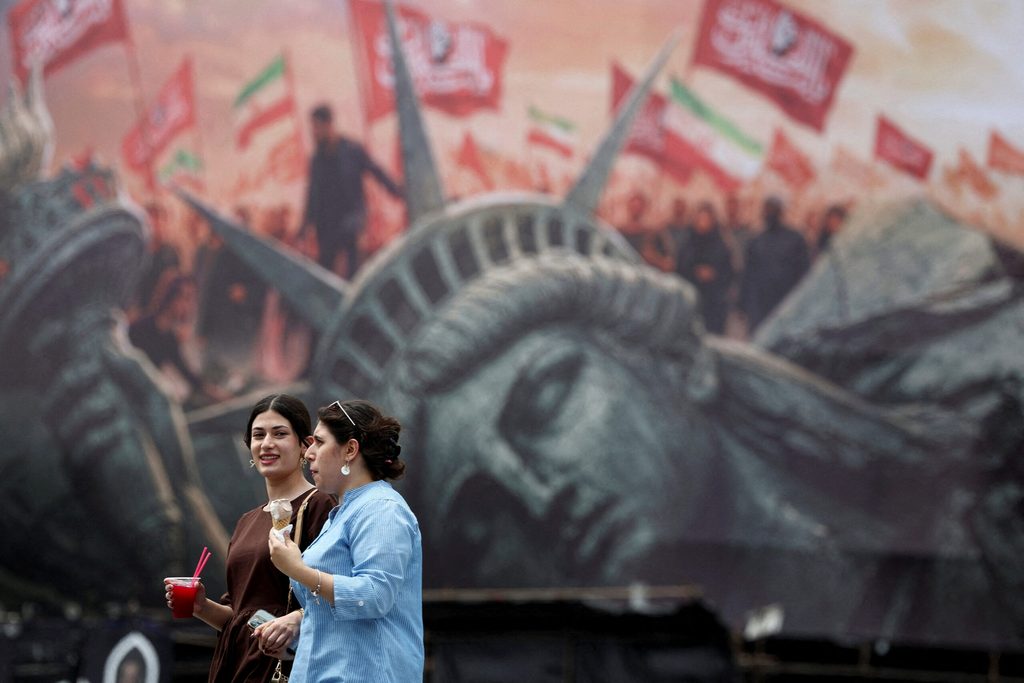
People walk past an anti-US billboard on a street in Tehran, Iran, on August 3, 2026, amid President Donald Trump’s apparent de-escalation after days of threats of new attacks. PHOTO BY MAJID ASGARIPOU/WANA VIA REUTERS

Cuba's electric grid collapses less than a day after last blackout

Agricultural vendor Adrian Vargas poses for a photograph as Cuba’s national electrical grid collapsed again while the government was trying to restore power following a nationwide blackout, in Havana, Cuba, on August 3, 2026. PHOTO BY NORLYS PEREZ/REUTERS
Wildfires in Washington state

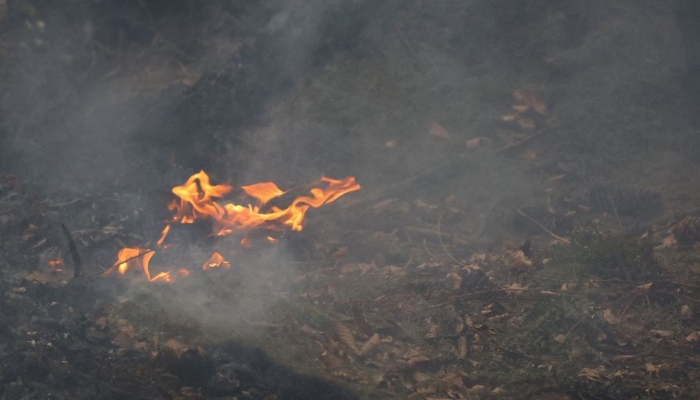
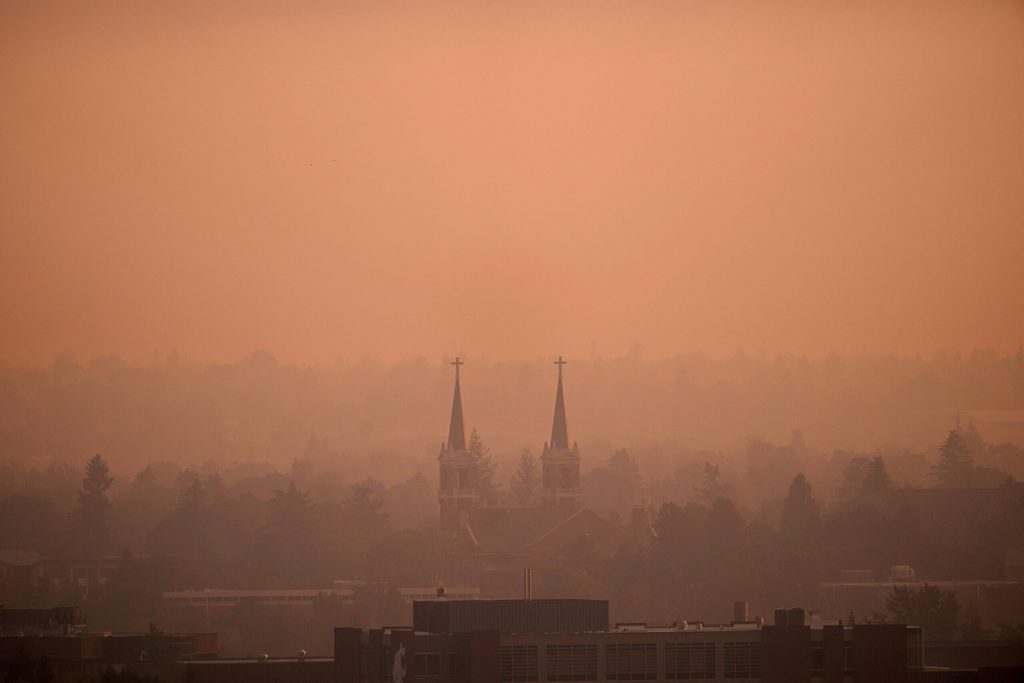
Wildfire smoke rises to the sky over Spokane, Washington, as the Old Trails Fire burns nearby, on August 3, 2026. PHOTO BY DAVID RYDER/REUTERS
Worshippers pray inside Imam Hussein shrine ahead of Arbaeen pilgrimage in Karbala

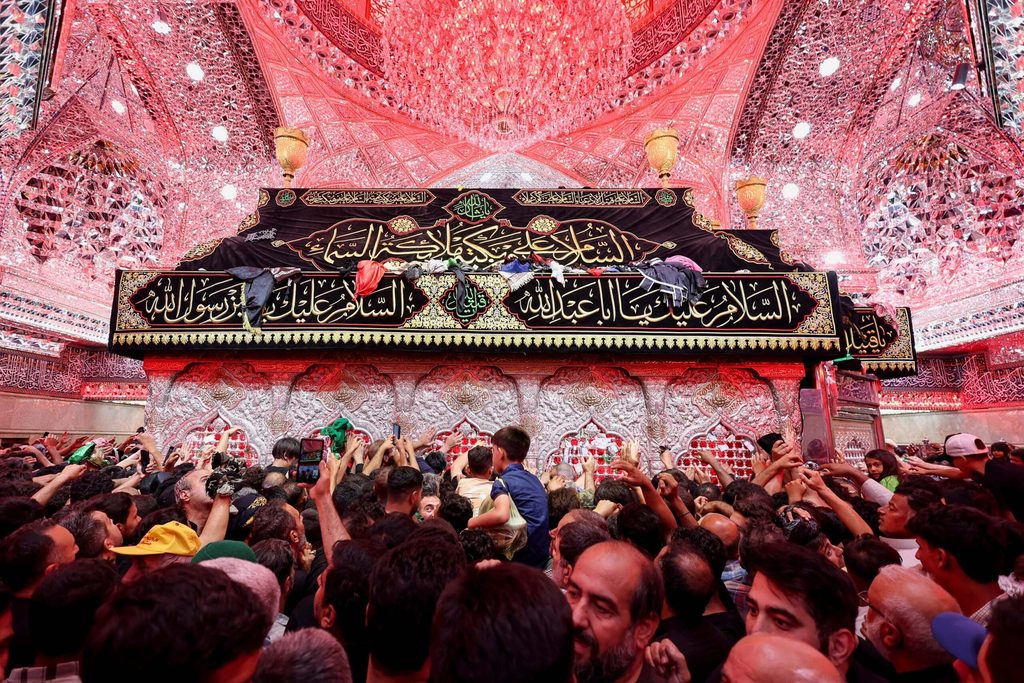
Visitors gather around the shrine of Imam Hussein ahead of the annual Arbaeen pilgrimage, in the holy city of Karbala, Iraq, on August 3, 2026. PHOTO BY ALAA AL-MARJANI/REUTERS
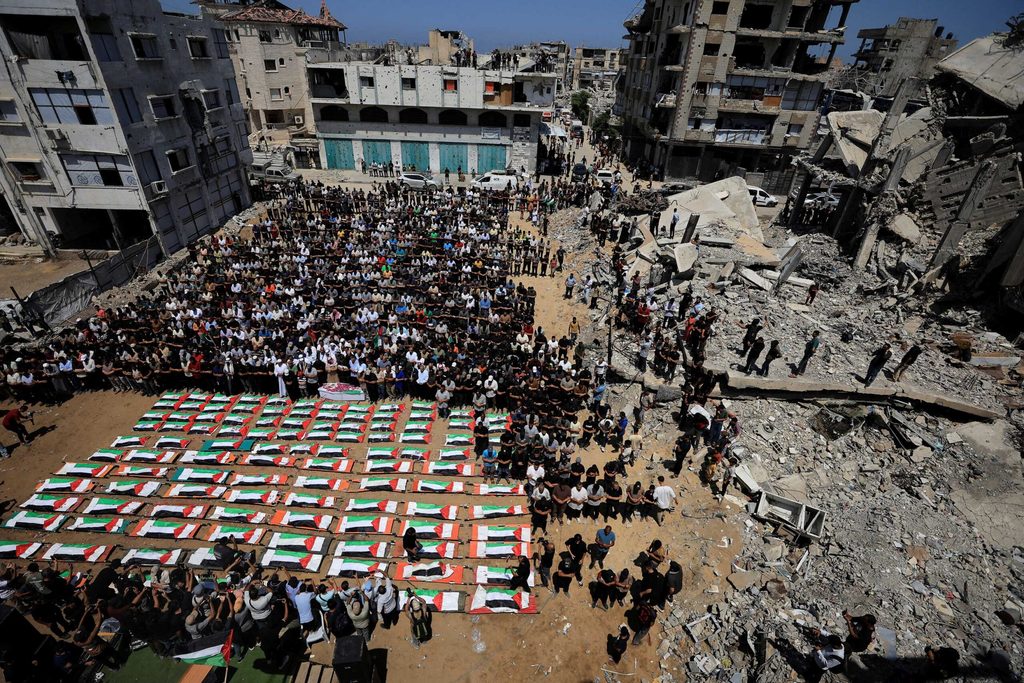
Funeral of 112 members of the Hassayna and Abu Sharia clan, in Gaza City

Palestinians attend the funeral of 112 members of the Hassayna and Abu Sharia clan, who were killed in an Israeli strike in 2023 and whose remains were recovered from beneath the rubble, according to Gaza’s Civil Defense, in Gaza City, on August 4, 2026. PHOTO BY DAWOUD ABU ALKAS/REUTERS

European Aquatics Championships

A replica of the Statue of Liberty at Ile aux Cygnes stand in the background as swimmers compete in the Men’s 10km Open Water Swimming of the European Aquatics Championships, at Pont de Bir-Hakeim, Paris, France, on August 4, 2026. PHOTO BY GONZALO FUENTES/REUTERS

Underground cave offers respite as South Korea swelters under record-breaking heat, in Gwangmyeong

Visitors rest beside an illuminated installation inside Gwangmyeong Cave, a former gold mine turned into a tourist attraction, during a record-breaking heatwave in Gwangmyeong, South Korea, on August 5, 2026, after Yangsan recorded the highest temperature in the country in 122 years. PHOTO BY KIM SOO-HYEON/REUTERS
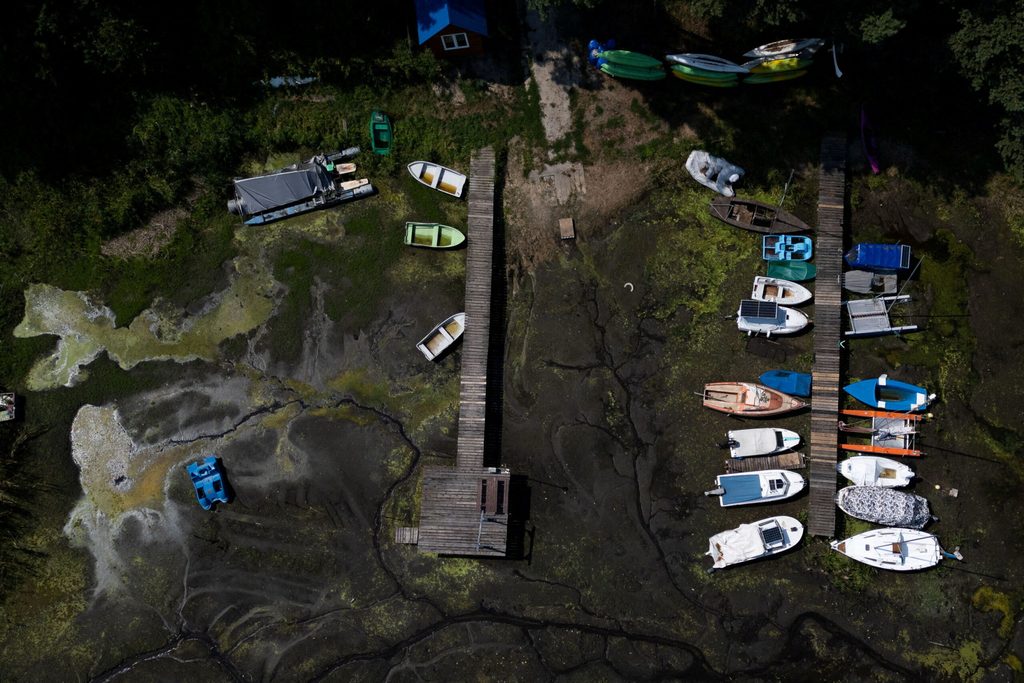
Drone view shows boats stranded in mud at a marina during a heatwave as low water levels expose the bottom of the Sulejow Reservoir in Barkowice

A drone view shows boats stranded in mud at a marina during a heatwave as low water levels expose the bottom of the Sulejow Reservoir in Barkowice, Poland, on August 5, 2026. PHOTO BY KACPER PEMPEL/REUTERS
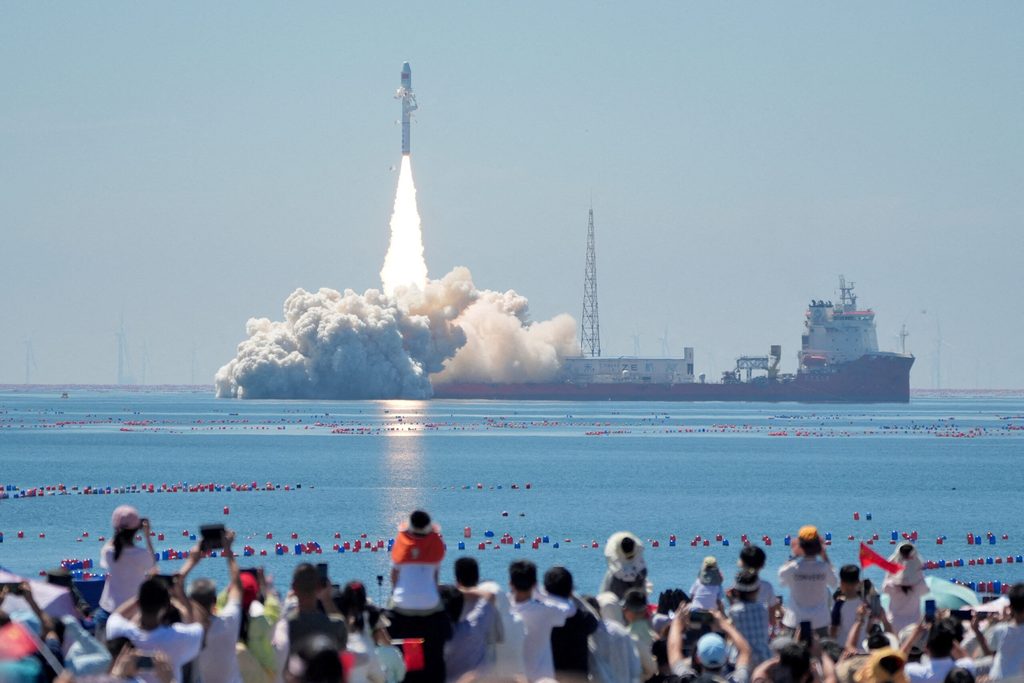
Smart Dragon-3 (SD-3) carrier rocket carrying Oriental Smart Eye 01 and 02 satellites launching from waters off the coast of Haiyang, in Shandong

People watch a Smart Dragon-3 (SD-3) carrier rocket carrying Oriental Smart Eye hyperspectral satellites 01 and 02 launching from waters off the coast of Haiyang, in Shandong province, China, on August 5, 2026. CNSPHOTO VIA REUTERS
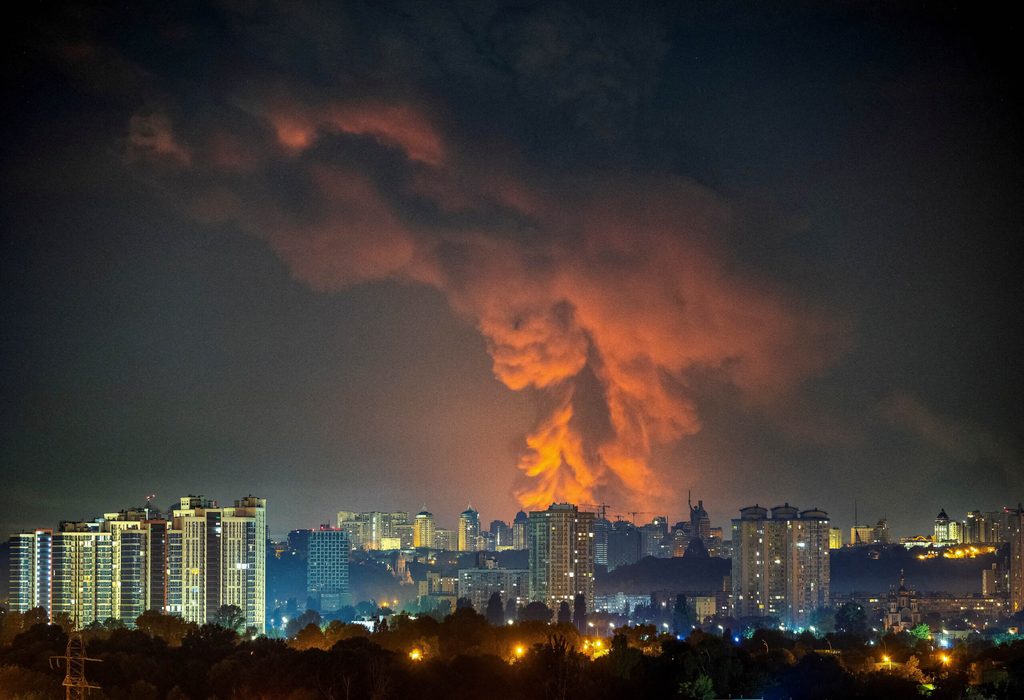
Russian missile strike in Kyiv

Smoke rises in the city during a Russian missile strike in Kyiv, Ukraine, on August 5, 2026. PHOTO BY VLADYSLAV SODEL/REUTERS

Congo intercepts a passenger boat near Kinshasa that carried suspected Ebola case

A volunteer uses a megaphone to make announcements while intercepting a passenger boat, after, according to officials, a passenger who had disembarked earlier died after developing symptoms consistent with Ebola, in Kinshasa, Democratic Republic of the Congo, on August 5, 2026. INTERNATIONAL ORGANIZATION FOR MIGRATION HANDOUT PHOTO VIA REUTERS

People dance with umbrellas on a climate-controlled “rainy street” at the voco Monaco Dubai resort on The Heart of Europe development in Dubai

People dance with umbrellas on a climate-controlled “rainy street” at the voco Monaco Dubai resort on The Heart of Europe development in Dubai, United Arab Emirates, on August 6, 2026. The attraction generates on-demand rainfall and maintains temperatures at around 27 degrees Celsius, as developers in the UAE explore ways to make outdoor spaces more comfortable during the summer months. PHOTO BY RULA ROUHANA/REUTERS
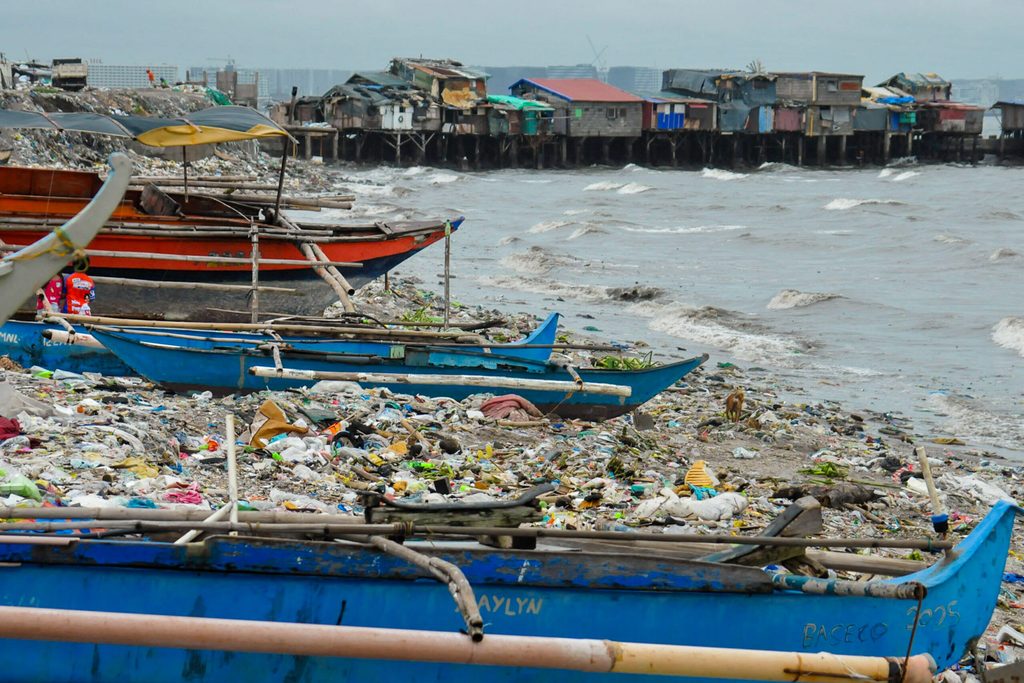
Trash litter Baseco Beach following heavy rains due to Tropical Depression Maymay

Garbage washed ashore pile along Baseco Beach in Manila on August 7, 2026, following heavy rains and rough seas triggered by Tropical Depression Maymay and the enhanced southwest monsoon. PHOTO BY RAPPLER
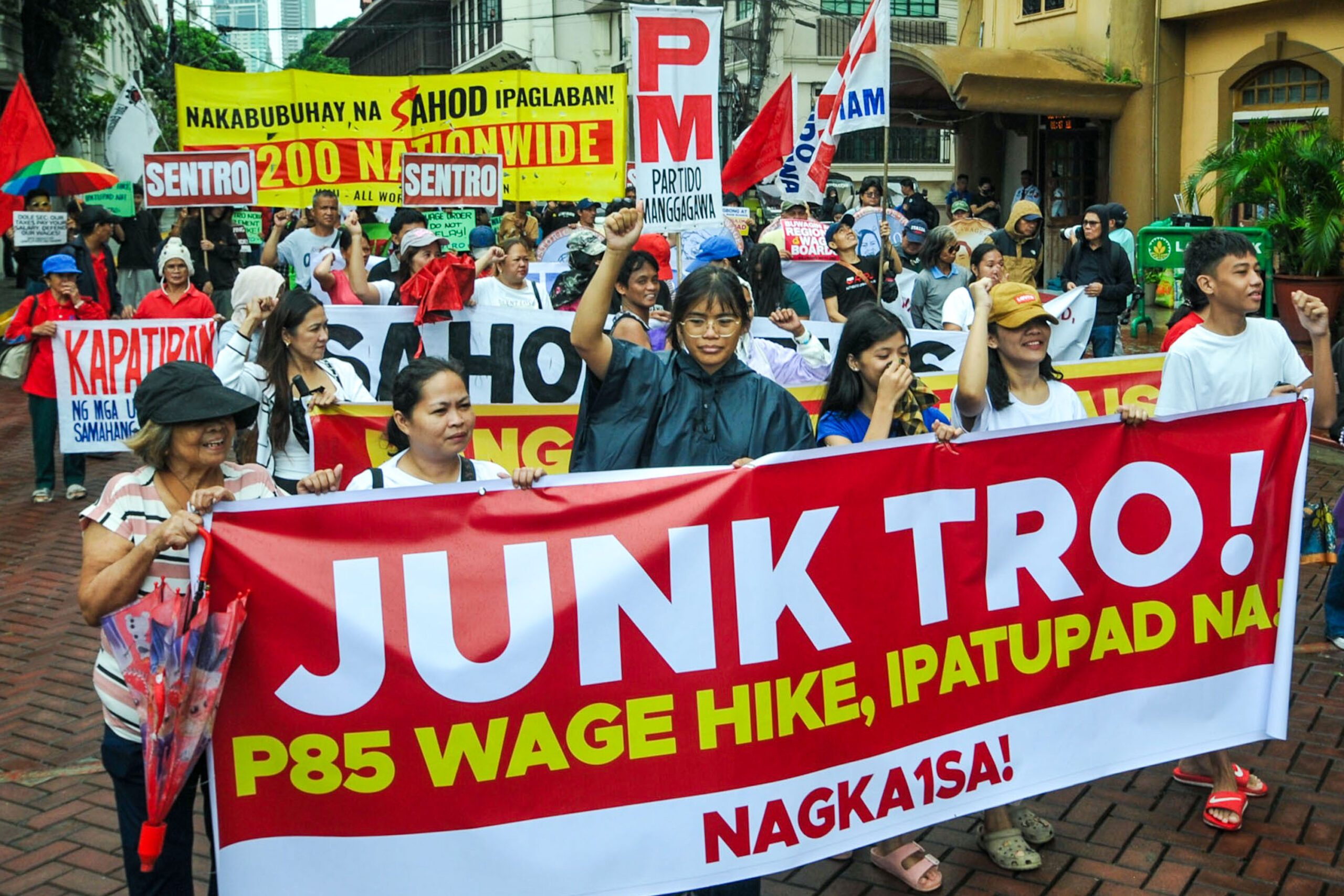
Workers protest wage hike at DOLE

The Unity for Wage Increase Now (UWIN), a coalition of labor groups, marched in front of the Department of Labor and Employment headquarters to denounce the agency’s failure to ensure the implementation of the P85 daily minimum wage increase, on August 7, 2026. PHOTO BY RAPPLER
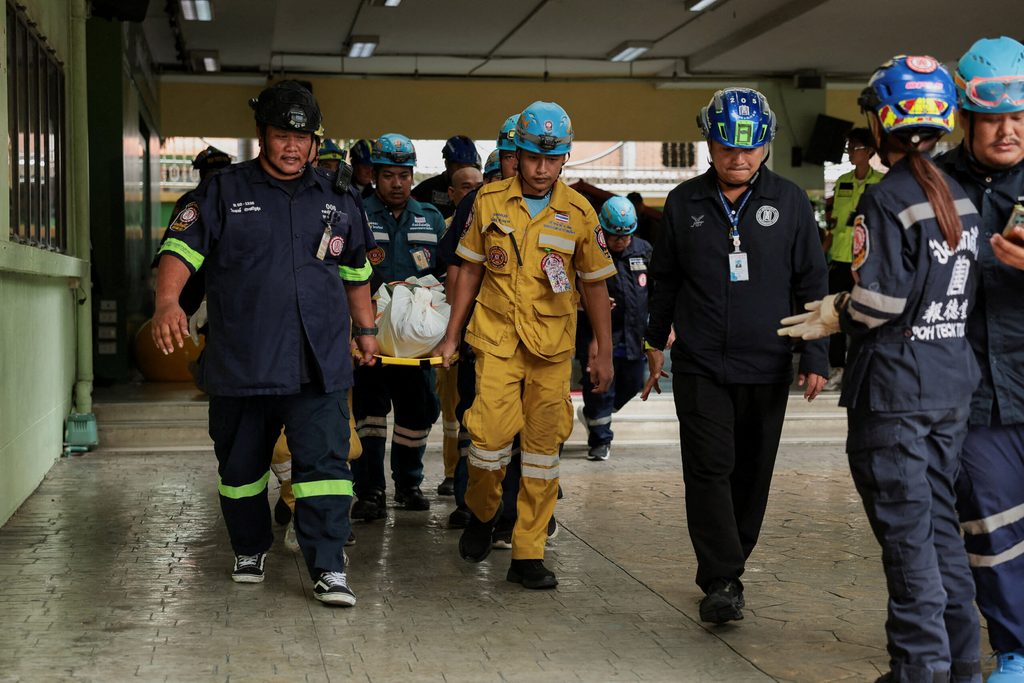
Shooting takes place at a school in Thailand, officials say

Emergency personnel carry a dead body on a stretcher at Debsirin Nonthaburi School following the shooting incident at the school, in Bang Kruai district in Nonthaburi province on the outskirts of Bangkok, Thailand, on August 7, 2026. PHOTO BY CHALINEE THIRASUPA/REUTERS

with reports from Reuters/Rappler.com

Similar Posts

  • |

    China’s internet obsessed with Moonshot&#82…

    The release of Moonshot AI’s Kimi K3 has generated significant buzz across Chinese social media, sparking a vigorous debate about China’s emergence as a strong contender in the global AI race. The Chinese startup launched the open-weight model on Thursday, promoting its capability to align with dominant frameworks from OpenAI and Anthropic at discounted rates, while temporarily halting new subscriptions due to overwhelming demand. Kimi K3 has become the most prominent Chinese AI model to spark discussion about China’s position in the global AI landscape. The key question is how China will meet the rising demand for computing power, with Moonshot AI emphasizing that Kimi K3 converts computing power into AI capabilities more effectively than its predecessor. “Put simply, the more capable AI becomes, the greater its appetite for computing power. This race to build more powerful AI hardware isn’t slowing down anytime soon,” said a user from Shandong province. Another user from Jiangsu added: “Competition among AI software is likely to shift from focusing purely on performance to balancing both performance and token usage. In other words, it’ll become a competition over value for money. It doesn’t matter how powerful your model is if it uses too many tokens. And it doesn’t matter how good it is if the monthly subscription is too expensive.” The model has reportedly matched or outperformed GPT and Claude on some benchmarks, according to social media posts. The low-cost open-source nature of Kimi K3 has made it particularly appealing to developers and researchers, who have been eager to test its capabilities. The temporary halt on new subscriptions highlights the immense demand for the model, which has quickly become a viral sensation in China’s tech community. Moonshot AI’s launch of Kimi K3 reflects the growing competition in the AI sector, particularly between China and the US. Chinese companies are increasingly developing AI models that can compete with their American counterparts, often at lower costs. The success of Kimi K3 has fueled optimism about China’s ability to innovate in AI and has raised questions about the future of the global AI industry. As the demand for AI capabilities continues to grow, the competition between open-weight and proprietary models is likely to intensify. Kimi K3’s success suggests that open-weight models can be competitive, offering a viable alternative to proprietary systems from US companies. However, the debate over performance versus cost-effectiveness will continue to shape the direction of AI development. The viral success of Kimi K3 has put Moonshot AI in the spotlight, with many watching to see how the startup will navigate the challenges of scaling its operations to meet demand. The company’s ability to balance performance, cost, and accessibility will determine its long-term success in the competitive AI market. For now, Kimi K3 has captured the imagination of China’s internet users, signaling a new chapter in the global AI race.

  • | |

    Bessent tells allies to pick a side as US ramps up…

    US Treasury Secretary Scott Bessent has told Washington’s allies they must choose between backing or opposing the United States’ push to economically isolate Iran, as President Donald Trump moves to intensify pressure on Tehran. Bessent told a US broadcaster that the campaign would amount to the largest coordinated economic isolation effort in history, framing the choice facing allied nations as a binary one. Asked whether Washington intends to pressure China into joining the effort, Bessent said certain conversations are best conducted privately, while urging Beijing to align itself with the campaign. He said the administration’s plan to sharply escalate sanctions and economic pressure on Iran is ultimately designed to bring down the Iranian government, predicting the strategy would work and lead to the regime’s collapse. Bessent added that expanded economic pressure could actually lower the odds of the United States resuming large scale military action against Iran, arguing that a maximum pressure economic approach makes a return to major combat operations less likely. He said he plans to hold a press conference Monday to detail the administration’s next steps regarding Iran. Iran’s foreign ministry condemned the latest round of US sanctions, calling them a violation of international law and an attempt to undermine the country’s sovereignty. In a statement, the ministry said Washington had unveiled comprehensive economic sanctions despite previously claiming its measures targeted the government rather than ordinary Iranians. Tehran argued there is no legal or economic justification for the sanctions and described them as part of a broader US policy that threatens the international system and undermines rules governing relations between states. The ministry said the sanctions explicitly target Iranian citizens and institutions and represent a continuation of hostile American policy, adding that economic pressure functions as the flip side of military aggression. Iranian officials called the new measures a repeat of a strategy that has already failed and said the country would not bow to the pressure, vowing to defend its sovereignty and respond to what it characterized as hostile US actions. Separately, Egypt and Qatar emphasized the need for continued coordination toward a final, sustainable agreement to end the broader Middle East war while addressing the concerns of Gulf states, according to a statement from Qatar’s foreign ministry. The two countries discussed regional developments and diplomatic efforts aimed at reducing tensions and strengthening stability, and both underscored the importance of reopening the Strait of Hormuz and protecting the security and freedom of maritime navigation, calling uninterrupted trade through the waterway essential to both regional and global economic stability. Qatari Foreign Minister Sheikh Mohammed bin Abdulrahman bin Jassim Al Thani said traffic through the Strait of Hormuz needs to return to pre war conditions, adding that no party to the conflict should attempt to pressure or blackmail the other. Speaking at a press conference following talks in El Alamein, Egypt, he said the war’s consequences have been severe both within the Gulf region and beyond, and called for a return to how things stood before the conflict began, condemning any threats or obstacles standing in the way. Iran’s Revolutionary Guards warned separately that Saudi Arabia will be unable to contain Yemen’s Houthi movement as the group escalates attacks on the kingdom. A Guards spokesman said Saudi Arabia cannot stay safe from Houthi attacks, arguing that recent days have shown that the more the kingdom strikes, the more it gets hit in return. Iranian Foreign Minister Abbas Araghchi dismissed Trump’s economic threats as an attempt to distract American public attention from domestic financial troubles, including record debt levels and rising interest costs. He said Washington’s continued reliance on what he called failed policies would only produce further failures and further alienate the Iranian public, describing US economic pressure as a threat to the global economy and to national sovereignty more broadly. Deputy Foreign Minister Kazem Gharibabadi added that the US has shifted to what he called an economic war after failing to achieve results militarily, arguing that Washington’s need to compensate for miscalculations is driving it toward a bigger failure. Iranian Parliament Speaker Mohammad Bagher Ghalibaf, during a visit to Baghdad, met with Faiq Zaidan, president of Iraq’s Supreme Judicial Council, and blamed the United States for recent regional conflicts and disruptions to Gulf energy routes, while highlighting opportunities for deeper cooperation between Iran and Iraq. Separately, Iranian state media reported that authorities executed a man identified as Qaem Hosseini, a foreign national, over charges tied to his alleged role in nationwide protests in January, including accusations that he participated in events that led to the deaths of security force members. Trump underscored the stakes of the broader campaign in a social media post Wednesday evening, warning that any country allowing its financial institutions, businesses, airports or government entities to provide Iran with any kind of lifeline would face tremendous economic consequences. He promised what he called economic warfare and isolation on an unprecedented scale, though he offered few specific details. The war between the US and Iran, now in its sixth month, has killed thousands of people and drawn in countries across the Gulf, rattling global markets as Iran demonstrated its ability to disrupt shipping through the Strait of Hormuz, a waterway that carried roughly a fifth of the world’s traded oil before the conflict began. Two previous ceasefire agreements between Washington and Tehran, announced in April and June, both collapsed shortly after being reached, even as Israel has largely pulled back from direct fighting with Iran to focus its attacks on civilian infrastructure in Lebanon.

  • |

    US Senate unanimously approves resolution opposing executive clemency for Ghislaine Maxwell

    The United States Senate has unanimously passed a non-binding resolution expressing formal opposition to any potential presidential pardon or clemency for Ghislaine Maxwell, who is currently serving a twenty-year prison sentence for her role in Jeffrey Epstein’s sex-trafficking operation. Introduced by Democratic Senator Jacky Rosen of Nevada, the measure asserts that granting executive clemency to Maxwell would run contrary to the interests of justice and accountability regarding crimes involving the sexual exploitation and abuse of minors. The vote occurred alongside congressional deliberation over the permanent nomination of Acting Attorney General Todd Blanche, who previously conducted an interview with Maxwell and stated to lawmakers that he would not recommend her for a pardon. The bipartisan action follows Maxwell exhausting her judicial appeals after the US Supreme Court declined to hear her petition last October, and her subsequent refusal to testify before a House oversight committee without a guarantee of immunity or clemency. Survivors and legal advocates have strongly condemned any prospect of executive intervention, maintaining that offering leniency to an individual convicted of facilitating child exploitation undermines the fundamental integrity of the justice system.

  • |

    Japan unveils first spy agency since WWII

    Japan has launched its first centralized intelligence agency since the end of World War II. The move marks one of the country’s biggest security reforms in decades. It comes as Japan faces rising regional tensions and growing concerns over espionage, cyber threats, and global instability. The new body is called the National Intelligence Bureau (NIB). It officially began operations on Friday. It replaces the Cabinet Intelligence and Research Office (CIRO), which had served as Japan’s main intelligence office for years. However, experts often criticized the old system for lacking authority and coordination. Prime Minister Sanae Takaichi described the new agency as the first step in a broader intelligence reform plan. She said today’s security environment is changing rapidly. According to her, modern conflicts now involve cyberattacks, intelligence operations, and other non-traditional forms of warfare. She stressed that Japan must strengthen its intelligence capabilities to protect national security. The National Intelligence Bureau will collect, analyze, and coordinate intelligence gathered by various government departments. These include the ministries of defense, foreign affairs, justice, and the National Police Agency. Under the new system, government agencies will be required to share information with the bureau. Officials believe this will improve cooperation and eliminate delays caused by fragmented intelligence networks. The bureau will work under the newly created National Intelligence Council. The council will be chaired by the prime minister and include senior cabinet ministers. It will oversee national intelligence policy and coordinate responses to major security threats. The agency’s responsibilities will cover a wide range of issues. These include counterterrorism, emergency response, cybersecurity, foreign espionage, and efforts to detect covert influence operations carried out by hostile states. Security analysts have long argued that Japan’s intelligence system has been weaker than those of many other developed countries. Unlike several of its close allies, Japan does not have a dedicated foreign intelligence agency that operates overseas. The country also lacks a comprehensive anti-espionage law, making it more difficult to investigate and prosecute espionage activities. Experts say these weaknesses have raised concerns among Japan’s international partners. Countries sharing sensitive intelligence expect strong security measures to prevent leaks. A weak intelligence system can reduce confidence and limit intelligence cooperation. Calls for reform are not new. In the 1980s, former Prime Minister Yasuhiro Nakasone warned that Japan had become a “paradise for spies.” He proposed stronger anti-espionage laws, but the plan faced strong public opposition and was never approved. At the time, many Japanese feared that expanding intelligence powers could revive the surveillance and repression experienced before and during World War II. Today, the security situation is very different. Japan faces increasing military and strategic challenges from China, North Korea, and Russia. The country also hosts thousands of US military personnel, making it an important strategic partner in the Indo-Pacific region. Officials believe foreign intelligence services are actively seeking information about Japan’s defense systems, advanced technology, and military cooperation with its allies. Growing military cooperation among China, Russia, and North Korea has also increased concerns in Tokyo. Their joint military activities and closer political ties have reinforced the belief that Japan must strengthen its national security institutions. Prime Minister Takaichi has made defense and intelligence reform a key priority since taking office. With strong support in parliament, her government is expected to push for further changes. These may include introducing an anti-espionage law and creating a dedicated foreign intelligence service similar to those operated by other major democratic nations. Despite the government’s arguments, the reforms remain controversial. Opposition lawmakers and civil rights groups warn that expanding intelligence powers could threaten privacy and individual freedoms if proper safeguards are not introduced. They argue that stronger oversight, parliamentary scrutiny, and independent monitoring will be essential to prevent misuse of power.

  • | |

    Lebanese troops move into first pilot zone as Isra…

    Lebanon’s army began deploying troops into a designated pilot zone in the country’s south on Tuesday, following an Israeli withdrawal from part of the area under a framework agreement reached last month with US backing. The army command said engineering units entered the village of Zawtar al Gharbiyeh in Nabatieh district on Tuesday morning. Later, the command reported that Israeli forces had opened fire near the troops. Israel’s military said its soldiers fired warning shots after Lebanese troops crossed into what Israel considers a security zone. The pilot zone arrangement envisions Israeli forces withdrawing from a limited portion of territory occupied during the conflict with Hezbollah, alongside the disarmament of the Iran backed Lebanese group. Tuesday’s deployment began ahead of a scheduled meeting in Washington between President Donald Trump and Lebanese President Joseph Aoun. Aoun was expected to press Trump to push Israel toward withdrawing from the remainder of southern Lebanon and to back the Lebanese army as it works to establish full control over areas currently under Hezbollah’s influence. Speaking to reporters in the Oval Office, Aoun said he told Trump he needed two things from him, political support and backing for the Lebanese Armed Forces. Trump, speaking alongside Aoun, pledged that the United States would help a country he said had been hit hard for decades, adding that Lebanon has been badly treated and deserves proper treatment and respect going forward. The US State Department announced Monday afternoon that pilot zone operations had begun in Zawtar al Gharbiyeh along with two other villages, Froun and Srifa, consistent with the trilateral framework agreed by Israel, Lebanon and the United States at the end of June. The department described the development as a milestone stemming directly from talks held last week between Israeli and Lebanese representatives in Rome. Later Monday, an Israeli military official confirmed that Israeli forces would adjust their posture in one of the pilot areas to allow the Lebanese army to carry out its mission, while also protecting Israeli soldiers and preserving the military’s right to self defense and to eliminate threats. The official said the goal of the pilot programme and the broader agreement remains the disarmament of Hezbollah and the removal of its illegal weapons, adding that Israeli forces would stay in the security zone, a strip of occupied Lebanese territory roughly ten kilometers deep along the border, for as long as necessary to protect communities in northern Israel. On Tuesday, Lebanon’s army command said its units began deploying to Zawtar al Gharbiyeh based on ongoing coordination with the Military Coordination Group for Lebanon, the trilateral body established to support implementation of the framework. The command urged Lebanese citizens to avoid traveling to the village until the security situation stabilizes and to follow instructions from deployed military units for their own safety. Later Tuesday, the army command said Israeli forces opened fire near these units and warned that the incident hinders progress on deployment across the pilot zones. Israel’s military said its soldiers fired warning shots into the air after Lebanese troops and an engineering vehicle crossed roughly 150 meters into the security zone and breached barriers in the neighboring area of Zawtar al Sharqiyeh. The military said Lebanese troops then withdrew from the area and that no injuries occurred. The Lebanese army said its troops were already carrying out missions in the nearby villages of Froun and Srifa following Monday’s announcement from Washington. An Israeli source told a regional newspaper that no Israeli troops remained stationed in those villages. Separately on Tuesday, Lebanon’s state news agency reported that Israeli forces caused two large explosions near the villages of Beit Yahoun and Kounine in Bint Jbeil district, along with blasts from Israeli controlled demolitions in the town of Majdal Zoun in Tyre district. In areas still under Israeli occupation, numerous villages have suffered extensive destruction from strikes and demolitions. Israel’s military says it has been dismantling Hezbollah infrastructure, though human rights organizations have said some of the destruction amounts to deliberate targeting of civilian infrastructure, potentially constituting a war crime. Hezbollah has rejected the trilateral agreement between Lebanon’s government, Israel and the United States, saying provisions linking Israeli withdrawal to its own disarmament cross what it called all red lines. Israel has said it will not fully withdraw from Lebanon until Hezbollah disarms completely. Trump said the United States has concrete plans to help Lebanon build the capacity needed to disarm Hezbollah, though he offered no specific details. He also said the Lebanese army is becoming increasingly self sufficient, and added that he would speak directly with Hezbollah representatives if Aoun requested it. Lebanon became entangled in the broader war between Israel, the United States and Iran on March 2, when Hezbollah launched rockets into Israel in retaliation for a strike that killed Iran’s supreme leader. Israel responded with a bombing campaign across Lebanon and an invasion of a significant portion of the country’s south. More than 4,300 people have died in Lebanon since then, including nearly 800 children, women and medics, according to Lebanon’s health ministry. Israeli authorities say 37 Israeli soldiers and four civilians have been killed on both sides of the border during the conflict. The pilot zone deployment marks the first tangible step toward implementing the trilateral framework since its signing, though continued friction between Lebanese and Israeli forces on the ground, along with Hezbollah’s outright rejection of the agreement’s terms, points to a difficult path ahead for a plan meant to end one of the region’s longest running conflicts.

  • |

    Israeli lawmaker smashes Palestinian memorial

    Israeli far-right lawmaker Tzvi Succot smashed a memorial listing the names of Palestinians killed in Madama, a village south of Nablus in the occupied West Bank, Israeli media reported Tuesday. Succot, a member of the Religious Zionism party, shared a photo on X showing him using a large hammer to destroy the memorial. He said he had repeatedly urged the Israeli army to remove what he called “terror memorials” across the area. Video footage circulating online also showed Succot damaging the monument while Israeli soldiers stood nearby. According to Israeli newspaper Yedioth Ahronoth, Succot had sought permission more than a month earlier to visit Palestinian villages, and authorities approved his request several days before the visit. The lawmaker spent about 30 minutes in Madama and damaged the memorial during his visit. The Israeli army said it had not received prior notice that Succot planned to destroy the monument. Meanwhile, attacks by Israeli settlers across the occupied West Bank rose sharply during the first seven months of the year, according to the Palestinian Wall and Settlement Resistance Commission. The commission recorded 4,113 attacks from January through July, compared with 2,524 during the same period last year, marking a 63% increase. It linked the rise to the expansion of illegal settlement outposts, particularly pastoral settlements, along with the increased arming of settlers and their integration into security formations. The commission also pointed to Israeli military protection and a lack of accountability. The agency warned that weak international action had allowed settler attacks to grow from isolated incidents into a broader means of pressuring Palestinian communities and driving displacement.

Leave a Reply

Your email address will not be published. Required fields are marked *